
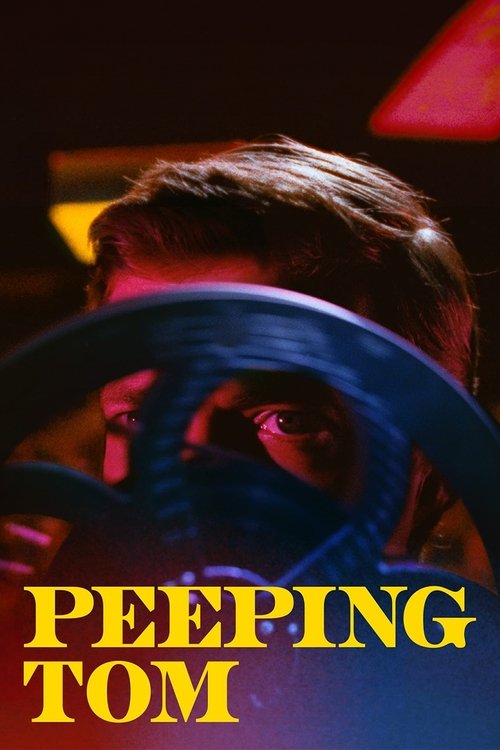
Peeping Tom (1960)
Directed by Michael Powell
Loner Mark Lewis works at a film studio during the day and, at night, takes racy photographs of women. Also he's making a documentary on fear, which involves recording the reactions of victims as he murders them. He befriends Helen, the daughter of the family living in the apartment below his, and he tells her vaguely about the movie he is making.
13 connections found
View:
13 films that influenced Peeping Tom
What critics say influenced Peeping Tom
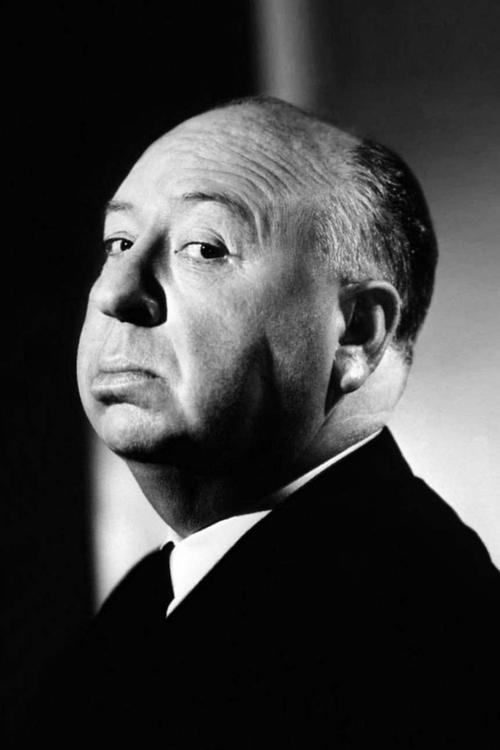
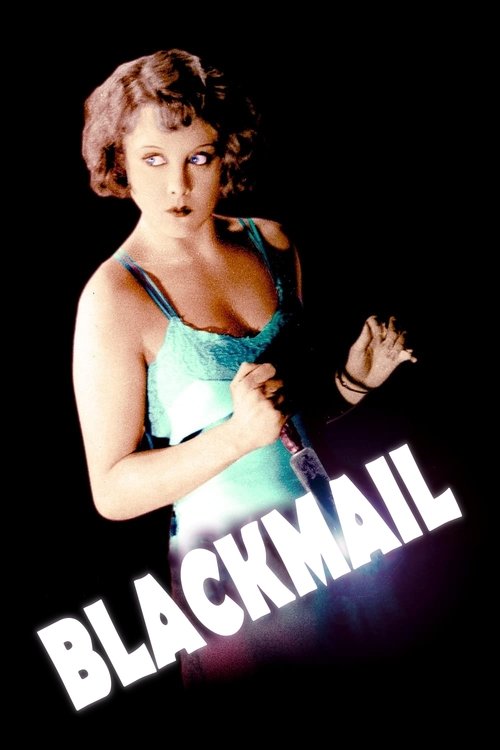


He was an uncredited writer on Hitchcock's "Blackmail" (1929), and the two remained friends through their lives.
Later films both in and out of the Hollywood system would build on this facet with much darker intentions, including Michael Powell’s disturbing “Peeping Tom,” about a killer whose camera captures a person’s last horrific moments at the center of a lens.
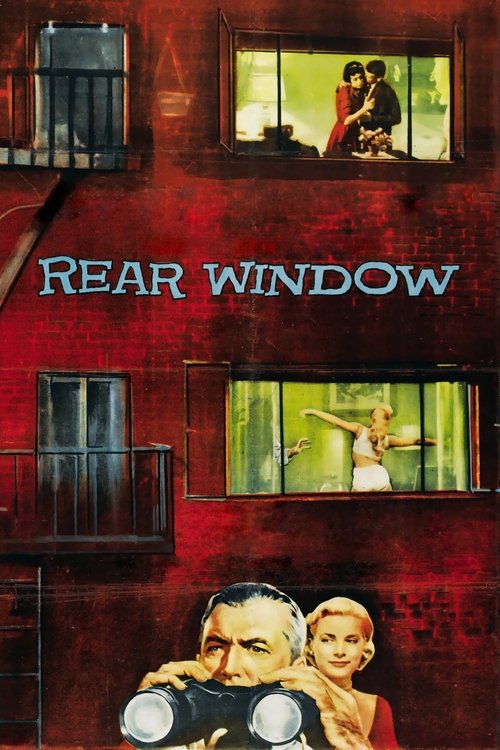
What seems to fascinate "Peeping Tom's" new supporters is Mr. Powell's appreciation of the idea that the act of photographing something can be an act of aggression, of violation (of the object photographed), an idea shared by some film makers (including Alfred Hitchcock in portions of his classic "Rear Window," made in 1954), professional thinkers and members of certain other primitive tribes.
Alfred Hitchcock first suggested the idea with Rear Window (1954) in which a character spends 2 hours sitting in the dark watching things happen to other people, but that was only a suggestion.
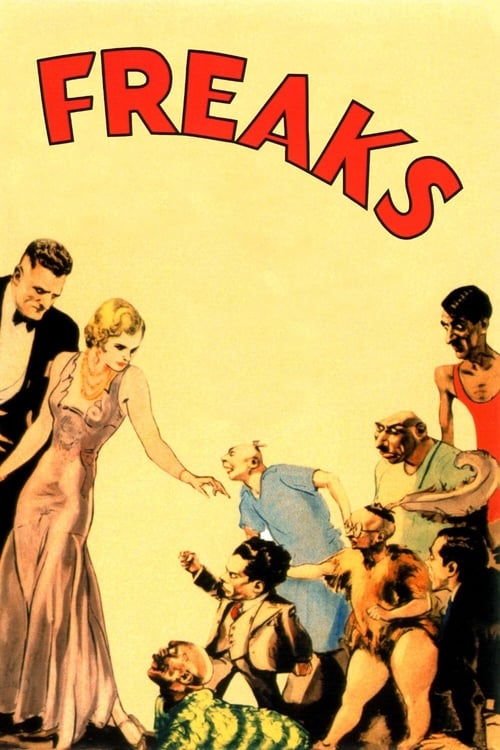
As happened to Michael Powell, whose brilliant filmmaking career came to an abrupt end decades later with “Peeping Tom,” “Freaks” is a unique horror film that was ahead of its time.
Director Tod Browning, who just the previous year had a smash hit with the Bela Lugosi version of Dracula, basically short circuited his own career (as Michael Powell would do with 1960’s Peeping Tom) by tackling a controversial movie that turned everyone off with its subject matter.
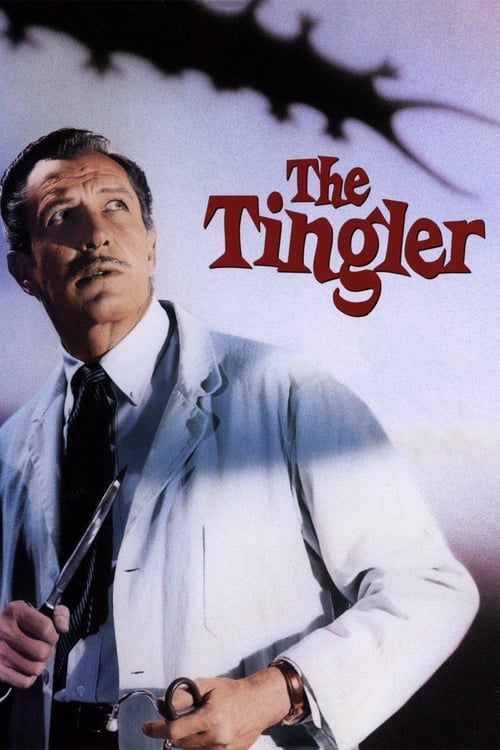
The movie talks about fear in the same way that we heard in William Castle's "The Tingler" (1960), much of which was set in a tacky movie theater where fear, in the physical form of something that looked like a soft, white lobster, crawled around under the seats attacking the paying customers.
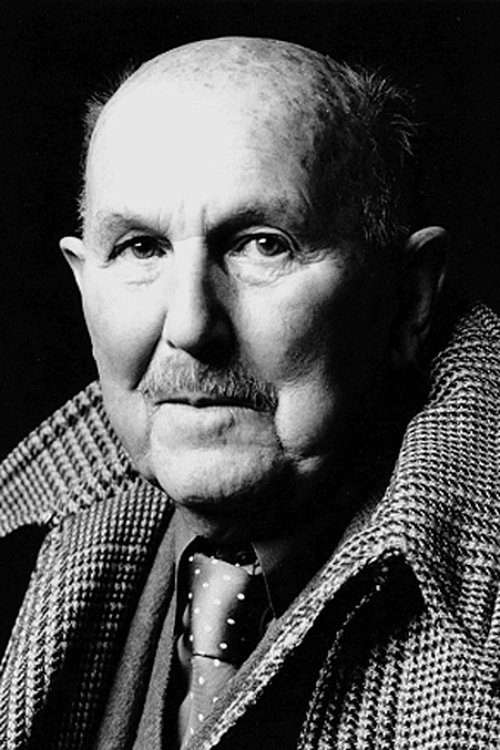
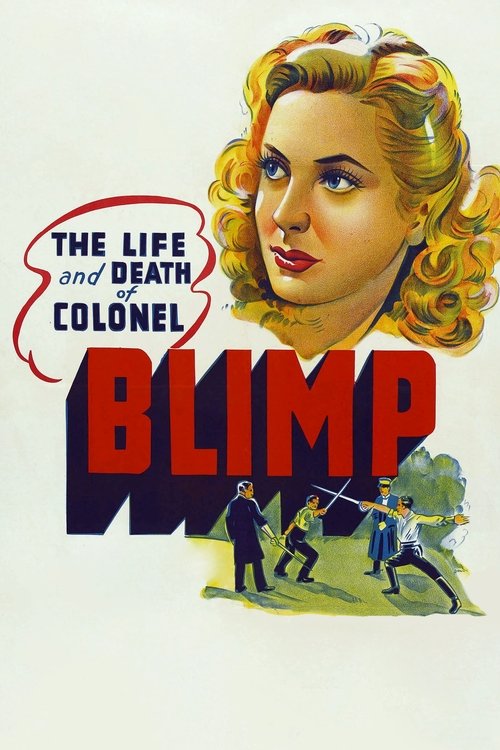
Only someone madly obsessed with being the first to hail a new auteur, which is always a nice way of calling attention to oneself, could spend the time needed to find genius in the erratic works of Mr. Powell — "One of Our Aircraft Is Missing," "The Life and Death of Colonel Blimp," "The Red Shoes," "Tales of Hoffman" and so on, all directed with Emeric Pressberger, and "Peeping Tom," which he directed alone.
Peeping Tom followed a train of successes from British filmmaker Michael Powell, who, along with scenarist Emric Pressberger, is responsible for The Red Shoes, Black Narcissus, and The Life and Death of Colonel Blimp; Peeping Tom was critically rejected and banned, and although not his final film, it is seen as Powell’s career-ender.
Powell and Pressburger made some of the best and most successful films of the 1940s and '50s, including " The Life and Death of Colonel Blimp ," with Roger Livesey's great performance spanning three wars; " The Red Shoes ," with Moira Shearer as a ballet dancer; "Black Narcissus," with Deborah Kerr as a nun in the Himalayas, and " Stairway To Heaven (A Matter Of Life And Death) ," with David Niven as a dead airman.
The great, trailblazing director of "Stairway to Heaven" and "The Life and Death of Colonel Blimp" made only two more features before his death at 85 -- though he did see his own cinematic stature reestablished by younger admirers like Martin Scorsese, while "Peeping Tom's" sleazy rep evolved from cinematic scandal to movie classic.
Having established himself as a maestro of quality cinema with classics such as The Red Shoes (1948), Ill Met By Moonlight (1957), Battle of the River Plate (1956), Black Narcissus (1947) and The Life and Death of Colonel Blimp (1943), Powell took a sharp left turn with this shocker about a camera-wielding killer - and it cost him dearly.
This is the man who, with his partner Emeric Pressburger, had been a part of England's greatest filmmaking team with a string of wonderful and successful movies in the 40's: The Life and Death of Colonel Blimp (1943), I Know Where I'm Going! (1945), A Matter of Life and Death (1946), and Black Narcissus (1947).
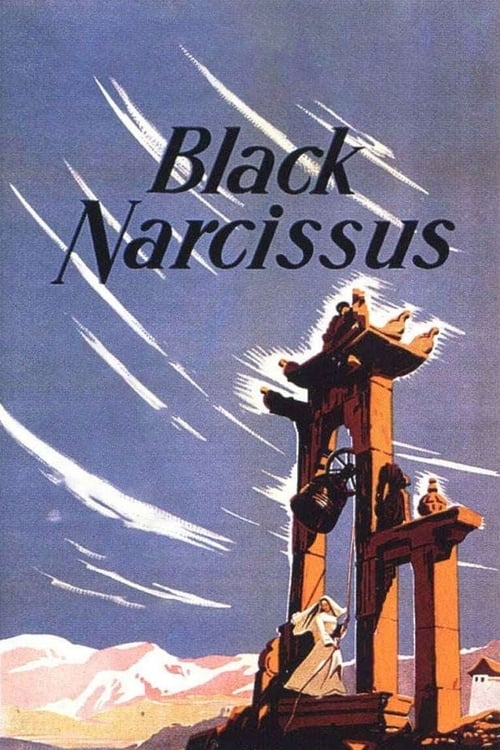
Powell's collaborations with Emeric Pressburger (A Matter of Life and Death, Black Narcissus, The Red Shoes) were among the flashiest British films of the postwar period.
The film was pulled from theaters in less than a week, and the foofaraw all but ended director Michael Powell’s big-screen career, which was built on outsize – and much more polite – successes like The Red Shoes and Black Narcissus , his collaborations with Emeric Pressburger.
Peeping Tom followed a train of successes from British filmmaker Michael Powell, who, along with scenarist Emric Pressberger, is responsible for The Red Shoes, Black Narcissus, and The Life and Death of Colonel Blimp; Peeping Tom was critically rejected and banned, and although not his final film, it is seen as Powell’s career-ender.
Powell and Pressburger made some of the best and most successful films of the 1940s and '50s, including " The Life and Death of Colonel Blimp ," with Roger Livesey's great performance spanning three wars; " The Red Shoes ," with Moira Shearer as a ballet dancer; "Black Narcissus," with Deborah Kerr as a nun in the Himalayas, and " Stairway To Heaven (A Matter Of Life And Death) ," with David Niven as a dead airman.
Having established himself as a maestro of quality cinema with classics such as The Red Shoes (1948), Ill Met By Moonlight (1957), Battle of the River Plate (1956), Black Narcissus (1947) and The Life and Death of Colonel Blimp (1943), Powell took a sharp left turn with this shocker about a camera-wielding killer - and it cost him dearly.
Until he directed "Peeping Tom" (which is being shown in a gorgeous new 35-millimeter print), Powell was known as a consummate pictorialist whose films (often made in collaboration with Emeric Pressburger and including "The Red Shoes," "Black Narcissus" and "A Matter of Life and Death/Stairway to Heaven") were not known for outraging too many sensibilities.
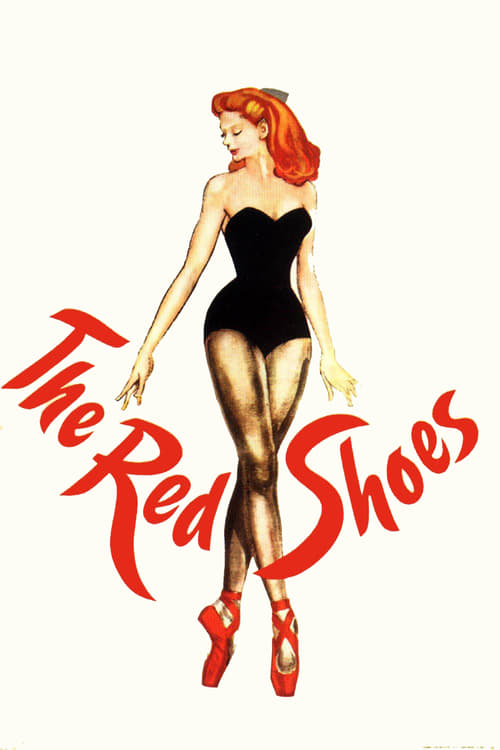
Powell's collaborations with Emeric Pressburger (A Matter of Life and Death, Black Narcissus, The Red Shoes) were among the flashiest British films of the postwar period.
The uniformly excellent cast includes Anna Massey, Moira Shearer (the ballerina of Powell's The Red Shoes), and Maxine Audley.
Moira Shearer, Mark's victim in the film studio, was the ballerina star of The Red Shoes (1948), where she had also died for art (the notion of dying for art was apparently something Powell was deadly serious about).
Moira Shearer ("The Red Shoes") plays one of the victims; Powell himself plays the disturbed mans psychologically abusive father, glimpsed in snippets of home movies.
Only someone madly obsessed with being the first to hail a new auteur, which is always a nice way of calling attention to oneself, could spend the time needed to find genius in the erratic works of Mr. Powell — "One of Our Aircraft Is Missing," "The Life and Death of Colonel Blimp," "The Red Shoes," "Tales of Hoffman" and so on, all directed with Emeric Pressberger, and "Peeping Tom," which he directed alone.
Setting such immediate comparisons to one side, it must be admitted that Michael Powell's new film appears to be part of a logical progression from the straightforward brutalities of 49th Parallel through the more sophisticated activities of the Eric Portman character in A Canterbury Tale who was given to putting glue into the hair of Kentish maidens, and through the disagreeable final scenes of The Red Shoes.
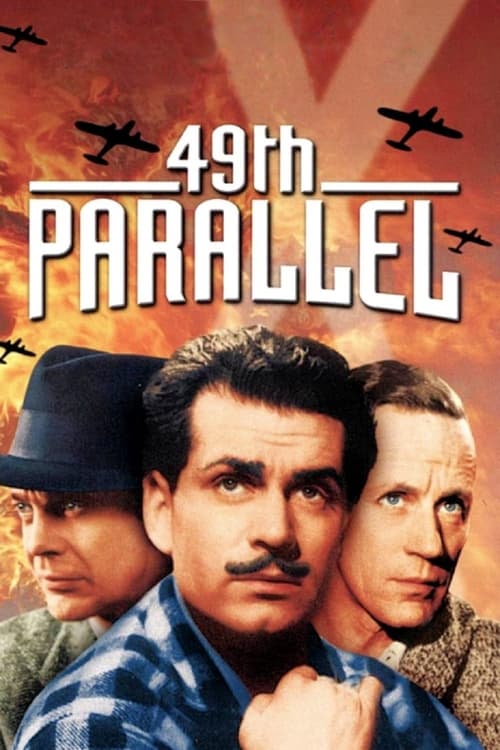
Setting such immediate comparisons to one side, it must be admitted that Michael Powell's new film appears to be part of a logical progression from the straightforward brutalities of 49th Parallel through the more sophisticated activities of the Eric Portman character in A Canterbury Tale who was given to putting glue into the hair of Kentish maidens, and through the disagreeable final scenes of The Red Shoes.
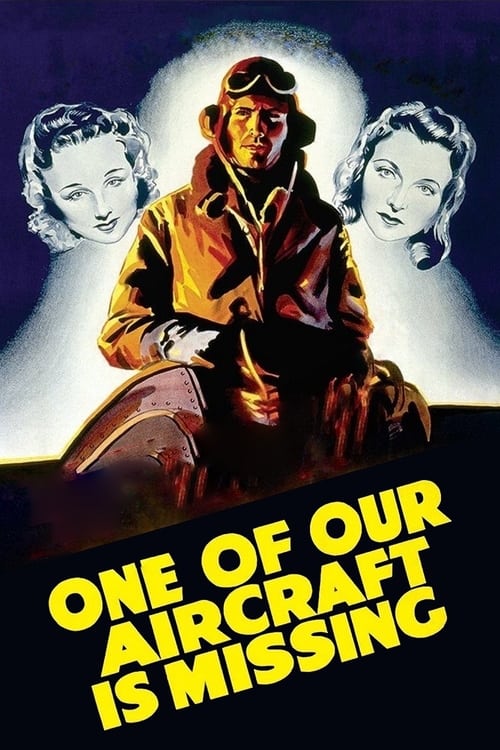
Only someone madly obsessed with being the first to hail a new auteur, which is always a nice way of calling attention to oneself, could spend the time needed to find genius in the erratic works of Mr. Powell — "One of Our Aircraft Is Missing," "The Life and Death of Colonel Blimp," "The Red Shoes," "Tales of Hoffman" and so on, all directed with Emeric Pressberger, and "Peeping Tom," which he directed alone.
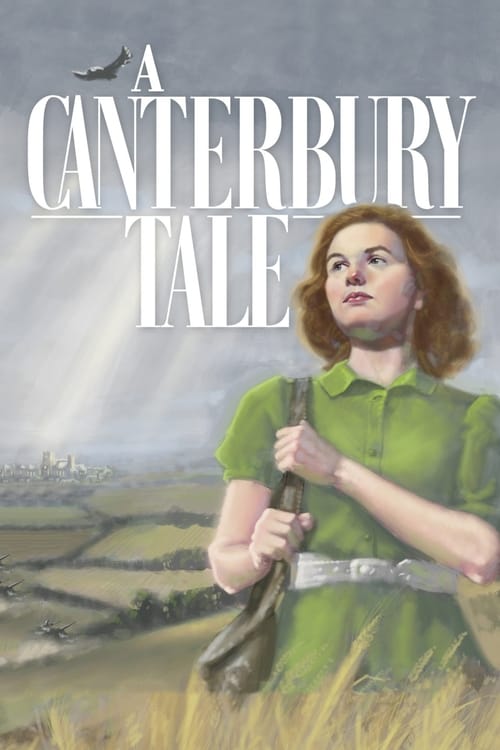
Setting such immediate comparisons to one side, it must be admitted that Michael Powell's new film appears to be part of a logical progression from the straightforward brutalities of 49th Parallel through the more sophisticated activities of the Eric Portman character in A Canterbury Tale who was given to putting glue into the hair of Kentish maidens, and through the disagreeable final scenes of The Red Shoes.
The writer-director team of Michael Powell and Emeric Pressburger ("Peeping Tom"/"Red Shoes") have come up with a simple but wonderfully bizarre way to tell Chaucer's A Canterbury Tale in modern terms using the English countryside of Kent to frame a story around four diverse characters during WWII finding each has a miracle occur to them when they reach Canterbury.
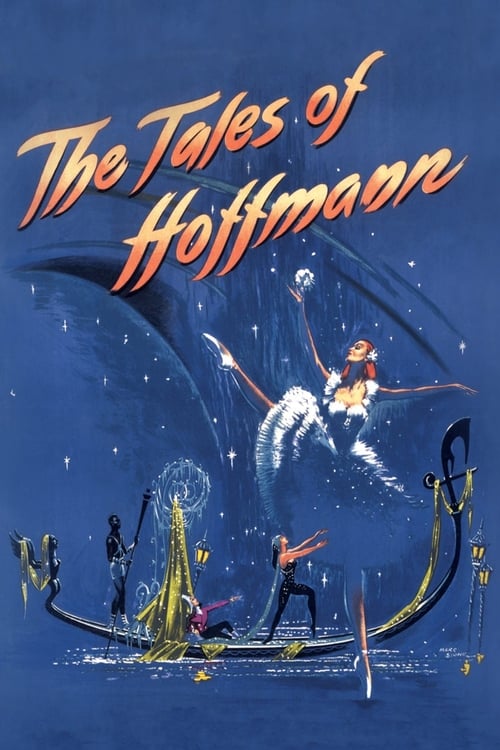
This actress is played by Moira Shearer, Powell's dancing star from The Red Shoes (1948), and The Tales of Hoffmann (1951).
Advertisement
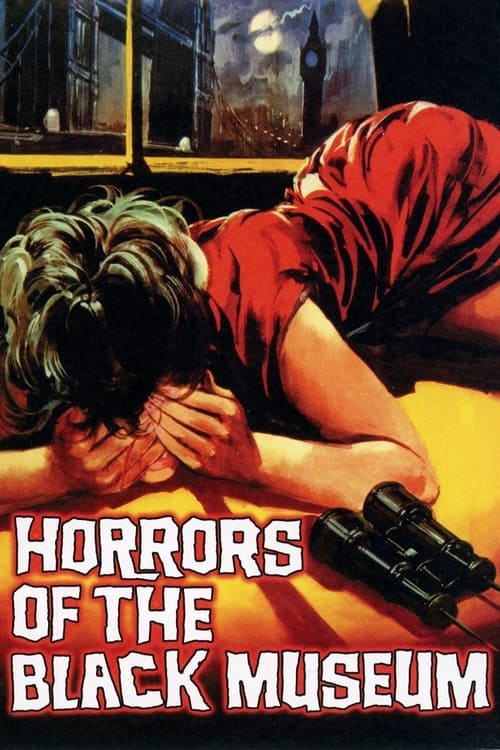
Two of their previous films, Horrors of the Black Museum (1959) and Circus of Horrors (1959) had explored the same areas as Peeping Tom would - the voyeuristic appetite for violence.
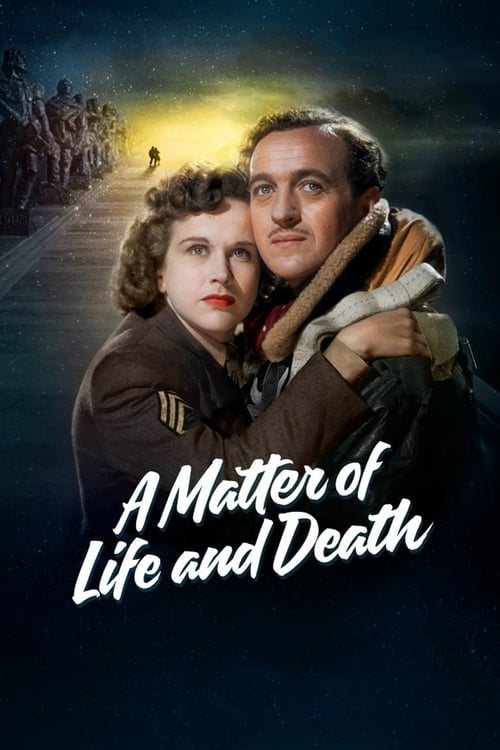
The great, trailblazing director of "Stairway to Heaven" and "The Life and Death of Colonel Blimp" made only two more features before his death at 85 -- though he did see his own cinematic stature reestablished by younger admirers like Martin Scorsese, while "Peeping Tom's" sleazy rep evolved from cinematic scandal to movie classic.