
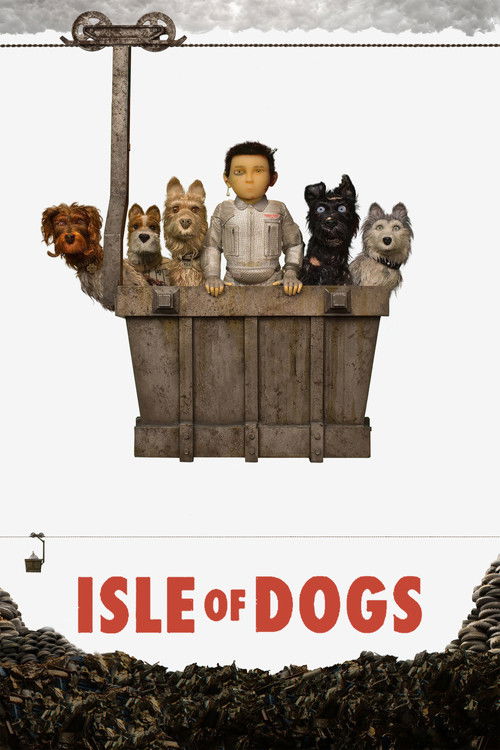
Isle of Dogs (2018)
Directed by Wes Anderson
In the future, an outbreak of canine flu leads the mayor of a Japanese city to banish all dogs to an island used as a garbage dump. The outcasts must soon embark on an epic journey when a 12-year-old boy arrives on the island to find his beloved pet.
7 connections found
View:
7 films that influenced Isle of Dogs
What critics say influenced Isle of Dogs
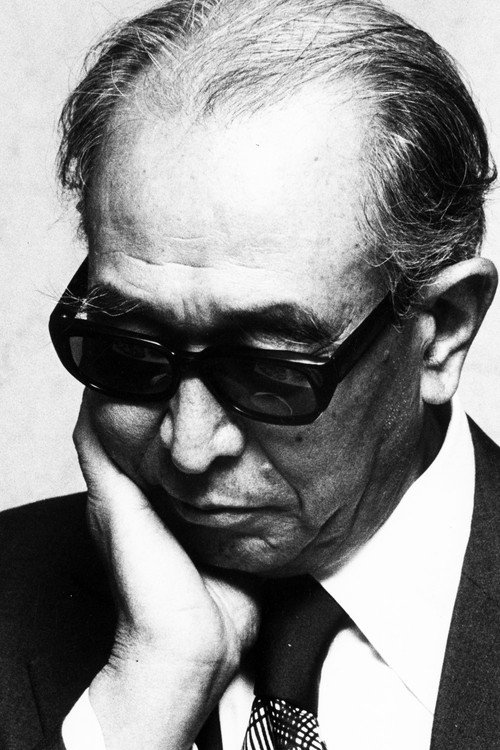
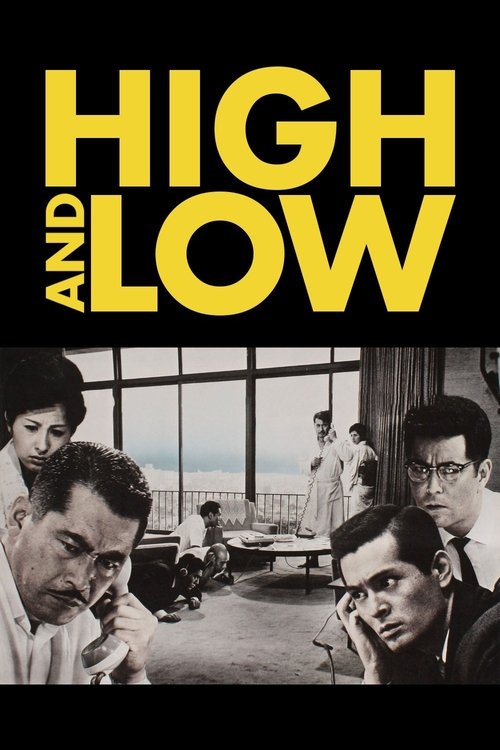


The setting is the fictional Japanese Megasaki City, 20 years in the future, and Anderson acknowledges one of his key influences as the urban crime and corruption thrillers of Akira Kurosawa, in particular the early 1960s features The Bad Sleep Well and High and Low.
Modeled after Toshiro Mifune’s towering performance in Akira Kurosawa’s “High and Low” (the first of the film’s many nods to Japan’s most famous director), the villainous bureaucrat suggests relocating every single one of the dogs in Uni Prefecture to a place called Trash Island, starting with his own Short-Haired Oceanic Speckle-Eared Sport Hound, Spots.
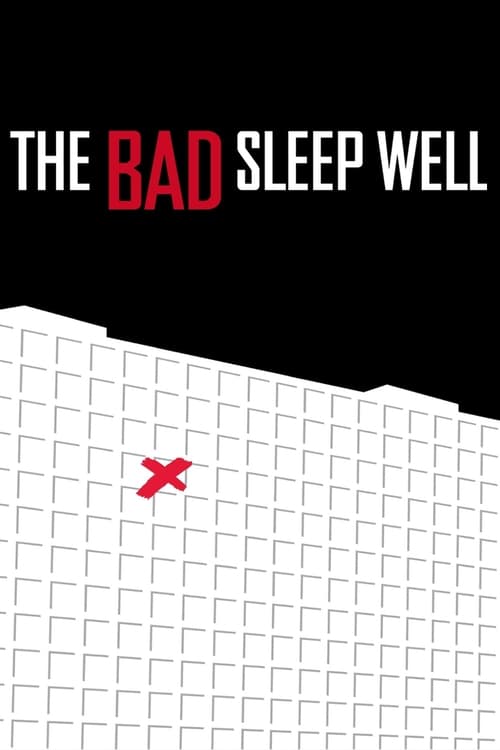
The setting is the fictional Japanese Megasaki City, 20 years in the future, and Anderson acknowledges one of his key influences as the urban crime and corruption thrillers of Akira Kurosawa, in particular the early 1960s features The Bad Sleep Well and High and Low.

Nods to Kurosawa are present throughout, notably in the decision to make Mayor Kobayashi (voiced by co-story writer Kunichi Nomura) a dead-ringer for the Seven Samurai director's longtime screen muse Toshiro Mifune, his glowering countenance staring out from billboards and news broadcasts.
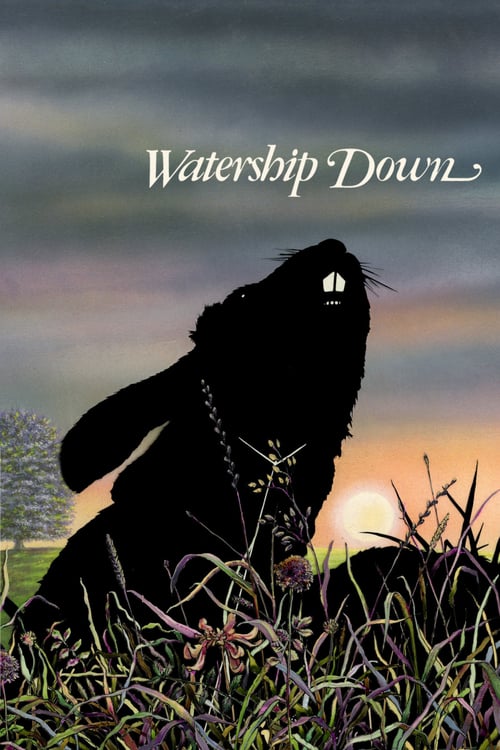
Set in Japan in the near-future, the vibe is more Watership Down than Disney-Pixar, so little ones might find the thematic (and sometimes onscreen) brutality and occasional bit of gore upsetting.
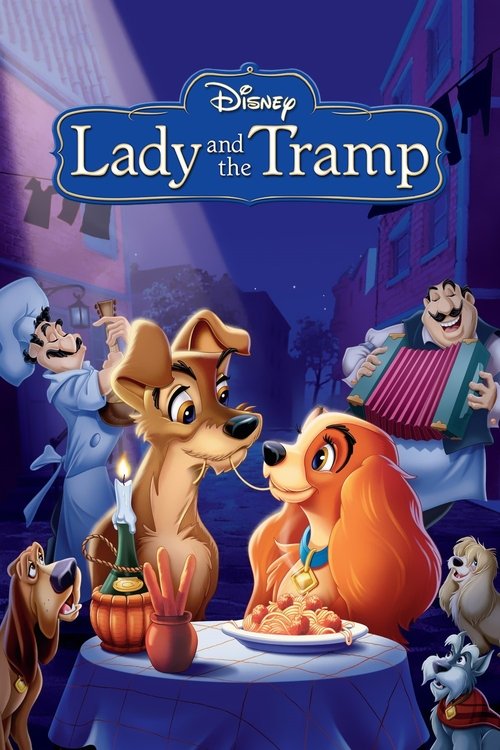
Anderson is happy to place the hijinks on pause for a long, mutually seductive nighttime dialogue between Chief and high-pedigree bitch Nutmeg (Scarlett Johansson) — a scene that plays like “Lady and the Tramp” as redrafted by Raymond Chandler — and the film is all the more beguiling for such curiosities.
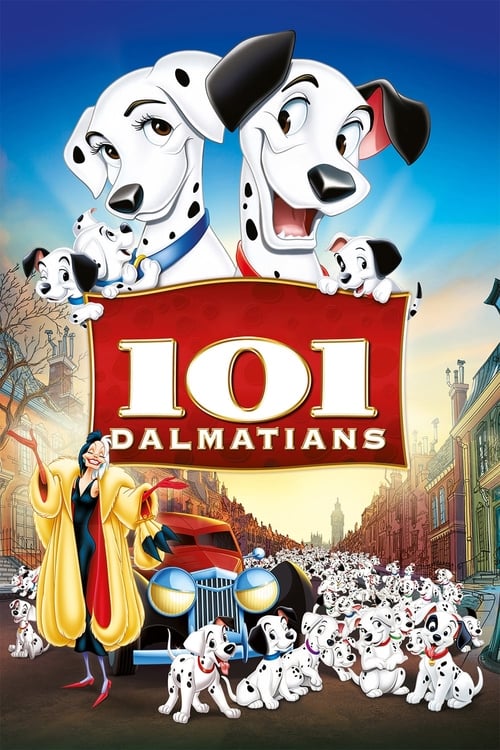
Honda and Hayao Miyazaki , Disney’s 101 Dalmatians, and a host of post-apocalyptic anime favorites (Akira comes easily to mind) make Anderson’s second stop-motion animation outing a veritable game of spot-the-allusion.
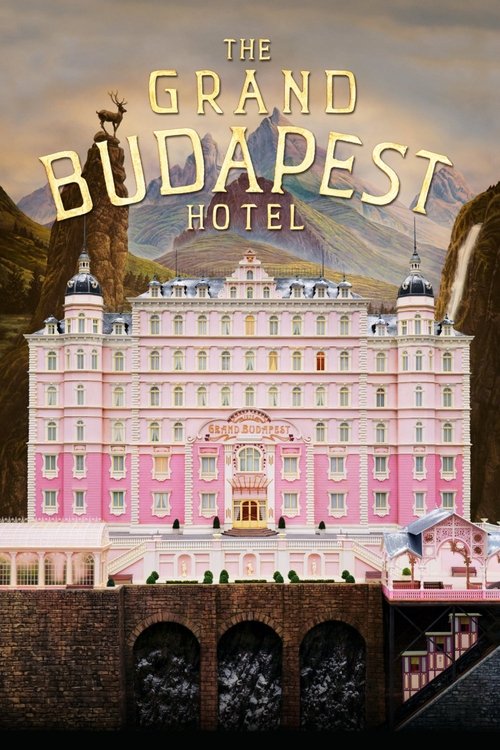
These twee phantasmagorias are finer-grained in their references than Fantastic Mr. Fox or 2014's The Grand Budapest Hotel (which stole from the still-underappreciated Soviet-bloc animators Ladislas Starevich and Karel Zeman, respectively), but the conditions of late capitalism worldwide are such that it's worth asking why Anderson had to set this fairy tale in the real-life country of Japan.
Even the garbage in each frame — of which there is plenty, the film’s chief setting being a less-than-salubrious enclave called Trash Island — looks hand-picked by production designers Adam Stockhausen (as essential here as he was to the success of “The Grand Budapest Hotel” and “Moonrise Kingdom”) and Paul Harrod.
Despite the specificity of its setting, Isle of Dogs is very much a part of Anderson's eccentric universe; its vibrantly inventive visuals and the refusal of its resourceful heroes to bend to an oppressive authority in many ways recall The Grand Budapest Hotel.
Closer to The Grand Budapest Hotel’s formal exuberance than that of The Fantastic Mr. Fox, I can’t think of a film having more fun with itself.
The rise of fascism in 40s Europe was the backdrop to The Grand Budapest Hotel’s intricate crime caper narrative and acted as a candy-coloured mirror to the rise of right wing extremists across Europe and America.
In “The Grand Budapest Hotel” Anderson created a fictional Eastern European country in order to exploit a loose set of cultural and aesthetic associations without having them tied to pesky real-world history or geopolitics.