
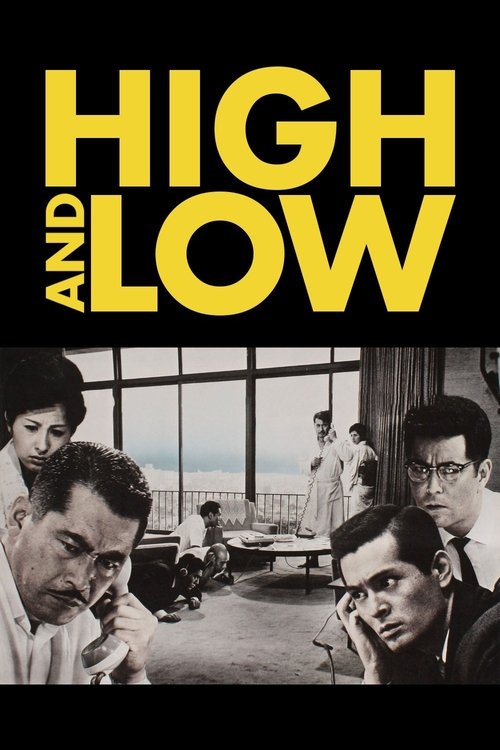
High and Low (1963)
Directed by Akira Kurosawa
A Yokohama shoe executive faces a wrenching choice when kidnappers mistakenly seize his chauffeur’s son but demand the ransom anyway.
3 connections found
View:
3 films that influenced High and Low
What critics say influenced High and Low
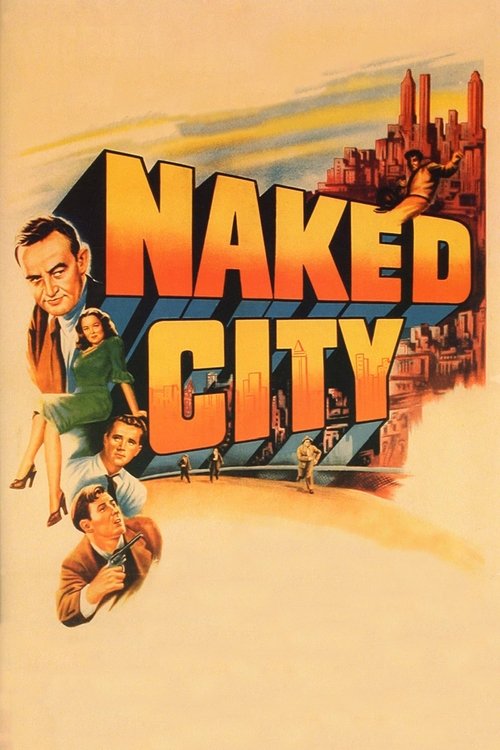


Then arrives the final section of the film, transformed into the methodical (perhaps too methodical) police procedural mode of films like The Naked City as the police doggedly and systematically track down the kidnapper, Kurosawa venturing into the lower depths of wretchedness and misery with a Stygian abandon.
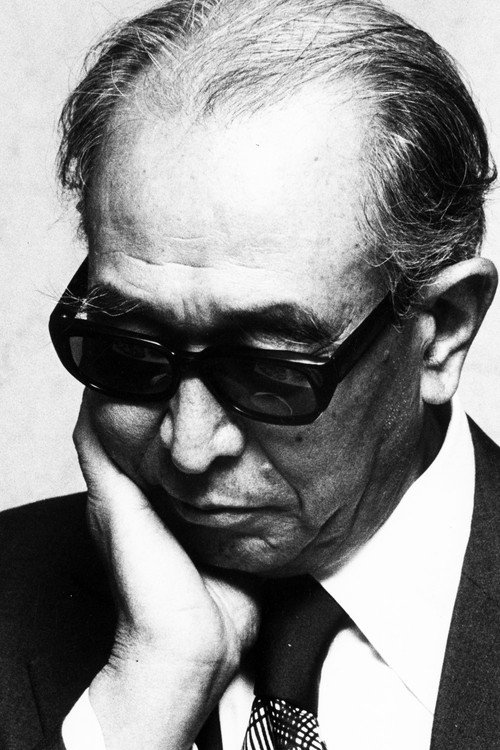
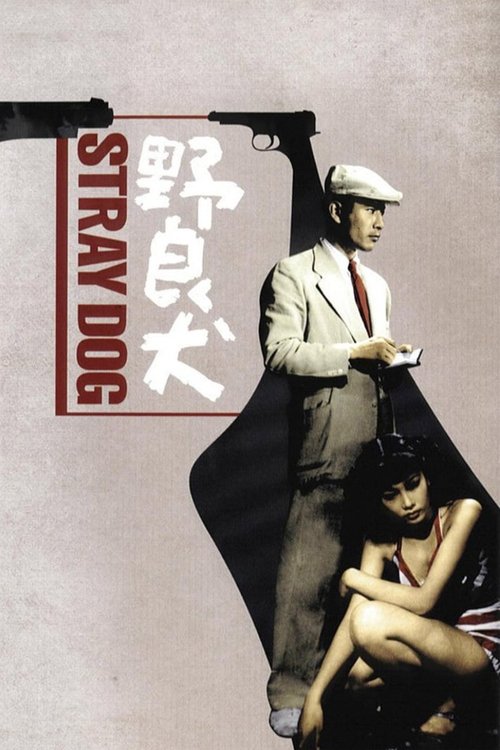
As with his previous Stray Dog (1949), Kurosawa revels in the details of detection, as well as doing miraculous things with the composition of his widescreen frame.
The Bad Sleep Well, Stray Dog, and the like have everything The Seven Samurai, Kagemusha, and his other large-scale films do—strong characters, brilliant staging, intriguing storylines—while also offering a window into life in postwar Japan.

As impressively conceived as the heroin dens, juke joints, and whorehouses that we see are (though there�s an even better juke joint sequence in Kurosawa�s Drunken Angel), they don�t have much dramatic function since Kurosawa�s script wasn�t structured so that we really got a glimpse of �heaven�.