
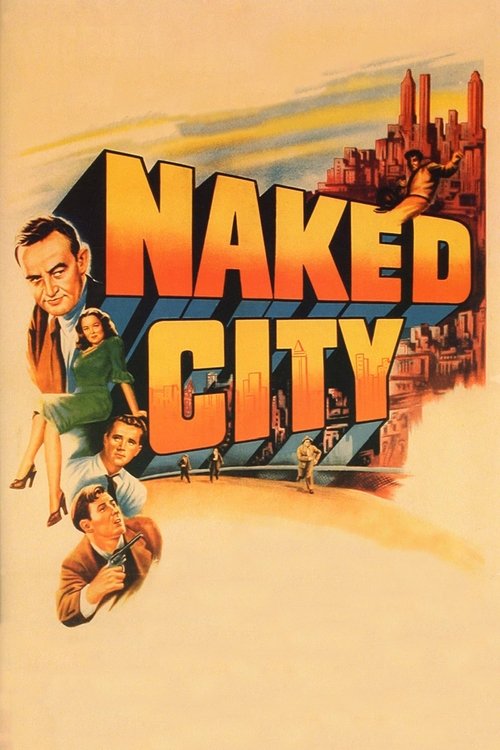
The Naked City (1948)
Directed by Jules Dassin
After a former model is drowned in her bathtub, Detective James Halloran and Lieutenant Dan Muldoon attempt to piece together her murder.
2 connections found
View:
2 connections, in both directions
What critics compared The Naked City to
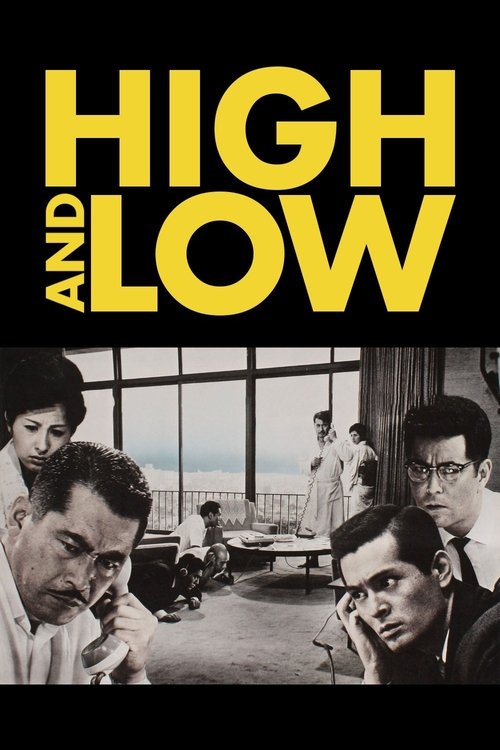


Then arrives the final section of the film, transformed into the methodical (perhaps too methodical) police procedural mode of films like The Naked City as the police doggedly and systematically track down the kidnapper, Kurosawa venturing into the lower depths of wretchedness and misery with a Stygian abandon.
At the time Dassin had nearly a dozen American movies under his belt, including such respected noir films as “Brute Force” and “The Naked City.”
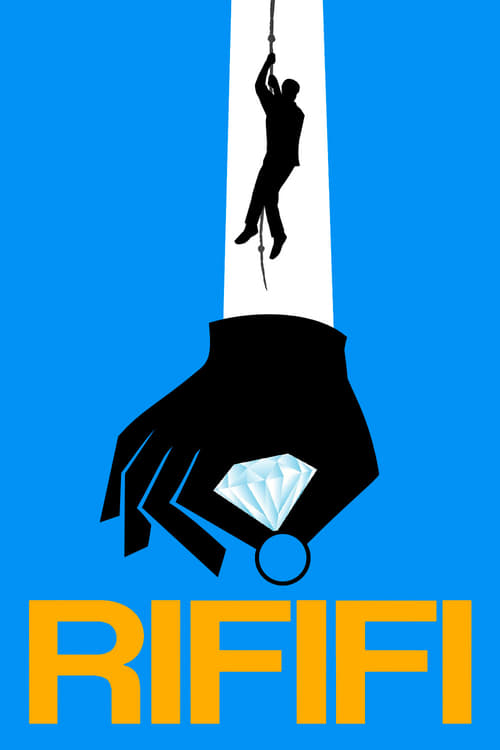
A rising director of hard-hitting film noir in the late 1940s (including 1947’s Brute Force and 1949’s The Naked City), he was named a communist and blacklisted during the HUAC hearings of the early 1950s, forcing him to flee to Europe, where his attempts to continue his filmmaking career were constantly undermined from abroad by pressure from the U.S. When he was offered the chance to direct Rififi, it was literally his last shot at maintaining a career, and he was richly rewarded with an international hit and a director’s award at the Cannes Film Festival.
"The Naked City" (1948) is famous for its semi-documentary use of New York.
Though he had studio credits like "The Naked City," "Thieves' Highway" and "Night and the City," director Dassin was an unlikely candidate to turn this book into a legendary film.
It was directed by crime expert Jules Dassin (Thieves' Highway, Rififi) and produced/narrated by newspaperman Mark Hellinger, and its location photography and realism are worn like badges of honor.