
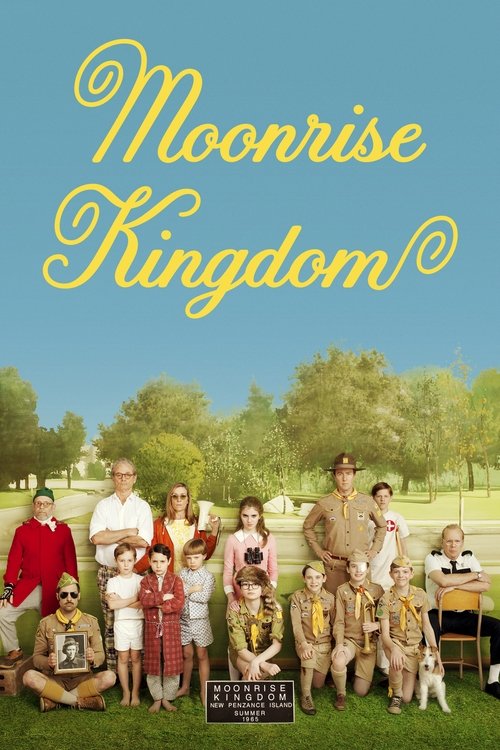
Moonrise Kingdom (2012)
Directed by Wes Anderson
Set on an island off the coast of New England in the summer of 1965, Moonrise Kingdom tells the story of two twelve-year-olds who fall in love, make a secret pact, and run away together into the wilderness. As various authorities try to hunt them down, a violent storm is brewing off-shore – and the peaceful island community is turned upside down in more ways than anyone can handle.
36 connections found
View:
36 films that influenced Moonrise Kingdom
What critics say influenced Moonrise Kingdom




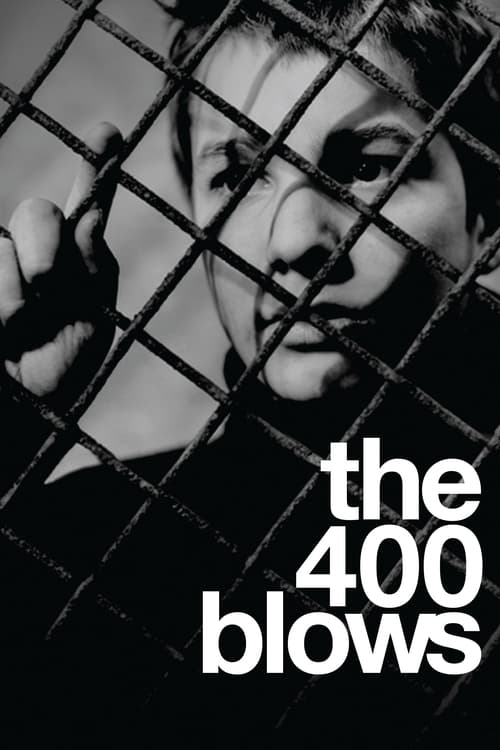
But Anderson handles it with a sensitivity and an unembarrassed openness that evoke the style of François Truffaut, in classics such as The 400 Blows and Small Change.
The film certainly owes a debt to the crafty kid imps of The 400 Blows and Small Change (by one of Anderson's avowed heroes, François Truffaut) but on the evidence of his artful and electric action direction, Anderson might work wonders with a throwback thriller in the vein of his hero's hero: Alfred Hitchcock.
But Anderson handles it with a sensitivity and an unembarrassed openness that evoke the style of François Truffaut, in classics such as The 400 Blows and Small Change.
The film certainly owes a debt to the crafty kid imps of The 400 Blows and Small Change (by one of Anderson's avowed heroes, François Truffaut) but on the evidence of his artful and electric action direction, Anderson might work wonders with a throwback thriller in the vein of his hero's hero: Alfred Hitchcock.

“Moonrise Kingdom” is Wes Anderson’s seventh feature film, and in some ways it’s typical of all of them, with tropes and tics and themes and actors familiar from the likes of “Bottle Rocket,” “Rushmore,” and “The Royal Tenenbaums” and the rest.
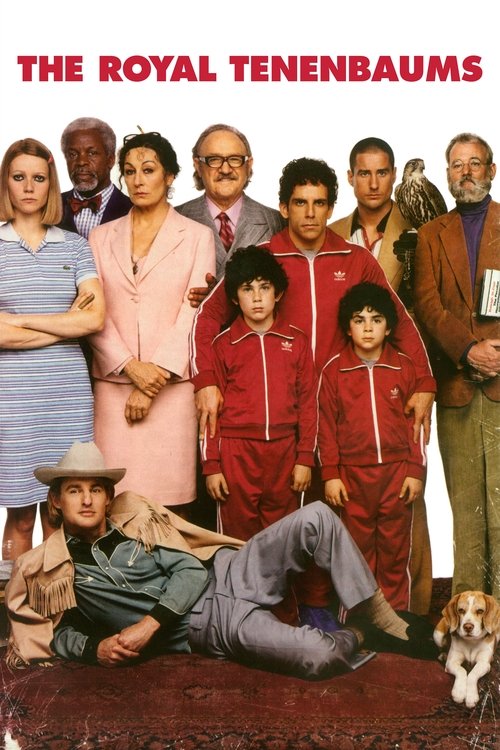
But as the film follows the story of two emotionally deprived 12-year olds just precocious enough to fall in love - Suzy, the Bishops’ oldest child, and Sam, an orphaned scout – it’s impossible not to recall how much more affecting Anderson’s The Royal Tenenbaums was in its depiction of an emotionally fraught eccentric family, or how his Fantastic Mr. Fox was more attuned to the joy of imagination.
In many ways, their relationship recalls the star-crossed romance between Margo and Richie Tenenbaum, the relationship at the heart of The Royal Tenenbaums.
This one is neither as contrived as The Royal Tenenbaums nor as moronic as The Darjeeling Limited, but its boredom quotient is still stuck in the same unbroken wave of dubious tedium Mr. Anderson is famous for.
Set on a New England island in the summer of 1965, the opening sequence of Moonrise Kingdom, with its incessant camera-pans around the Bishop household, recalls the stylistic choices made in both The Royal Tenenbaums and The Life Aquatic with Steve Zissou.
It combines elements of Rushmore, The Royal Tenenbaums and The Fantastic Mr. Fox into a whole that is fresh, exciting, sweet and, most of all, gentle.
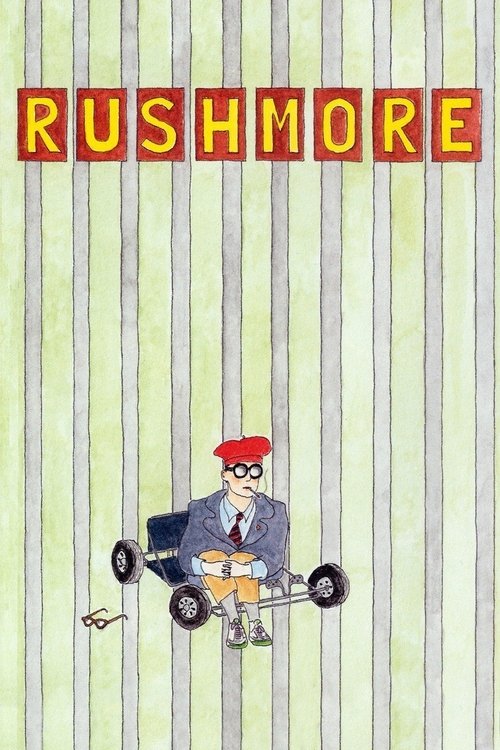
Like Rushmore, it earns its pathos by juxtaposing youthful idealism with adult resignation, albeit this time in entirely separate narrative strands: while runaways Sam and Suzy (whose names I dearly hope were inspired by the schmaltz-classic “Muskrat Love”) bond in the great outdoors over their shared sense of alienation, the grown-ups trying to find them—including Suzy’s unhappy parents (Frances McDormand and Bill Murray), a lonely sheriff (Bruce Willis), and a scout master experiencing an existential identity crisis (Edward Norton)—serve as vivid counterpoint reminders of why the first pangs of love stay with us for the rest of our lives.
“Moonrise Kingdom” is Wes Anderson’s seventh feature film, and in some ways it’s typical of all of them, with tropes and tics and themes and actors familiar from the likes of “Bottle Rocket,” “Rushmore,” and “The Royal Tenenbaums” and the rest.
It combines elements of Rushmore, The Royal Tenenbaums and The Fantastic Mr. Fox into a whole that is fresh, exciting, sweet and, most of all, gentle.
In fact, while I appreciate the brashness of Rushmore , there is only one Wes Anderson movie I truly love, and I know I’m not alone: My informal investigations over the past few years have identified Fantastic Mr. Fox as the Wes Anderson Movie for People Who Hate Wes Anderson Movies.
In a flurry of recent interviews, Wes Anderson - the corduroyed auteur behind Rushmore, The Royal Tenenbaums, and other films about dreamers and depressives who move to a decidedly retro beat - has said his experience on Fantastic Mr. Fox changed his whole approach to moviemaking.
" Moonrise Kingdom ," the new movie from Wes Anderson (" Rushmore ," " The Darjeeling Limited ," " Fantastic Mr. Fox ") offers paradise sought, paradise gained and paradise lost, all in very little over 90 minutes.

“Moonrise Kingdom” is Wes Anderson’s seventh feature film, and in some ways it’s typical of all of them, with tropes and tics and themes and actors familiar from the likes of “Bottle Rocket,” “Rushmore,” and “The Royal Tenenbaums” and the rest.
Wes Anderson's films – seven of them since his debut with Bottle Rocket in 1996 – constitute a consistent oeuvre.
Wes Anderson’s films have all taken place in a stylized version of the real world â?? from the Texas plains of “Bottle Rocket” to the meadows and dens of “Fantastic Mr. Fox” â?? but “Moonrise Kingdom” is the first to be set in an entirely fictional location: New Penzance Island, home to a handful of full-time residents, a favorite destination for Scout troops and the setting for a typically dry, droll and sweet Anderson outing.
Shot on super 16-millimeter and set mainly inside a 15-mile radius, this fairy-tale period piece is Wes Anderson's most intimate film since Bottle Rocket (1996) and maybe his most deeply felt overall.
Like all of his post-“Bottle Rocket” live-action films, ‘Moonrise’ features a slightly skewed reality, characters standing in the center of the frame staring blankly, and other mainstays of Wes Anderson Bingo .
Those familiar with Anderson’s work since his debut with 1996’s “Bottle Rocket” will immediately recognize the helmer’s fingerprints all over the material, opening “Moonrise Kingdom” with an comprehensive look at the morning routine of Suzy’s family and the scouts, while the Narrator (Bob Balaban) acts as a tour guide to the far corners of New Penzance, sharing its treasures and history, warning us about the coming storm.
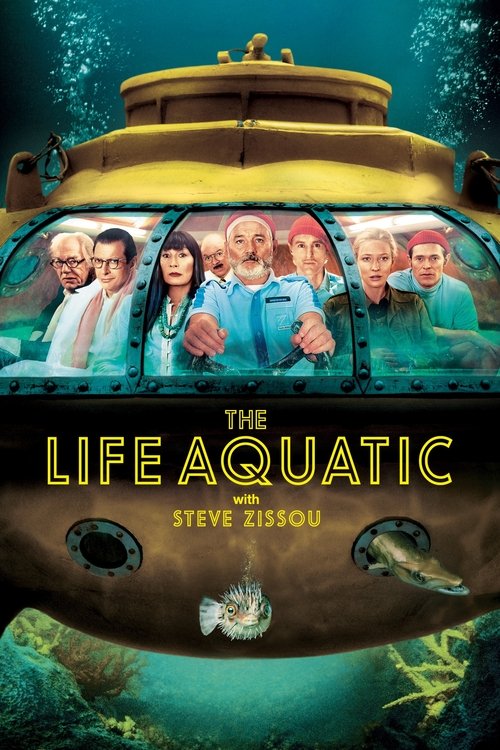
The Anderson touchstones abound, from the cross-sectional introduction to the Bishop home (a la "The Life Aquatic with Steve Zissou") to the off kilter but just right musical choices (like Suzy and Sam's themes of Francoise Hardy's 'Le Temps de l'Amour' and Hank Williams's 'Kaw-Liga').
He’s been heading in this direction for a while, as evidenced by The Life Aquatic with Steve Zissou and The Darjeeling Limited , both of which had inspired ideas scattered within them.
Ever since The Life Aquatic with Steve Zissou, there has been an ever-widening gap between Wes Anderson’s fans and his detractors.
Only the submarine in The Life Aquatic With Steve Zissou or the farms and underground abodes in Fantastic Mr. Fox exist in more insular worlds-within-a-world, and like those films, the tracking shots in Moonrise Kingdom often make it seem like the characters are specimens in a giant, ornate dollhouse.
I liked "Rushmore," and liked "The Royal Tenenbaums" a lot, but "The Life Aquatic with Steve Zissou" was so wretchedly unwatchable I didn't even bother seeing his next one, "The Darjeeling Limited."
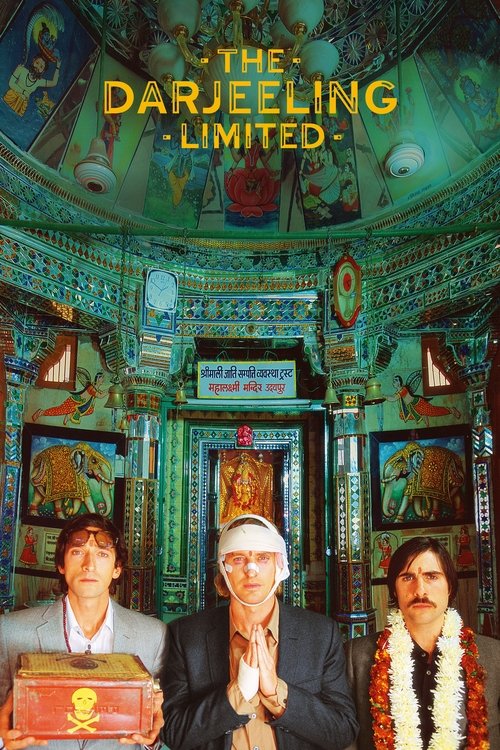
And yet, there’s a freshness and vitality to “Moonrise” that was absent from Anderson’s two previous live-action films, “The Life Aquatic with Steve Zissou” and “The Darjeeling Limited,” in which the writer-director trod his wonted territory with heavy -- and heavily mannered -- feet.
If you don't appreciate Anderson's previous efforts, particularly The Darjeeling Limited and The Royal Tenenbaums, then steer clear.
Many directors have a signature shot, and for Anderson it’s always been a slow, lateral tracking movement revealing the life going on inside disparate little boxes within a grand space – the train in “The Darjeeling Limited,” the ship in “The Life Aquatic with Steve Zissou,” the mansion in “The Royal Tenenbaums.”
It’s also a welcome return to form for Anderson, who had become too quirky and pretentious for his own good in recent endeavors like “Fantastic Mr. Fox,” “The Darjeeling Limited” and “The Life Aquatic.”
While the new film is nowhere near as good as his masterpiece “The Royal Tenenbaums,’’ its whimsy is less forced than “The Life Aquatic With Steve Zissou’’ and “The Darjeeling Limited.’’
But it also has a sweetness that some of his other films (like “ The Life Aquatic with Steve Zissou ” and “ The Darjeeling Limited ”) lack.
Despite the absurdly all-American backdrop, the film reveals a particularly French influence in its use of composer Alexandre Desplat's sprightly instrumentations and its admirably non-patronizing approach toward adolescents, which recalls the precocious protags of Louis Malle's "Murmur of the Heart" and "Zazie in the Metro."
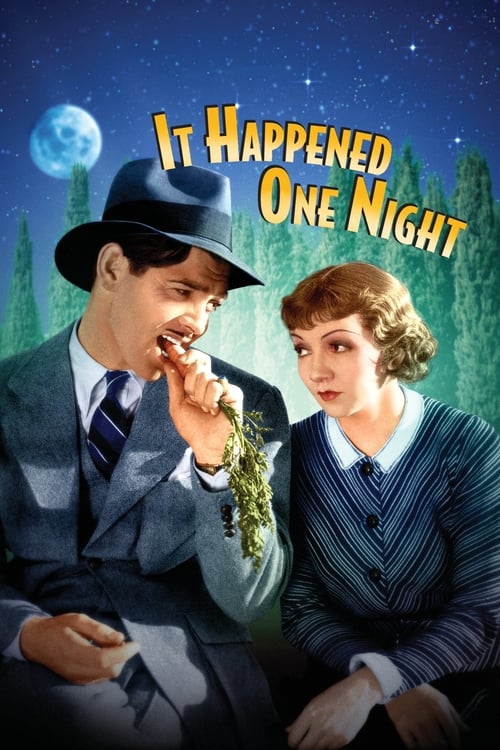
Thus this wise and charming live-action cartoon evokes the bittersweet moments of childhood where the two youngsters fling themselves into an adventure of their own making filled with fights, captures, escapes and even a ersatz wedding right up there with “It Happened One Night” for on-the-road romance.
Advertisement
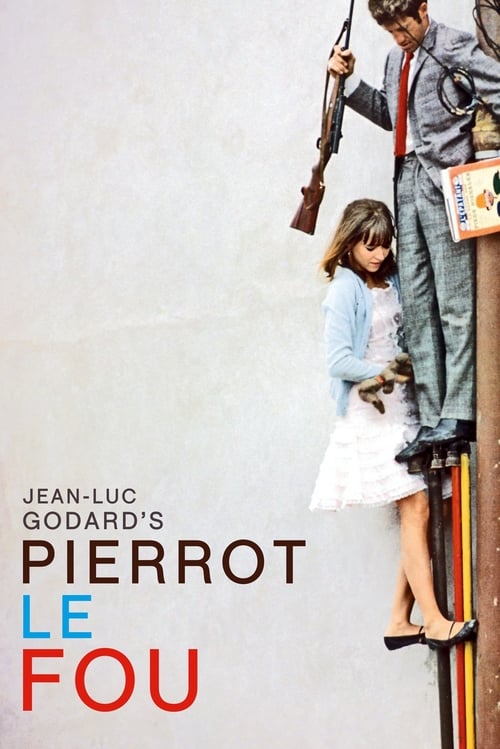
The fable is a peewee reworking of Summer with Monika set in the year of Pierrot le Fou, acted out by a moon-faced, lisping boy who resembles Sartre in a coonskin-cap and a grave nymphet whos forever bringing binoculars to her raccoon eyes.
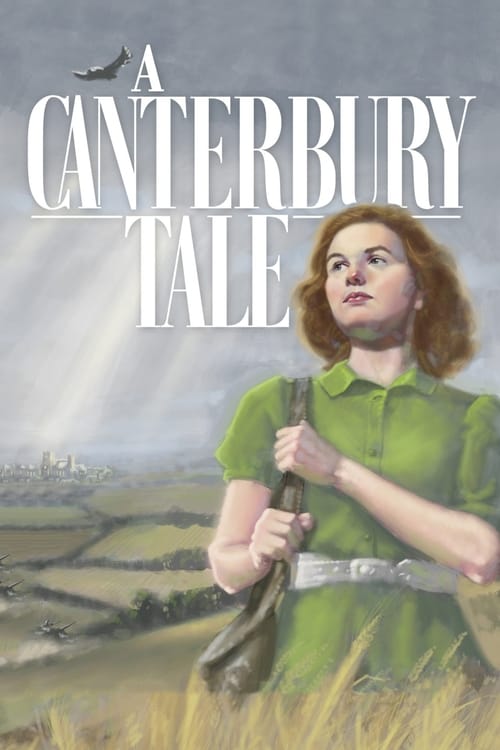
The duo's " The Red Shoes ," " I Know Where I'm Going! ," " A Canterbury Tale " and so many more were examples of what Powell called "the composed film," a movie in which each element was worked out to meticulously mesh with the other, a movie in which all of the art forms that inform movies -- painting, music, theater, sculpture, the whole lot -- are brought to bear with equal emphasis, a movie in which the contours of the real and the fantastic rub freely against each other to produce ... well, hopefully a kind of aesthetic alchemy.
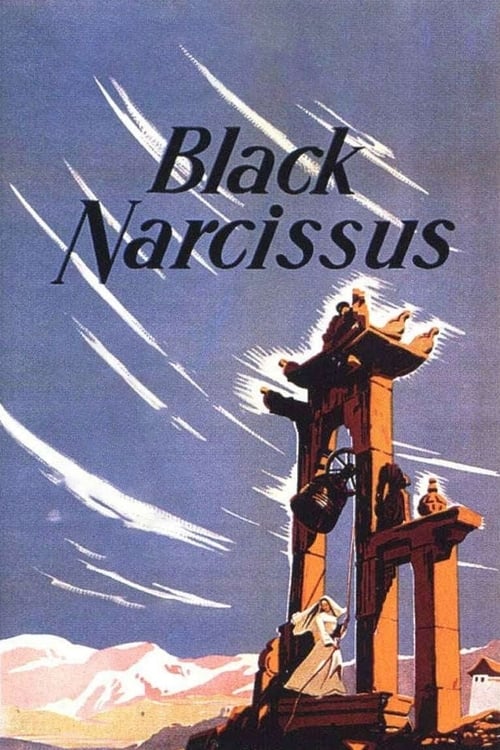
Their “Black Narcissus” comes to mind when the island is scoured for the runaway kids in a medium-long tableau of three figures that includes a barefoot nun in a knee-length white shift: who is she, why is she dressed so formally and so casually?

The duo's " The Red Shoes ," " I Know Where I'm Going! ," " A Canterbury Tale " and so many more were examples of what Powell called "the composed film," a movie in which each element was worked out to meticulously mesh with the other, a movie in which all of the art forms that inform movies -- painting, music, theater, sculpture, the whole lot -- are brought to bear with equal emphasis, a movie in which the contours of the real and the fantastic rub freely against each other to produce ... well, hopefully a kind of aesthetic alchemy.
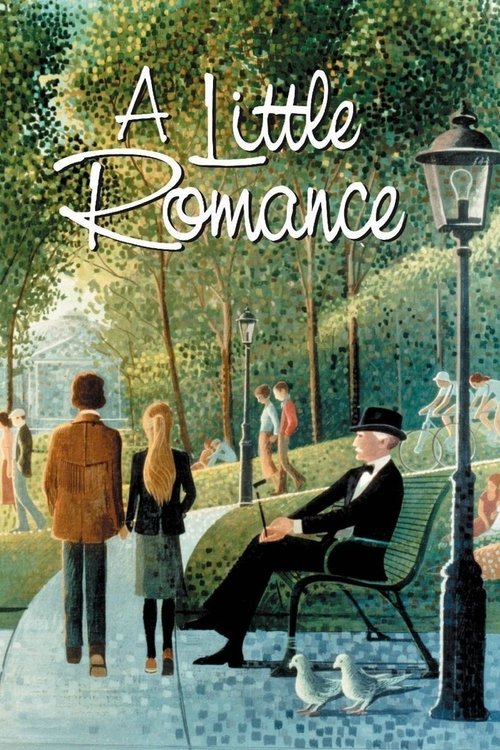
There have been any number of films over the years following a couple of precociously young children falling in love in a disarmingly adult manner (at least tonally)--there was a particularly delightful one from George Roy Hill entitled "A Little Romance" with a then-unknown and impossibly young Diane Lane as the girl and Laurence Olivier as the avuncular old guy who helps them along the way.
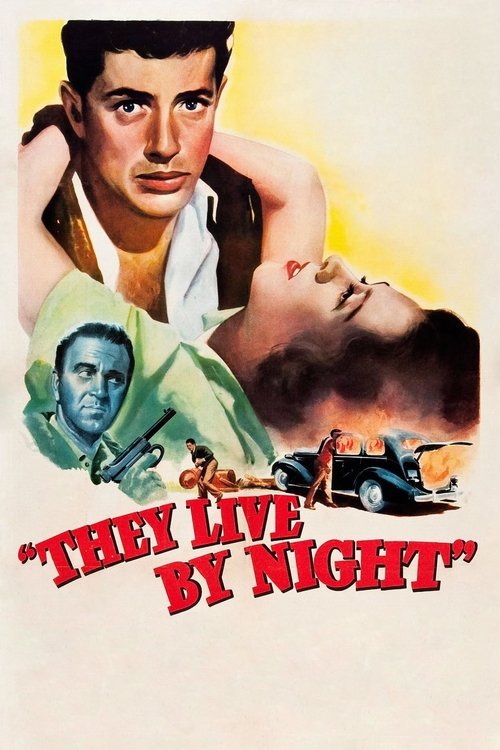
In his Hollywood Reporter review, Todd McCarthy describes the movie’s plot as “They Live by Night with 12-year-olds.”
Information comes at us in a fashion formal yet berserk: the cast includes a welter of stylish performers from all manner of styles, and they mesh beautifully.The two dutiful, beautiful newcomers, Jared Gilman and Kara Hayward, fully inhabit the story of Sam and Suzy, who, like the lovers of Nick Ray’s “They Live By Night,” “this boy and this girl were never properly introduced to the world we live in.”
On one level, this is They Live by Night with 12-year-olds: No one understands Suzy at home, and Sam suddenly has been disowned by foster parents, leaving him facing the severe ministrations of Social Services (Tilda Swinton) -- that's her name, not a bureaucracy.
Advertisement
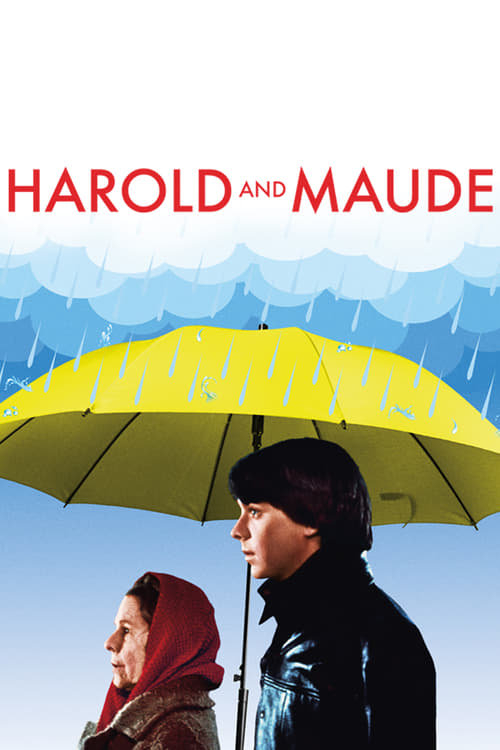
Other than Anderson’s own oeuvre, Moonrise Kingdom best recalls Harold and Maude as an offbeat romance of two plain-spoken lovers against the world.

First we meet the Bishop family through a perpendicular tracking shot: a roomful of children listen to a record that introduces all the instruments of the orchestra, a la Peter and the Wolf.