
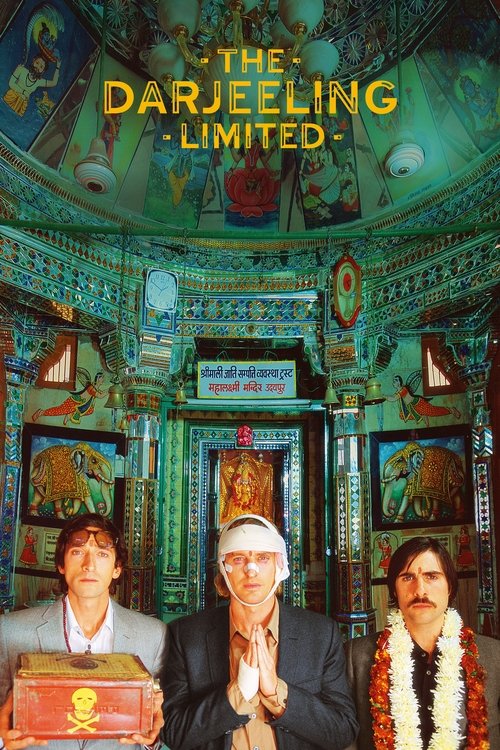
The Darjeeling Limited (2007)
Directed by Wes Anderson
Three American brothers who have not spoken to each other in a year set off on a train voyage across India with a plan to find themselves and bond with each other -- to become brothers again like they used to be. Their "spiritual quest", however, veers rapidly off-course (due to events involving over-the-counter pain killers, Indian cough syrup, and pepper spray).
14 connections found
View:
14 films that influenced The Darjeeling Limited
What critics say influenced The Darjeeling Limited
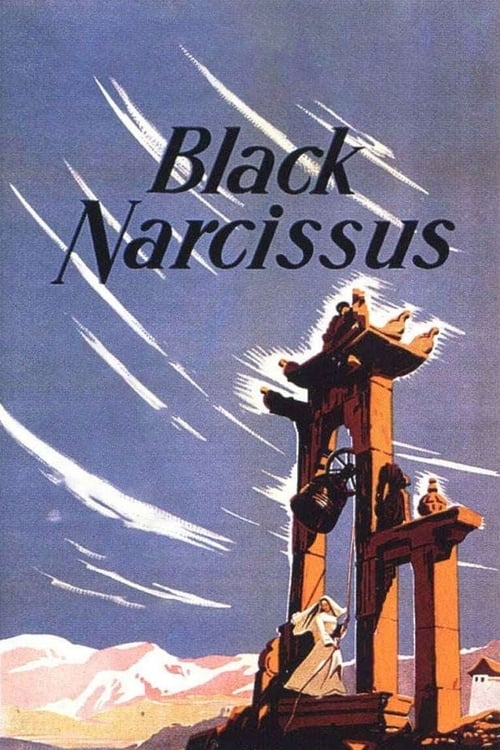


The vehicle for their reunion is the title railroad line, which will take them from the trauma of their father’s death a year before to the Black Narcissus–like convent to which their mother (Anjelica Huston) long ago fled.
He also wants the brothers to visit their mother (Anjelica Huston), who has gone off to be a nun in a "a convent in the foothills of the Himalayas," like Deborah Kerr in "Black Narcissus."
He hands out detailed daily schedules prepared by an alopecia-afflicted research assistant who's travelling in another carriage, and also has a secret agenda: to find the trio's mother – played, of course, by Anjelica Huston – who has become a Catholic nun and moved to a remote convent in the Himalayas (echoes here of Powell and Pressburger's Black Narcissus are just one from the usual Anderson crop of cinematic and cultural references).
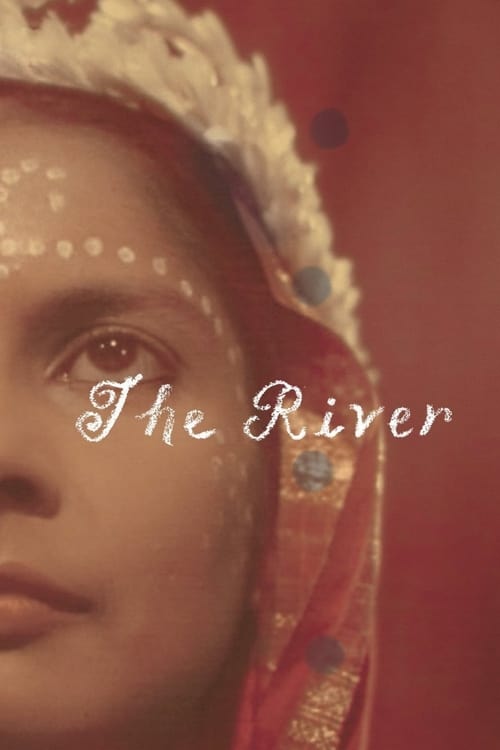
Anderson, who had never set foot in India before embarking on the film, was inspired by Jean Renoir's The River and the films of Indian master Satyajit Ray.
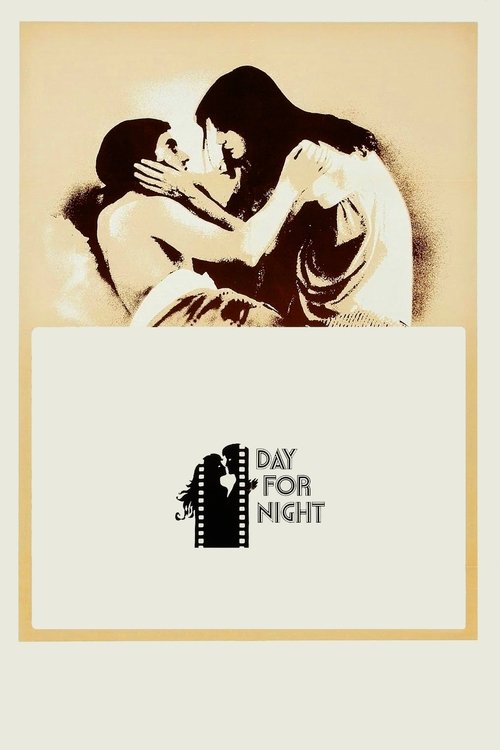
He was praised over the moon for an American Express commercial that was nothing more than a clever homage to Francois Truffaut's Day For Night.
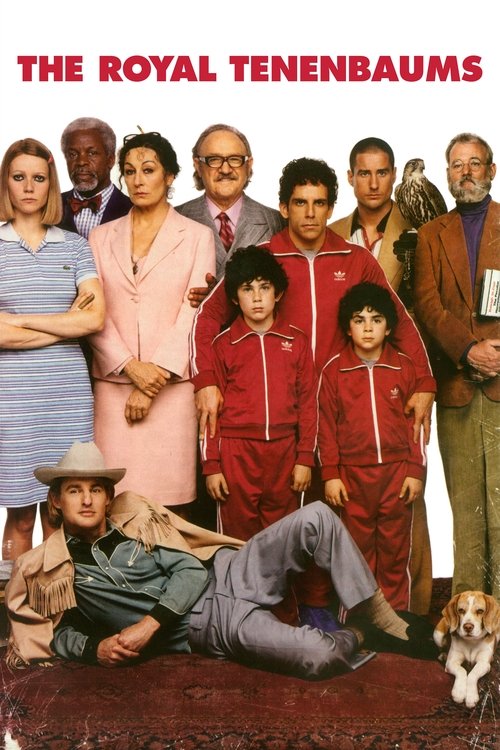
Rushmore, The Royal Tenenbaums, and The Life Aquatic struck me as hermetically sealed excursions into the angst and milieus of privileged kids and their parents, elegantly designed as rooms in a fancy dollhouse.
But its organizer, the Film Society of Lincoln Center, also has a history of supporting filmmakers whom it helps discover, and Anderson became one of its faves with the genuine festival gems "Rushmore" and "The Royal Tenenbaums."
OK, so his first feature Bottle Rocket (1996) leaves me a bit cold, but Rushmore (1998), The Royal Tenenbaums (2001) and The Life Aquatic With Steve Zissou (2004) are among my favorite films of recent years—especially Life Aquatic, which I think is one of the great bittersweet comedies of all time.
Anderson’s films -- particularly his most recent before this, The Life Aquatic with Steve Zissou and The Royal Tenenbaums -- are sometimes “accused” of being “intellectual,” as if there were something wrong with being brainy.
The mastermind behind such titles as “The Life Aquatic With Steve Zissou,” “The Royal Tenenbaums” and “Rushmore,” his next hatchling comes in the form of “The Darjeeling Limited” through the propensity of brotherly trio Jason Schwartzman, Adrien Brody and Owen Wilson.
Since his debut film, "Bottle Rocket," up through "Rushmore," "The Royal Tenenbaums" and "The Life Aquatic With Steve Zissou," he's plumbed the pains and pleasures of domestic life in crowded portraits of filial devotion and betrayal.
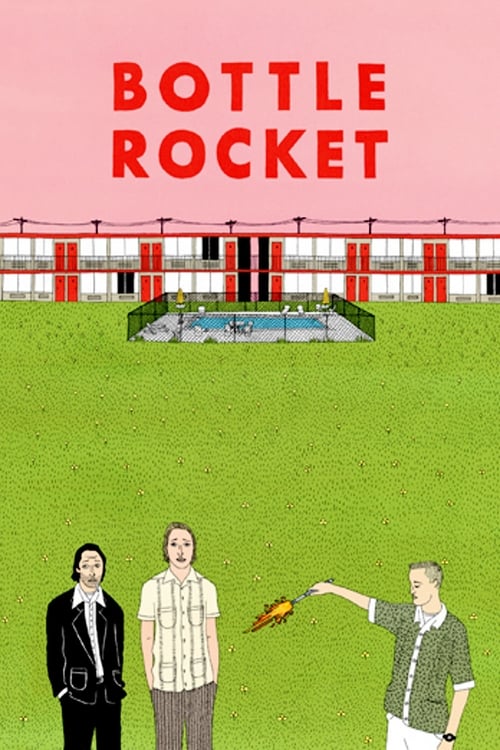
OK, so his first feature Bottle Rocket (1996) leaves me a bit cold, but Rushmore (1998), The Royal Tenenbaums (2001) and The Life Aquatic With Steve Zissou (2004) are among my favorite films of recent years—especially Life Aquatic, which I think is one of the great bittersweet comedies of all time.
Since his debut film, "Bottle Rocket," up through "Rushmore," "The Royal Tenenbaums" and "The Life Aquatic With Steve Zissou," he's plumbed the pains and pleasures of domestic life in crowded portraits of filial devotion and betrayal.
Anderson's films, going back to his 1996 debut,"Bottle Rocket," have been rewatchable, layered experiences that get better each time you see them, as you catch things you missed before.
This isn't the first time Anderson has played with the idea of social class and family in his films; from his very first, Bottle Rocket, which followed a group of friends while they attempt to stage a heist, although they don't need the money, to Rushmore (the relationship between a high school geek and a billionaire) to The Darjeeling Limited (in which three rich siblings try to find themselves and each other amidst spiritual poverty).
Owen Wilson as Francis: If your favorite Wilson character is Dignan from “Bottle Rocket,” then you’ll be treated to a milder version with Francis.
This brute fact -- relayed by the metaphor of a man missing a train in a breakneck opening sequence -- is the greatest distinction between "The Darjeeling Limited" and writer-director Wes Anderson's previous depictions of precocity, melancholy and eccentricity: "Bottle Rocket," "Rushmore," "The Royal Tenenbaums" and "The Life Aquatic."
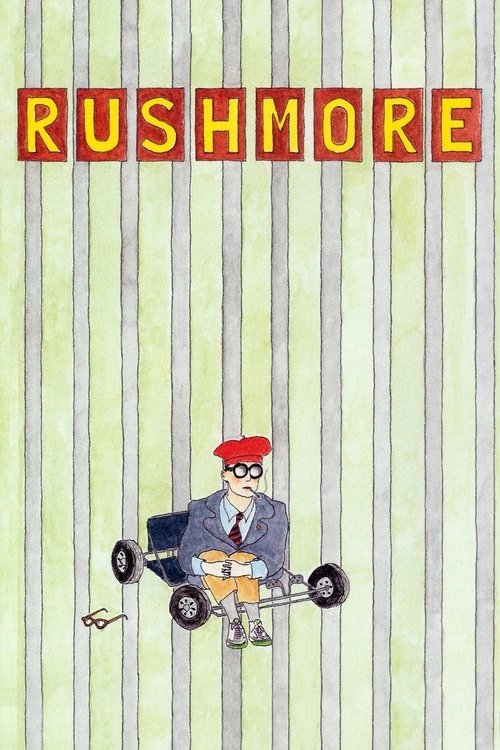
Rushmore, The Royal Tenenbaums, and The Life Aquatic struck me as hermetically sealed excursions into the angst and milieus of privileged kids and their parents, elegantly designed as rooms in a fancy dollhouse.
But its organizer, the Film Society of Lincoln Center, also has a history of supporting filmmakers whom it helps discover, and Anderson became one of its faves with the genuine festival gems "Rushmore" and "The Royal Tenenbaums."
OK, so his first feature Bottle Rocket (1996) leaves me a bit cold, but Rushmore (1998), The Royal Tenenbaums (2001) and The Life Aquatic With Steve Zissou (2004) are among my favorite films of recent years—especially Life Aquatic, which I think is one of the great bittersweet comedies of all time.
The mastermind behind such titles as “The Life Aquatic With Steve Zissou,” “The Royal Tenenbaums” and “Rushmore,” his next hatchling comes in the form of “The Darjeeling Limited” through the propensity of brotherly trio Jason Schwartzman, Adrien Brody and Owen Wilson.
Since his debut film, "Bottle Rocket," up through "Rushmore," "The Royal Tenenbaums" and "The Life Aquatic With Steve Zissou," he's plumbed the pains and pleasures of domestic life in crowded portraits of filial devotion and betrayal.
"The Darjeeling Limited" can't compare to Anderson's previous masterworks, "Rushmore" and "The Royal Tenenbaums."
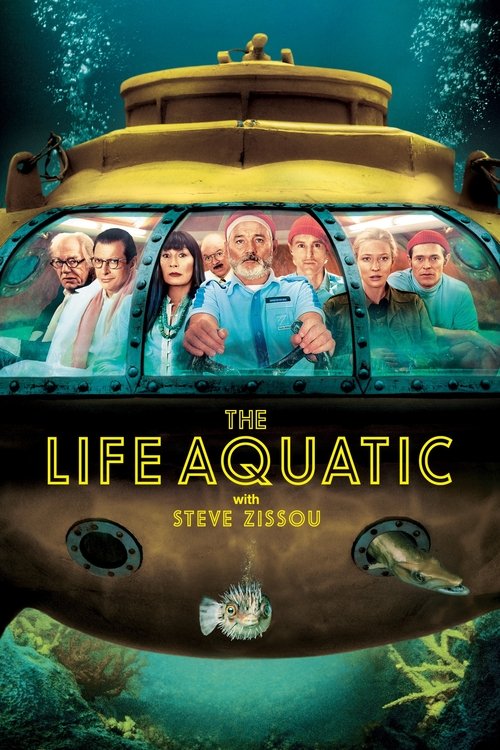
The thwarted rider is Bill Murray, an Anderson regular and title star of his previous film The Life Aquatic With Steve Zissou.
"The Darjeeling Limited," a slapstick comedy about three brothers traveling through India (or is it Ishtar?), is marginally better than Anderson's last film, "The Life Aquatic With Steve Zissou," but that hardly makes it opening-night fodder.
OK, so his first feature Bottle Rocket (1996) leaves me a bit cold, but Rushmore (1998), The Royal Tenenbaums (2001) and The Life Aquatic With Steve Zissou (2004) are among my favorite films of recent years—especially Life Aquatic, which I think is one of the great bittersweet comedies of all time.
The mastermind behind such titles as “The Life Aquatic With Steve Zissou,” “The Royal Tenenbaums” and “Rushmore,” his next hatchling comes in the form of “The Darjeeling Limited” through the propensity of brotherly trio Jason Schwartzman, Adrien Brody and Owen Wilson.
Since his debut film, "Bottle Rocket," up through "Rushmore," "The Royal Tenenbaums" and "The Life Aquatic With Steve Zissou," he's plumbed the pains and pleasures of domestic life in crowded portraits of filial devotion and betrayal.
Advertisement

Which is just as spryly played a conceit as you’d expect from Anderson -- who cowrote the script with Schwartzman and Roman Coppola ( CQ ); he plays the smartly ticklish concept as ingeniously philosophical: How can a train get lost?
Co-written with Roman Coppola ("CQ") and actor Jason Schwartzman, who made his film debut ten years ago in Anderson's second movie "Rushmore," the story uses India in a similar way as the "The Life Aquatic" used an underwater world populated by animated creatures, but it's grounded more firmly in reality, something which does better justice to what is stronger original material.
The screenplay, co-written by under-appreciated Roman Coppola ( CQ ), indulges in trademark Anderson attention to the idiosyncratic; after a surprising turn in the second half, however, the film successfully goes much deeper.
But it’s those tracks that we’re all on that trip us up and take us places we didn’t realize we were headed, and the brothers all latch onto the inadvertent wisdom of Francis’s lackey (Wallace Wolodarsky: Seeing Other People ), who announces, after the accidental detour as the train crew pores over maps, that “we haven’t located us yet.”

This is the ungiving, benign neo-colonialism that Albert Brooks mocked (and was inescapably a part of) in Looking for Comedy in the Muslim World .
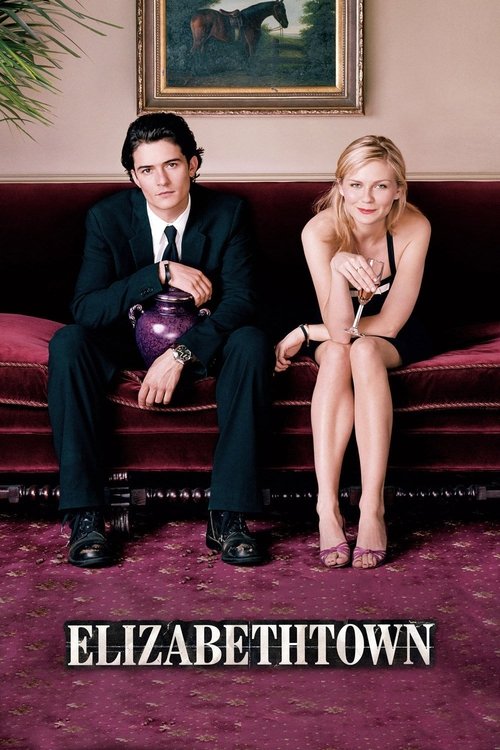
This, unfortunately, can sometimes be a trap, as evidenced by Cameron Crowe's ambitious but uneven Elizabethtown where too many scenes were meticulously crafted to be poignant or poetic, while few others served the characters and story in a direct, unpretentious way.
Advertisement
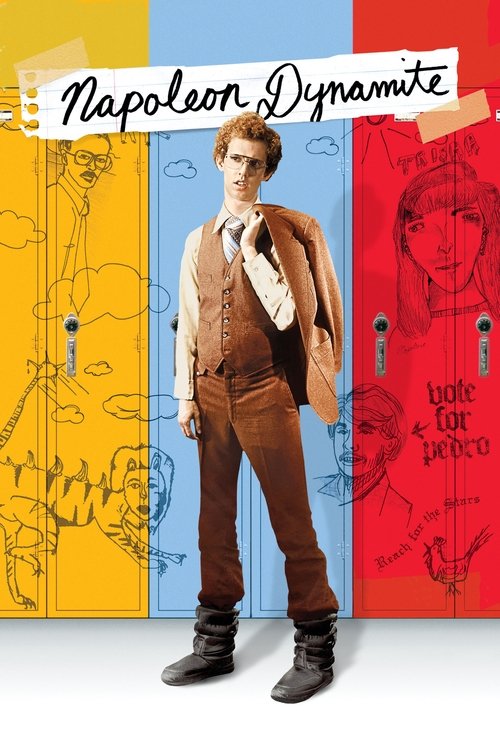
It’s nice that he made that decision because that feeling of alienation he creates with his shots (as mimicked/stolen in other films like Napoleon Dynamite) would not have fit with the tone and themes of this movie.
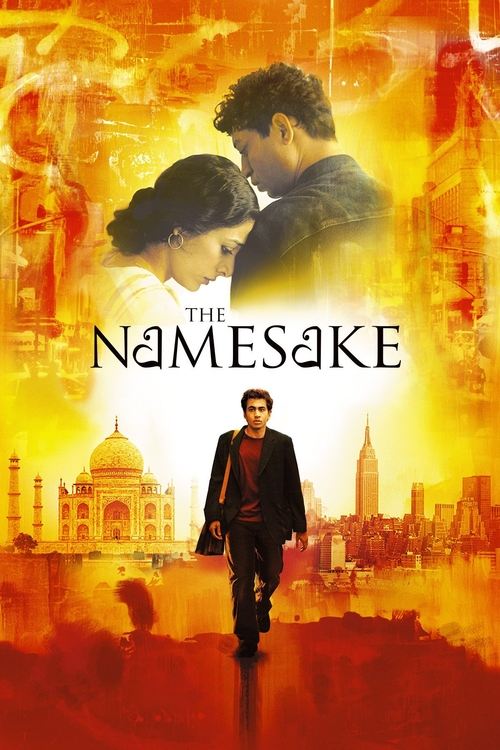
Yes, that's Irrfan Khan as the father, and watching him, I couldn't help but think of another 2007 movie that started in India on a train, Mira Nair's "The Namesake," and its accounting of what this kind of loss really means to family.