
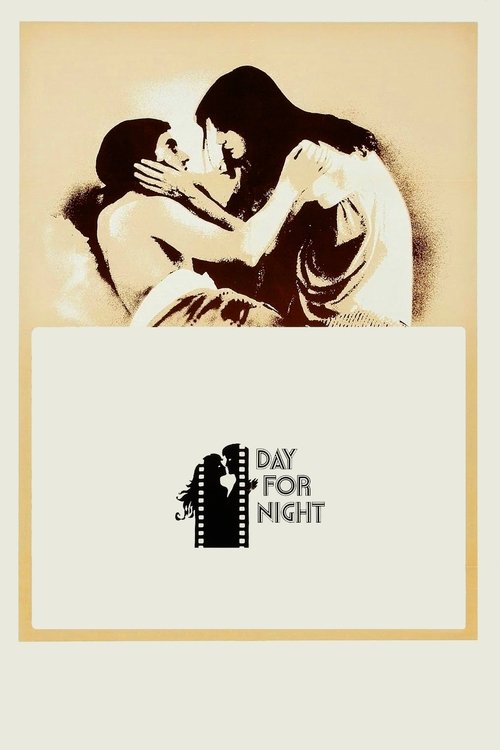
Day for Night (1973)
Directed by François Truffaut
A committed filmmaker struggles to complete his latest project while coping with a myriad of crises, personal and professional, among the cast and crew.
10 connections found
View:
10 connections, in both directions
What critics compared Day for Night to




There he plays an idealized version of himself based on his heroes, most obviously Truffaut, since the commercial is an homage to Day for Night.

He was praised over the moon for an American Express commercial that was nothing more than a clever homage to Francois Truffaut's Day For Night.

As a film about filmmaking, it even rivals “Le Mépris” (Godard has had a clear influence on Coppola's use of color) and Truffaut's “Day For Night” (with which it shares a similar joie de vivre).

The film is not a valentine to film-making in the same way that Francois Truffaut delivered one with “Day for Night.”

The love of movies is, of course, a key to Scorsese’s own heart, and like the sequence of famous film kisses in Cinema Paradiso, or the behind-the-scenes secrets of Day For Night, Hugo is an emotional, irresistible reminder of why we adore the human yet wizardly world of the movies.
Advertisement

Nearly 50 years have now passed since Truffaut’s Day for Night (and for that matter Jonathan Culler’s Structuralist Poetics ), and here we are again with a film which has a lot to say about films and filmmaking – with bells on.
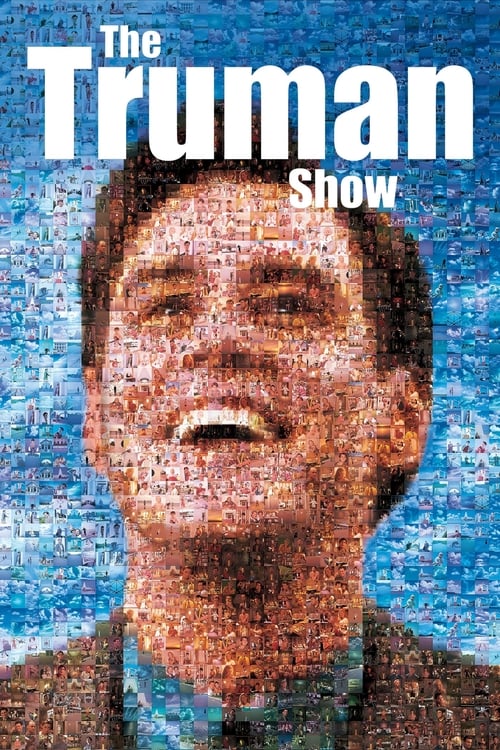
Somehow like in Truffaut’s “La Nuit Américaine” (“Day for Night”), we can see what happens behind the scenes as we watch the film.

They can be comedic (Singin’ in the Rain, Day for Night), personal (The Fabelmans, 8/12), reflective (Sullivan’s Travels, Stardust Memories), acerbic (The Player, Sunset Boulevard)…

Early scenes have a fun, Day for Night-via-Bugsy Malone feel, briskly delineating key personnel: chubby, loud-mouthed director Charles (Riley Griffiths); sensitive, just-bereaved make-up artist Joe (Joel Courtney); and lead actress Alice (Elle Fanning), slightly older than the boys, trailing crushes in her wake.
Advertisement
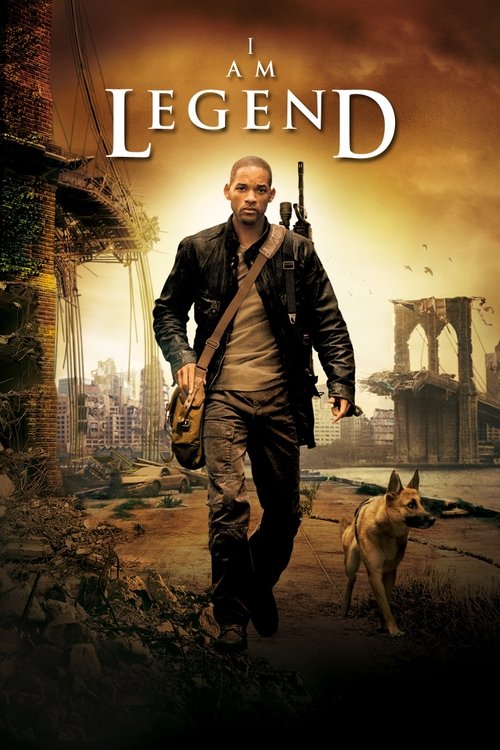
Instead of terrifying us from the get-go with all the panic and evacuation, Lawrence and editor Wayne Wahrman sprinkle it throughout (in probably some bit of Day For Night irony that was funny to the two of them) as dream sequences meant to wake us up with noise displacing the far eerier quiet that�s supposed to be weighing on Robert�s psyche.