
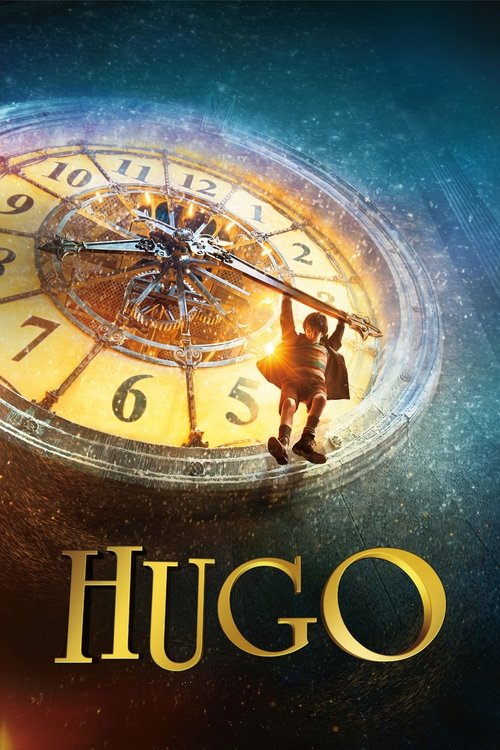
Hugo (2011)
Directed by Martin Scorsese
Orphaned and alone except for an uncle, Hugo Cabret lives in the walls of a train station in 1930s Paris. Hugo's job is to oil and maintain the station's clocks, but to him, his more important task is to protect a broken automaton and notebook left to him by his late father. Accompanied by the goddaughter of an embittered toy merchant, Hugo embarks on a quest to solve the mystery of the automaton and find a place he can call home.
48 connections found
View:
48 films that influenced Hugo
What critics say influenced Hugo
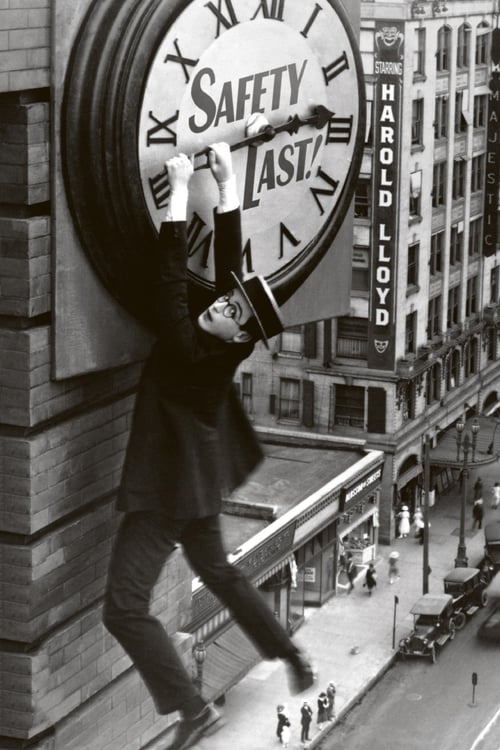


He also infuses numerous scenes with echoes of famous silent films: Harold Lloyd dangling precariously from a clockface in Safety Last! (1923) is recreated when Hugo must climb onto the giant clock outside the station to avoid being discovered by the Station Inspector, and while a dream sequence in which Hugo sees a spectacular train crash is based on the famous 1895 derailment of the Granville–Paris Express, it also echoes the early cinema’s obsession with trains, whether they be arriving in stations, purposefully colliding, or functioning as vehicles for the camera to capture a direct view of the onrushing scenery.
Isabelle has never been allowed to see movies so Hugo decides to fix that and sneaks her into a showing of the film, Safety Last!, famous for its scene of Harold Lloyd dangling from a giant clock face.
The extended thrill sequence builds to one of the silent cinema’s most iconic images, as Lloyd dangles from the hands of the store’s clock, his life spared by the machinations of time (a flashbulb moment sufficiently resonant to anchor the promotional campaign for Martin Scorsese’s “Hugo” some 90 years later).
Safety Last! is the movie that contains the infamous clock scene, tributed by Back to the Future and recently in Martin Scorsese’s wonderful silent-film love letter Hugo, and it stands as Lloyd’s best-known movie.
There are passing tributes to Buster Keaton (seen in a beautifully restored clip from The General ) and Harold Lloyd (whose famous dangling stunt work in the 1923 Safety Last! is echoed in a scene featuring Hugo in peril high atop the station clock tower).
The film is full of visual spectacle, from the towering citadel of the station's main clock with a panoramic view of the City of Lights (where Hugo has a harrowing climb to hide from Gustav that echoes the iconic image of Harold Lloyd dangling from hand of a clock in Safety Last!) to the courtyard of the toy maker's home guarded by statues of cloaked figure.
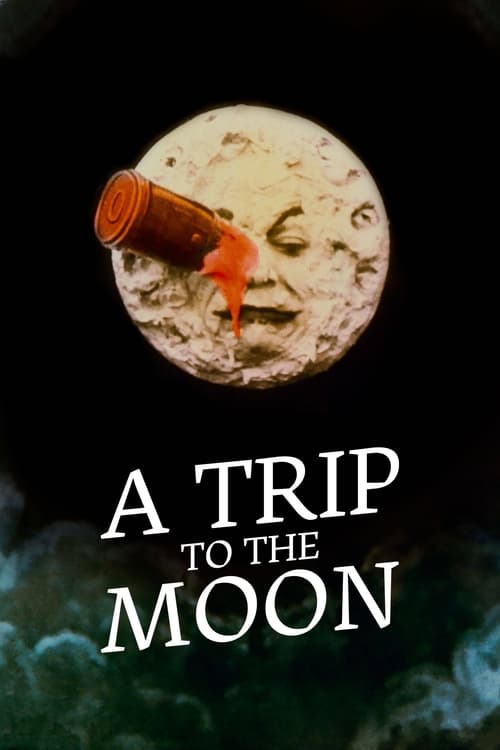
Anyone who marveled at Martin Scorsese's Oscar-winning Hugo, which partly told the story of Georges Méliès, got to see recreations of — and snatches from — the silent-film pioneer's most famous work, A Trip to the Moon.
Between the restoration debut at Cannes 2011 and the American Blu-ray/DVD release this week, Martin Scorsese’s “Hugo” was released, a love letter to the fantastical visions of George Méliès and the magic of silent cinema.
Scorsese clearly relished recreating scenes depicting the making of Melies' 14-minute 1902 landmark fantasy "A Trip to the Moon."
It's wonderful to think how young viewers of this film will react to footage from the amazing 1902 "A Trip to the Moon," an iconic French featurette in which a rocket ship hits the Man in the Moon squarely in the eye.
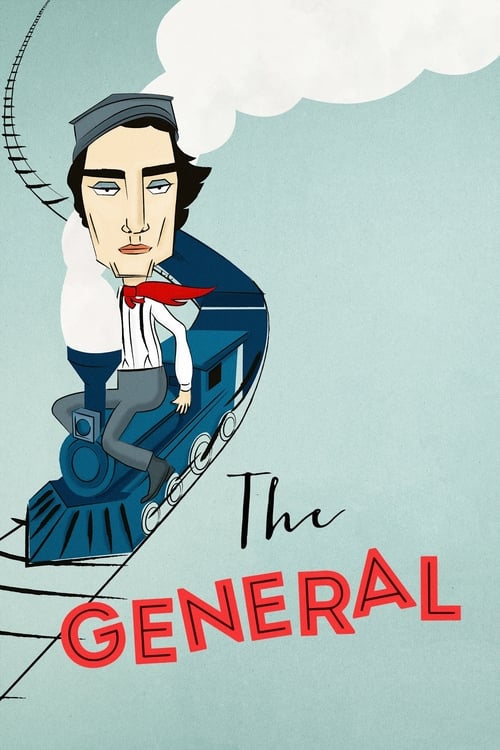
There are passing tributes to Buster Keaton (seen in a beautifully restored clip from The General ) and Harold Lloyd (whose famous dangling stunt work in the 1923 Safety Last! is echoed in a scene featuring Hugo in peril high atop the station clock tower).
What was revealing to me was the laugh from the audience when a critical scene from Keaton’s own 1926 classic “The General” flashed on the screen.
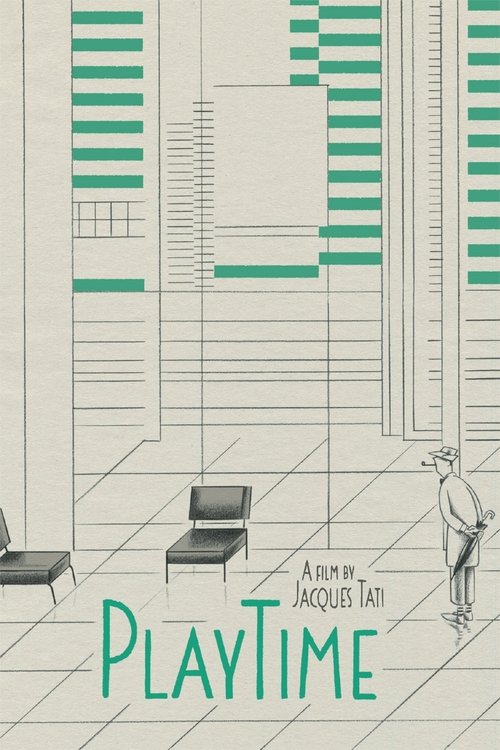
Scorsese has said that he found inspiration in the works of René Clair and Jean Vigo, but the most direct connection for the railroad depot scenes is the work of Jacques Tati, in particular Playtime.
Scorsese’s orchestration of the massive space inside the train station and its numerous inhabitants will likely call to mind Spielberg’s similar use of an airport in The Terminal (2004), although both harken back to the great Jacque Tati’s masterful modern comedy Playtime (1967).
Advertisement
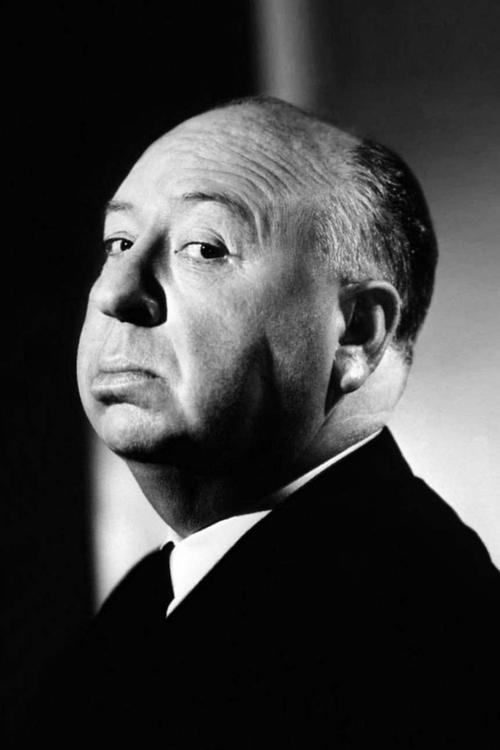
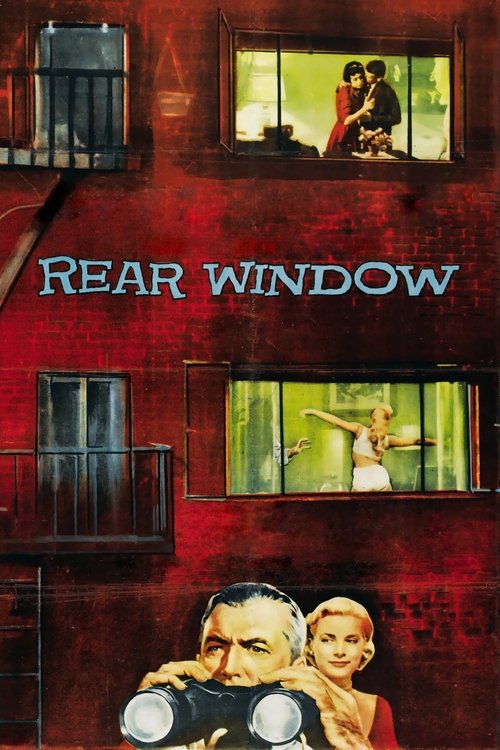
Echoes of Fritz Lang’s 1927 masterpiece Metropolis can be felt throughout these scenes while the various mini dramas that play out down on the platforms as witnessed by Hugo evoke Alfred Hitchcock’s 1954 film Rear Window .
Ever the connoisseur of world cinema, Scorsese is clearly channeling other filmmakers as well, particularly in his portrait of life in the railway station, which he treats like the courtyard in Hitchcock’s Rear Window (1954).
He's a crafty Dickensian orphan, a benign phantom of the opera, a blood brother of Quasimodo, a cinematic voyeur looking out on the world like the photographer in Hitchcock's Rear Window .
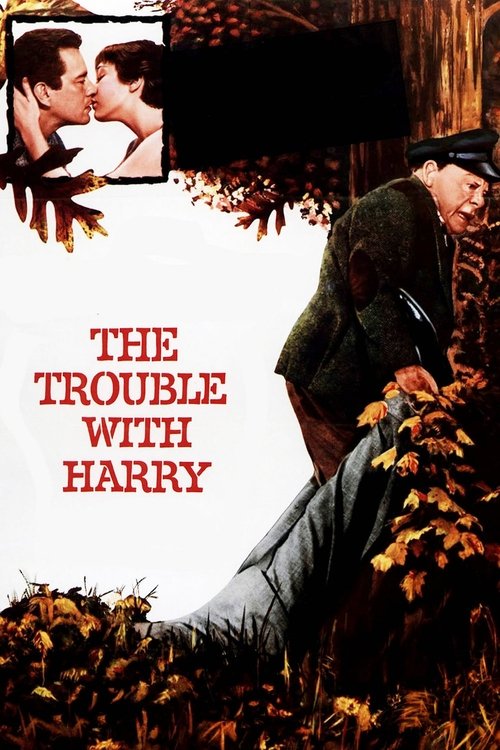
Following the death of his father in an unexplained museum fire, young Hugo is left in the care of a drunken, deadbeat uncle, who himself disappears and turns up dead (his corpse introduced à la The Trouble with Harry ), leaving him alone with nothing but the station’s clocks and a broken robot for company.
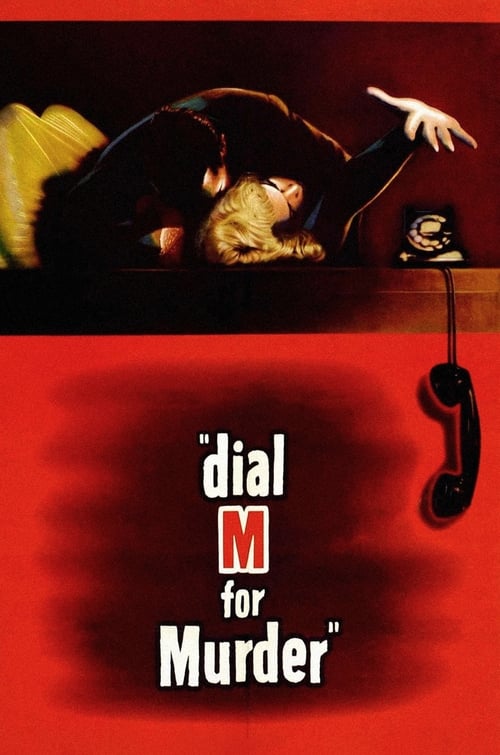
As to Hugo’s 69-year-old director, Martin Scorsese sends the pendulum back to the past via multiple eras: through the inception of cinema in the 1890s; through the teeming bustle of the life within the glorious train station, Gare Montparnasse, of the 1930s; and, calling on the filmmaker’s earliest fascination with 3D in the 1950s (Alfred Hitchcock’s Dial M for Murder and André de Toth’s House of Wax ), his pendulum reverses, sweeping over the present, delivering his impeccable take on modern 3D technology like nothing we’ve ever seen.
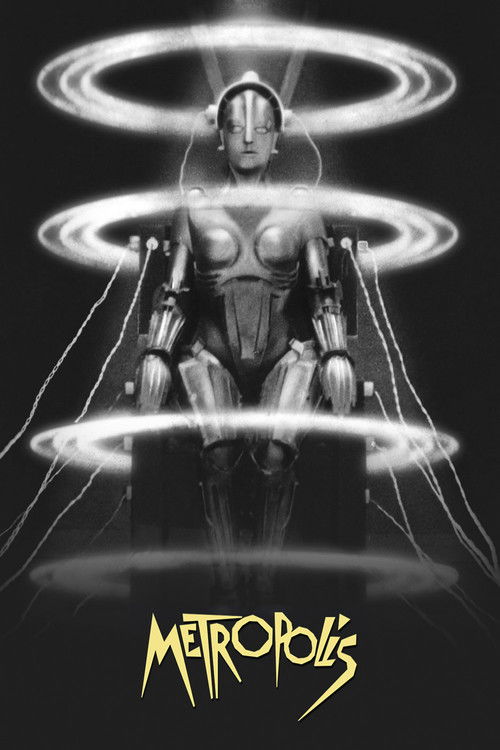
Echoes of Fritz Lang’s 1927 masterpiece Metropolis can be felt throughout these scenes while the various mini dramas that play out down on the platforms as witnessed by Hugo evoke Alfred Hitchcock’s 1954 film Rear Window .
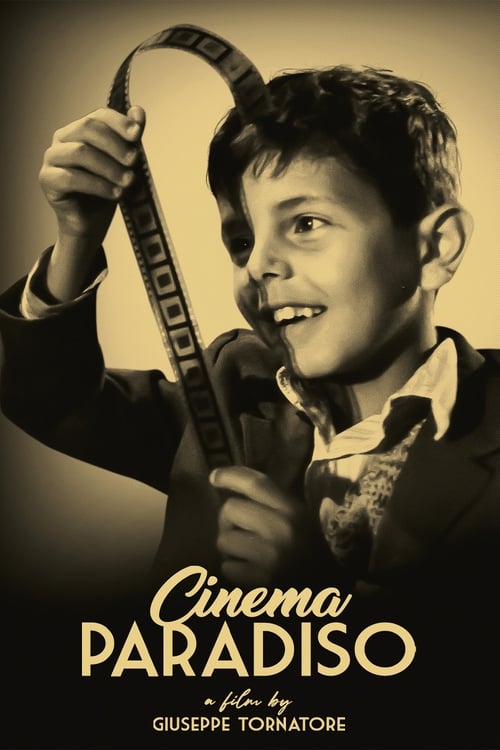
The love of movies is, of course, a key to Scorsese’s own heart, and like the sequence of famous film kisses in Cinema Paradiso, or the behind-the-scenes secrets of Day For Night, Hugo is an emotional, irresistible reminder of why we adore the human yet wizardly world of the movies.
In its own way, this is "Film Nerd 2.0: The Movie," and perhaps the most head-over-heels-in-love movie about movies since "Cinema Paradiso."
But once the “Cinema Paradiso”-esque celluloid nostalgia bits kick in, it makes total sense why he succumbed to paying lip service to family entertainment in order to make the movie he really wanted to make.
But, as a crazy mix of Cinema Paradiso, Cronos and David Copperfield it's unusually stimulating family fare.

What's rewarding in "Hugo" instead are the details - snow falling in 3D, the parallel between the automaton and the Inspector's faulty leg brace and the three generations of romance (the Inspector crushes on flower seller Lisette (Emily Mortimer, "Shutter Island") while Cafe owner Madame Emilie's (Frances de la Tour, "The History Boys") dachshund Schatzi wards off the attentions of Monsieur Frick (Richard Griffiths, "The History Boys")) - and even more importantly, its paean to silent cinema, the stuff of dreams where the very first film, "L'arrive D'un Train a la Ciotat," inspires a nightmare, Harold Lloyd haunts an escape sequence and an old master's lost works are found.
Advertisement
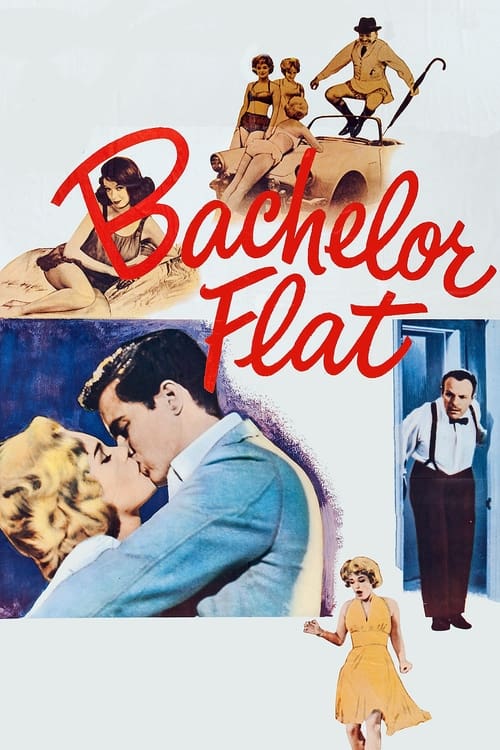
It may also be the niftiest use of a dog on the big screen since Frank Tashlin deployed a dachshund in CinemaScope in "Bachelor Flat" nearly 50 years ago.

But the technology here -- the best since "Avatar" -- enhances the themes as Scorsese guides us through the early days of special effects, including vintage moments of Harold Lloyd dangling from a clock tower in the silent film "Safety Last" to images of a speeding train that first-time audiences found frightening.
Before seeing “Hugo”, I admired from a far the use of 3D in films like “Avatar” or “Transformers: Dark of the Moon” because Michael Bay and James Cameron used 3D cameras.
This film is like a marriage of Avatar and A.I. Artificial Intelligence, but in that marriage, Scorsese was able to perfect what James Cameron and Steven Spielberg were not.
As well as an engaging fable about a homeless orphan living in a train station, Scorsese’s film is a richly illustrated lesson in cinema history and the best argument for 3-D since James Cameron’s Avatar.
Martin Scorsese’s Hugo is a near-masterpiece, a dazzling, magical mix of fantasy, drama and whimsy, enhanced by the most eye-popping and inventive rendering of 3D since James Cameron’s Avatar.