

Taika Waititi
183 connections found
View:
Connections, in both directions
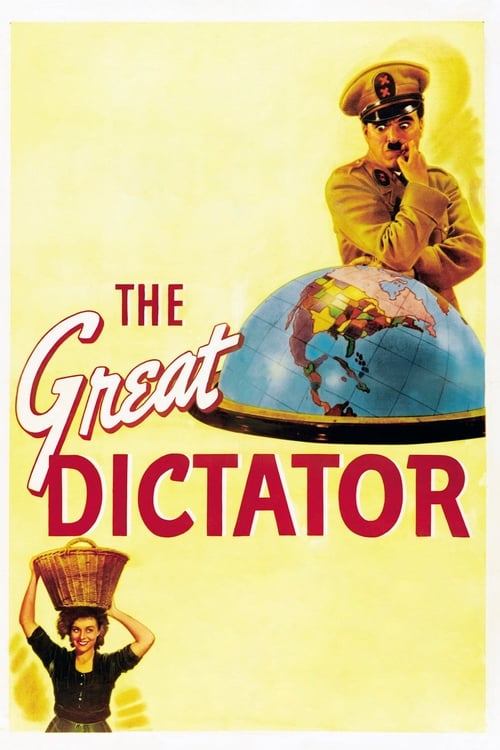
The Great Dictator (1940)
Directed by Charlie Chaplin
influenced Jojo Rabbit (2019)
Themes Characters


Movies like “The Great Dictator” and “To Be or Not to Be” have taken similar approaches and gone on to become revered comedy classics that still manage to pack a considerable comedic punch today.
Jojo Rabbit has been called many things – an anti-hate satire, as the poster and trailers proclaim; a descendant of Chaplin’s The Great Dictator; a misstep of catastrophic proportions comparable to Jerry Lewis’s The Day the Clown Cried.
Despite the efforts of the Third Reich, Nazi jokes are as old as Nazis, predating even Charlie Chaplin's pompous "Adenoid Hynkel" in 1940's The Great Dictator.
But of course, absurd as the idea may seem, some attempts to wring humor from the horrors of Nazi Germany have stood the test of time: Charlie Chaplin’s “The Great Dictator,” Ernst Lubitsch’s “To Be or Not To Be,” Mel Brooks’ “The Producers,” and Roberto Benigni’s “Life Is Beautiful,” to name a few.
Granted that Waitiki’s nutty version of the infamous German dictator does not have the same lofty legs of lunacy as witnessed by Mel Brooks’ impishly warped “Springtime for Hitler” nor does it compare to Charlie Chaplin’s Hitler knockoff, Adenoid Hynkel, from “The Great Dictator.”
Despite what Disney and Fox Searchlight's trailer marketing might lead you to believe, Taika Waititi's Jojo Rabbit is neither the quirky New Zealander's riff on Charlie Chaplin's The Great Dictator, nor the feature-length version of Mel Brooks' fake "Springtime for Hitler" musical from The Producers.
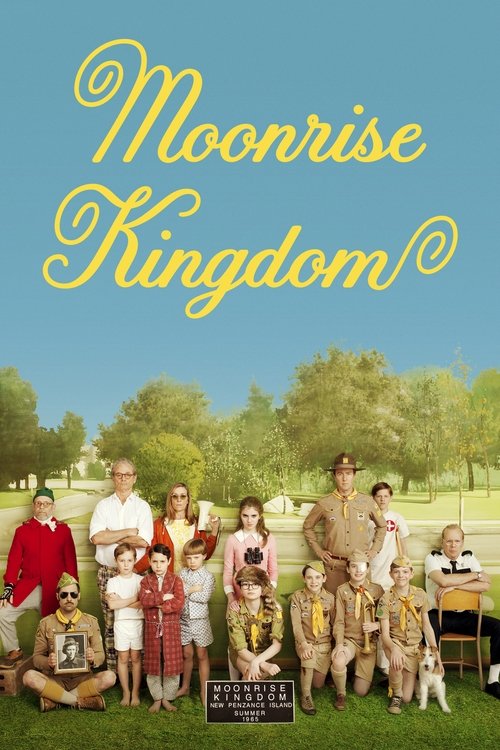
Moonrise Kingdom (2012)
Directed by Wes Anderson
influenced Jojo Rabbit (2019), Hunt for the Wilderpeople (2016)
Visuals Plot Themes
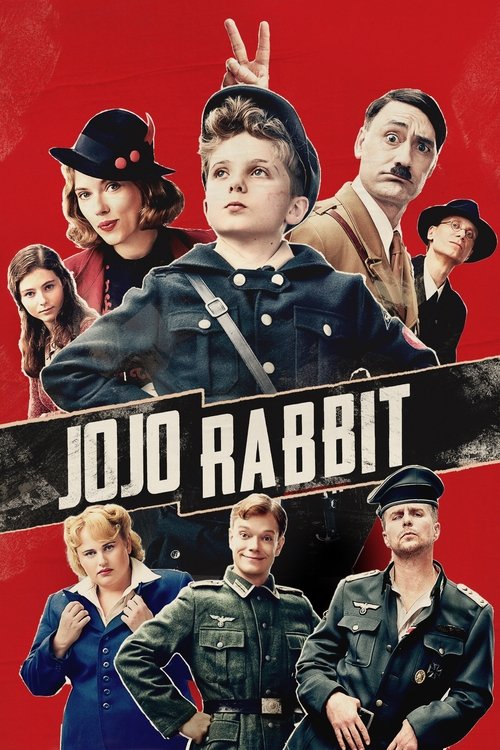
While attending a Hitler Youth camp — which looks like Moonrise Kingdom, except with white nationalists — Jojo suffers a grenade mishap and is forced to recuperate at home.
Comparisons have been made to Wes Anderson in general and "Moonrise Kingdom" in particular, but the similarities are mostly surface-deep.
And yet, at one point, the Jewish girl who has experienced his antagonism firsthand declares in a monologue that he isn’t a Nazi, and just a kid who likes to dress up and be part of a gang (coincidentally, fashioning the Hitler youth uniforms as a Moonrise Kingdom homage is a deeply unpleasant aesthetic choice).
Still, Jojo Rabbit is at its strongest when it serves as a Moonrise Kingdom flick—following Jojo and Elsa from their meeting to the waning days of the war.
But again, the parallels to Anderson's work (Moonrise Kingdom during the youth camp scenes, The Grand Budapest Hotel in its happy/sad critique of Nazism) are mostly surface-level, and Waititi settles fully into his own rhythm the further along Jojo Rabbit goes.
Jojo’s Hitler Youth brigade, uniformed and organized in the lighthearted tone of a scout troop from “ Moonrise Kingdom ,” is led by a trio of adults, Captain Klenzendorf (Sam Rockwell), Fred Finkel (Alfie Allen), and Fräulein Rahm (Rebel Wilson), who express virulent, over-the-top mockeries and hatreds of Jews and lead the boys in a monstrous ritual of cruelty.
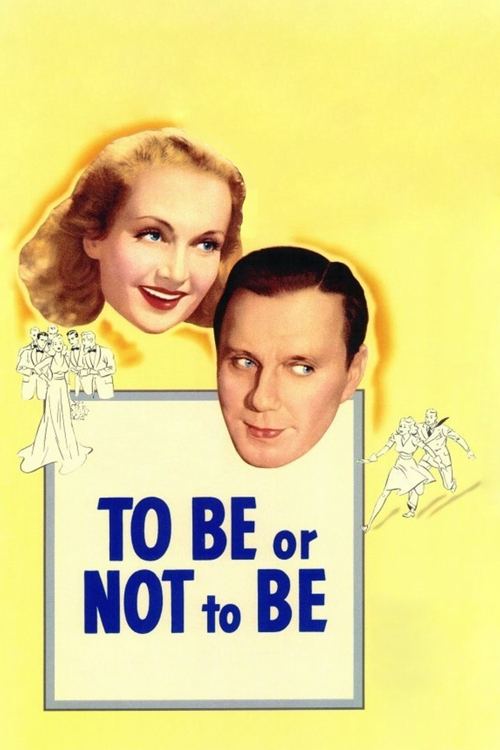
But of course, absurd as the idea may seem, some attempts to wring humor from the horrors of Nazi Germany have stood the test of time: Charlie Chaplin’s “The Great Dictator,” Ernst Lubitsch’s “To Be or Not To Be,” Mel Brooks’ “The Producers,” and Roberto Benigni’s “Life Is Beautiful,” to name a few.
(They needed it in their era, and got it, not least, in Hollywood, from the German-Jewish director Ernst Lubitsch, in the film “To Be or Not to Be.”) Today, making fun of Hitler and his minions is both easy and pointless, because he poses no threat; Waititi is kicking a dead bull.
Jojo Rabbit stands on the shoulders of other satires in film history like 1940’s The Great Dictator by Charlie Chaplin, and 1942’s To Be or Not to Be by Ernst Lubitsch, but there are ways in which the film approaches the subject of the holocaust and antisemitism in novel ways, not least in how it parallels the blind acceptance of bigoted, toxic ideas happening today.
Still, Brooks was only adding a brasher twist to what Chaplin had already done in The Great Dictator and Lubitsch in To Be or Not to Be.
Some of our greatest comedy directors, from Charles Chaplin (“The Great Dictator”) to Ernst Lubitsch (the brilliant “To Be or Not to Be”) to Mel Brooks (“The Producers”), have used der Fuhrer as a figure of fun, trying, perhaps, to make a monster more manageable by having a laugh at his expense.
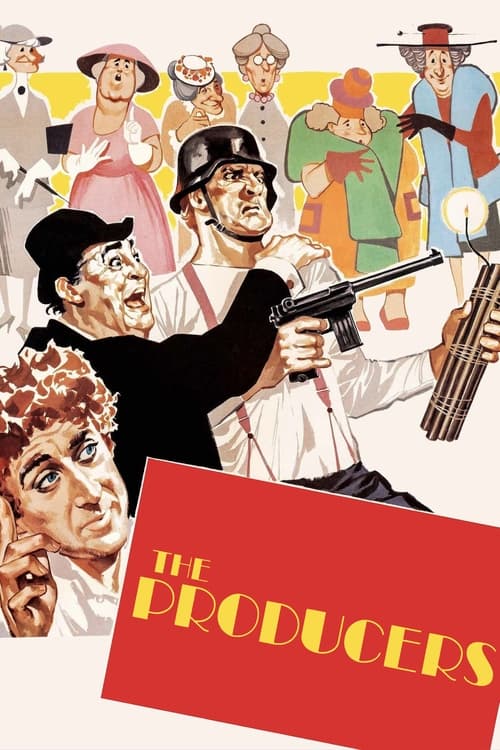
But of course, absurd as the idea may seem, some attempts to wring humor from the horrors of Nazi Germany have stood the test of time: Charlie Chaplin’s “The Great Dictator,” Ernst Lubitsch’s “To Be or Not To Be,” Mel Brooks’ “The Producers,” and Roberto Benigni’s “Life Is Beautiful,” to name a few.
But it’s been more than 50 years since Brooks & Co. first serenaded us with “Springtime for Hitler,” and it’s tough to imagine anyone taking the piss out of the Nazi Party better than The Producers.
Despite what Disney and Fox Searchlight's trailer marketing might lead you to believe, Taika Waititi's Jojo Rabbit is neither the quirky New Zealander's riff on Charlie Chaplin's The Great Dictator, nor the feature-length version of Mel Brooks' fake "Springtime for Hitler" musical from The Producers.
It isn’t as zany as Thor: Ragnarok.
When the MCU makes a very good movie, as they've done here, it is because it's either epic and spectacular, like "The Avengers," "Captain America: The Winter Soldier," "Captain America: Civil War" and "Black Panther"; or anchored by charismatic main characters who are likable, funny and inspiring, like the "Iron Man" and "Guardians of the Galaxy" series and "Thor: Ragnarok."
And while for me it didn’t quite hit the emotional heights of “ Black Panther ” and “ Wonder Woman ” (the DC Comics hit from 2017, also centered on a female warrior), or the irresistible wit of “ Thor: Ragnarok ,” it’s an appealing introduction.
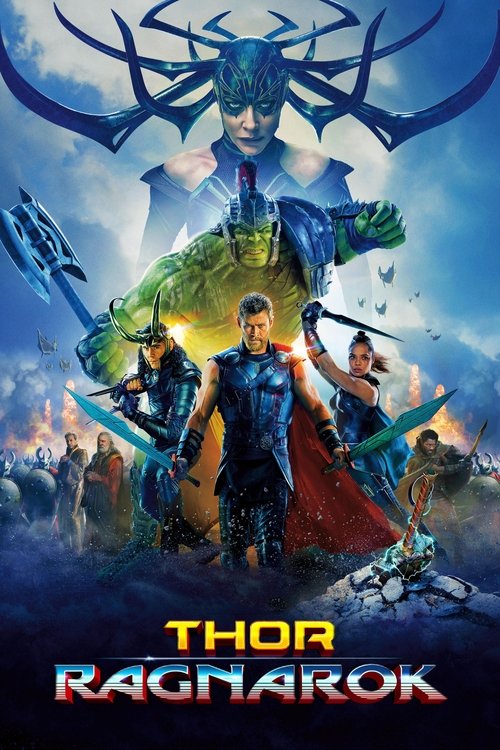
MCU movies often have a distinct style: Iron Man has the swaggering combo of Downey Jr and Favreau; Thor unravels with the Shakespearean penchant of Branagh; Thor: Ragnarok is built on the brazen peculiarity of Waititi.
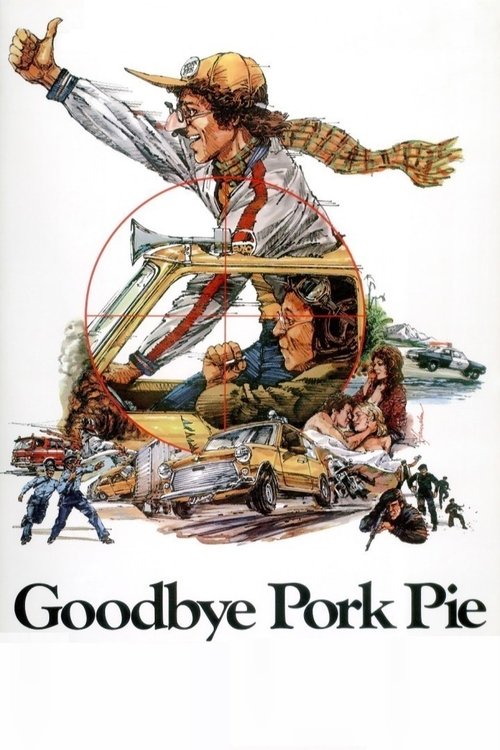
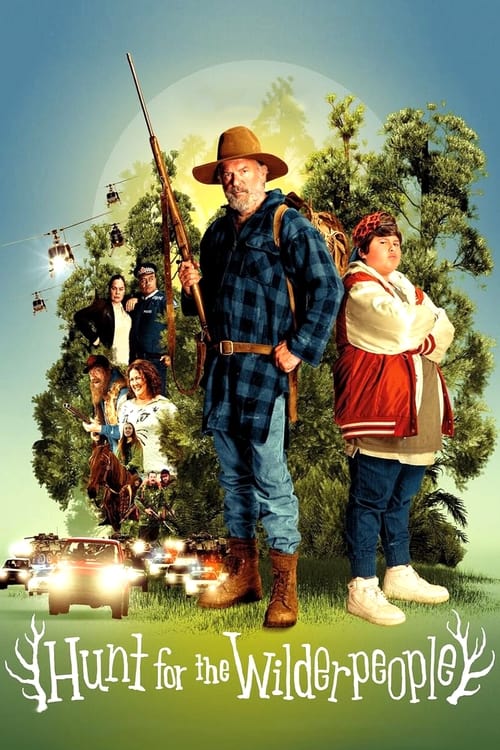
Remainder of the pic is a backwoods manhunt that’s both a salute to and gentle parody of several late 1970s-early ’80s Kiwi classics, with specific references not just to “Dogs” but also “Goodbye Pork Pie,” “Smash Palace” and more.
It's intriguing too that Neill, the man who who coined the term "cinema of unease", starts off the movie as if he's wandered in from Vincent Ward's Vigil into a laugh-out-loud movie that makes plenty of references to the crowd-pleasing Kiwi movies of the late 70s and 80s - like Sleeping Dogs (in which Neill got chased around the bush, as he is here) and Goodbye Pork Pie.
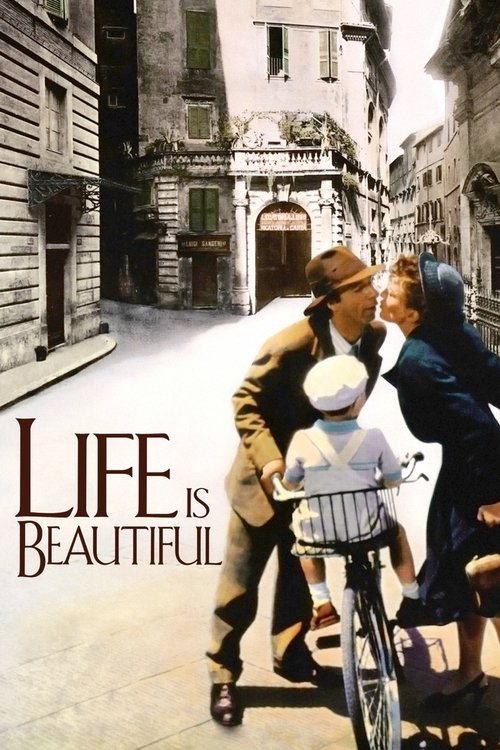
Oh sure, there have been a couple of examples of this particular brand of filmmaking that I have admired—John Boorman’s “Hope and Glory” and Steven Spielberg’s “Empire of the Sun” (especially its astounding first hour or so) immediately spring to mind—but those hardly begin to make up for such utter grotesqueries as “The Tin Drum,” “The Boy in the Striped Pajamas” and, of course, the more-appalling-than-ever “Life is Beautiful,” films that take the most horrific event of the 20th century and attempt to milk it for cheap sentiment and, hopefully, Oscar nominations from people who mistakenly assume that just because a movie involves a serious subject like the Holocaust, it must be serious as well and therefore worthy of consideration.
Sweetness and charm may not be the notes you want or expect in a movie about genocide and fascism, and there are times when the mood turns sticky and soft, straying a bit too close to the cloying kitsch of Roberto Benigni’s “Life Is Beautiful.”
But of course, absurd as the idea may seem, some attempts to wring humor from the horrors of Nazi Germany have stood the test of time: Charlie Chaplin’s “The Great Dictator,” Ernst Lubitsch’s “To Be or Not To Be,” Mel Brooks’ “The Producers,” and Roberto Benigni’s “Life Is Beautiful,” to name a few.
Thirty years later, Roberto Benigni won acting and foreign language feature statuettes for turning a concentration camp into a setting for a Chaplinesque dramedy in "Life Is Beautiful."
Charlie Chaplin's infamous moustache-and-slapstick humour poked fun at the Führer, while the Oscar-winning Life is Beautiful was accused by many of diminishing the suffering of Holocaust victims.
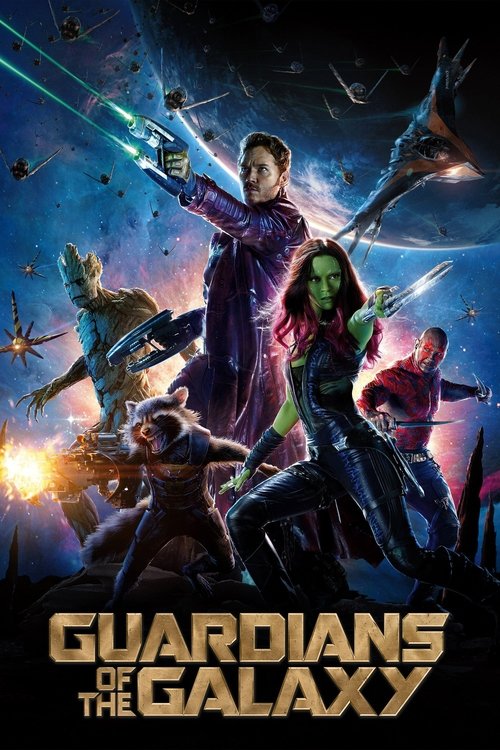
Guardians of the Galaxy (2014)
Directed by James Gunn
influenced Thor: Ragnarok (2017), Jojo Rabbit (2019), Thor: Love and Thunder (2022)
Themes Characters
Muchos no vieron las cintas neozelandesas del director o están desconectados de sus inicios, pero cualquiera que haya repasado consecuentemente su filmografía sabrá que, antes de grabar una de las cintas más divertidas del MCU (junto a Guardians of the Galaxy (2014) y Ant-Man (2015)), Waititi se dedicó a hacer comedias irreverentes, inocentes y llenas de carisma.
Yes, this latest "Thor" follows in the footsteps started by "Guardians of the Galaxy," "Deadpool," "Spider-Man: Homecoming," "Ant-Man" and "Doctor Strange" of not taking itself so damn seriously.
By digging into these weightier character issues without skimping on the comic relief, Waititi’s topsy-turvy ride into Thor’s homeworld of Asgard and the discontents it holds yields the best Thor movie in the series so far, and arguably the funniest Marvel movie in the studio’s cinematic universe too (at least until the next Guardians of the Galaxy comes out).
Ragnarok seems more self-aware than even Guardians of the Galaxy.
It’s a close cousin to “Guardians of the Galaxy,” a high-energy lark that occasionally makes time for monsters, battles, bloodletting and spectacular special effects.
And the decision to not set this film on Earth helps give it a slightly goofy, cosmic vibe which definitely evokes the "Guardians of the Galaxy" movies - right down to a mildly amusing, decidedly Groot-like character who teams up with the captive Thor.
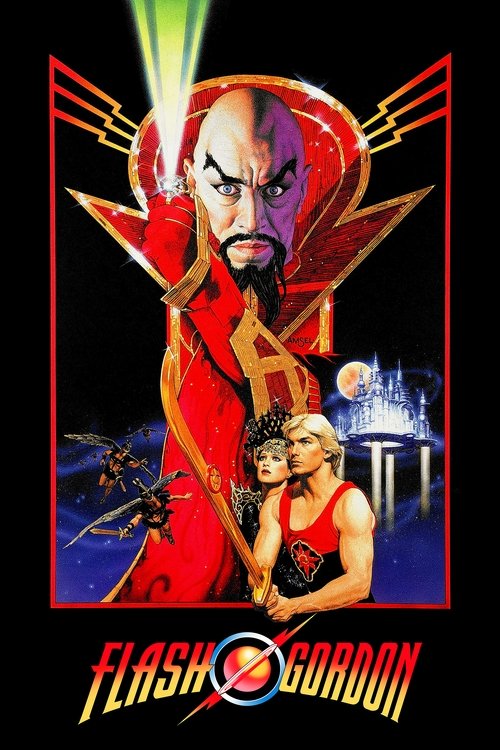
It somehow worked, thanks to Waititi’s gleeful B-movie energy that reminded me of the 1980s era of Flash Gordon.
Like Ragnarok before it, the film captures the cosmic essence of “Thor” creators Stan Lee, Larry Lieber, and Jack Kirby to the point that I feel fairly confident that a structure in an early scene is an homage to Flash Gordon (1980) (or vice versa).
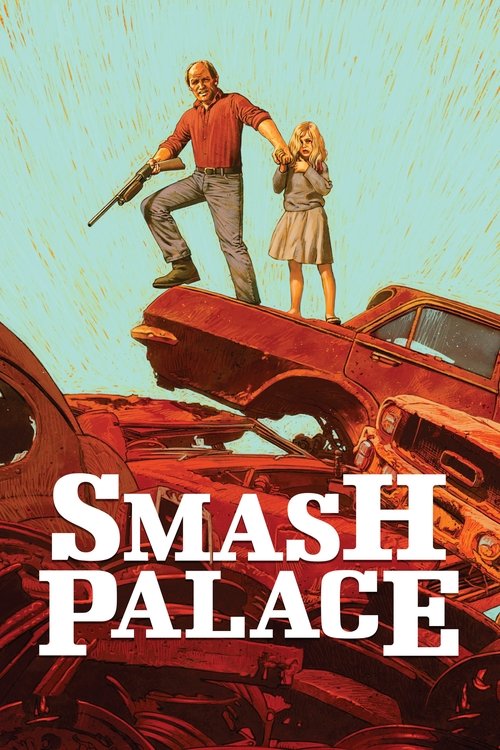
Remainder of the pic is a backwoods manhunt that’s both a salute to and gentle parody of several late 1970s-early ’80s Kiwi classics, with specific references not just to “Dogs” but also “Goodbye Pork Pie,” “Smash Palace” and more.
Though Wilderpeople does wind up somewhere that sure looks like Smash Palace, so maybe not.
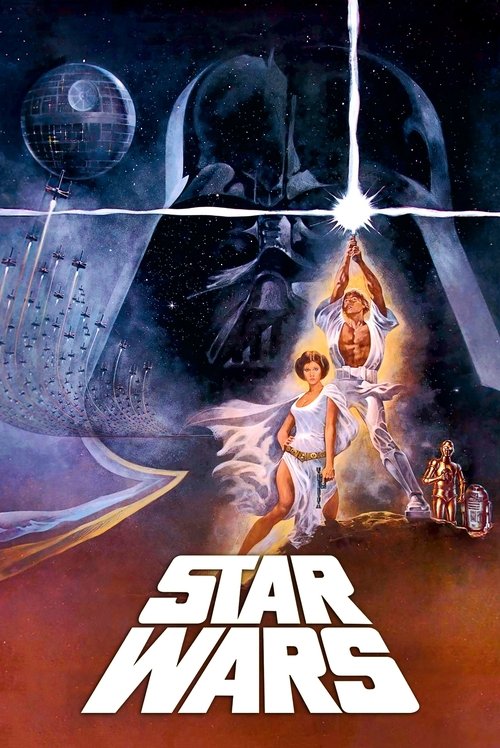
It’s bright and unusual and features designs that seem inspired by esoteric sci-fi oddities like Ice Pirates and Space Truckers instead of just the usual Star Wars riffs.
When it's not stealing from The Lord of the Rings, the script is busy referencing Star Wars and Mad Max Beyond Thunderdome, only with Vikings.
The recent high-profile Star Wars firings and even the Edgar Wright boot from Ant-Man have made it seem like corporate overture is in danger of overriding any new or interesting voices in Disney properties.
The movie is much closer to the Queen-scored Flash Gordon than the recent Star Wars snores.

As for the film itself, though Waititi includes aspects that play like genre parody—a montage scored to Leonard Cohen ’s interpretation of the “Song of the French Partisan” unexpectedly recalling McCabe & Mrs. Miller; a Mad Max-like chase climax; Lukasz Buda, Samuel Scott and Conrad Wedde’s 1980s-style synthesizer-laden score—Hunt for the Wilderpeople is ultimately disarming in its innocent sincerity.
There's nothing new in Waititi's treatment of characters like these, and the staging of more fast-paced moments — like a climactic, Mad Max-style car chase — is too awkward to be exciting.
Waititi also makes room for more conventionally programmed sequences, like an encounter with a nasty wild boar in which the intrepid pair’s dogs exhibit their selfless dedication to their masters, or the culmination of the pursuit, complete with a race across the desert and military roadblocks, that comes across like a junior-league “Mad Max.”
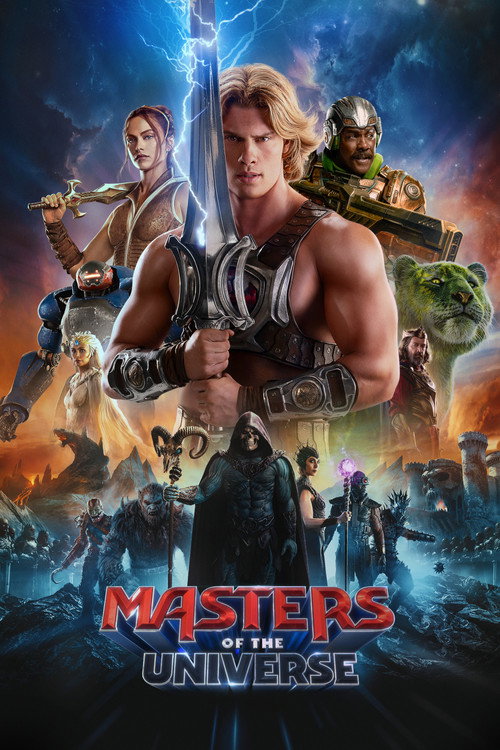
Masters of the Universe (2026)
Directed by Travis Knight
influenced by Thor: Ragnarok (2017), Thor: Love and Thunder (2022)
Themes
There are obvious comparisons to films like Thor: Ragnarok, Guardians of the Galaxy, Flash Gordon, and The Suicide Squad in the film’s blend of irreverent humour, colourful fantasy aesthetics, and ensemble-driven chaos.
It’s clear that “Masters of the Universe” was modeled after “Flash Gordon” or, for a more modern take, “Thor: Ragnarok.”
The irreverent tone harkens back to “Dungeons & Dragons: Honor Among Thieves” and “Thor: Ragnarok,” movies that captured the spirit of their source material.
The tonal and aesthetic cousin of Thor: Ragnarok, it's a film where the relentless need to crack jokes engulfs any sense of stakes.
…while the tone has elements of 2017's Thor: Ragnarok.
And yet what arrives is sub-“Thor: Love and Thunder,”…
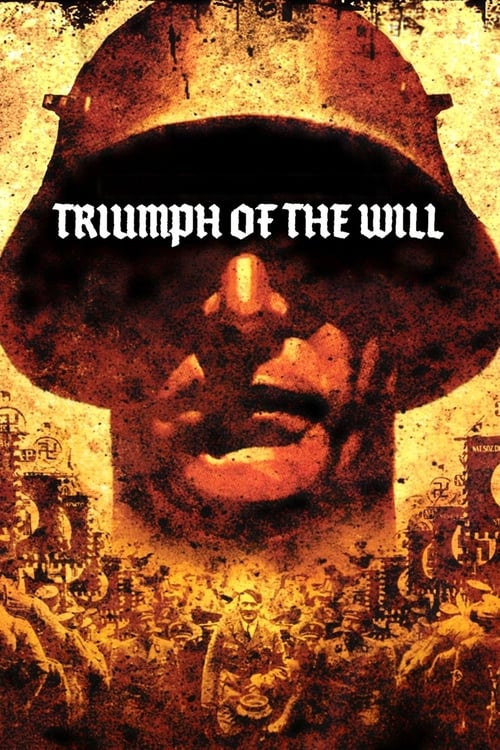
The opening-credits sequence remixes footage from Triumph of the Will and sets it to the Deutsch-language version of “I Wanna Hold Your Hand” that The Beatles recorded for the German market.
In an apocryphal tale of cinema history, legendary director Luis Buñuel and Charlie Chaplin went to a screening of Leni Riefenstahl’s Nazi propaganda film Triumph of the Will .
From early scenes audaciously intercutting Triumph of the Will footage with the German Beatlemania sounds of Komm, Gib Mir Deine Hand (other playfully anachronistic pop tunes include Tom Waits’s I Don’t Wanna Grow Up and David Bowie’s Helden), to later interludes in which Imaginary Adolf acts more like a petulant schoolboy than a murderous dictator, Waititi strives to capture young Jojo’s wide-eyed point of view.
But those parts, like playing the Beatles singing “I Want to Hold Your Hand” in German over worshipful Hitler footage from “Triumph of the Will,” will definitely make you shake your head and smile.
Writer-director Taika Waititi’s asinine JOJO RABBIT begins with footage from “Triumph Of The Will” recut to an early German-language Beatles recording of “I Wanna Hold Your Hand.”
Waititi pairs clips of ecstatic fans from Triumph of the Will along with a German-language version of “I Wanna Hold Your Hand,” showing us people willingly succumbing to the Nazi ideology.
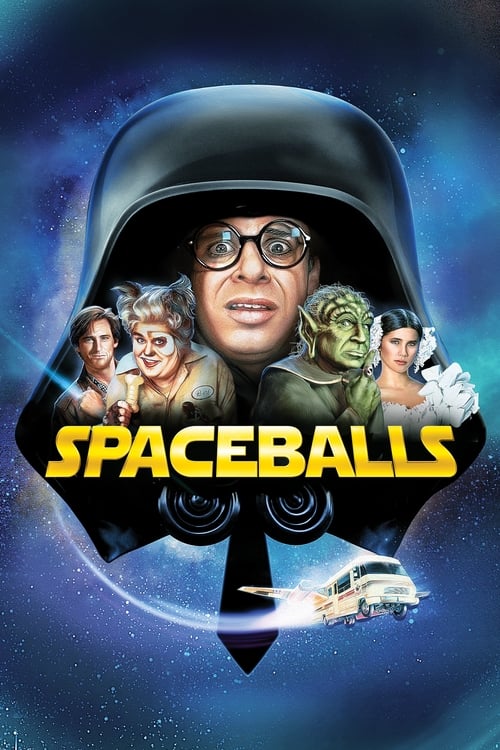
As for Thor’s homeland being reimagined as a hokey seaside tourist attraction offering merch and rides on Viking boats, the concept brings to mind the Brooks classic Spaceballs .
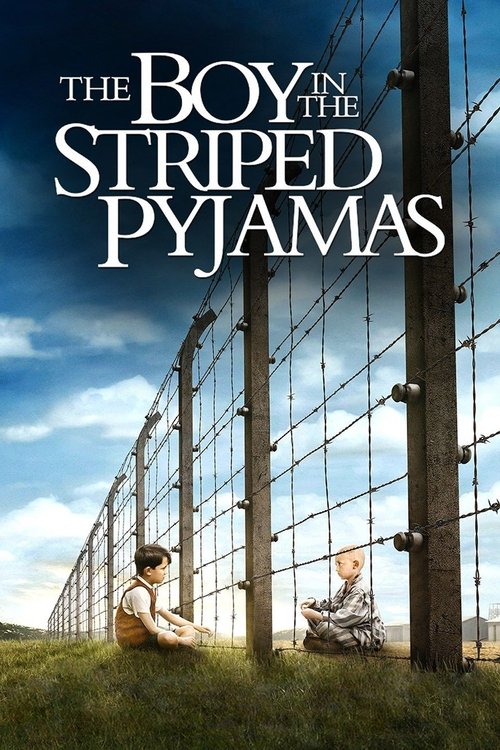
Oh sure, there have been a couple of examples of this particular brand of filmmaking that I have admired—John Boorman’s “Hope and Glory” and Steven Spielberg’s “Empire of the Sun” (especially its astounding first hour or so) immediately spring to mind—but those hardly begin to make up for such utter grotesqueries as “The Tin Drum,” “The Boy in the Striped Pajamas” and, of course, the more-appalling-than-ever “Life is Beautiful,” films that take the most horrific event of the 20th century and attempt to milk it for cheap sentiment and, hopefully, Oscar nominations from people who mistakenly assume that just because a movie involves a serious subject like the Holocaust, it must be serious as well and therefore worthy of consideration.
“Jojo Rabbit” is a deliberately quirky hybrid—a blending of a youngster’s “coming to terms with horror” story—a sort-of cousin to “The Boy in the Striped Pajamas”—with blissfully wacked-out ridicule of Nazis that makes “Hogan’s Heroes” look mild by comparison, including a Hitler who’s an exuberantly nutty “Animal House” caricature (until, at the very end, he morphs into something pretty terrifying).
By exploring the events of WWII through the eyes of a child (something other texts such as The Book Thief and The Boy In The Striped Pajamas also do), the film is granted more leeway to color outside of the lines of what would normally be acceptable.
I don’t object to this tone, and the movie does come out much more watchable than other films that have tried to glimpse the Nazi horror through a child’s limited perspective ( Life Is Beautiful , The Boy in the Striped Pajamas , The Book Thief ).
Waititi’s film is a smart and relevant one, though it’s nearly derailed by a mid-film descent into maudlin melodrama, more befitting a film like The Boy in the Striped Pajamas than the kind of gonzo satire that the director might have hoped for.
But the focus is so firmly on Jojo because his Hitler fanboy-ism is absolutely the only thing separating Jojo Rabbit from other straight dramas that have mined this exact same emotional dynamic, like The Book Thief or The Boy in the Striped Pajamas.
Certain aspects are reminiscent of Kurt Vonnegut's Slaughterhouse-Five and Mother Night.
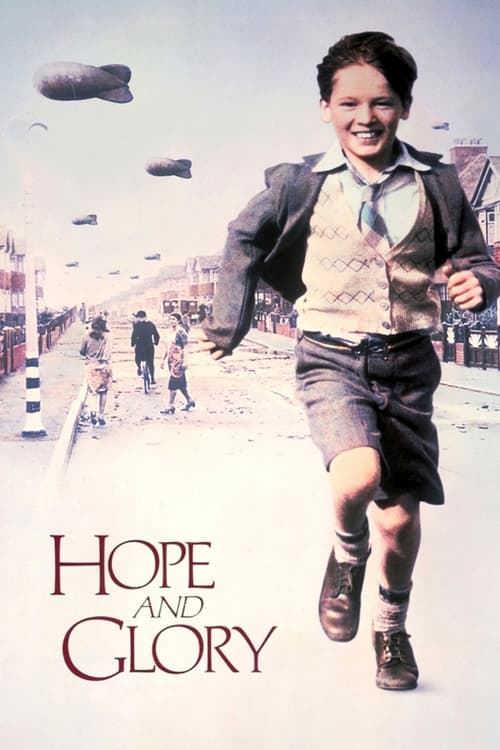
Oh sure, there have been a couple of examples of this particular brand of filmmaking that I have admired—John Boorman’s “Hope and Glory” and Steven Spielberg’s “Empire of the Sun” (especially its astounding first hour or so) immediately spring to mind—but those hardly begin to make up for such utter grotesqueries as “The Tin Drum,” “The Boy in the Striped Pajamas” and, of course, the more-appalling-than-ever “Life is Beautiful,” films that take the most horrific event of the 20th century and attempt to milk it for cheap sentiment and, hopefully, Oscar nominations from people who mistakenly assume that just because a movie involves a serious subject like the Holocaust, it must be serious as well and therefore worthy of consideration.
It's as if Waititi had mixed together John Boorman's semi-autobiographical World War II film "Hope and Glory" with "Forrest Gump."
There’s a long tradition of movies seeing war through the eyes of a child – heck, John Boorman’s “Hope and Glory” and Steven Spielberg’s “Empire of the Sun” even came out the same damn year – while Federico Fellini’s “Amarcord” depicted the rise of fascism in Italy as an extended adolescence, authoritarianism as a fart-filled wank.
As in John Boorman's Hope and Glory, all the comfort and intelligence is on one side and all the pain and stupidity is on the other.
McCabe & Mrs. Miller (1971)
Directed by Robert Altman
influenced Hunt for the Wilderpeople (2016)
Visuals
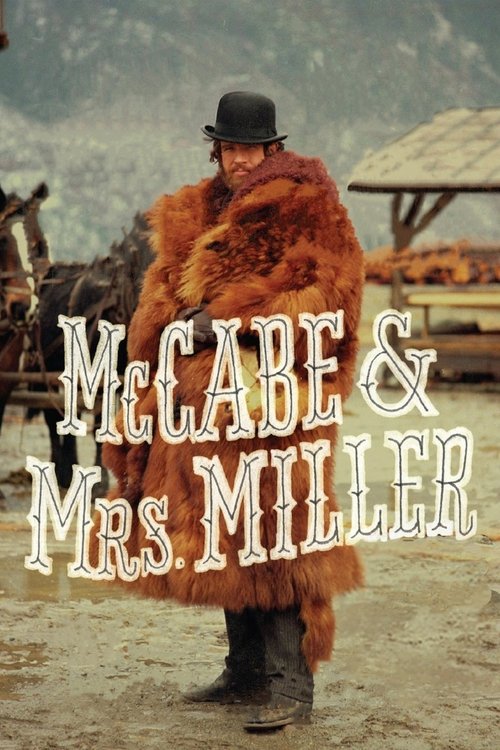
A snowy montage scene set to Leonard Cohen recalls Robert Altman's 1971 opus McCabe and Mrs. Miller.
The film is pretty straight-laced and serious compared to the last few Marvel movies to grace the big screen, including last year’s “Spider-Man: Homecoming,” the second Guardians of the Galaxy film, and especially Taika Waititi’s “Thor: Ragnarok” (though, to be fair, “Ragnarok” would make anything short of a Monty Python routine appear straight-laced and serious).
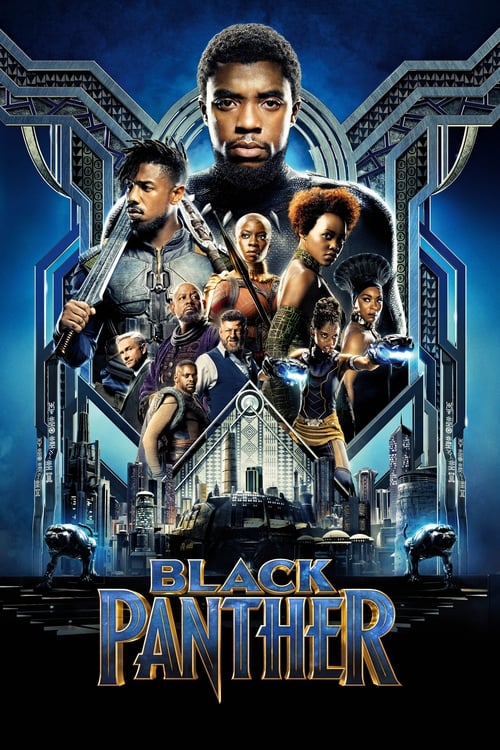
Like Taika Waititi’s Thor: Ragnarok and James Mangold’s Logan , Coogler’s Black Panther is a testament to the power of director-led superhero movies, if only because we come away from it enriched and recharged, heartbroken but also uplifted.
Remember how articles started popping up after Thor: Ragnarok about Taika Waititi successfully sneaking colonization undertones into a cosmic quarrel?
Some of the beats and motifs here too directly echo last year’s lightweight Thor: Ragnarok, which also turned on a contested royal succession, a villain with a secret past and a grudge rooted in the hidden sins of a royal father, and (thanks to Kiwi director Taika Waititi) an anti-colonial backbeat.
He’s perfectly countered by Boseman’s knowingly regal yet warm and thoughtful portrayal of T’Challa, a man raised in privilege and opulence who knows that the traditions that brought him to such a high position must change for the good of all – something Thor: Ragnarok tackled as well.
Both Guardians of the Galaxy adventures are a heck of a lot of fun, as are Ant-Man , Doctor Strange , Thor: Ragnarok and Spider-Man: Homecoming .