
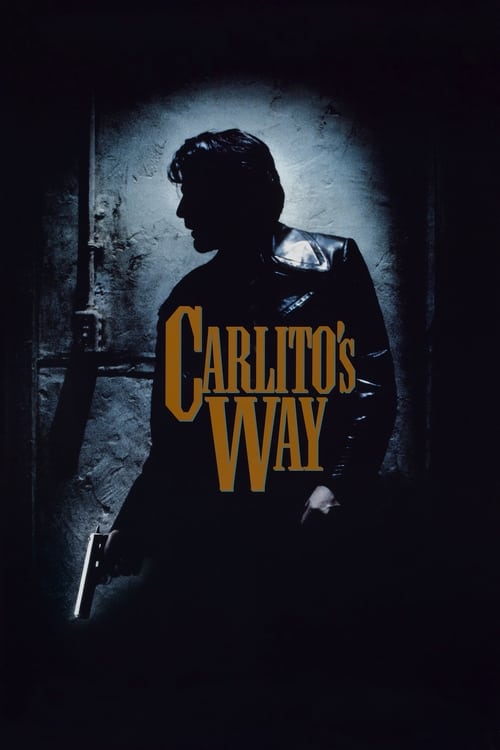
Carlito's Way (1993)
Directed by Brian De Palma
Free after years in prison, Carlito Brigante intends to give up his criminal ways, but it's not long before the ex-con is sucked back into the New York City underworld.
5 connections found
View:
5 films that influenced Carlito's Way
What critics say influenced Carlito's Way
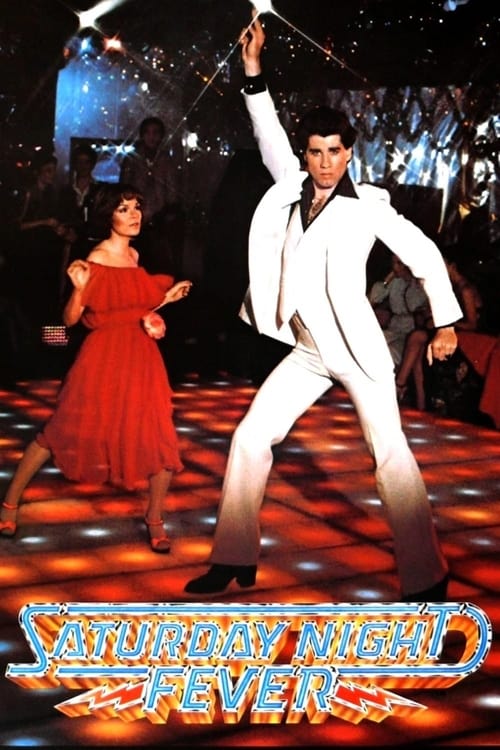


The hoods in the movie look borrowed from a production of "Guys and Dolls," the nightclubs look recycled from " Saturday Night Fever ," and Al Pacino himself seems to be inspired by his Oscar-winning role in "Scent Of A Woman" (there are times when his Puerto Rican accent migrates uncannily toward the voice of the crusty military man he played in that film).

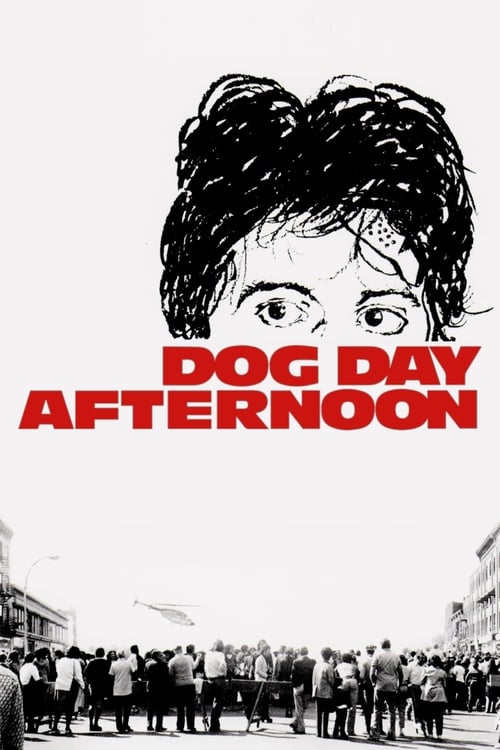
Pacino and De Palma had worked together before, on "Scarface," and there are echoes of that performance in Pacino's work here, as well as familiar notes from "Dog Day Afternoon" and "Serpico."

Pacino and De Palma had worked together before, on "Scarface," and there are echoes of that performance in Pacino's work here, as well as familiar notes from "Dog Day Afternoon" and "Serpico."
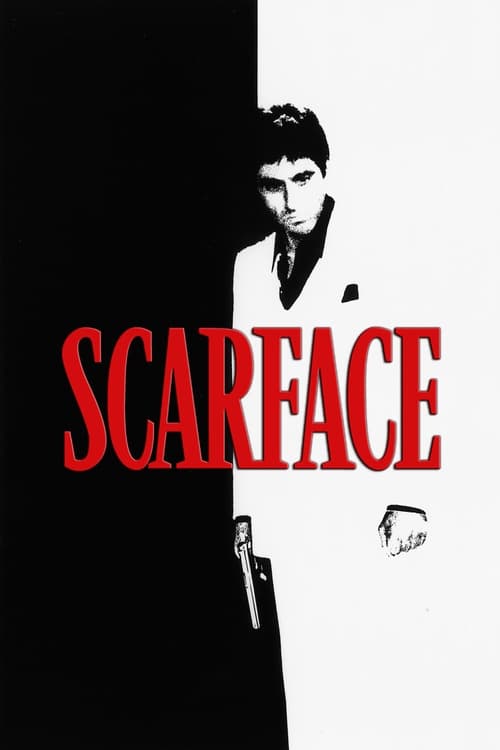
Of course, De Palma’s version of Scarface is a De Palma movie through and through, even though he was essentially a hired hand and the gangster genre was new territory for him (although it certainly wouldn’t be his last foray, as he later directed 1987’s The Untouchables and reunited with Pacino in 1993 for Carlito’s Way, one of his most underappreciated films).
Next to a complementary pool hall scene in “Carlito’s Way,” it offers few intriguing insights about Tony; it introduces, perhaps, his luck for surviving dicey situations, but that’s circumstance, not character.
Admittedly, that seems likely given that it reunites Pacino with director Brian De Palma, who previously teamed 10 years earlier on the gloriously garish remake of “Scarface” (which this column will revisit next month).
Many people perhaps saw this as a follow-up to Scarface (1983) with its epic running time and Pacino at its center, but it's a 360-degree turnaround, far more controlled and inevitable.
For the purpose of this review, the most obvious comparison is De Palma's "Scarface," in which Al Pacino gave an over-the-top performance as a Hispanic drug-dealer surrounded by mistrust.
Taking on a role as another Latino gangster you can be forgiven if you thought this would be Scarface Pt 2. Yet this is not the case at all.
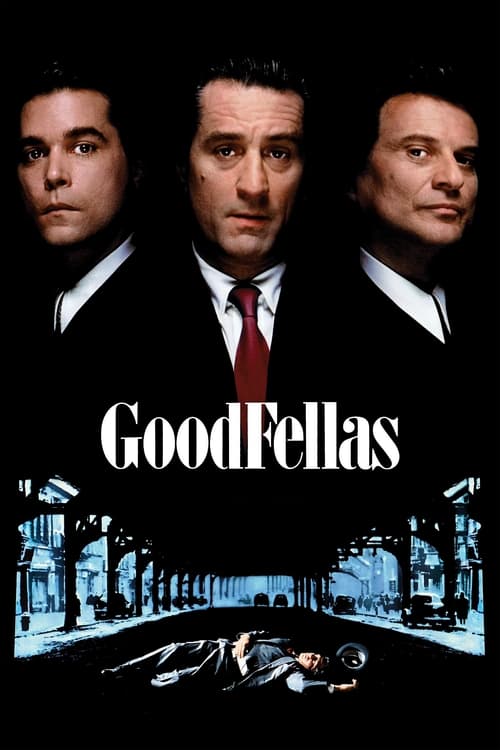
A lengthy cat-and-mouse chase scene at the film's climax practically surpasses Hitchcock and even gives Scorsese's GoodFellas a run for its money.
There are overtones of other, better gangster films here, most prominently Martin Scorsese's "GoodFellas."