
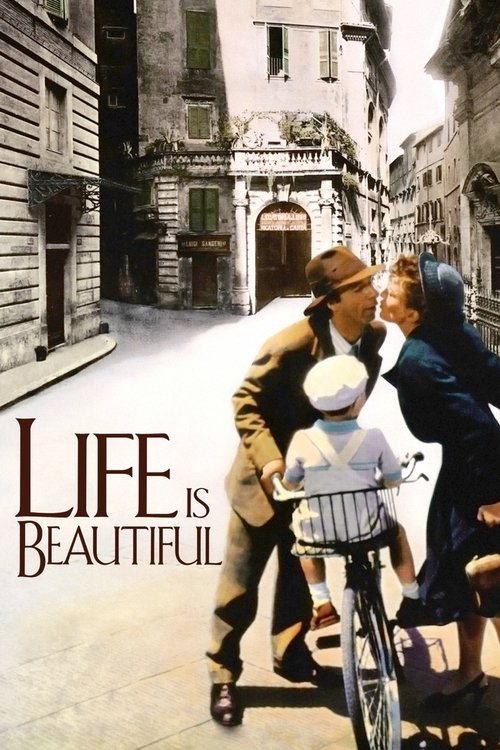
Life Is Beautiful (1997)
Directed by Roberto Benigni
A touching story of an Italian book seller of Jewish ancestry who lives in his own little fairy tale. His creative and happy life would come to an abrupt halt when his entire family is deported to a concentration camp during World War II. While locked up he tries to convince his son that the whole thing is just a game.
8 connections found
View:
8 films that influenced Life Is Beautiful
What critics say influenced Life Is Beautiful
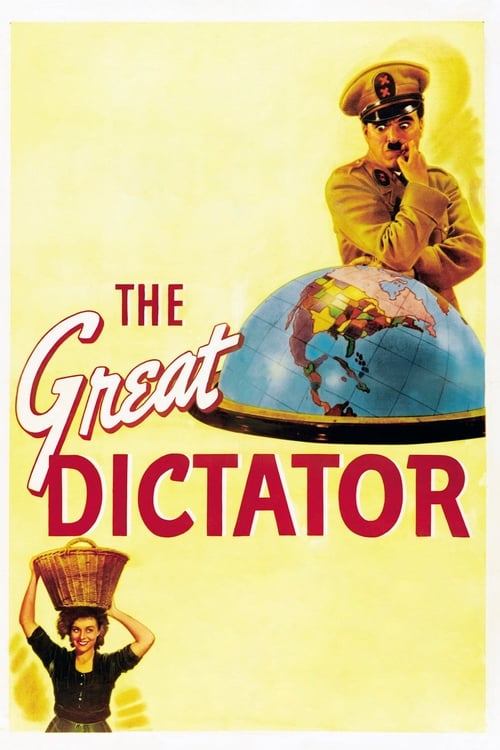


When Benigni hilariously impersonates a Mussolini-regime official, the scene owes an obvious debt to The Great Dictator, but Benigni earns the comparison.
It's an expert bit of clowning (Benigni owes a debt to Chaplin's The Great Dictator), but you can feel the pit growing in your stomach even as you giggle.
Roberto Benigni’s finest hour arrived in 1997 when the triple-threat writer/director/actor delved deep into Charlie Chaplin territory — see “The Great Dictator” (1940).
He fancies himself as the heir to Chaplin and this film is surely meant to be his version of "The Great Dictator".
And, if there is another reason for not disapproving offhand of the film's comic handling of this horrific context, then let's bring up Charlie Chaplin's The Great Dictator.
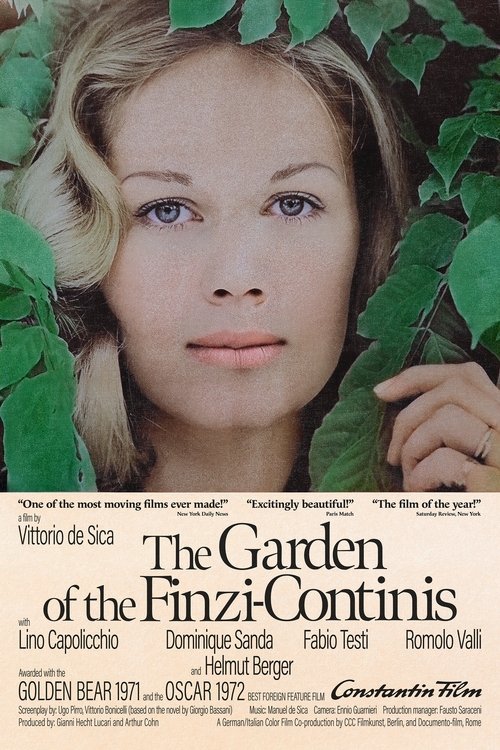
It's surely no accident that the best nondocumentary films about Nazi persecution -- Louis Malle's "Lacombe, Lucien," Vittorio De Sica's "The Garden of the Finzi-Continis," Paul Mazursky's "Enemies, A Love Story," Costa-Gavras' "Music Box," Agnieszka Holland's "Europa, Europa" -- have not depicted the slaughter of the Jews.
A much better film on this subject, that unfailingly tells about the Italian culpability in the Holocaust, is The Garden of the Finzi-Continis (1971).
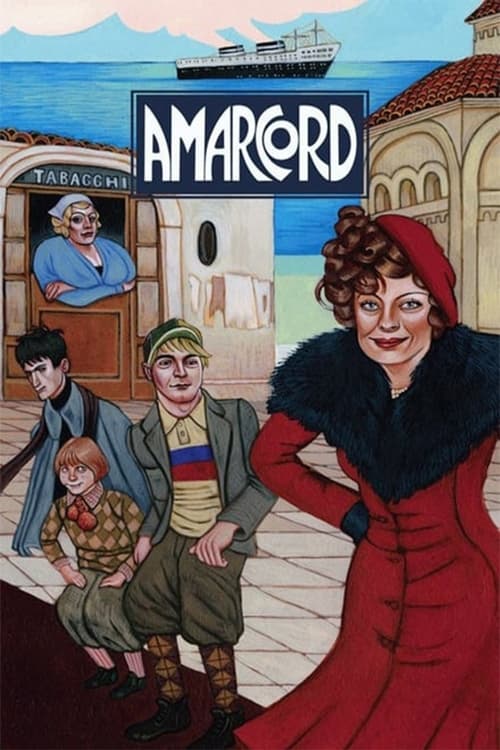
Their gentle, humorous courtship is spiced with the quirky, small-town flavor of Fellini's masterpiece, Amarcord.
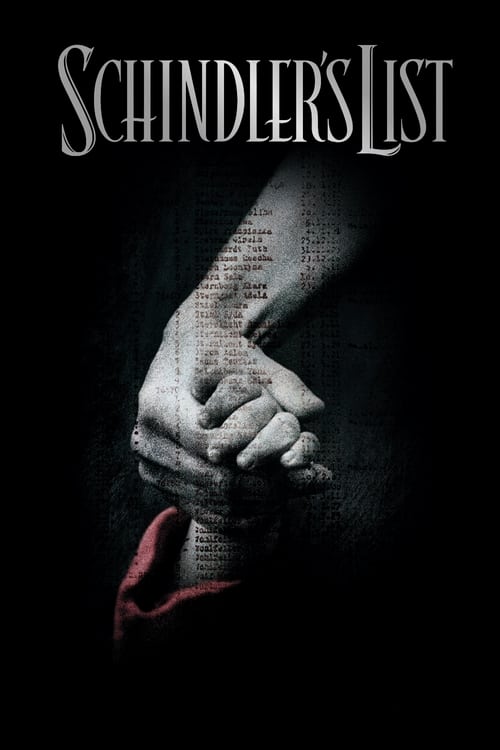
When taking into consideration Steven Spielberg's brilliant 1993 Holocaust drama, "Schindler's List," the Holocaust in "Life is Beautiful" is like a walk in the park.
What Benigni is after, then, is not yet another Holocaust picture like "Schindler's List" but rather a fable-like invention about the value of limitless family love in the face of institutionalized madness.
We have seen other great films dealing with this subject, such as Sophie's Choice and Schindler's List, but Benigni's decision to introduce comedy to the subject is different.
Schindler’s List bombarded you from frame one with harsh imagery, giving you a generally depressed feeling about it, but Life is Beautiful opts to take a comedic approach (no small effort) and makes you feel good instead.
It's significant that the exception, the one good film set (at least partly) in the camps, "Schindler's List," was a true story.
February 1, 1999 -- If you thought "Schindler's List" was too heavy and depressing, then here's a light treatment of the same subject, "Life is Beautiful."
Advertisement

It's surely no accident that the best nondocumentary films about Nazi persecution -- Louis Malle's "Lacombe, Lucien," Vittorio De Sica's "The Garden of the Finzi-Continis," Paul Mazursky's "Enemies, A Love Story," Costa-Gavras' "Music Box," Agnieszka Holland's "Europa, Europa" -- have not depicted the slaughter of the Jews.
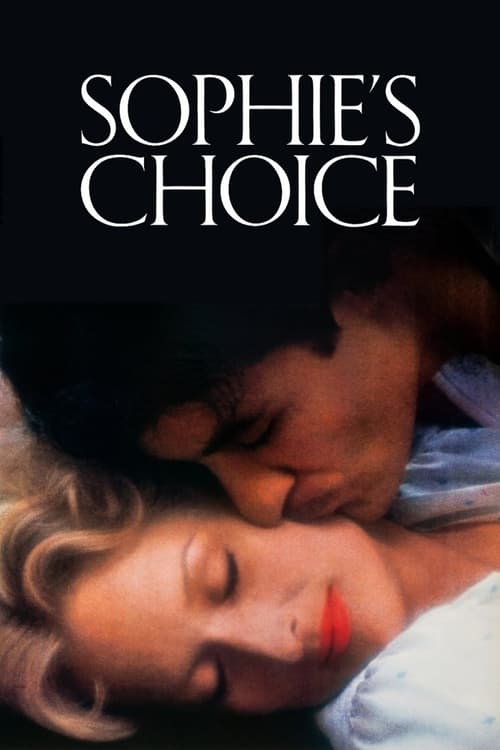
We have seen other great films dealing with this subject, such as Sophie's Choice and Schindler's List, but Benigni's decision to introduce comedy to the subject is different.
Her directing effort, "The Prince of Tides" was a great film about loss, emotional wounds, and relationships until Babs single-handedly ruined it with her loud, whining psychologist steam-rolling through the movie.
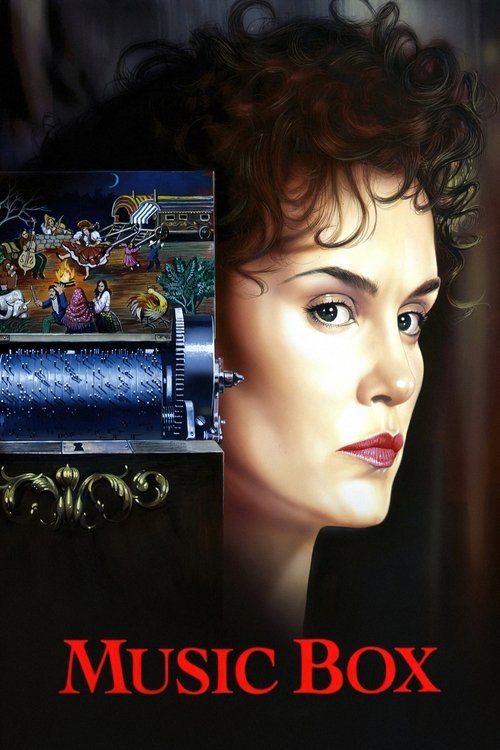
It's surely no accident that the best nondocumentary films about Nazi persecution -- Louis Malle's "Lacombe, Lucien," Vittorio De Sica's "The Garden of the Finzi-Continis," Paul Mazursky's "Enemies, A Love Story," Costa-Gavras' "Music Box," Agnieszka Holland's "Europa, Europa" -- have not depicted the slaughter of the Jews.