

Roberto Benigni
29 connections found
View:
Connections, in both directions


Oh sure, there have been a couple of examples of this particular brand of filmmaking that I have admired—John Boorman’s “Hope and Glory” and Steven Spielberg’s “Empire of the Sun” (especially its astounding first hour or so) immediately spring to mind—but those hardly begin to make up for such utter grotesqueries as “The Tin Drum,” “The Boy in the Striped Pajamas” and, of course, the more-appalling-than-ever “Life is Beautiful,” films that take the most horrific event of the 20th century and attempt to milk it for cheap sentiment and, hopefully, Oscar nominations from people who mistakenly assume that just because a movie involves a serious subject like the Holocaust, it must be serious as well and therefore worthy of consideration.
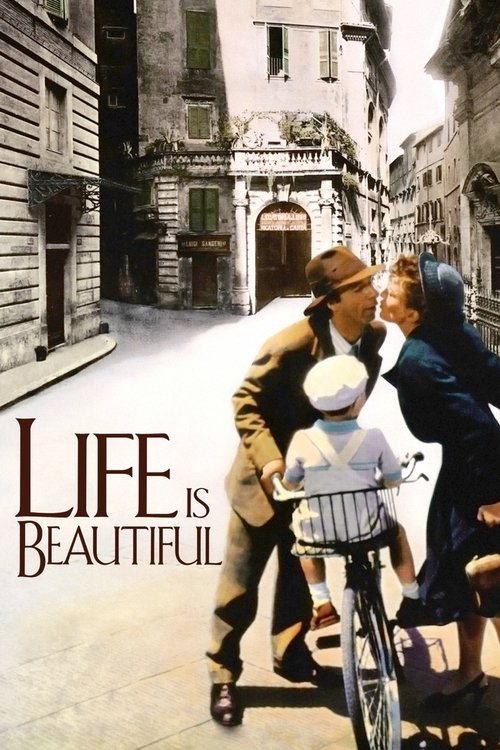
Sweetness and charm may not be the notes you want or expect in a movie about genocide and fascism, and there are times when the mood turns sticky and soft, straying a bit too close to the cloying kitsch of Roberto Benigni’s “Life Is Beautiful.”
But of course, absurd as the idea may seem, some attempts to wring humor from the horrors of Nazi Germany have stood the test of time: Charlie Chaplin’s “The Great Dictator,” Ernst Lubitsch’s “To Be or Not To Be,” Mel Brooks’ “The Producers,” and Roberto Benigni’s “Life Is Beautiful,” to name a few.
Thirty years later, Roberto Benigni won acting and foreign language feature statuettes for turning a concentration camp into a setting for a Chaplinesque dramedy in "Life Is Beautiful."
Charlie Chaplin's infamous moustache-and-slapstick humour poked fun at the Führer, while the Oscar-winning Life is Beautiful was accused by many of diminishing the suffering of Holocaust victims.
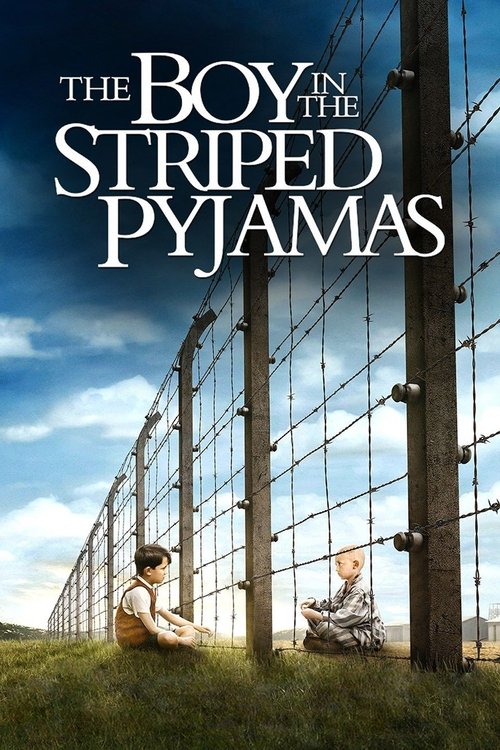
The Boy in the Striped Pyjamas (2008)
Directed by Mark Herman
influenced by Life Is Beautiful (1997)
Themes Plot
Young Bruno (Asa Butterfield) transforms troubling impressions into the games of a boy, from arms-outspread Messerschmitt fighters through leather soccer balls and knights in tales of chivalry, to a disguised search-and-find mission, his misapprehension of realities resulting in pieces of ironic, sad humor distinct from the purposeful distortions of a father shielding his son in Life Is Beautiful.
Apart from the heavier question of when it's appropriate to confront a child with the human capacity for evil on such a scale, there's also the worry that any effort to do so will devolve into mawkishness of the sort seen in films such as "Life Is Beautiful" and "Jakob the Liar."
In a German-centric twist on "Life Is Beautiful," in which a protective Jewish father convinces his young son that life in a concentration camp is just a game, Bruno's mother (Vera Farmiga) -- who becomes increasingly horrified by the lethal reality of her husband's job -- encourages her son's misinterpretation.
Though not as epic as Schindler's List, this story about the wartime experiences of two children is more haunting and moving than 1997's Life Is Beautiful and is reminiscent of 1987's Au Revoir, Les Enfants, directed by Louis Malle.
The cloying wrong-headedness of Roberto Benigni's Life is Beautiful and Robin William's Jakob The Liar, as well-meaning as they were, left audiences with survivor's guilt for sticking with them to the final credits.
Sturdy Holocaust drama focusing on childhood and innocence amidst the horror takes the multi-Oscar-winning Life Is Beautiful to more harrowing and credible extremes.
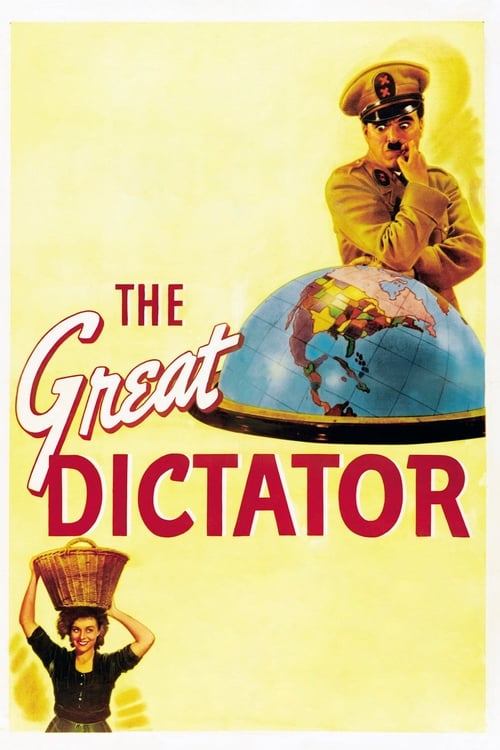
The Great Dictator (1940)
Directed by Charlie Chaplin
influenced Life Is Beautiful (1997)
Characters Themes
When Benigni hilariously impersonates a Mussolini-regime official, the scene owes an obvious debt to The Great Dictator, but Benigni earns the comparison.
It's an expert bit of clowning (Benigni owes a debt to Chaplin's The Great Dictator), but you can feel the pit growing in your stomach even as you giggle.
Roberto Benigni’s finest hour arrived in 1997 when the triple-threat writer/director/actor delved deep into Charlie Chaplin territory — see “The Great Dictator” (1940).
He fancies himself as the heir to Chaplin and this film is surely meant to be his version of "The Great Dictator".
And, if there is another reason for not disapproving offhand of the film's comic handling of this horrific context, then let's bring up Charlie Chaplin's The Great Dictator.
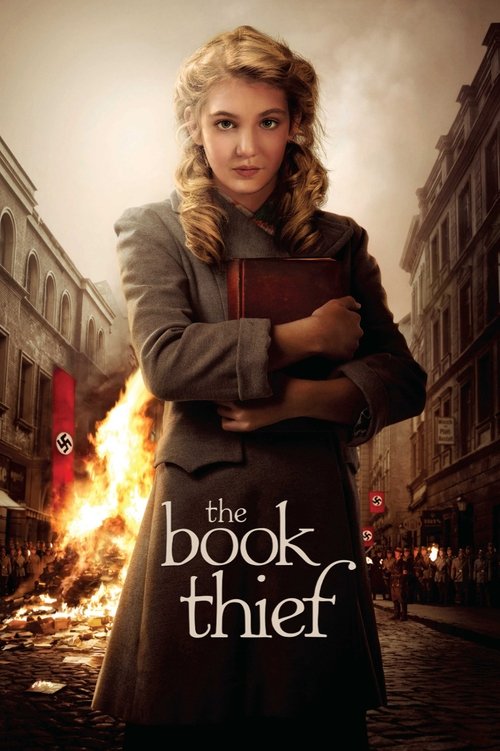
The Book Thief (2013)
Directed by Brian Percival
influenced by Life Is Beautiful (1997)
Characters Themes
His spirit harkens back to Roberto Benigni's character in Life is Beautiful, a man always looking to shield others from the pain of their lives.
The Book Thief, much like 1997's Life Is Beautiful, offers a different perspective.
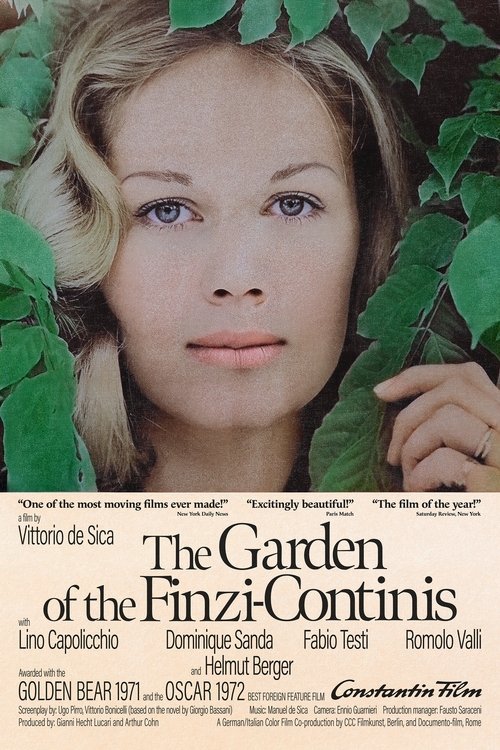
The Garden of the Finzi-Continis (1970)
Directed by Vittorio De Sica
influenced Life Is Beautiful (1997)
Themes
It's surely no accident that the best nondocumentary films about Nazi persecution -- Louis Malle's "Lacombe, Lucien," Vittorio De Sica's "The Garden of the Finzi-Continis," Paul Mazursky's "Enemies, A Love Story," Costa-Gavras' "Music Box," Agnieszka Holland's "Europa, Europa" -- have not depicted the slaughter of the Jews.
A much better film on this subject, that unfailingly tells about the Italian culpability in the Holocaust, is The Garden of the Finzi-Continis (1971).
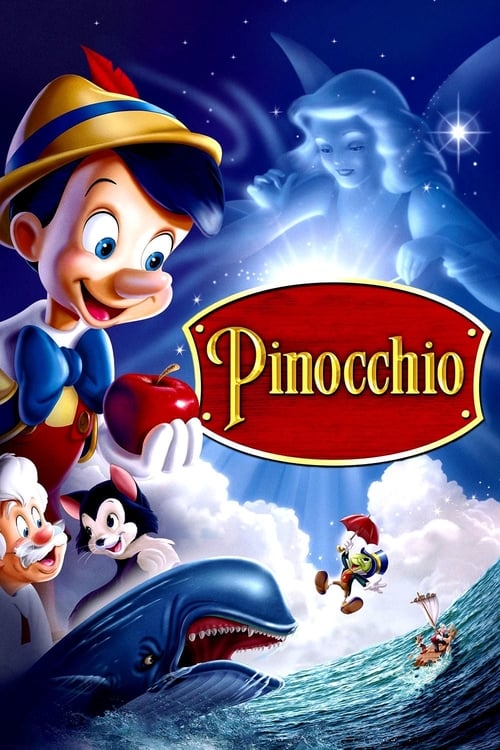
Based on the 1883 children’s story by Carlo Collodi, Pinocchio is in spirit a classical European fairy tale, full of wonder and terror, implacable moralism and providential hope.
Such was the case with Walt Disney's 1940 release of "Pinocchio."
There’s my Pinocchio!”
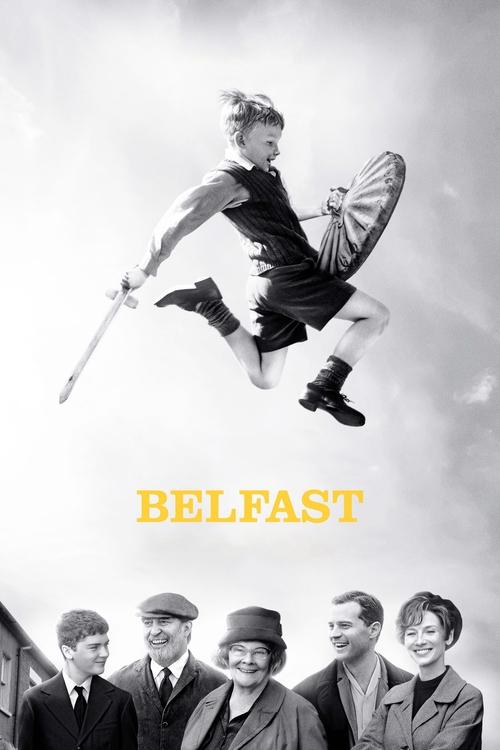
More serious is the inclination to underplay the menace of the time in favor of a generalized sense of uplift amid destruction; it doesn’t go as far in that lamentable direction as Roberto Benigni’s “Life Is Beautiful” did, but doesn’t quite find the sweet spot that John Boorman did in his autobiographical picture “Hope and Glory”—one of Branagh’s obvious inspirations.
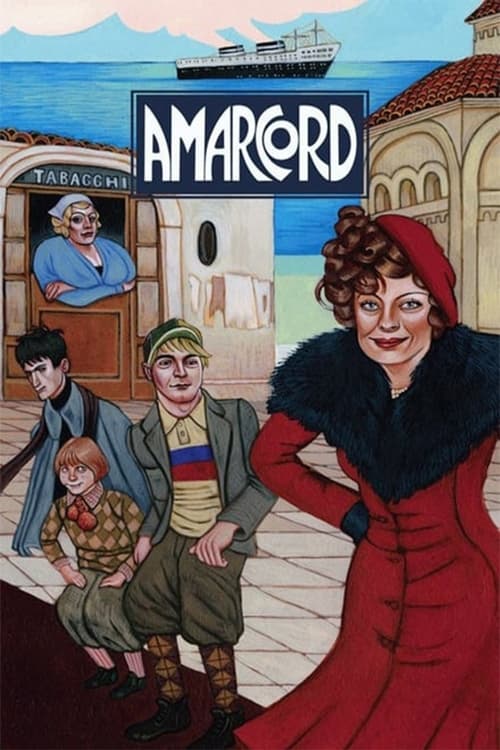
Their gentle, humorous courtship is spiced with the quirky, small-town flavor of Fellini's masterpiece, Amarcord.

Consider the number of titles that became either art-house staples or pop culture touchstones: Night and Fog (1955), Sophie’s Choice (1982), Shoah (1985), Au revoir les enfants (1987), Schindler’s List (1993), Life Is Beautiful (1997), etc.
It’s not as graphic as many – there are more cordwood-piled corpses in Roberto Benigni’s Life Is Beautiful than are seen here – but Hungarian director László Nemes and actor Géza Röhrig, who plays the titular Saul and is in virtually every shot, employ a heart-shattering form of “you are there” filmic composition to put the audience dead center amidst the horrific, workaday world.
Nevertheless, it is far from Oscar-winning crowd-pleasers like Schindler’s List or Life Is Beautiful.
There's some ambiguity over whether the boy is Saul's illegitimate son, but the smallness of this gesture serves as a powerful rebuke to the martyrs and saints that populate Holocaust narratives like Schindler's List or Life Is Beautiful.
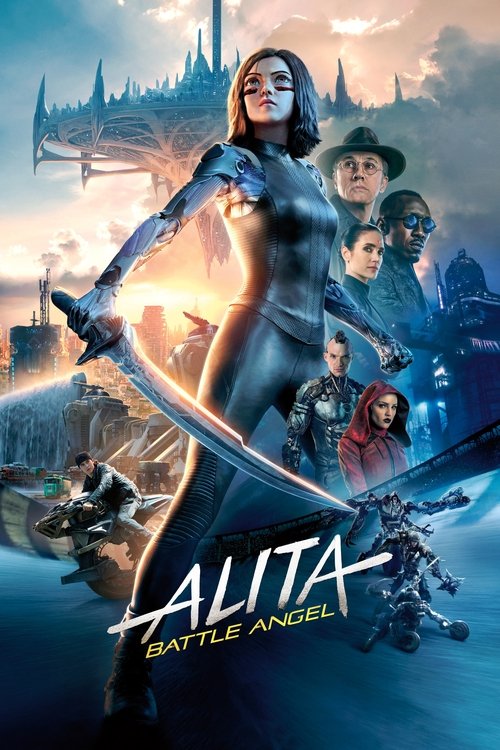
Coming across as a hybrid between “Pinocchio” and, strangely enough, “Rollerball” - that notoriously terrible LL Cool J and Jean Reno classic from 2002 - “Alita” could prove worthy enough to spawn a franchise (though a $500 million worldwide box office haul needs to happen) and I wouldn’t be shocked if the sequel is better than “Battle Angel” which seems to oversaturate its nearly two hour runtime with clunky terminology, characters, and subplots that either feel like wasted space or trimmed for time.

Inglourious Basterds (2009)
Directed by Quentin Tarantino
influenced by Life Is Beautiful (1997)
Themes
The worst Holocaust movies may be those that aim for tragicomic uplift: Life Is Beautiful , Jakob the Liar , or Jerry Lewis' never-released The Day the Clown Cried.
If you want the most disgusting, patronizing and manipulatively sentimental crap movie ever made about the subject, revisit Life Is Beautiful.
Dubbed "kosher porn" (admiringly) by co-star Eli Roth and "Jewish revenge porn" (disdainfully) by the Jewish Daily Forward, "Inglourious Basterds" has -- like seemingly every post-war Nazi movie -- earned the ire of those who object to what's typically described as the vulgarization of the Holocaust for entertainment purposes, whether the vulgarization occurs in a movie is meant to be sentimental ("Life Is Beautiful"), ironic ("The Reader"), ennobling ("Schindler's List") or a gleeful, cartoonish, stimulating, retro wish fulfillment (Tarantino's film).
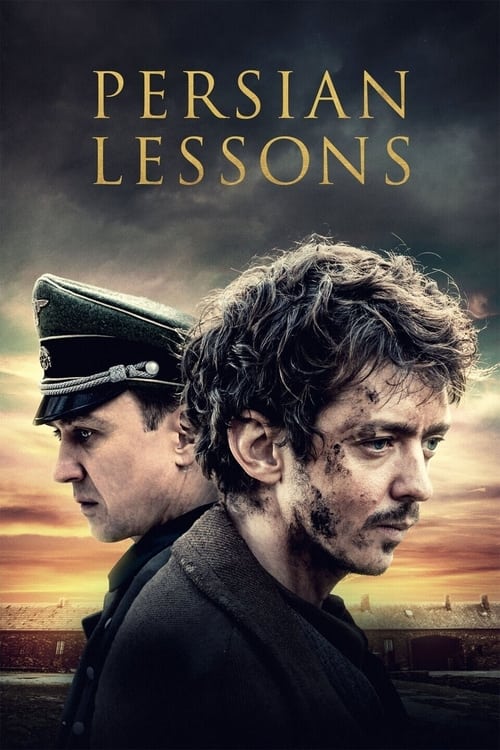
There are shades of Life Is Beautiful here, but Gilles – who goes by the Persian name of Reza – is, at least initially, a more selfish trickster than the protective father played by Roberto Benigni in that film.
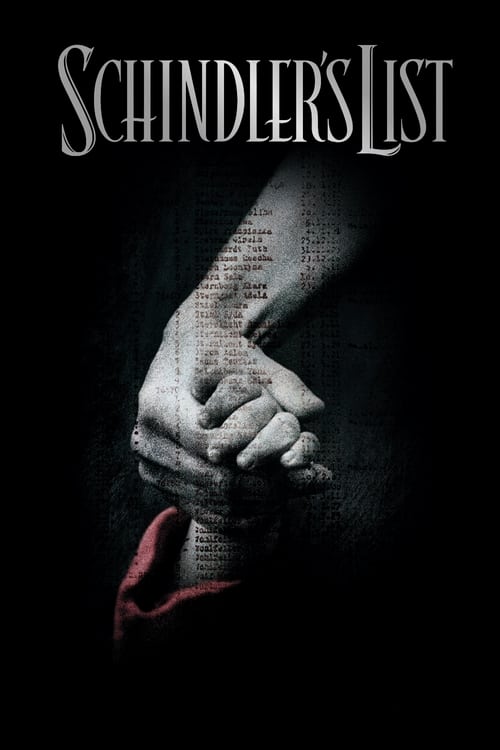
When taking into consideration Steven Spielberg's brilliant 1993 Holocaust drama, "Schindler's List," the Holocaust in "Life is Beautiful" is like a walk in the park.
What Benigni is after, then, is not yet another Holocaust picture like "Schindler's List" but rather a fable-like invention about the value of limitless family love in the face of institutionalized madness.
We have seen other great films dealing with this subject, such as Sophie's Choice and Schindler's List, but Benigni's decision to introduce comedy to the subject is different.
Schindler’s List bombarded you from frame one with harsh imagery, giving you a generally depressed feeling about it, but Life is Beautiful opts to take a comedic approach (no small effort) and makes you feel good instead.
It's significant that the exception, the one good film set (at least partly) in the camps, "Schindler's List," was a true story.
February 1, 1999 -- If you thought "Schindler's List" was too heavy and depressing, then here's a light treatment of the same subject, "Life is Beautiful."
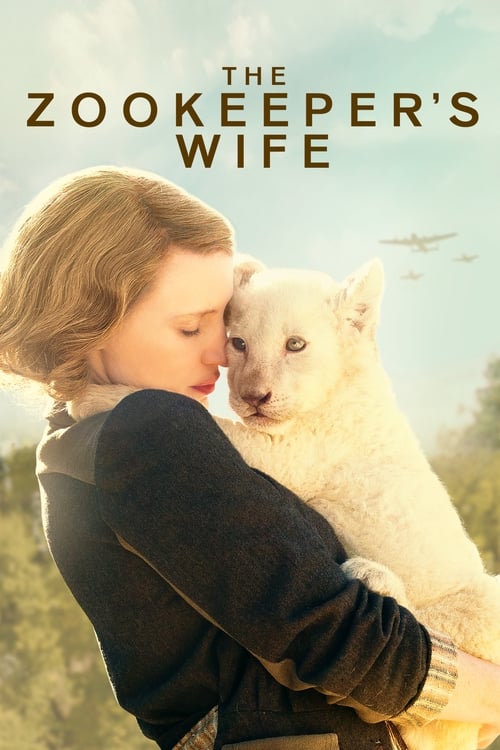
Plenty of movies have dealt with the Holocaust in ways that created powerful emotions in the viewer without resorting to the shock value we’ve almost become inured to—Roberto Benigni’s Life is Beautiful, for instance.

Ma, a bit like Roberto Benigni in Life Is Beautiful, artfully shields her five-year-old from the ghastliness of their shared plight, filling his days instead with fun, games and exercise.
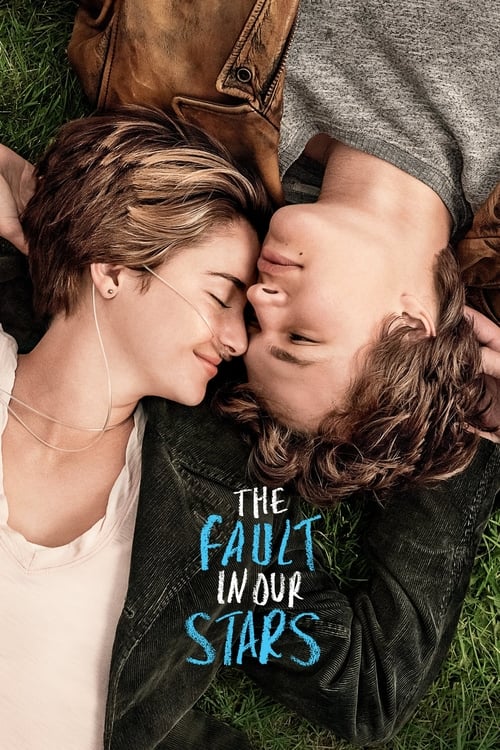
Thanks to Ansel Elgort, the film successfully finds comedy in its tragedy in much the same way 1997’s hidden gem “Life is Beautiful” allows you to laugh about a subject like the Holocaust when you never think you could.
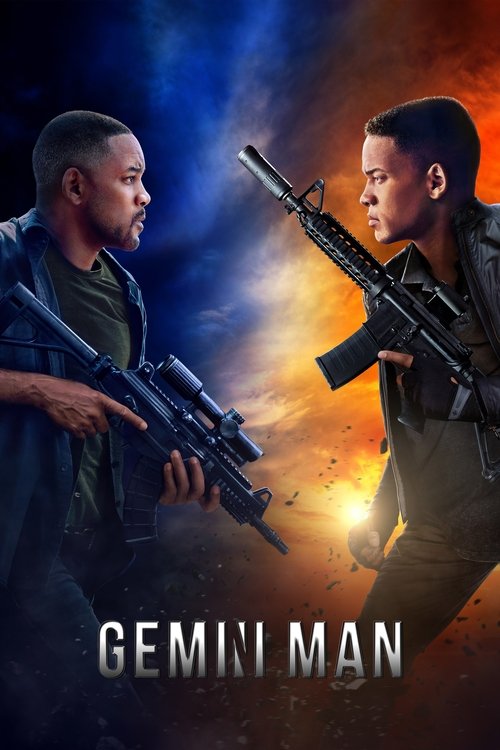
Thirty years later, Roberto Benigni won acting and foreign language feature statuettes for turning a concentration camp into a setting for a Chaplinesque dramedy in "Life Is Beautiful."
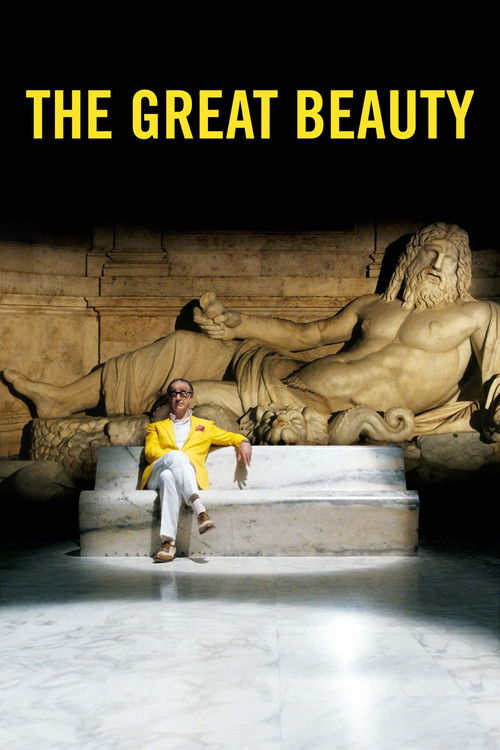
Paolo Sorrentino’s The Great Beauty (La grande bellezza in Italian) is relief at last—not that the key word in the title, or the Italian provenance, should mislead you into thinking this is anywhere near the monstrous claptrap of Roberto Benigni’s Life Is Beautiful, a film that so many people cherished that I am doing all I can to summon forgiveness, on the condition that we never mention it again.

It's surely no accident that the best nondocumentary films about Nazi persecution -- Louis Malle's "Lacombe, Lucien," Vittorio De Sica's "The Garden of the Finzi-Continis," Paul Mazursky's "Enemies, A Love Story," Costa-Gavras' "Music Box," Agnieszka Holland's "Europa, Europa" -- have not depicted the slaughter of the Jews.
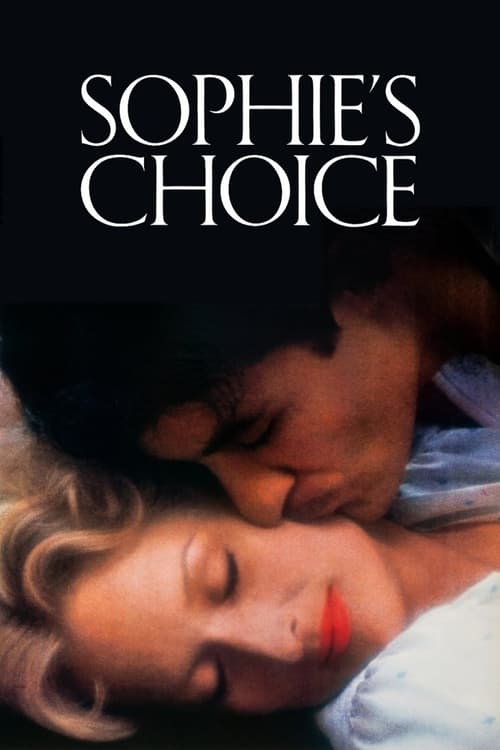
We have seen other great films dealing with this subject, such as Sophie's Choice and Schindler's List, but Benigni's decision to introduce comedy to the subject is different.