
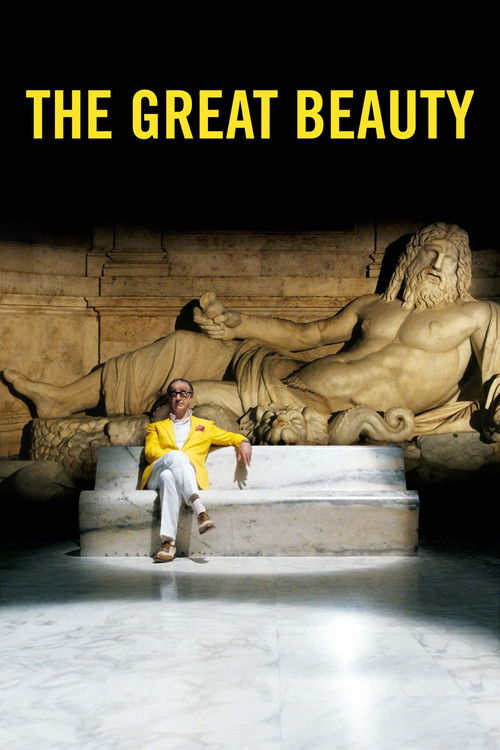
The Great Beauty (2013)
Directed by Paolo Sorrentino
Jep Gambardella has seduced his way through the lavish nightlife of Rome for decades, but after his 65th birthday and a shock from the past, Jep looks past the nightclubs and parties to find a timeless landscape of absurd, exquisite beauty.
24 connections found
View:
24 films that influenced The Great Beauty
What critics say influenced The Great Beauty

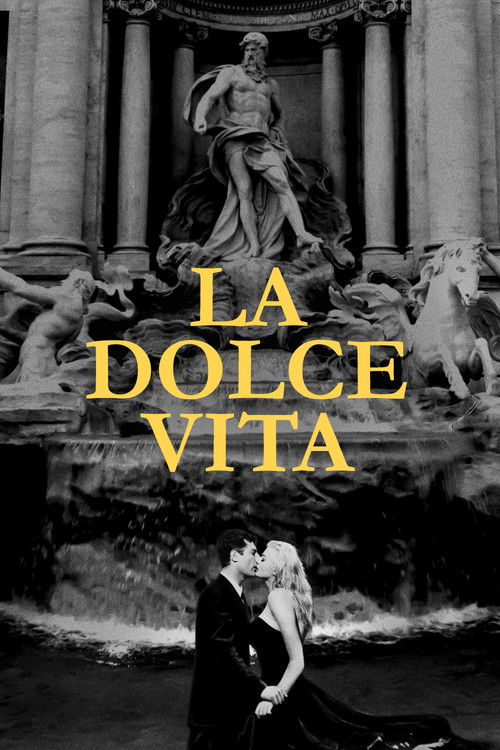


The Italian title for Paolo Sorrentino’s The Great Beauty is La Grande Bellezza, which much more closely evokes its main source of inspiration: the wondrous Federico Fellini opus La Dolce Vita.
Federico Fellini is an obvious touch point here: Sorrentino nods to both the corrosive hedonism of La Dolce Vita and the emotional paralysis of 8½, but his sensuous images outdo even the master’s.
This is Jep Gambardella (Toni Servillo), narrator and subject of The Great Beauty , who knows too well that he’s been living in a reminiscence of La Dolce Vita and seems to have accepted it with wry but weary resignation.
In blatant reference to La dolce vita, The Great Beauty is an apt if lazily postmodern response to Fellini’s question: how can we convert nihilism from an existential plague into a decent way of life?
The story of Jep’s plush detachment from the real world, and the crisis of soul he’d have if he could be certain he had a soul, Paolo Sorrentino’s The Great Beauty is an utterly ravishing portrait of listless luxuriance, a fantasy of decadent wealth and beauty that evokes Fellini’s La Dolce Vita by way of Baz Luhrmann.
Writer/director Paolo Sorrentino's ("Il Divo," "This Must Be the Place") latest has been described as an homage to "La Dolce Vita," but this film is more ambitious, the filmmaker not only preserving a cultural moment in time as experienced by a bon vivant journalist, but expressing the man's interior thoughts cinematically, a jaded man's ability to still experience the glories of life amidst a social circle defined by its depraved snobbery, ostentation and gossip.
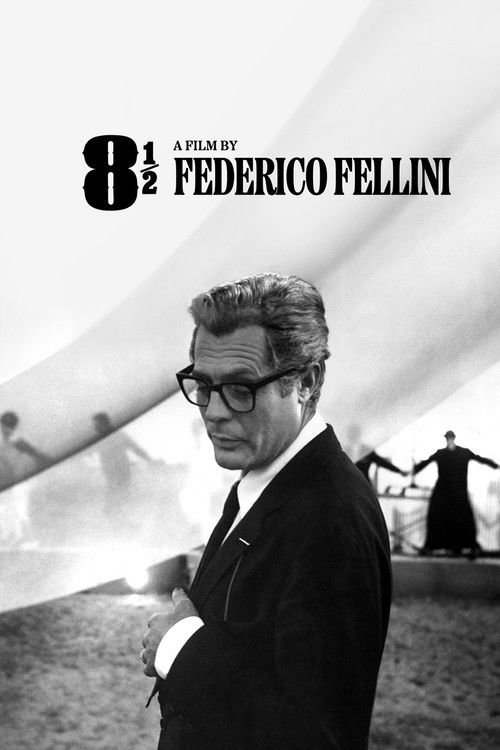
Federico Fellini is an obvious touch point here: Sorrentino nods to both the corrosive hedonism of La Dolce Vita and the emotional paralysis of 8½, but his sensuous images outdo even the master’s.
Things literally start off with a bang as the noontime cannon on the Janiculum Hill is fired, leading to a montage of Japanese tourists and local eccentrics among the area’s Risorgimento monuments, the latter characters recalling the menagerie of women at the spa in “8½.”
Beginning with the sudden death of a Japanese tourist and ending with a 103-year-old nun’s arduous climb on her knees up the steps of St. John’s Church, The Great Beauty is gratefully indebted to three films by Federico Fellini: La Dolce Vita, 8½ and Roma.
As others have observed, and as may be obvious from that synopsis, Sorrentino’s film owes a great debt to the work of Federico Fellini, most notably to 8½.
Like 8½, Sorrentino’s film floats ecstatically on a sea of free-associative and surreal thoughts and images.
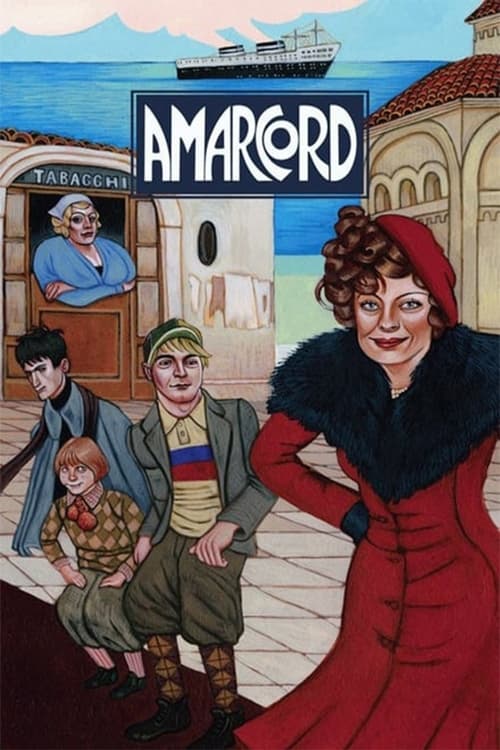
The more obvious references, however, are to the films of Federico Fellini, from the excesses of "Satyricon" and affectionate nostalgia of "Amarcord" to the assessment of an artist's life in "81/2."
The startling appearance of a giraffe recalls the vision of the peacock in the snow in Fellini’s “ Amarcord .”
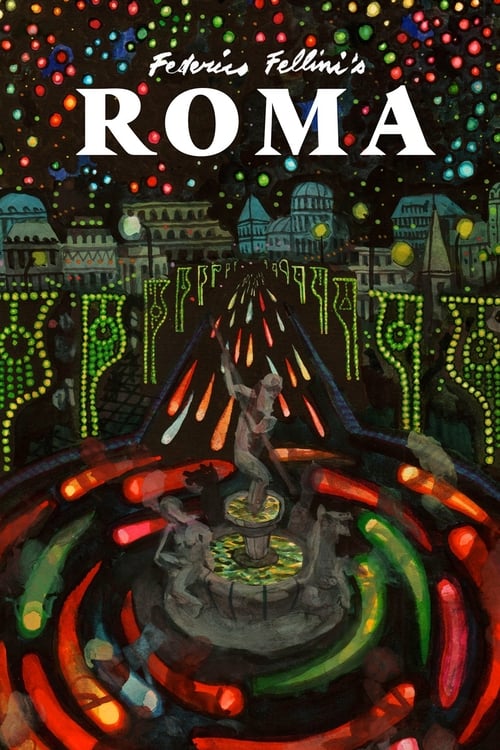
Beginning with the sudden death of a Japanese tourist and ending with a 103-year-old nun’s arduous climb on her knees up the steps of St. John’s Church, The Great Beauty is gratefully indebted to three films by Federico Fellini: La Dolce Vita, 8½ and Roma.
The magical atmosphere of Fellini’s "Roma" and "La Dolce Vita" pervades Paolo Sorrentino's update on cynicism, premiering in competition.
Plays at times like a more conventional, less daring version of 1972’s Roma...On its own merits, Sorrentino’s film ain’t half-bad, but it’s no Fellini picture.
The film is unimaginable without the influences of Fellini’s two masterpieces, “La Dolce Vita” and “Roma.”
The film will inevitably draw comparisons to Fellini classics like La Dolce Vita, 8 ½ and Roma, but the Fellini halo effect could prove especially advantageous.
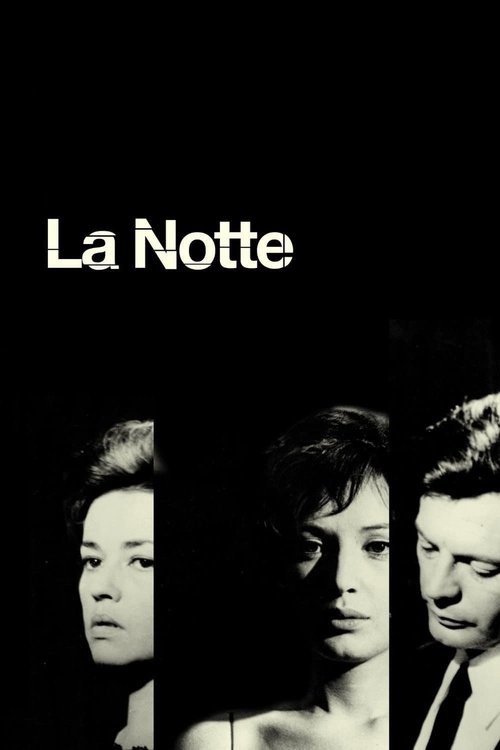
Sorrentino’s spectacularly ornate assessment of modern Rome is peppered with references to other Italian cinematic totems as well, like Fellini’s 8 1/2 and Michelangelo Antonioni’s La Notte, which indicates just how audacious the movie is.
La Dolce Vita is the most obvious one but the list also includes Roberto Rossellini's Rome, Open City and Michelangelo Antonioni's La notte, among others.
It’s an accurate and damning group portrait, only barely updated from those depicted by Fellini, Scola and the Antonioni of “La notte.”
Brashly stepping up and standing beside Giovanni from Antonioni’s “La Notte” and Marcello from Fellini’s “La Dolce Vita” is Jep Gambardella from Paolo Sorrentino’s “La Grand Bellezza.”
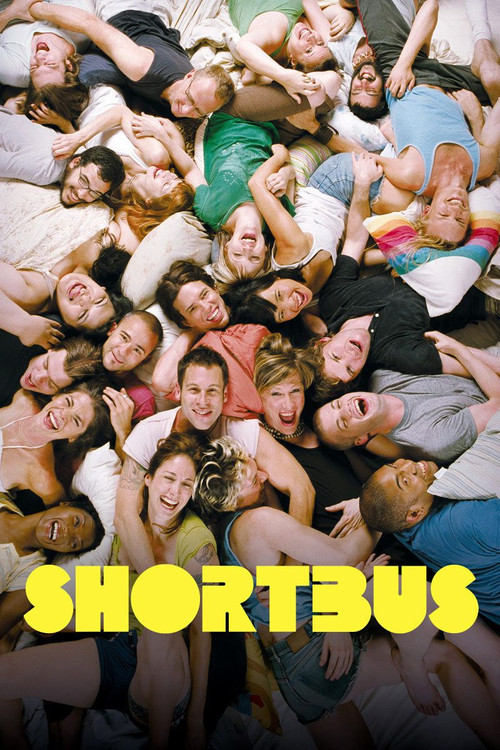
Altering a phrase from John Cameron Mitchell's Shortbus (2006), it reminds me of La Dolce Vita but with less hope.
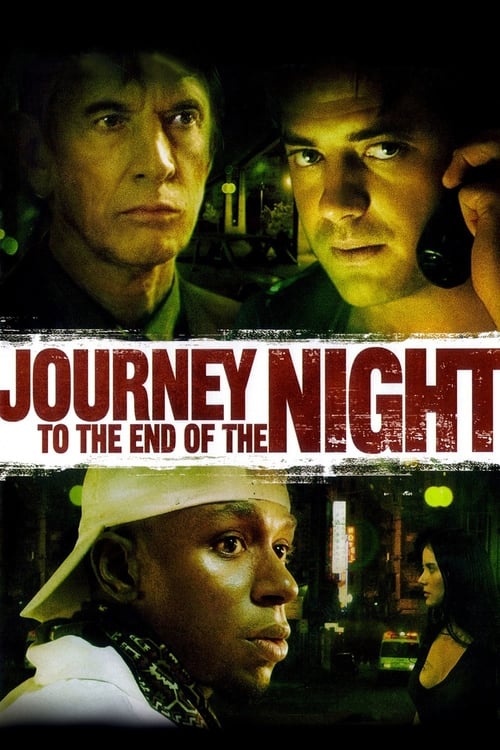
The film’s tone is set by an opening on-screen quotation from French writer Celine’s bitterly misanthropic 1930s novel Journey to the End of the Night.
Advertisement
And that’s when I realized what this movie is: It’s really just Mike Leigh’s Naked all over again… except that this time the sadistic philosopher is a celebrated, wealthy writer who looks pretty cool as he tears the world down around him.

Claire Denis is a remarkable director ( Beau Travail , The Intruder , White Material ), but in this case she has made an absorbing but pretentious puzzle out of a rather empty (yet nasty) set-up.
Claire Denis is a remarkable director ( Beau Travail , The Intruder , White Material ), but in this case she has made an absorbing but pretentious puzzle out of a rather empty (yet nasty) set-up.
Paolo Sorrentino’s The Great Beauty (La grande bellezza in Italian) is relief at last—not that the key word in the title, or the Italian provenance, should mislead you into thinking this is anywhere near the monstrous claptrap of Roberto Benigni’s Life Is Beautiful, a film that so many people cherished that I am doing all I can to summon forgiveness, on the condition that we never mention it again.
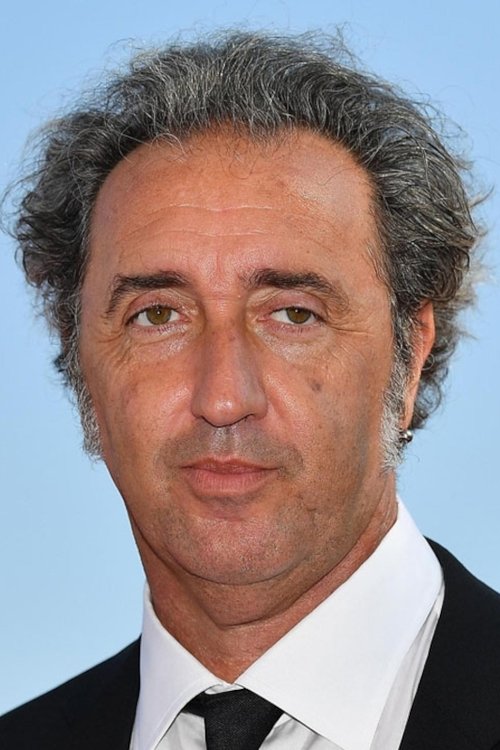

Less patently, the novel has echoes of The Consequences of Love (04), his curiously revisionist take on the male-friendship-exalting French-style noir or polar, and a morbid fascination with the type of dreary provincial “non-places” featured in The Family Friend (06) and This Must Be the Place (11).
Paolo Sorrentino’s follow-up to This Must Be The Place is an alternately elegiac and world-weary cinematic fresco of contemporary Rome that references both the melancholy hedonism of La Dolce Vita or Fellini’s Roma and the decadence of the latter days of the Roman empire.
As with “ Il Divo ” and “ This Must Be the Place ,” Sorrentino continues to tackle major topics using an extraordinary combination of broad brushstrokes and minute detail.
After losing the plot somewhat with his American road movie This Must Be the Place , Paolo Sorrentino returns to the more familiar territory of Felliniesque Roma, a city in which glamour and grotesquerie dance cheek-to-cheek, caught eternally between heaven and hell, between the convent and the Coliseum.
I’ve always been partial to the baroque, crazily exuberant imagination of Italian director Paolo Sorrentino, even when his films are as infuriatingly undisciplined as his last, the self-consciously oddball road movie This Must Be The Place (11).
It was directed by Paolo Sorrentino , whose last big-screen adventure was “This Must Be the Place,” an English-language story about a goth musician (Sean Penn, Kabukied up to look like Robert Smith from the Cure) who, after the death of his father, a Holocaust survivor, comes out of self-imposed exile to become a Nazi hunter .
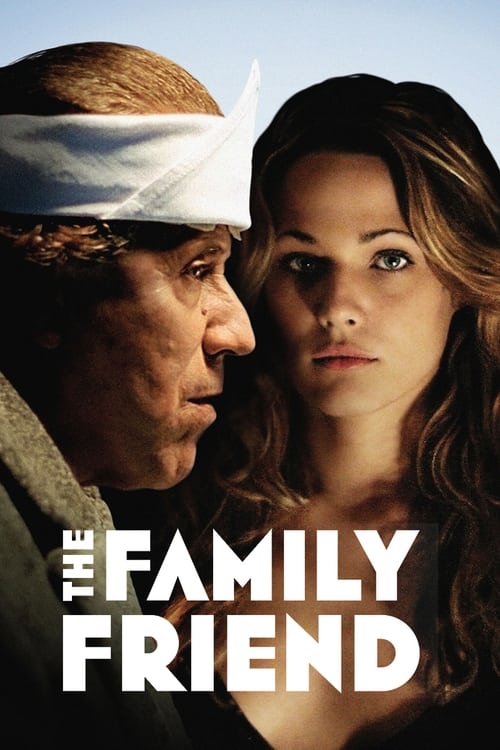
Less patently, the novel has echoes of The Consequences of Love (04), his curiously revisionist take on the male-friendship-exalting French-style noir or polar, and a morbid fascination with the type of dreary provincial “non-places” featured in The Family Friend (06) and This Must Be the Place (11).
In The Consequences of Love (2004), a becalmed man’s speaking to a young woman leads him toward organized crime; The Family Friend (2006) had an unpleasant old man becoming obsessed with a young woman; and Il Divo (2008) was based on the life of politician Giulio Andreotti.
For all his Scorsese slickness, Sorrentino’s true forebear in films such as Il Divo and The Family Friend has been Oliver Stone.

Paolo Sorrentino’s international breakthrough, Il Divo, played like a wan Scorsese homage, its stylistic excess a means of capturing the mindset of its protagonist (an Italian prime minister more gangster than politician) while also playing up its perversity.
As with “ Il Divo ” and “ This Must Be the Place ,” Sorrentino continues to tackle major topics using an extraordinary combination of broad brushstrokes and minute detail.
The film by Paolo Sorrentino (“Il Divo”) is a Fellini-esque carnival of wonders as observed by a jaded 65-year-old writer (Toni Servillo) re-reading his own life with wry regret.
Celebrating Rome in all its decay, this florid comedy by Paolo Sorrentino (Il Divo, This Must Be the Place) opens with a hyperbolically gaudy party honoring a celebrity journalist (Toni Servillo) on his 65th birthday.
Sì, sì and sì: in Paolo Sorrentino’s extravagant, confident, magnificent epic, “The Great Beauty” (La grande bellezza), Rome is front and center in all its decaying beauty and insurgent energy, its “disenchantment and cynicism,” with Sorrentino’s protagonist, the journalist Jep Gambardella (Toni Servillo, “Gomorrah,” “Il divo”), lending his sad eyes to reflect all of society in front of him.
Writer-director Paolo Sorrentino scored spectacularly with the frenetic political biopic Il Divo , which starred his frequent collaborator Toni Servillo.
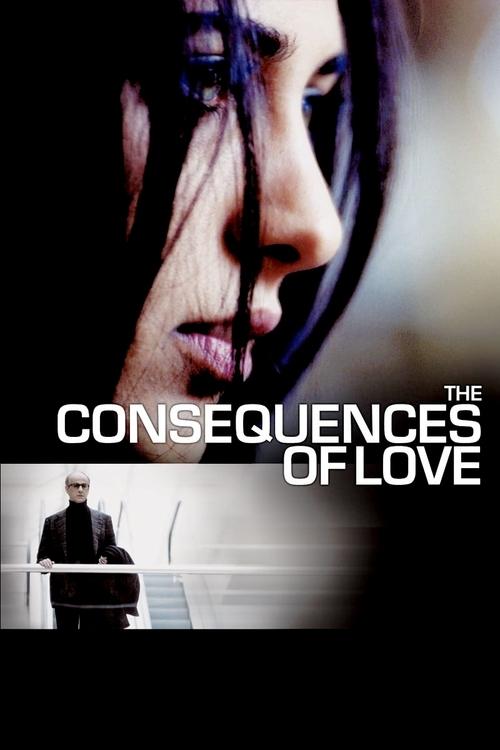
Less patently, the novel has echoes of The Consequences of Love (04), his curiously revisionist take on the male-friendship-exalting French-style noir or polar, and a morbid fascination with the type of dreary provincial “non-places” featured in The Family Friend (06) and This Must Be the Place (11).
After breaking out on the international scene with "The Consequences of Love" and "Il Divo," and then taking a jaunt into English language filmmaking with 2011's "This Must Be The Place," Sorrentino returns to his native country, for a Fellini-esque tale that isn't so much a story as a set of impressions.
Like Fellini, Sorrentino (" This Must Be the Place ," "The Consequences of Love") has a baroque and immersive style.

Its main character is a reprise of the depressed middle-aged singer from his debut feature, One Man Up (01), which was the perfect culmination of and swan song for the glorious Nineties Neapolitan New Wave.
He is, to use an image from Sorrentino's "One Man Up," a big fish circling his own private fishbowl.
Advertisement
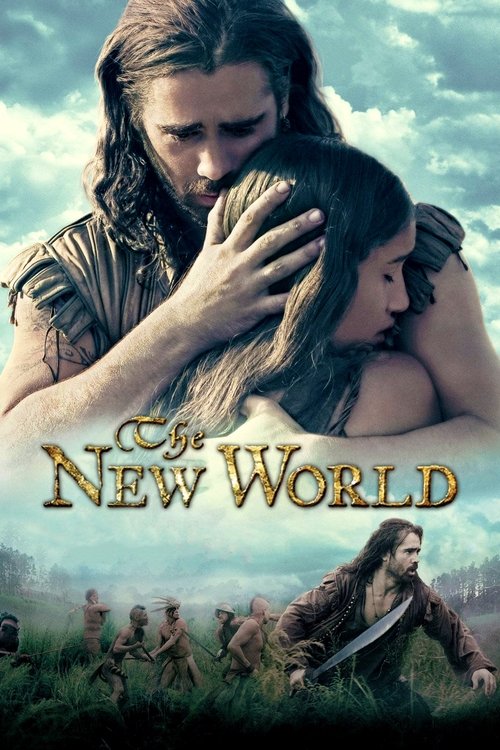
(This film seems as heavily influenced by The New World and The Tree of Life as it so obviously is by 8 1/2 and other Fellini classics.)
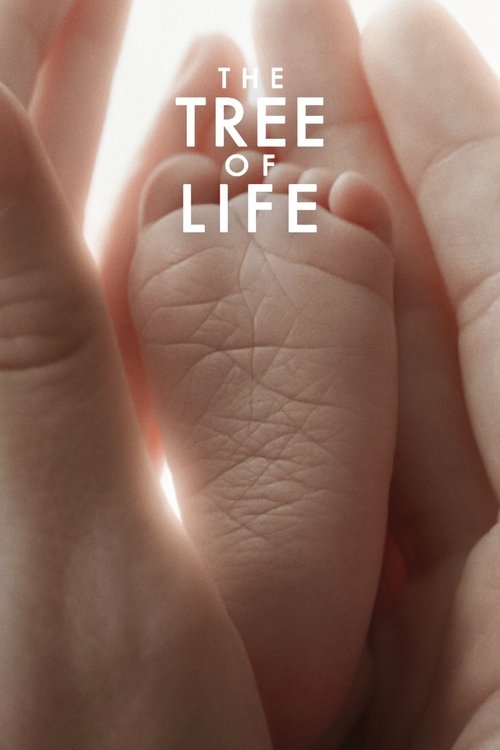
(This film seems as heavily influenced by The New World and The Tree of Life as it so obviously is by 8 1/2 and other Fellini classics.)
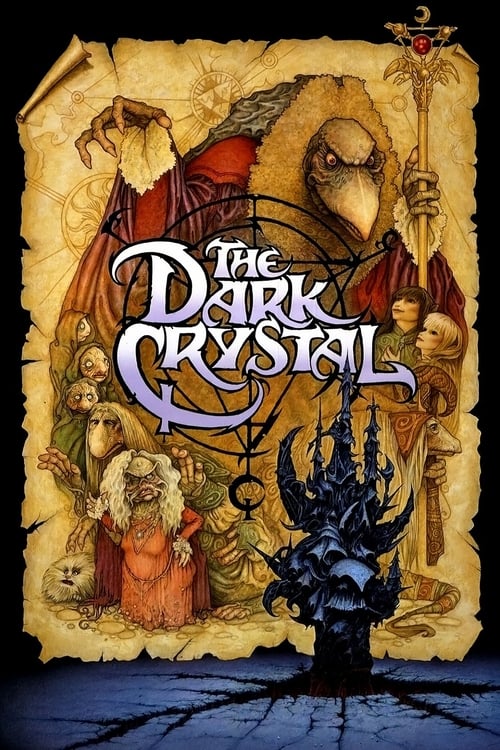
I would have found the last hour more compelling if The Saint hadn’t looked like a leftover Muppet from The Dark Crystal.