

This Must Be the Place (2011)
Directed by Paolo Sorrentino
A bored, retired rock star living in Ireland sets out to find his dead father's tormentor, an ex-Nazi war criminal who is a refugee in the U.S.
3 connections found
View:
3 connections, in both directions
What critics compared This Must Be the Place to
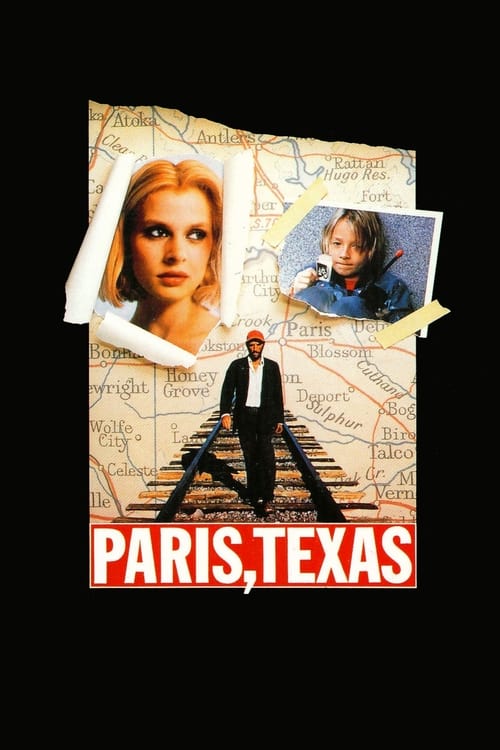


Cheyenne’s road trip to Michigan, New Mexico, and Utah has the feel of a Wim Wenders journey, thus it’s altogether appropriate that Wenders’ Paris, Texas star, Harry Dean Stanton, makes a poetically resonant appearance here as the man who patented the idea of attaching wheels to luggage.
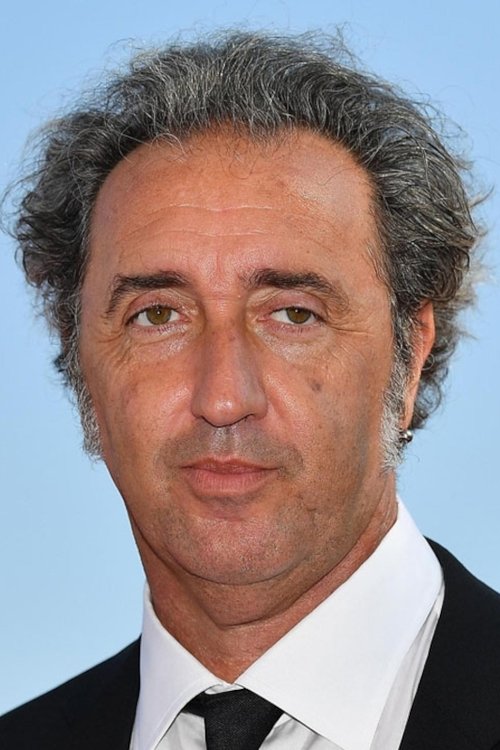
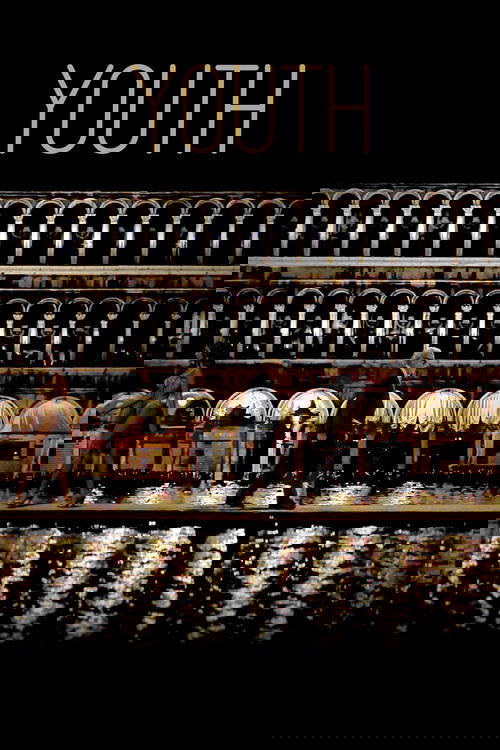
If I had never seen director Paolo Sorrentino’s “ This Must Be the Place ” (2011) or his Academy Award-winning “ The Great Beauty ” (2013), and if my first introduction to the Italian filmmaker had been his new film “Youth,” I honestly believe that I might be swooning over it.
Even in the director’s weirdo-rock-star–Sean Penn–hunts-Nazis road movie This Must Be the Place , the lead character felt more like a ghost than a traveler, a broken man looking for belonging more than vengeance.
In addition, there’s a stronger female presence than has been seen since “This Must Be the Place.”
Co-writer/director Paolo Sorrentino (" The Great Beauty ," " This Must Be the Place ") leaves viewers with the certainty that they not only know as much as the characters played by Michael Caine , Harvey Keitel , Paul Dano , and Rachel Weisz play, but probably more.
Una película hablada en inglés con intérpretes de renombre, como había ocurrido con This Must Be The Place, encabezada por Sean Penn.
Paolo Sorrentino había concretado la suma y potencia de su estilo en La grande bellezza, pero Juventud es otro intento -luego del fallido This Must Be the Place- de hacer cine en inglés.
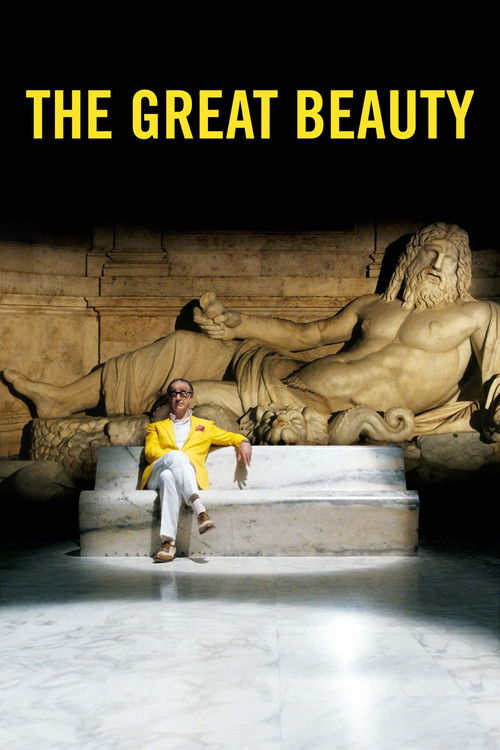
Less patently, the novel has echoes of The Consequences of Love (04), his curiously revisionist take on the male-friendship-exalting French-style noir or polar, and a morbid fascination with the type of dreary provincial “non-places” featured in The Family Friend (06) and This Must Be the Place (11).
Paolo Sorrentino’s follow-up to This Must Be The Place is an alternately elegiac and world-weary cinematic fresco of contemporary Rome that references both the melancholy hedonism of La Dolce Vita or Fellini’s Roma and the decadence of the latter days of the Roman empire.
As with “ Il Divo ” and “ This Must Be the Place ,” Sorrentino continues to tackle major topics using an extraordinary combination of broad brushstrokes and minute detail.
After losing the plot somewhat with his American road movie This Must Be the Place , Paolo Sorrentino returns to the more familiar territory of Felliniesque Roma, a city in which glamour and grotesquerie dance cheek-to-cheek, caught eternally between heaven and hell, between the convent and the Coliseum.
I’ve always been partial to the baroque, crazily exuberant imagination of Italian director Paolo Sorrentino, even when his films are as infuriatingly undisciplined as his last, the self-consciously oddball road movie This Must Be The Place (11).
It was directed by Paolo Sorrentino , whose last big-screen adventure was “This Must Be the Place,” an English-language story about a goth musician (Sean Penn, Kabukied up to look like Robert Smith from the Cure) who, after the death of his father, a Holocaust survivor, comes out of self-imposed exile to become a Nazi hunter .