

Claire Denis
42 connections found







View:
Connections, in both directions



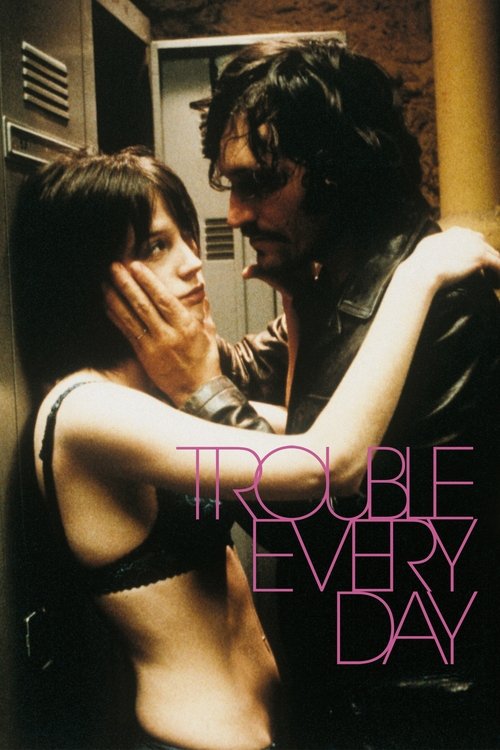
The filmmaking is accomplished, even inventive in places, and yet for all the obvious effort, it mostly succeeds in reminding us of other, better stabs at similar themes and imagery, including and especially Claire Denis’s 2001 thriller Trouble Every Day , with its nightmarish conflation of death and desire.
Or maybe it is Claire Denis’s body-horror romance of Trouble Every Day that Guadagnino is channelling here.
Claire Denis did something similar with her 2001 French horror Trouble Every Day , and Ana Lily Amirpour’s 2017 The Bad Batch chewed that same bone.
From Claire Denis' masterpiece of desire Trouble Every Day to the zom-rom-com Warm Bodies .
Maren’s outpouring additionally fails to resonate because it’s never entirely clear whether Guadagnino and company are trying to make a cold, hollowed-out account of the way this kind of lifestyle erodes the soul as Claire Denis captured in 2001’s Trouble Every Day , or a lovers on the run paean to the secret beauty of the Middle American backwoods.
With films such as Julia Ducournau’s Raw , Claire Denis’ Trouble Every Day , and even Antonia Bird’s Ravenous , cannibalism transcends gory spectacle into discussions of consumption, rage, and burning desire.
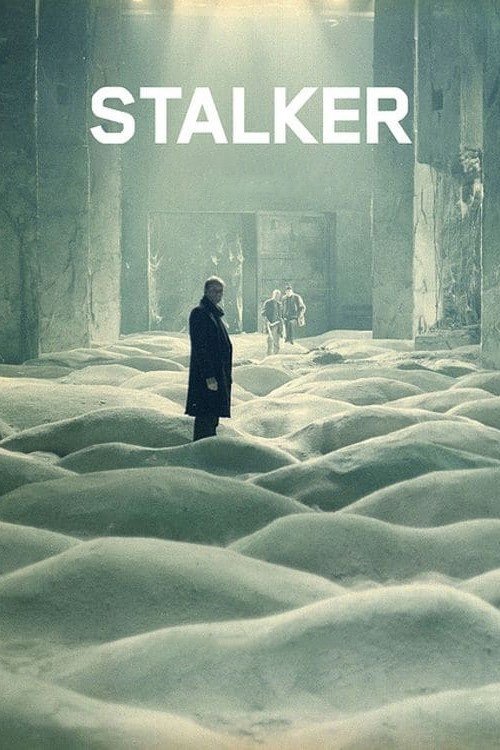
That lush, dewy garden is both a nod to an earthly paradise lost and a reference to Douglas Trumbull’s “Silent Running” — one of a few ’70s science-fiction classics, including those Andrei Tarkovsky landmarks “Solaris” and “Stalker,” that reverberate amid this movie’s deep gloom and spare, temporally ambiguous visual design.
Besides, the most immediate point of reference for “High Life” isn’t George Lucas or Andrei Tarkovsky (though “Stalker” is an obvious lodestar for Denis, both in its mechanics and in its mystery), it’s Paul Schrader, whose “First Reformed” might be the only recent film to be so preoccupied with the end of all existence, and the possibility of wresting some kind of future from the obsidian-black darkness that stretches out before us.
The only distant predecessors are probably Andrei Tarkovsky’s Solaris and Stalker , which Denis calls her "good luck charms" in the press notes and whose influence you can feel in the way she cuts between the harsh surfaces of the spaceship (which have a very video-like HD look to them) and the grainier textures of Earth (which were shot on 16mm).
Clearly Denis is operating under the creative influence of Andrei Tarkovsky’s 1970s sci-fi classics, “Solaris” and “Stalker,” potent blends of psychological thriller and adventure into the unknown.
It’s as if on Earth High Life is in the realm of Stalker ; in space, where memory and hallucination stake their claim, in that of Solaris .
You can look to recent films like Upstream Color or Cloud Atlas or go further back to The Man Who Fell to Earth , Stalker, or even 2001: A Space Odyssey .

Titane (2021)
Directed by Julia Ducournau
influenced by Beau Travail (2000), High Life (2018)
Visuals
Cutting her hair and performing a radical act of impromptu auto-rhinoplasty, Alexia presents herself as a boy, then forms an increasingly perverse father-son bond with Vincent (Lindon), the troubled, body-pumping, steroid-shooting den daddy to a squadron of firefighters - whose all-male dance sessions suggest a flashier tribute to Claire Denis’s homoerotic images of the Foreign Legion in Beau Travail .
Nodding to Cronenberg and anime and Claire Denis (there’s “Beau Travail” in the many men-with-men dancing scenes, and there’s a little “High Life” fuckbox in the car-intercourse scenes) and “Holy Motors” and Nicolas Winding Refn (if he had the stones), “Titane” is bold in its reference points, no-holds-barred in its approach to some of the hottest-button issues of the day, and brash – and often very funny – in its deliciously grisly and inventive image-making.
Plus, a gaggle of bro-y firefighters let it all loose to some disco in the most rapturous dance scene since Claire Denis’ “Beau Travail.”
It may not be long before Titane is programmed as a double feature alongside Beau Travail.
Nodding to Cronenberg and anime and Claire Denis (there’s “Beau Travail” in the many men-with-men dancing scenes, and there’s a little “High Life” fuckbox in the car-intercourse scenes) and “Holy Motors” and Nicolas Winding Refn (if he had the stones), “Titane” is bold in its reference points, no-holds-barred in its approach to some of the hottest-button issues of the day, and brash – and often very funny – in its deliciously grisly and inventive image-making.
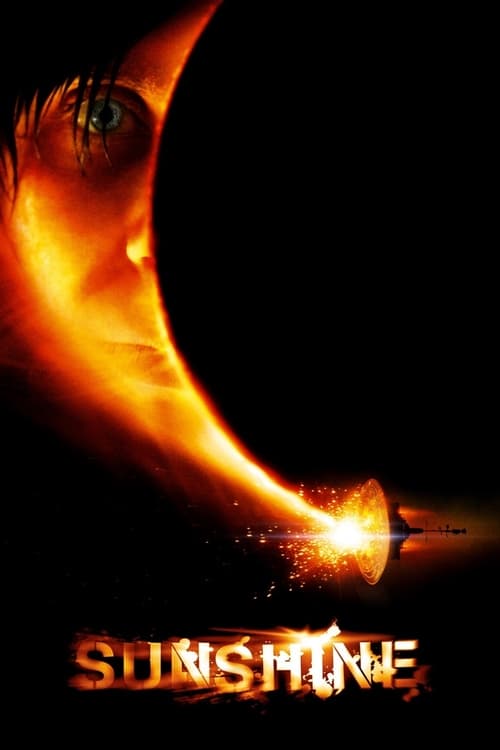
There are shades of other wonderful features here: a glorious green garden is reminiscent of the environmental isolation of Silent Running ; the team’s objective is similar to Danny Boyle’s Sunshine , although tonally disparate.
I’m thinking of John Carpenter’s Dark Star and Douglas Trumbull’s Silent Running —and the lushly damp-bejeweled hothouse foliage seen throughout High Life appears directly to echo that movie’s environmental imagery (a version of the artificial space jungle also appeared in Danny Boyle’s Sunshine , another desperate-journey drama).
High Life skips the technical accuracy in favor of a compendium of callbacks to other movies set on spaceships: the long, quiet maintenance sessions of 2001: A Space Oddity; the grubbiness of Alien; the flourishing garden oasis of 2007's Sunshine.
High Life follows in the tradition of space horrors like Danny Boyle’s Sunshine and the groundbreaking 2001: A Space Odyssey (and, to a certain degree, the David storyline in the later Alien films, like Prometheus and Covenant) in its questioning of what makes the human experience, what components are required of it, what makes a life.
Their world on the spaceship is not the sterile and symmetrical aesthetic of Kubrick’s 2001: A Space Odyssey , but a grimy and organic environment of fluids and violence, more like the lived-in aesthetic of Alien meets the philosophy of Tarkovsky’s Solaris or Boyle’s Sunshine .

Previous foreign movies, including Claire Denis' Trouble Every Day and Jorge Michel Grau's We Are What We Are, have attempted similar feats by combining B-grade genre tropes like cannibalism with more upscale filmmaking, though Raw both does that and adds a welcome layer of Hollywood-style polish straight out of Craven or Carpenter.
If not the devilish, post-apocalyptic romp, “Delicatessen” (1991), perhaps Claire Denis’ “Trouble Every Day” (2001) would make a great double bill with “Raw.”
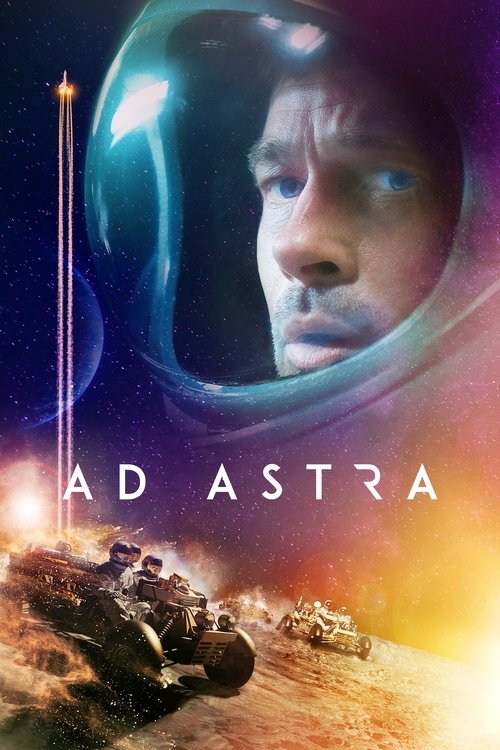
Upon my recent announcement that Ad Astra was my top film of 2019 so far, I encountered a small but vocal group of cinephiles who insisted that High Life , a similarly existential space movie, was actually better.
With apologies to James Gray’s intermittently visionary Ad Astra, High Life stands as the downbeat science-fiction movie of the year, and also of this young millennium thus far.
Many “Ad Astra” scenes exemplify alienation or isolation, though they’re arguably less effective than Claire Denis’ 2019 “High Life,” which addressed some of the same themes.
While Pella Kågerman and Hugo Lilja’s Aniara more effectively evoked the existential horrors of being lost and alone in the universe, and Claire Denis’s High Life played the inner/outer space riff with greater oddball conviction, neither of these superior films had the spectacular, crowd-pleasing appeal of Gray’s pulpy epic.
Truthfully, Gray’s feature rather terrifically splits the difference between the high-momentum survival thrills of Gravity and Interstellar and artier, more ruminative sci-fi touchstones: 2001: A Space Odyssey (1968), Solaris (1972) The Fountain (2006), Melancholia (2011), Arrival (2016), and Claire Denis’ recent, slippery contribution to that sub-genre, High Life .
It was a question posed online the other day by film-festival programmer Miriam Bale, sparked by the new-found extraterrestrial enthusiasm of such previously earthbound auteurs as High Life’s Claire Denis, First Man’s Damien Chazelle and, as of this weekend, Ad Astra’s James Gray.
It ends with a dance scene (another fucking Beau Travail (Claire Denis, 1999) homage) and as the great climax of the film, I knew that people back home watching this at London Film Festival are going to be crying.
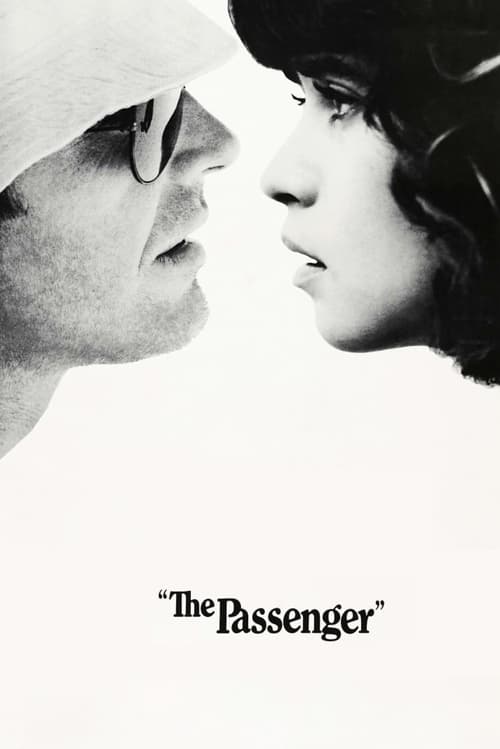
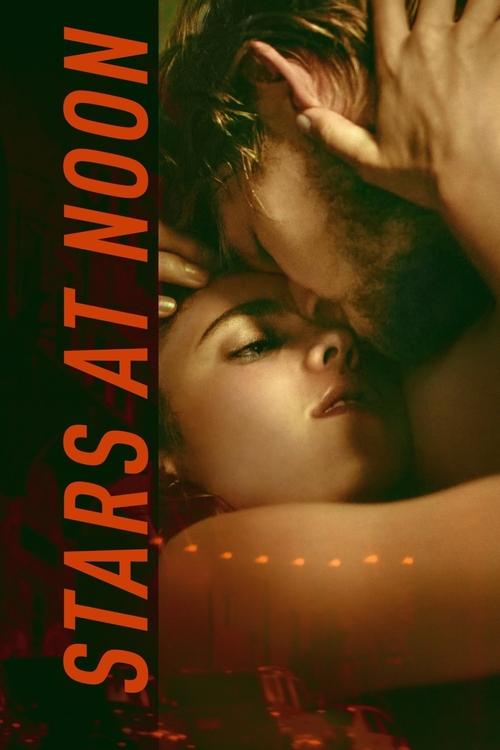
Denis crafts Stars at Noon into what Antonioni might have done with Joan Didion’s The Last Thing He Wanted, for it’s strikingly reminiscent of his 1975 title The Passenger (although shades of his Trilogy on Decadence warrant comparison).
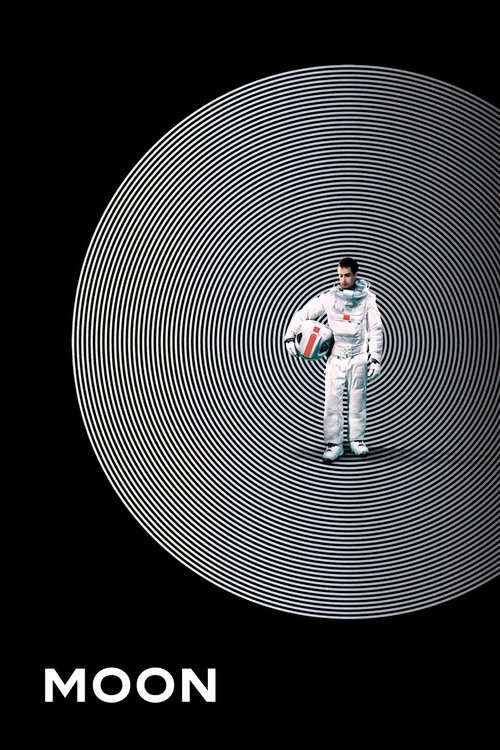
I was reminded of Solaris , or Moon , both of which proffer visions of space as a crucible for loneliness and despair.
In equal parts HBO’s Oz meets Solaris by way of Moon and 2004’s Innocence , the film strikes a lot of chords with with balanced elegance.
Like Sam Rockwell in Moon, he has to be his own audience.
The opening sections seem to promise something along the lines of Duncan Jones’ “Moon” or Ridley Scott’s “Alien” — an industrial, blue-collar cousin to your “Star Trek” voyages, where everything is sort of dirty and barely functional.
Denis may have pulled off a bait-and-switch: High Life promises a Moon-like showcase for Pattinson, who's been drawing glowing reviews for his indie work in recent years.

First Man (2018)
Directed by Damien Chazelle
influenced by 35 Shots of Rum (2009), Friday Night (2002), Bastards (2013), Beau Travail (2000), Trouble Every Day (2001)
Themes Visuals
Denis is known for the tender father-daughter relationship depicted in her 35 Shots of Rum (a retelling of Ozu’s Late Spring), but she more recently took up the theme in Bastards, her 2013 adaptation of Faulkner’s Sanctuary that reaches a horrifying and incestuous conclusion.
In previous Denis works like 35 Shots of Rum (2008) and Bastards (2013), an anxious feeling hangs over the father-daughter relationship.
Denis is known for the tender father-daughter relationship depicted in her 35 Shots of Rum (a retelling of Ozu’s Late Spring), but she more recently took up the theme in Bastards, her 2013 adaptation of Faulkner’s Sanctuary that reaches a horrifying and incestuous conclusion.
In previous Denis works like 35 Shots of Rum (2008) and Bastards (2013), an anxious feeling hangs over the father-daughter relationship.
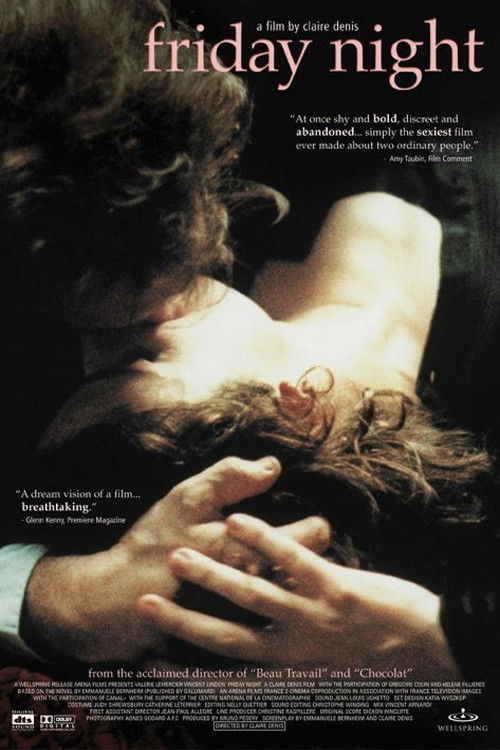
The first act of High Life is Denis at her most tender, recalling the loving embraces of the one-night-stand lovers from her 2002 film Friday Night , albeit in a familial context.
High Life seems to aspire to be a cosmic Beau Travail—her dreamlike 1999 adaptation of Billy Budd, set among French Foreign Legion soldiers training in the desert—but it is ultimately too capricious.
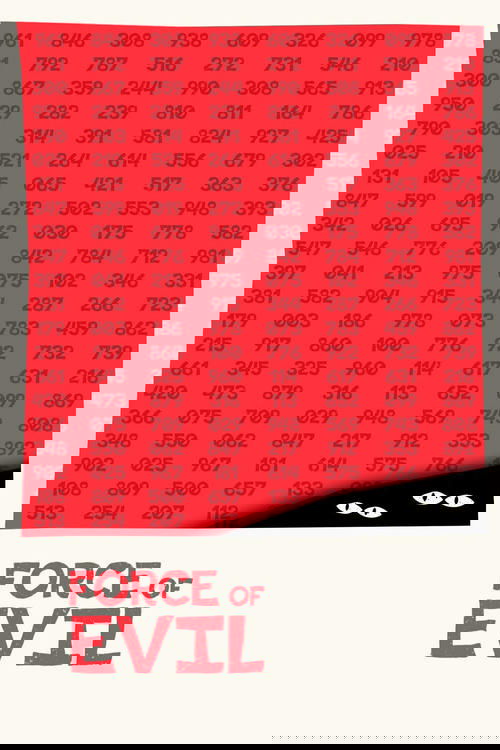
If the title Force Of Evil hadn’t already been taken by Abraham Polonsky’s great 1948 tale of brothers hung up in the numbers racket, it would apply to Claire Denis’ noir-inflected Bastards, though the pluralization pointedly spreads the blame around.
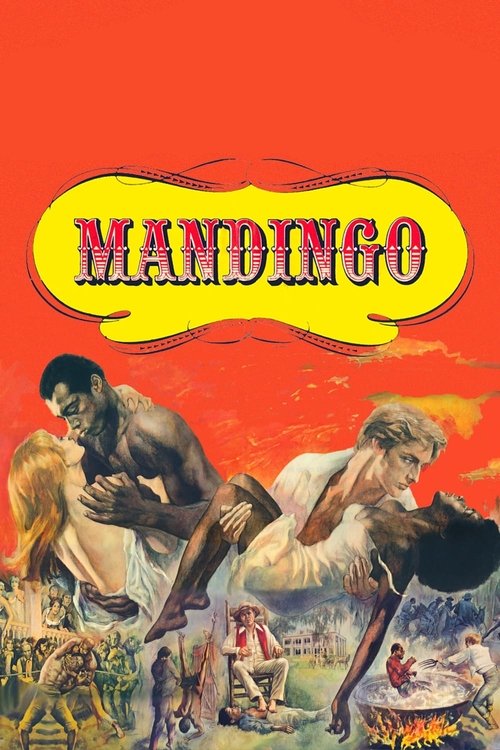
Curiously, the ultimate tone of the piece, at least on an intellectual plane, is closer to Richard Fleischer’s much-derided slavery epic Mandingo (1975) than it is to most melodramas centred on plucky women; in a Denis diagram, typically, we watch all the figures flail around inside the contradictions of their personal and social positions.

The film occasionally brings to mind Claire Denis’s spacebound psychosexual drama High Life , in which a group of convicts are stuck on a spaceship and forced to contemplate matters of existence.
The premise of placing groups of people inside spaceships and seeing what happens to them under extreme circumstances has cropped up recently, and successfully, in the Swedish-Danish film Aniara and A24’s French-German production, High Life , both released in 2018.
Like “Passengers” (2016) and Clare Denis’ alluring jump into space, “High Life” (2019), “Voyagers” is more about the sexual and personality play among those onboard as opposed to the quest at hand.

Moonlight (2016)
Directed by Barry Jenkins
influenced by I Can't Sleep (1994), Beau Travail (2000), Trouble Every Day (2001)
Themes Visuals
He’s a cinephile, and for his key influence, he repeatedly cites the great masters of sensual cinema, and one of the shrewdest observers of modern masculinity, the French master Claire Denis (“Trouble Every Day,” “I Can’t Sleep”).
We get a brief glimpse of Little dancing without a care in the world in what's surely a nod at "Beau Travail."
He’s a cinephile, and for his key influence, he repeatedly cites the great masters of sensual cinema, and one of the shrewdest observers of modern masculinity, the French master Claire Denis (“Trouble Every Day,” “I Can’t Sleep”).
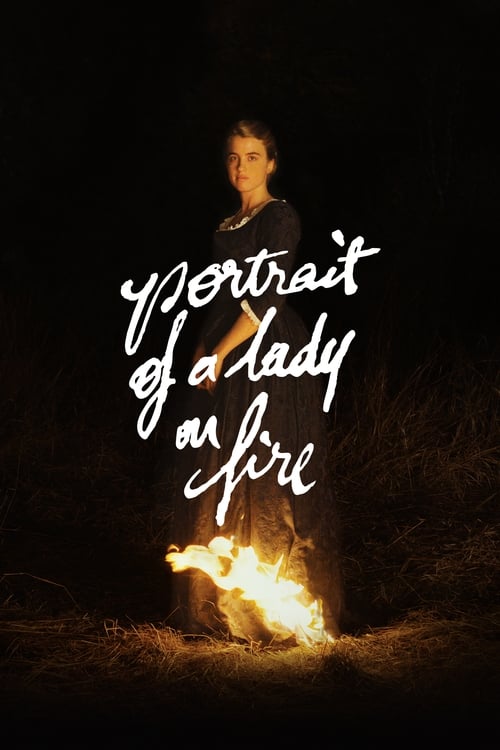
Portrait of a Lady on Fire (2019)
Directed by Céline Sciamma
influenced by Beau Travail (2000)
Visuals
And in a movie in which turning your head to look back acquires accrues a deeper, tragic meaning, it is a character-defining scene that thrums with the same spell-binding beauty of Denis Lavant’s last dance in Claire Denis’ Beau Travail.
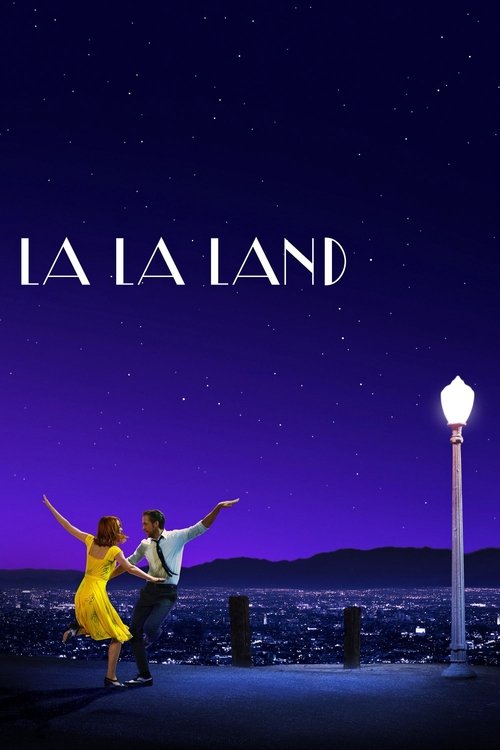
En un artículo reciente para Los Angeles Times, el cineasta Damien Chazelle enfatizaba el momento en que la emoción rebasa la lógica y el sentido del mundo, encontrando como único canal de salida una tonada que dirige un movimiento: baile y música, poniendo como uno de varios ejemplos el magistral final de Beau Travail, firmada por Claire Denis.

The Great Beauty (2013)
Directed by Paolo Sorrentino
influenced by Beau Travail (2000), White Material (2010)
Claire Denis is a remarkable director ( Beau Travail , The Intruder , White Material ), but in this case she has made an absorbing but pretentious puzzle out of a rather empty (yet nasty) set-up.
Claire Denis is a remarkable director ( Beau Travail , The Intruder , White Material ), but in this case she has made an absorbing but pretentious puzzle out of a rather empty (yet nasty) set-up.

Like Denis' sublimely impenetrable The Intruder (2004), the point is to get hopelessly lost in the film's eerie, unsettling flow.
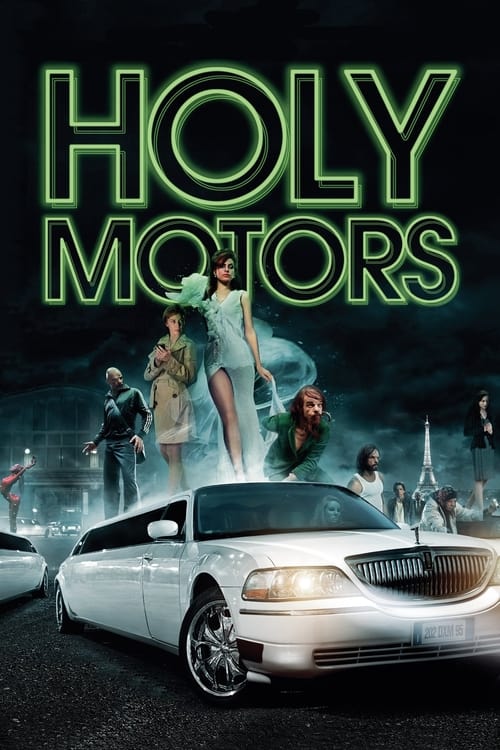
Monsieur Oscar (Denis Lavant, "Beau Travail") awakens and pushes through a wall adorned with prints of trees to find a cinema audience looking away from him, towards a screen.
The rubbery, indispensable Carax regular Denis Lavant (Beau Travail) plays Monsieur Oscar, a man whose job ?
He's formally dressed like a businessman, and one of his daughters calls from the roof: "Travaille bien" ("work hard"), a comic reference to Claire Denis's film Beau travail (aka Nice Work), a reshaping of Melville's Billy Budd set in the French Foreign Legion, in which Lavant played the Claggart figure.
Denis Lavant, the ugly/beautiful primal force of Les amants du Pont-Neuf and Beau Travail, is the committed actor, delivered from set to set in a long white limousine dressing room, the arts equivalent to the traveling office of Cronenberg’s Cosmopolis (I think there is a great double feature to be found here).
Sometimes an inspired performance is enough: If you’re even remotely a fan of the pug-faced, irrepressibly physical Denis Lavant (a dazzling dancer in Beau Travail), then go ahead and add a few more stars.

Is it an inability to jibe with this new maturity—I have been a son, after all, while I have not been a father—or the old story of the auteurist enthusiast thrown the moment that their favorite varies from an accustomed formula, which I can well remember coloring the receptions of such films as Hou Hsiao-hsien’s Millennium Mambo (2001), Claire Denis’s Trouble Every Day (2001), and Tsai Ming-liang’s The Wayward Cloud (2005)?