
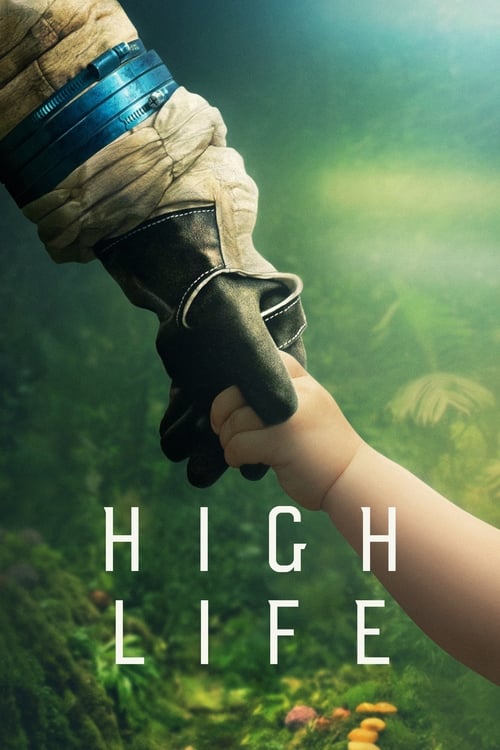
High Life (2018)
Directed by Claire Denis
Monte and his daughter are the last survivors of a damned and dangerous mission to deep space. The crew—death-row inmates led by a doctor with sinister motives—has vanished. As the mystery of what happened onboard the ship is unraveled, father and daughter must rely on each other to survive as they hurtle toward the oblivion of a black hole.
7 connections found
View:
7 films that influenced High Life
What critics say influenced High Life
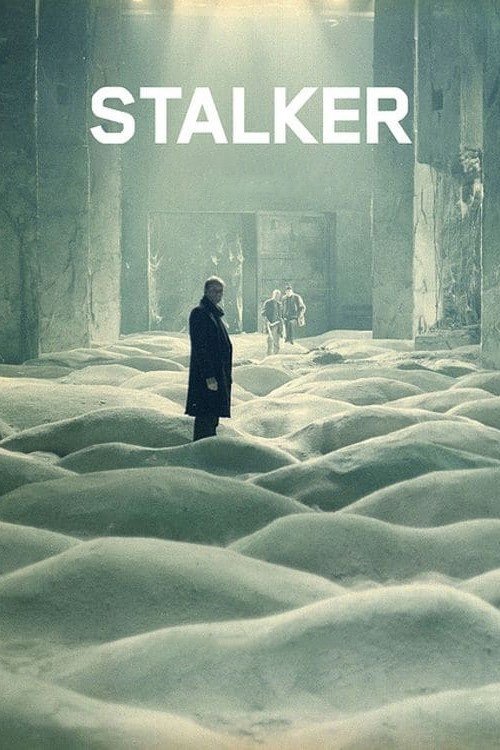


That lush, dewy garden is both a nod to an earthly paradise lost and a reference to Douglas Trumbull’s “Silent Running” — one of a few ’70s science-fiction classics, including those Andrei Tarkovsky landmarks “Solaris” and “Stalker,” that reverberate amid this movie’s deep gloom and spare, temporally ambiguous visual design.
Besides, the most immediate point of reference for “High Life” isn’t George Lucas or Andrei Tarkovsky (though “Stalker” is an obvious lodestar for Denis, both in its mechanics and in its mystery), it’s Paul Schrader, whose “First Reformed” might be the only recent film to be so preoccupied with the end of all existence, and the possibility of wresting some kind of future from the obsidian-black darkness that stretches out before us.
The only distant predecessors are probably Andrei Tarkovsky’s Solaris and Stalker , which Denis calls her "good luck charms" in the press notes and whose influence you can feel in the way she cuts between the harsh surfaces of the spaceship (which have a very video-like HD look to them) and the grainier textures of Earth (which were shot on 16mm).
Clearly Denis is operating under the creative influence of Andrei Tarkovsky’s 1970s sci-fi classics, “Solaris” and “Stalker,” potent blends of psychological thriller and adventure into the unknown.
It’s as if on Earth High Life is in the realm of Stalker ; in space, where memory and hallucination stake their claim, in that of Solaris .
You can look to recent films like Upstream Color or Cloud Atlas or go further back to The Man Who Fell to Earth , Stalker, or even 2001: A Space Odyssey .
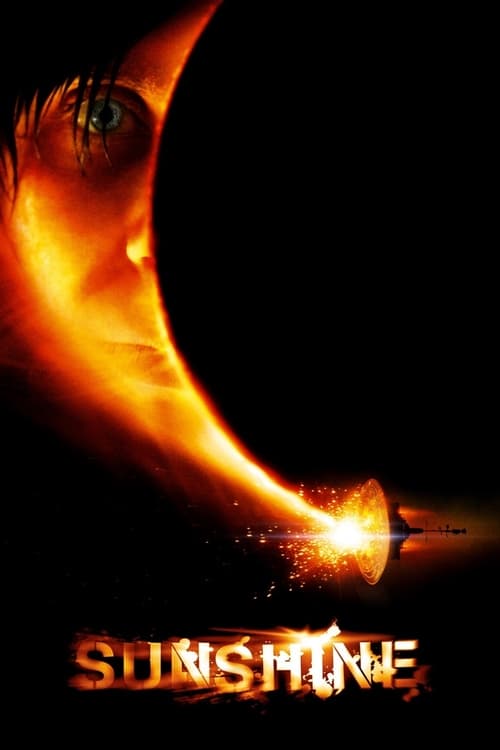
There are shades of other wonderful features here: a glorious green garden is reminiscent of the environmental isolation of Silent Running ; the team’s objective is similar to Danny Boyle’s Sunshine , although tonally disparate.
I’m thinking of John Carpenter’s Dark Star and Douglas Trumbull’s Silent Running —and the lushly damp-bejeweled hothouse foliage seen throughout High Life appears directly to echo that movie’s environmental imagery (a version of the artificial space jungle also appeared in Danny Boyle’s Sunshine , another desperate-journey drama).
High Life skips the technical accuracy in favor of a compendium of callbacks to other movies set on spaceships: the long, quiet maintenance sessions of 2001: A Space Oddity; the grubbiness of Alien; the flourishing garden oasis of 2007's Sunshine.
High Life follows in the tradition of space horrors like Danny Boyle’s Sunshine and the groundbreaking 2001: A Space Odyssey (and, to a certain degree, the David storyline in the later Alien films, like Prometheus and Covenant) in its questioning of what makes the human experience, what components are required of it, what makes a life.
Their world on the spaceship is not the sterile and symmetrical aesthetic of Kubrick’s 2001: A Space Odyssey , but a grimy and organic environment of fluids and violence, more like the lived-in aesthetic of Alien meets the philosophy of Tarkovsky’s Solaris or Boyle’s Sunshine .
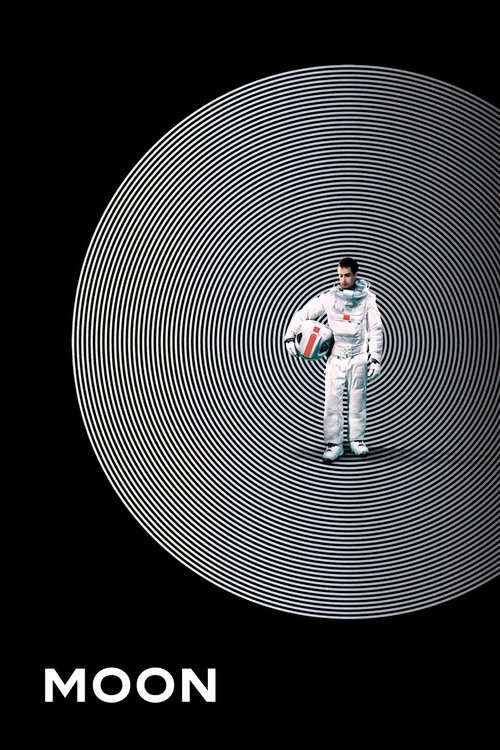
I was reminded of Solaris , or Moon , both of which proffer visions of space as a crucible for loneliness and despair.
In equal parts HBO’s Oz meets Solaris by way of Moon and 2004’s Innocence , the film strikes a lot of chords with with balanced elegance.
Like Sam Rockwell in Moon, he has to be his own audience.
The opening sections seem to promise something along the lines of Duncan Jones’ “Moon” or Ridley Scott’s “Alien” — an industrial, blue-collar cousin to your “Star Trek” voyages, where everything is sort of dirty and barely functional.
Denis may have pulled off a bait-and-switch: High Life promises a Moon-like showcase for Pattinson, who's been drawing glowing reviews for his indie work in recent years.

Yorick Le Saux’s cinematography is restrained and intimate, though it captures the same kind of tactile beauty amid sleaze, in the same ochres and browns, as in Denis’ “Bastards.”
Denis is known for the tender father-daughter relationship depicted in her 35 Shots of Rum (a retelling of Ozu’s Late Spring), but she more recently took up the theme in Bastards, her 2013 adaptation of Faulkner’s Sanctuary that reaches a horrifying and incestuous conclusion.
The scene, however outrageous, calls to mind others from Denis’s filmography, like the ghastly “sex barn” from her scabrous, furious Bastards (2013), loosely inspired by the excesses of Dominique Strauss-Kahn.
In the screening room, I heard another attendee compare the film, which the person previously saw at a festival, to Denis’s more disturbing Bastards (2013) and Trouble Every Day (2001).
This is Claire Denis, after all, the director of Trouble Every Day and Bastards , movies that are nothing if not extreme.
Advertisement
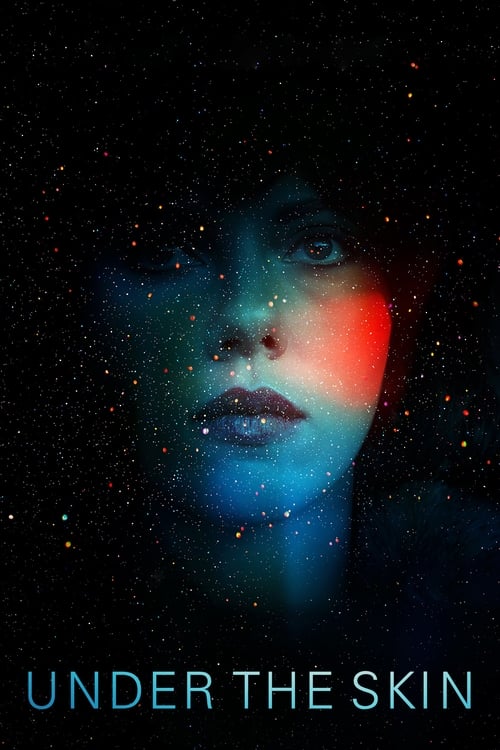
It’s notable that the most sexually transgressive science-fiction thriller since Jonathan Glazer’s “Under the Skin” takes place aboard one of the least sexy spaceships ever designed.
It has some of the menacing surface allure of Under The Skin (2013) although Denis keeps her science-fiction very low-tech.
As surely as Jonathan Glazer’s Under the Skin and this Alex Garland’s Annihilation , High Life leads the frontier of a new science fiction of the body.
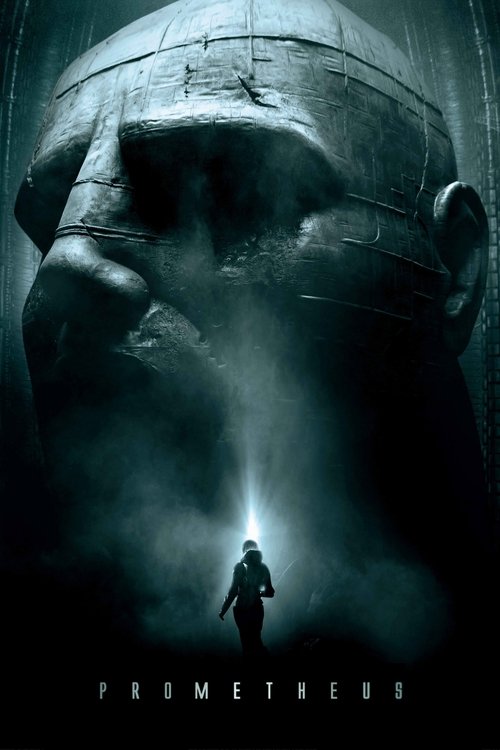
The meeting of flesh and machine, in the Box, is as unnerving as the C-section performed by a robot, in “Prometheus” (2012), while Denis’s cluster of foulmouthed prisoners, afloat in the void, brings back “Alien 3” (1992).
High Life follows in the tradition of space horrors like Danny Boyle’s Sunshine and the groundbreaking 2001: A Space Odyssey (and, to a certain degree, the David storyline in the later Alien films, like Prometheus and Covenant) in its questioning of what makes the human experience, what components are required of it, what makes a life.
Part Under the Skin , part Prometheus , part I don’t even know, this space oddity features enough sex and death and bodily fluids to satisfy nearly everyone, but good luck trying to penetrate its enigmatic nature.
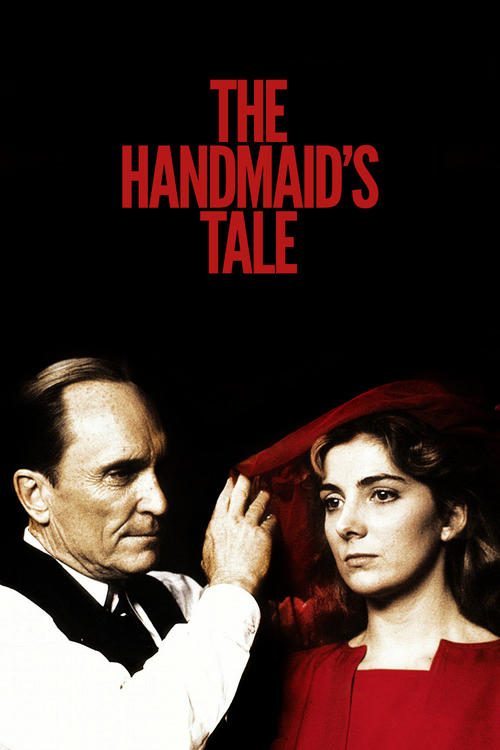
Think The Handmaid’s Tale by way of David Cronenberg.