
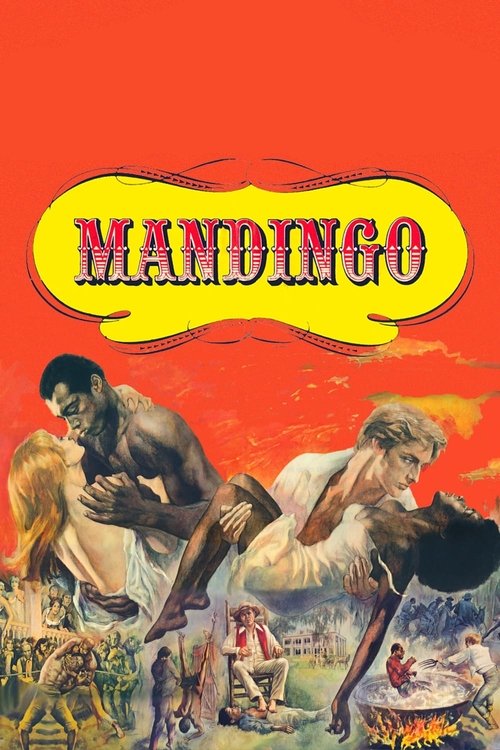
Mandingo (1975)
Directed by Richard Fleischer
Warren Maxwell, the owner of a run-down plantation, pressures his son, Hammond, to marry and produce an heir to inherit the plantation. Hammond settles on his own cousin, Blanche, but purchases a sex slave when he returns from the honeymoon. He also buys his father a new Mandingo slave named Mede to breed and train as a prize-fighter.
7 connections found
View:
7 connections, in both directions
What critics compared Mandingo to
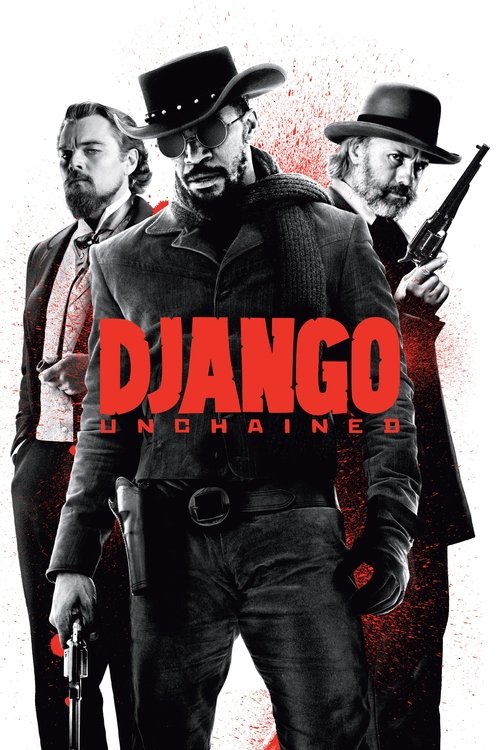


Less-high-flown references evoke Mel Brooks’s Blazing Saddles and Richard Fleischer’s Mandingo, with former heavyweight boxing champ Ken Norton as the sex slave.
Being the ostentatious character that he is, Schultz devises an elaborate plan to secure her freedom by posing as a buyer with a special interest in 'Mandingos' - slaves who are reared to fight to the death (in a reference to the 1975 film Mandingo ).
But much more forceful is the cruelty dispensed by the Southern whites, both as punishment and whim; attack dogs are unleashed on one man, Mandingo fighters (in an homage to the unforgettable 1975 Mandingo) battle to the death in a beautifully appointed drawing room for the wealthy’s amusement, a woman is locked naked in a metal “hot box,” genital mutilation is arranged for a man and much more.
But only one major-studio film of the modern era, Richard Fleischer's notorious 1975 Mandingo, dared to meet slavery on its own terms—a grind house bacchanal of sadism, incest, and miscegenation, capped by an unforgettable finale in which the eponymous bare-knuckle fighter is boiled alive by his master in a cauldron.
The ’70s also spawned some spectacularly lurid melodramas set in the Old South, including Mandingo, with ex-heavyweight champ Ken Norton as the sex slave of fluttery plantation ladies, and the mockumentary Goodbye, Uncle Tom, in which the directors of Mondo Cane submitted Haitian blacks to nearly as much degradation as their slave forebears.
But Django must swallow his pride and pretend to be that most hated of things, a "Mandingo", a fighter-trainer and the white man's tame plaything, and uncomfortably close to Stephen's domestic servitude.
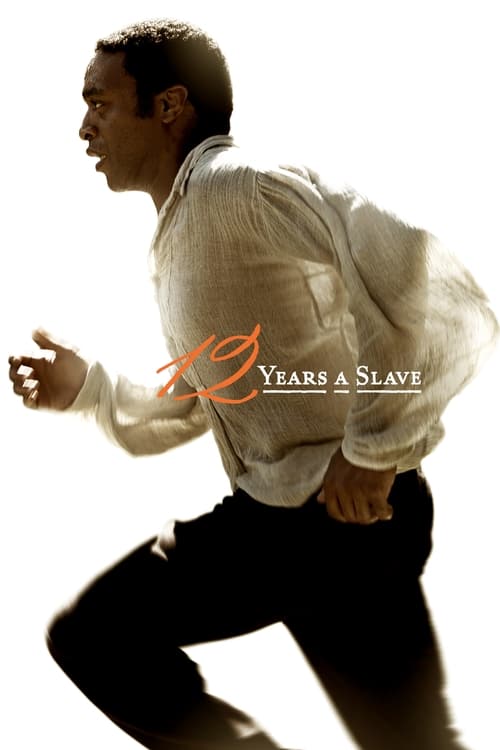
With its villainous overseers, so free with the N-word, and its scenes of sadistic violence, "12 Years a Slave" inevitably recalls such previous and nakedly exploitative slave sagas as " Mandingo " (1975) and that film's sequel, "Drum" (1976).
One of the shocks of “12 Years a Slave” is that it reminds you how infrequently stories about slavery have been told on the big screen, which is why it’s easy to name exceptions, like Richard Fleischer’s demented, at times dazzling 1975 film, “Mandingo.”
Mandingo (1975) turned the subject into softcore cheese.
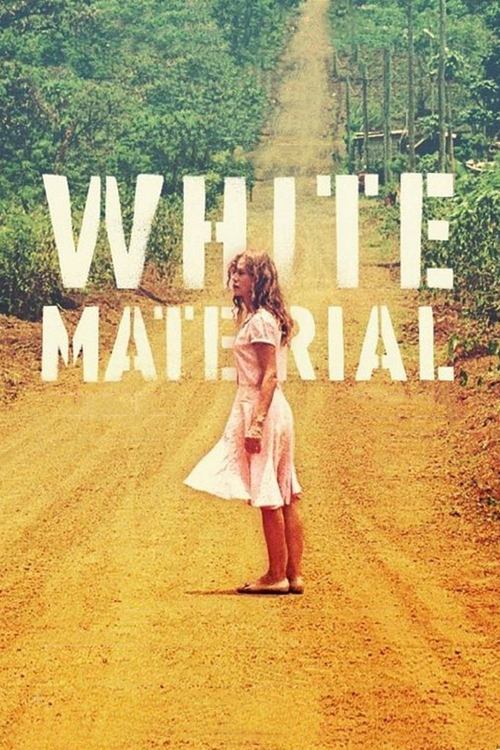
Curiously, the ultimate tone of the piece, at least on an intellectual plane, is closer to Richard Fleischer’s much-derided slavery epic Mandingo (1975) than it is to most melodramas centred on plucky women; in a Denis diagram, typically, we watch all the figures flail around inside the contradictions of their personal and social positions.

I could rattle off a number of films that have done this —“Mandingo” (1975), “Drum” (1976), “Roots” (1977), “Beloved” (1998), “Django Unchained” (2012) and “12 Years a Slave” (2013) come to mind—and while I may not have liked all of these films, I would argue that each one treated the subject with enough seriousness and respect (even “Django Unchained,” despite its overtly pulpy nature) to earn those images.
Advertisement
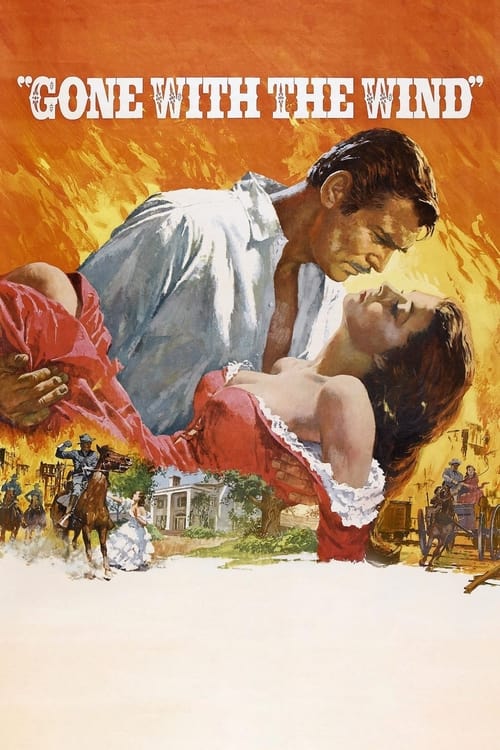
Like the crumbling mansion at its center, Mandingo is a rotting remnant of the old South's glory days: It's Gone With The Wind gone rancid.
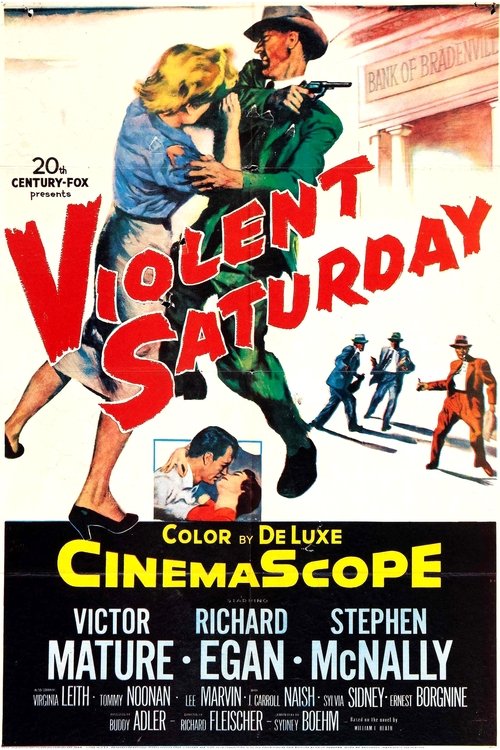
Considering that Richard Fleischer's 1955 film Violent Saturday made small-town America look like a roiling cesspit, it's unsurprising that his 1975 feature Mandingo, set on a slave plantation in the Deep South, is a sordid wallow in antebellum depravity.
A native of New Bedford and one of the ’70s unsung celluloid heroes, Wexler penned outrageous provocations like “Joe” and “Mandingo” while scoring an Oscar nomination for his “Serpico” screenplay.
With credits like "Joe," "Serpico" and "Mandingo" behind him, Norman Wexler is obviously not the writer you engage for the light comic touch.