
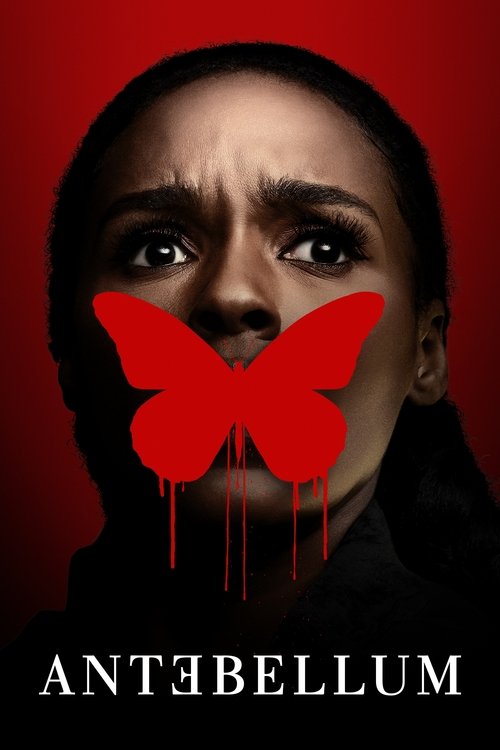
Antebellum (2020)
Directed by Gerard Bush
Successful author Veronica finds herself trapped in a horrifying reality and must uncover the mind-bending mystery before it's too late.
9 connections found
View:
9 films that influenced Antebellum
What critics say influenced Antebellum
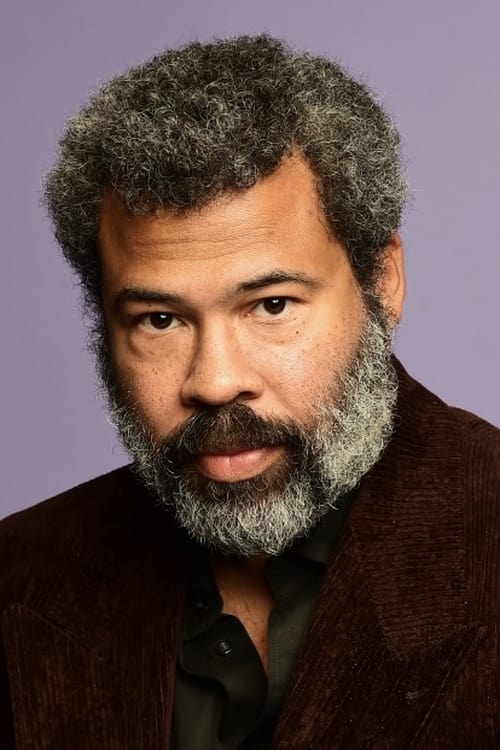
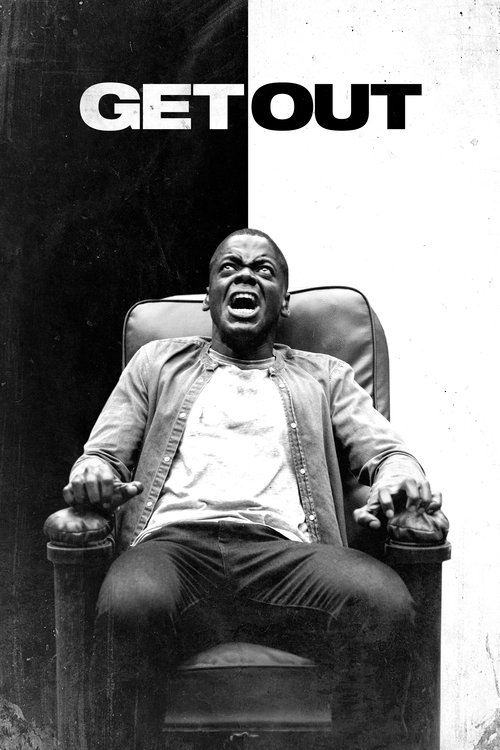


Antebellum utterly fails its own bold premise, coming off like a shrill, tone-deaf take on the current culture wars, similar to the recent smug thriller The Hunt , rather than a sophisticated mash-up of genre story and social commentary like Jordan Peele’s Get Out .
And while there will likely be comparisons to Jordan Peele’s “Get Out,” and “Us,” that does not diminish the achievement of “Antebellum” or its message.
Bush and Renz initially create a fraught and eerie atmosphere that runs, in many ways, parallel to Jordan Peele’s Get Out (2017).
Although Antebellum doesn’t match the progressive paranoia of Get Out , there are signals that things here aren’t right.
It’s what made Jordan Peele’s Get Out so refreshingly remarkable.
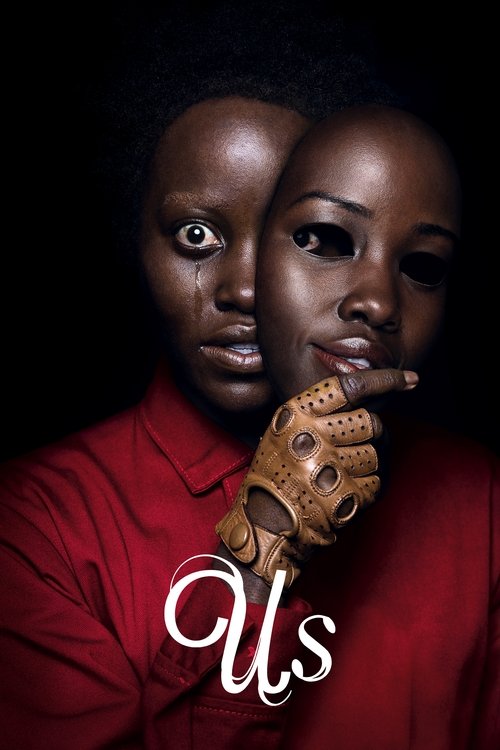
And while there will likely be comparisons to Jordan Peele’s “Get Out,” and “Us,” that does not diminish the achievement of “Antebellum” or its message.
In a piece of sneaky marketing, the posters for Antebellum boast the film is “from the producer of Get Out and Us ,” which might lead you to believe Peele is somehow involved.
With the massive critical and commercial success of Jordan Peele’s “Get Out” (2017) and “US” (2019), it should probably not come as a surprise to lean that other filmmakers would also attempt to start a conversation and make a killing at the box office (not necessarily in that order) their own films in which they utilized a horror movie framework as a way of examining America’s undeniable racist past and how those sins of the past have continued to seep into and even flourish today.
Director Lasse Hallström ("The Shipping News," "An Unfinished Life") perks up behind the reins of an outright comedy, delivering his best film since 1999's "The Cider House Rules" and star Heath Ledger showcases his range with an adroit about face from his buzzed about dramatic turn in "Brokeback Mountain."
Swedish director Lasse Hallström (Chocolat, The Shipping News) takes none of this very seriously and proves surprisingly adept at orchestrating physical comedy.
Director Lasse Hallström ("The Shipping News," "An Unfinished Life") perks up behind the reins of an outright comedy, delivering his best film since 1999's "The Cider House Rules" and star Heath Ledger showcases his range with an adroit about face from his buzzed about dramatic turn in "Brokeback Mountain."
Swedish director Lasse Hallström (Chocolat, The Shipping News) takes none of this very seriously and proves surprisingly adept at orchestrating physical comedy.
So neutered in his Hollywood pictures like The Shipping News and Chocolat, the Swedish director does his most freewheeling work since What's Eating Gilbert Grape.
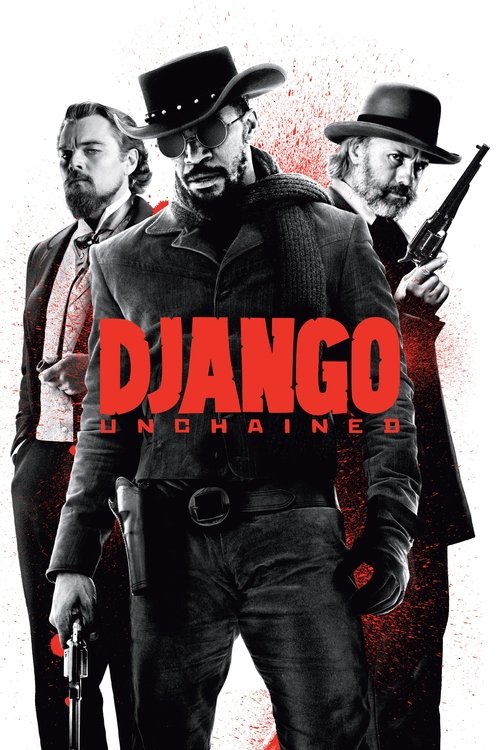
However, the truth is that the new movie rather takes its cues — character archetypes, plot beats, etc. — from recent slavery films like Quentin Tarantino’s Django Unchained , Steve McQueen’s 12 Years a Slave and Nate Parker’s The Birth of a Nation .
These horrors are more awful and true when committed by humans, not monsters (think of Leonard DiCaprio’s hideous character in Django Unchained , decorous yet vicious), and more instructive to our present, when racists may not recognize themselves in sheer brutes and thus excuse or forgive their own abhorrent behavior.
The rage felt by its directors is palpable (for what it’s worth, Bush is Black, Renz is white), and while some of the violence on display is undeniably queasy-making, but it boils over into a final act every bit as cathartic as that of Django Unchained, and probably more earned.
Its pretense of depicting the overlap between America’s racist past and present feels dishonest when it leads to an action movie about a slave revolt that isn’t nearly as good as “Django Unchained,” followed by the reveal of its gimmick.
I could rattle off a number of films that have done this —“Mandingo” (1975), “Drum” (1976), “Roots” (1977), “Beloved” (1998), “Django Unchained” (2012) and “12 Years a Slave” (2013) come to mind—and while I may not have liked all of these films, I would argue that each one treated the subject with enough seriousness and respect (even “Django Unchained,” despite its overtly pulpy nature) to earn those images.
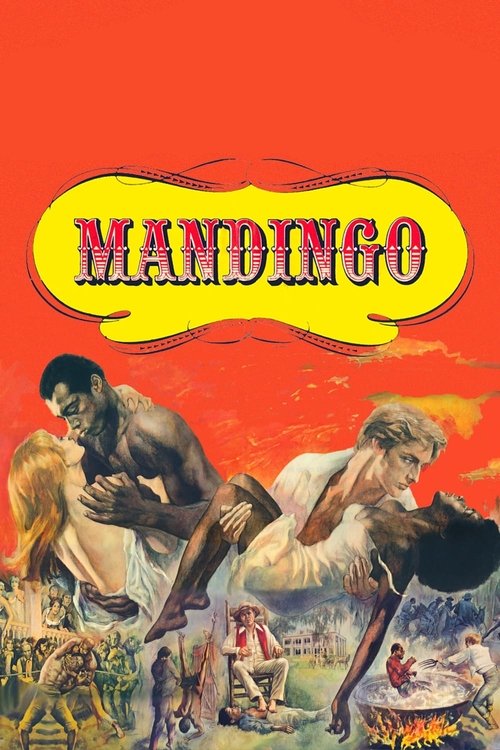
I could rattle off a number of films that have done this —“Mandingo” (1975), “Drum” (1976), “Roots” (1977), “Beloved” (1998), “Django Unchained” (2012) and “12 Years a Slave” (2013) come to mind—and while I may not have liked all of these films, I would argue that each one treated the subject with enough seriousness and respect (even “Django Unchained,” despite its overtly pulpy nature) to earn those images.
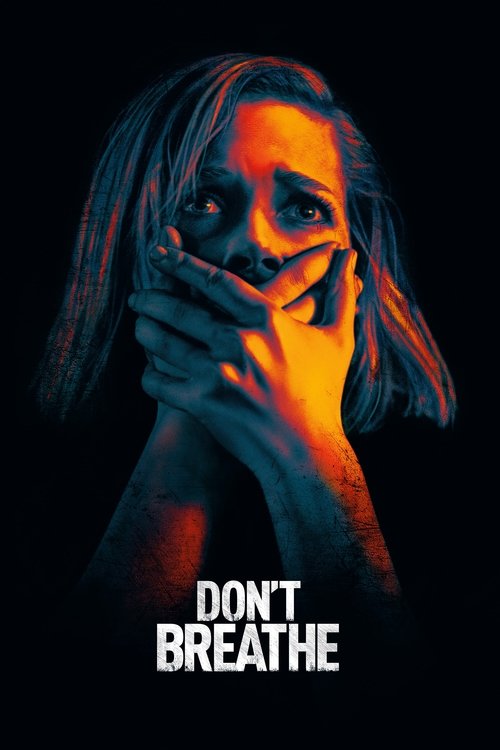
Cinematographer Pedro Luque ( Don’t Breathe , 2016; Body Cam , 2018) assists in channeling an overwhelming atmosphere of dread.
Advertisement
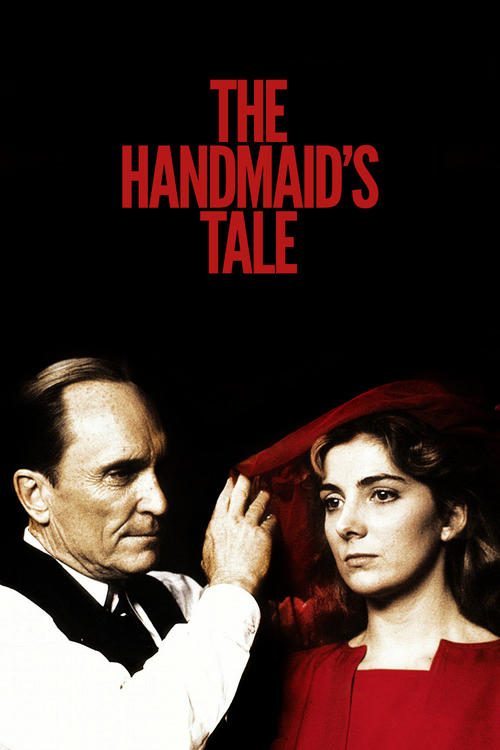
In the face of more than a century and a half of such malignant propaganda, terrifying social thriller “Antebellum” lands like an explosive mortar — a potent, politically charged cross between “The Handmaid’s Tale” and an M. Night Shyamalan movie, wherein a successful Black woman (Janelle Monáe) is punished for challenging authority by being forced back into bondage.
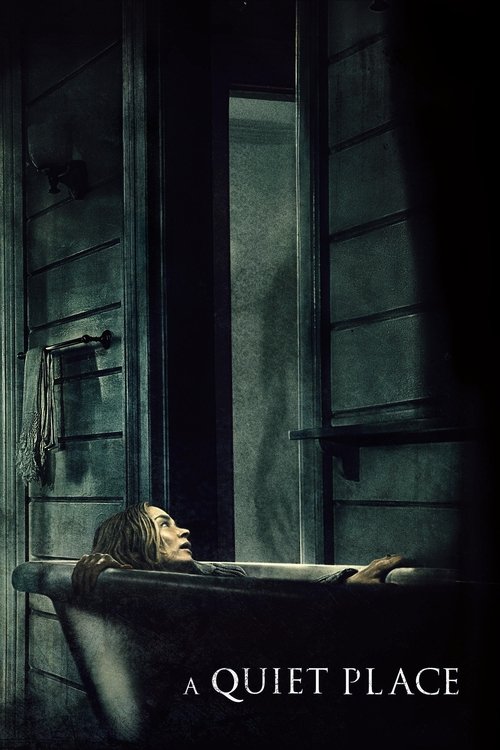
Even in A Quiet Place (2018) — set in a world besieged by man-eating monsters drawn to their victims by sound — some conversation takes place to advance the plot and to develop the characters.
Such anachronisms help flavor the opening 30 minutes of a film that otherwise seems like a familiar plantation drama, albeit an especially poised and merciless one in which the horrors of slavery are churned through the horrors of genre; Jack Huston’s sadistic overseer institutes a stifling policy of silence that he enforces with the supersonic hearing of the monsters in “A Quiet Place.”
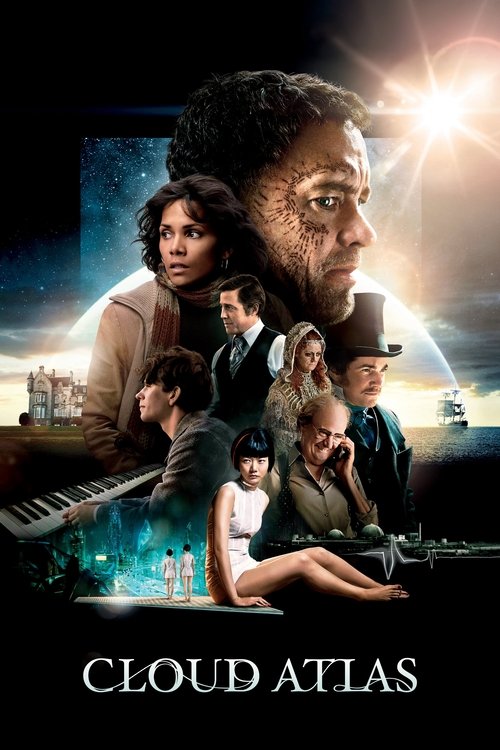
Of course, they could also be different incarnations of the same soul, à la “Cloud Atlas,” or — just to spitball a twist that no one would ever dare to put in a real movie — stuck in a hyper-real computer simulation programmed by Matthew McConaughey’s teenage son.
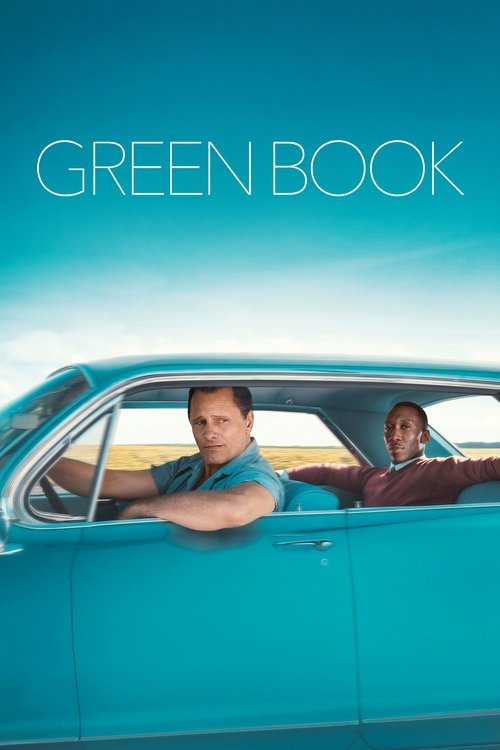
Much like 2018’s problematic Best Picture winner Green Book , it’s clear Antebellum was made with the greatest of intentions.