
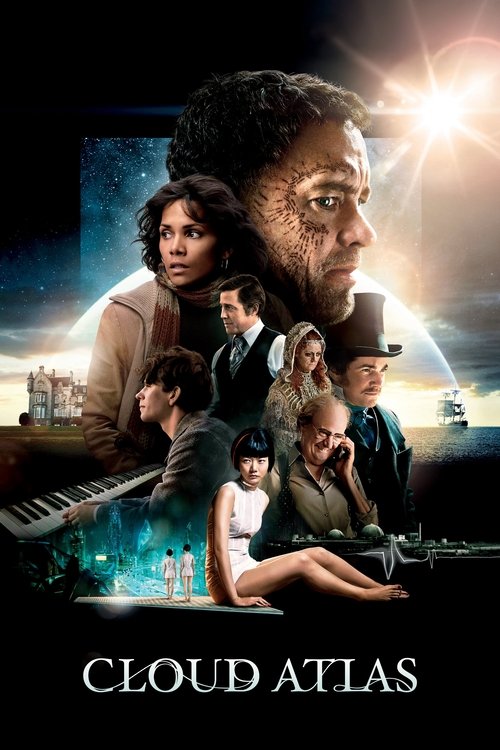
Cloud Atlas (2012)
Directed by Lilly Wachowski
A set of six nested stories spanning time between the 19th century and a distant post-apocalyptic future. Cloud Atlas explores how the actions and consequences of individual lives impact one another throughout the past, the present and the future. Action, mystery and romance weave through the story as one soul is shaped from a killer into a hero and a single act of kindness ripples across centuries to inspire a revolution in the distant future. Based on the award winning novel by David Mitchell. Directed by Tom Tykwer and the Wachowskis.
55 connections found
View:
55 films that influenced Cloud Atlas
What critics say influenced Cloud Atlas


In his morph as the dominatrix nurse, he makes it "One Flew Over the Cuckoo's Nest" territory, channelling Nurse Ratched from the 1975 film.
And Broadbent ranges from racist 19th century sea captain to addled old composer to the dotty publisher who has to stage a prison break to escape a British nursing that draws on “One Flew Over the Cuckoo’s Nest” for inspiration.
It's a karmic treadmill that takes a compendium of cinematic references — Amistad, Amadeus, The China Syndrome, One Flew Over the Cuckoo's Nest, Blade Runner, Soylent Green and Mad Max — and turns them into a narrative collage of pop culture and fortune-cookie philosophy.
British actor Jim Sturgess is given cosmetic eye folds to look Asian, and Hugo Weaving plays a nasty female nurse, reminiscent of Nurse Ratched in One Flew Over the Cuckoo's Nest .
Other stories recall E.M. Forster (1936 Cambridge, where a young gay schemer played by Ben Whishaw provides crucial assistance to an aging composer played by Jim Broadbent), “Blade Runner” (23rd-century Seoul, where a clone-waitress played by Doona Bae tries to break free of her evil corporate masters with the help of a dashing young freedom fighter played by Jim Sturgess), “Amistad” (on the high seas of 1849, a slave played by David Gyasi educates Sturgess’ young attorney on the evils of plantation life) and “One Flew Over the Cuckoo’s Nest” (Broadbent and pals scheme to escape from a Nurse Ratched-like figure, played by Hugo Weaving, holding them prisoner at an old-folks home in 2012).
I did like the transformation of Hugo Weaving into a female nurse as mean as Nurse Ratched from One Flew Over the Cuckoo’s Nest.
Other stories recall E.M. Forster (1936 Cambridge, where a young gay schemer played by Ben Whishaw provides crucial assistance to an aging composer played by Jim Broadbent), “Blade Runner” (23rd-century Seoul, where a clone-waitress played by Doona Bae tries to break free of her evil corporate masters with the help of a dashing young freedom fighter played by Jim Sturgess), “Amistad” (on the high seas of 1849, a slave played by David Gyasi educates Sturgess’ young attorney on the evils of plantation life) and “One Flew Over the Cuckoo’s Nest” (Broadbent and pals scheme to escape from a Nurse Ratched-like figure, played by Hugo Weaving, holding them prisoner at an old-folks home in 2012).
And then there's the future-shock thread that plays like the lovechild of Cast Away and Neil Marshall's Doomsday as Tom Hanks, doing his best backwoods idiot Nell , leads an Eloi (Halle Berry, still black) up the side of a haunted mountain to Contact a lost tribe in a Blade Runner off-world.
At a glance, it seems like the film—which in some ways takes an inverse approach to the similarly shallow material of "The Tree of Life" while throwing in "Babel" and "Blade Runner"—weaves an ambitious, complex tapestry.
Some vignettes fare much better than others, and though it ultimately comes down to personal preference, the contemporary story starring the hilarious Jim Broadbent and the “Blade Runner”-inspired sci-fi tale are clear standouts.
In Neo Seoul, where Bae works as a kind of cocktail-waitress geisha (on a saintly path), the production design crosses Blade Runner with Star Trek and Busby Berkeley chorus girl musicals.
The most eye-popping sequences occur during the 22nd century story, where comparisons to Blade Runner , The Fifth Element , and the Star Wars prequels will be made , but the effects work is no less effective (although not as ostentatious) during the other episodes.
The last two narrative strands, in some ways the most conventional, are science-fiction tales set in different dystopian futures that recall HG Wells's The Time Machine and the 1936 film of his Things to Come.
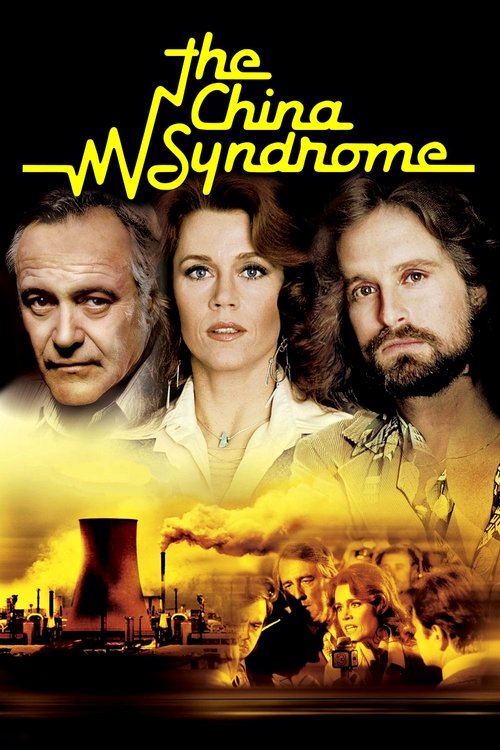
"Half-Lives: The First Luisa Rey Mystery," for example, feels like a dinner theater production of The China Syndrome, while "An Orison of Sonmi-451" borrows from V for Vendetta, Soylent Green and just about every other dystopian sci-fi flick this side of The Hunger Games.
In the 1970′s, styled to remind us of that era’s “paranoid cinema” films like “The Parallax View” and “The China Syndrome,” an investigative reporter (Berry) gets stuck in an elevator with an elderly scientist who gives her some important information about a nuclear facility.
Advertisement

"Half-Lives: The First Luisa Rey Mystery," for example, feels like a dinner theater production of The China Syndrome, while "An Orison of Sonmi-451" borrows from V for Vendetta, Soylent Green and just about every other dystopian sci-fi flick this side of The Hunger Games.
A tapestry of juggled genres and two savvy "Soylent Green" references woven seamlessly together, they all add up to an entertainment that is, at once, a stirring high-seas adventure; an engrossing period drama that is everything 2011's confused folly " Readers of David Mitchell's massive, ruminative, centuries-spanning 2004 opus claimed it was unfilmable, but they were wrong; the key is in adapting said literature into a filmic language without losing the ideas and spirit behind the written word.
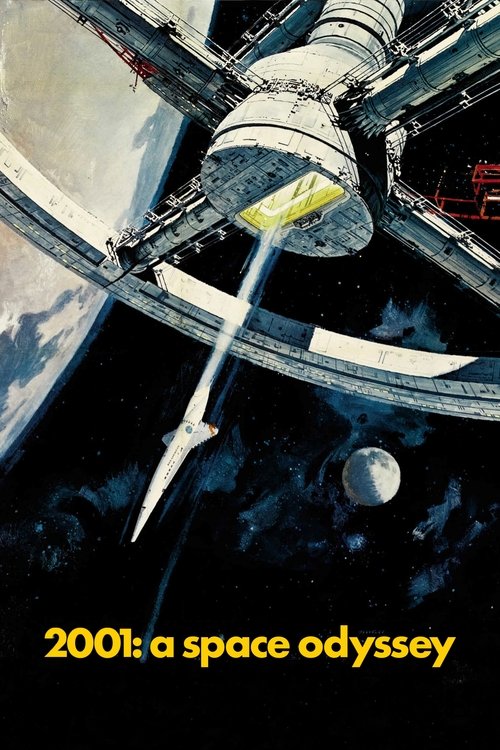
Stanley Kubrick’s 2001: A Space Odyssey, which the directors cite as their inspiration for the sort of huge, demanding epic they wanted to make, could exist only as a film (though Kubrick’s coauthor, Arthur C. Clarke, subsequently novelized the screenplay).
The dazzling cinematic folly that is “Cloud Atlas” springs from the same idealistic impulse that has driven movies like “The Tree of Life,” “2001: A Space Odyssey,” even D.W. Griffith’s 1916 “Intolerance” — the urge to explain the mystery of existence, the whole ontological ball of wax, in one sitting with popcorn.
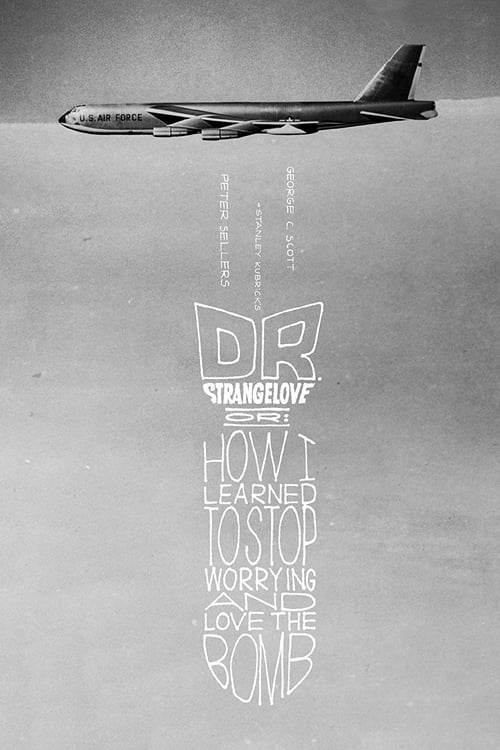
Dr. Strangelove or: How I Learned to Stop Worrying and Love the Bomb (1964)
Directed by Stanley Kubrick
Visuals
This, again, isn't new: Stanley Kubrick used this device in numerous films, most notably his debut Fear and Desire, Lolita, Dr Strangelove and 2001: A Space Odyssey, and Lindsay Anderson employed it throughout his picaresque masterpiece O Lucky Man!.
Speaking in a devolved pidgin English — half “A Clockwork Orange” and half Jar Jar Binks — he is the movie’s spirit guide (oh, yes), and we’ll spend quite a bit of time with the character’s younger self on a post-apocalyptic Earth many centuries in the future.
Rather, it's merely meant to point out that this is one of those moviegoing experiences — like Terrence Malick's The Tree of Life, Stanley Kubrick's Eyes Wide Shut or pretty much anything by Lars von Trier — guaranteed to divide audiences into love-it-or-hate-it camps, stoke heated water-cooler or Internet-board discussions, and leave fans and foes alike circling each other with the same wariness as West Side Story's Sharks and Jets right before they rumble.
As for that gauzy, goofy look at advanced life forms of the 24th century, it reminded me of the Olympus toga party in the 1981 “Clash of the Titans.”

This, again, isn't new: Stanley Kubrick used this device in numerous films, most notably his debut Fear and Desire, Lolita, Dr Strangelove and 2001: A Space Odyssey, and Lindsay Anderson employed it throughout his picaresque masterpiece O Lucky Man!.
Advertisement

Back in 1963, John Huston’s The List of Adrian Messenger called on Kirk Douglas, Frank Sinatra, Burt Lancaster, Robert Mitchum and Tony Curtis to appear in cameo roles caked in pounds of putty.
In isolated bits it feels major; other bits force us to agree to go along with them (the makeup department kept very busy here, and sometimes its like playing spot-the-actor in something like The List of Adrian Messenger).
The 1970s mystery story has an urban punch that reminds me of films like “Three Days of the Condor,” for example, while the contemporary one has a whimsical lighthearted nature of a spunky British comedy.
The 1973 story plays like Three Days of the Condor as an enterprising reporter (Halle Berry) is trying to get a secret report about a nuclear power plant operated by Lloyd Hooks (Hugh Grant) while a hired thug (Hugo Weaving) is killing anyone who tries to help.