

Moonlight (2016)
Directed by Barry Jenkins
The tender, heartbreaking story of a young man’s struggle to find himself, told across three defining chapters in his life as he experiences the ecstasy, pain, and beauty of falling in love, while grappling with his own sexuality.
46 connections found
View:
46 films that influenced Moonlight
What critics say influenced Moonlight



Directing, screenwriting, acting, cinematography and music combine superbly in the movie, which is based on a play by Tarell Alvin McCraney and has been compared to Richard Linklater’s “Boyhood” and Charles Burnett’s “Killer of Sheep.”
Moments in "Moonlight" bring a whole range of disparate films to mind, its poetic involvement with day-to-day black life, for instance, recalling Charles Burnett's "Killer of Sheep" while its counterpointing of strong, often violent emotion with evocative music (Nicholas Britell did the score) echoing Terence Davies' "Distant Voices, Still Lives" to mind.
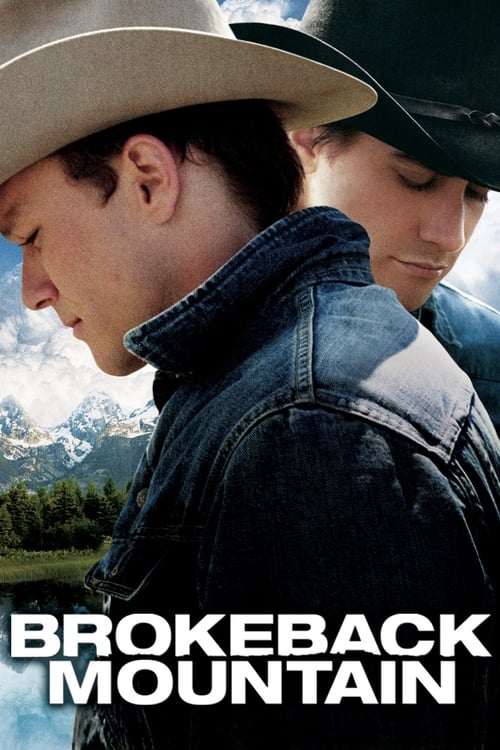
Much of the early film-festival coverage of "Moonlight" singled it out as an exploration in particular of black masculinity, eliciting additional comparisons to the gay themes to "Brokeback Mountain."
Where has been the black equivalent of Brokeback Mountain or Carol ?
An outline can't convey the provocative depth of Jenkins' screenplay, challenging black masculinity comparable to what Brokeback Mountain did for white machismo.
Adapted from Tarell Alvin McCraney’s play In Moonlight Black Boys Look Blue, Jenkins’ film is already being compared to Brokeback Mountain, another story about a thwarted gay romance.
It is one of the most well-written, well-acted and thought-provoking films of 2016, nothing less than a groundbreaking masterpiece, with content as compelling as other films such as “Brokeback Mountain” and “Precious.”
Jenkins pairs the melancholic power of the repressed sexuality in “Brokeback Mountain” and “Carol” with the subtle textures of burgeoning masculinity in “Boyhood.”

Like Boyhood, it sketches out a complete life—from childhood to adolescence to adulthood—that is unique but profoundly relatable, and it shares that movie’s big heart and open-spirited view of the world.
Told in three chapters over the course of about 16 years, “Moonlight” (adapted from playwright Tarell Alvin McCraney’s short, poetically titled theater piece, “In Moonlight Black Boys Look Blue”) is one of the first post-“Boyhood” indies to take a serious look at a young man’s evolution over time — though Jenkins employs the traditional strategy of casting different actors to portray Chiron (whose name is pronounced like that of the former Israeli prime minister) and his peers at the different stages of their lives.
But this is also the point: Moonlight isn’t Boyhood.
The easy comparison for Moonlight is the 2014 Richard Linklater film Boyhood, because both films move its lead characters chronologically, so that the coming of age becomes visually literal; there is not one specific journey these characters embark upon at the end of which they feel more adult or mature or grown.
It’s strangely reminiscent of the 2015 best picture nominee “Boyhood,” which director Richard Linklater filmed over the course of 12 years with the same cast.
Directing, screenwriting, acting, cinematography and music combine superbly in the movie, which is based on a play by Tarell Alvin McCraney and has been compared to Richard Linklater’s “Boyhood” and Charles Burnett’s “Killer of Sheep.”

This is where the film most obviously embraces its Linklater-isms, becoming a talky hybrid of the “Before Sunrise” series and “Boyhood” as Chiron reconnects with Kevin (André Holland), now a father and chef.
A scrappy, black riff on the “Before Sunrise” model that had two young San Francisco characters wandering the city and babbling about gentrification, the movie traded big plot twists for the quieter rhythms of conversation.
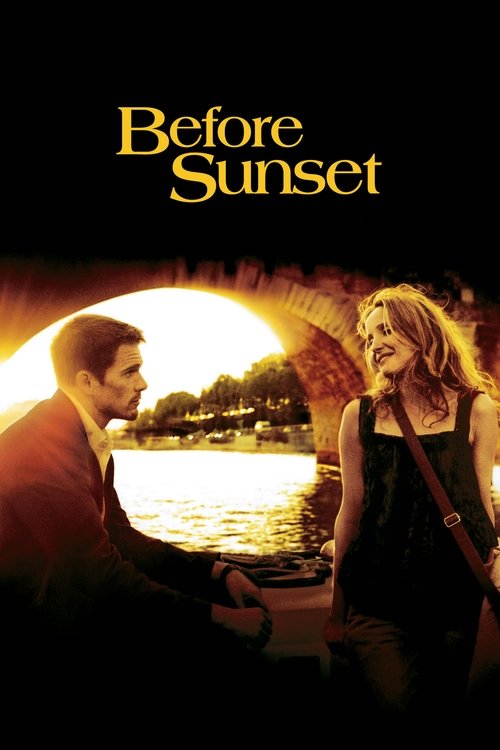
A scene involving a diner jukebox may be the most romantic movie moment since Julie Delpy’s song at the end of Before Sunset.
A scrappy, black riff on the “Before Sunrise” model that had two young San Francisco characters wandering the city and babbling about gentrification, the movie traded big plot twists for the quieter rhythms of conversation.
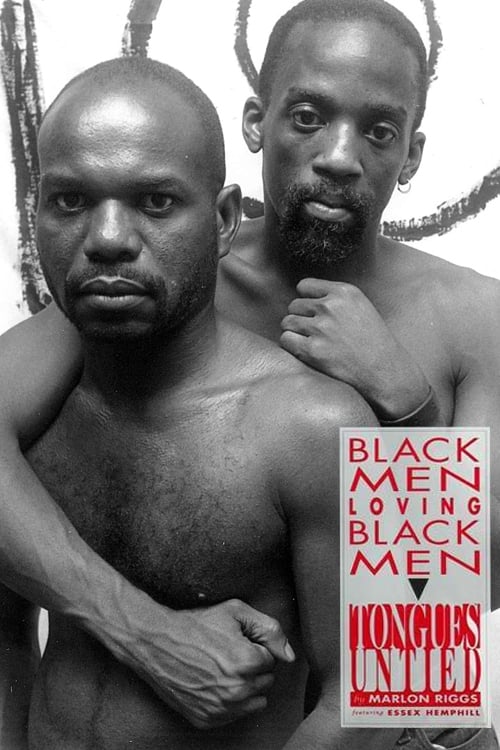
Both times that I've watched Moonlight, I've been reminded of a work that precedes it by almost thirty years and that was made in an entirely different idiom: Marlon Riggs's Tongues Untied (1989), a personal video essay full of spoken-word poetry and monologues about desire, shame, and racism that declares "black men loving black men is the revolutionary act."
Advertisement

(The last similar movie I can recall was Jane Campion's 1990 biopic An Angel at My Table.)
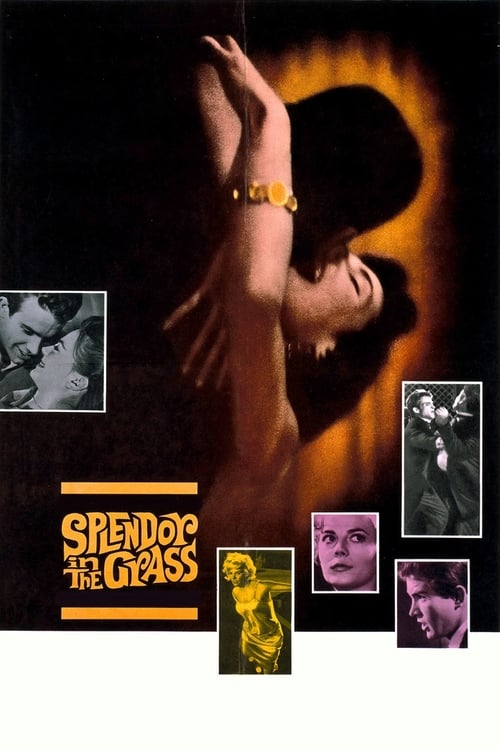
And when, in the movie's final section, Chiron is reunited with a dear childhood friend, Kevin, the encounter becomes reminiscent of (though, admittedly, not as bleak as) the final meeting of Wilma and Bud in Elia Kazan's Splendor in the Grass.

Informed by both Jenkins’ and McCraney’s own Miami upbringing, this environment may be gritty, but it’s not “Precious.”
The excessively charitable atmosphere at Moonlight’s New York Film Festival press screening led me to recall how Precious similarly won over a condescending audience.
It is one of the most well-written, well-acted and thought-provoking films of 2016, nothing less than a groundbreaking masterpiece, with content as compelling as other films such as “Brokeback Mountain” and “Precious.”
But while films like Ballast and Precious made it almost a badge of honor to rub our noses in miserablism, Jenkins is too sensitive a filmmaker to indulge in such exploitative tendencies.
Throughout, Jenkins conducts a symphony of naturalistic impressions from his cast, resulting in the most abundant handful of breakthrough performances since Lee Daniels reoriented the playing field with Precious .

Jenkins’s impressionistic and subjective shooting style isn’t so far removed from that of some of Terrence Malick’s equally personal and heartfelt films or of David Gordon Green’s George Washington.
It's also reminiscent of David Gordon Green's George Washington in its visual lyricism, and its conflict between poetic feeling and harsh reality in looking at poor black neighborhoods.
Advertisement
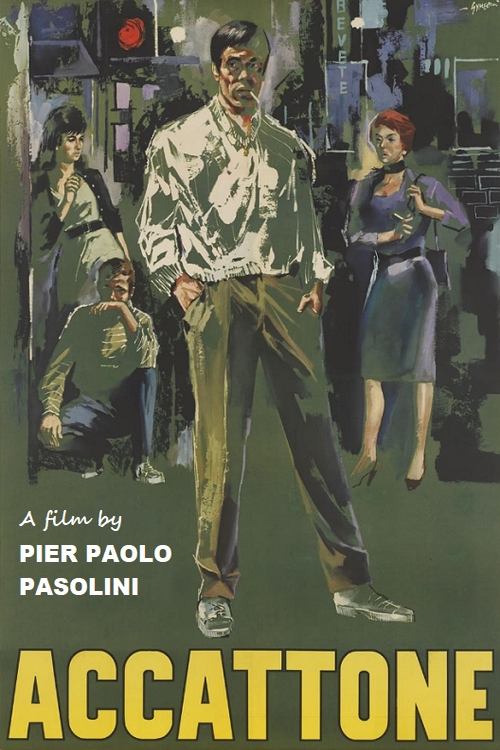
Both directors learned it from Pasolini’s Accattone.
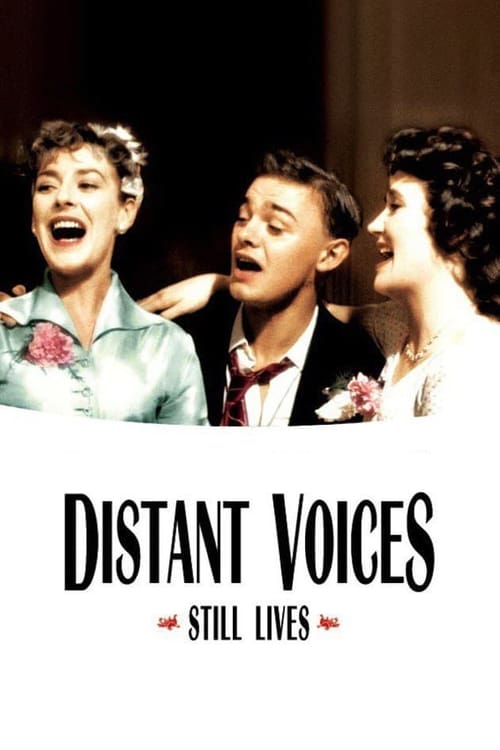
Moments in "Moonlight" bring a whole range of disparate films to mind, its poetic involvement with day-to-day black life, for instance, recalling Charles Burnett's "Killer of Sheep" while its counterpointing of strong, often violent emotion with evocative music (Nicholas Britell did the score) echoing Terence Davies' "Distant Voices, Still Lives" to mind.