
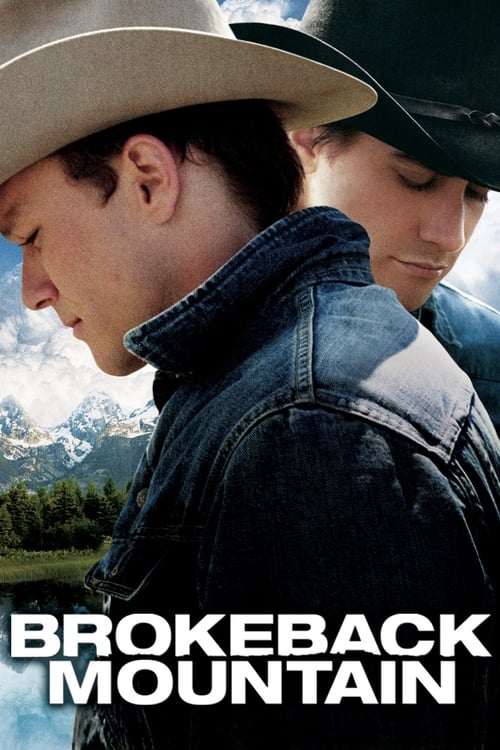
Brokeback Mountain (2005)
Directed by Ang Lee
In 1960s Wyoming, two men develop a strong emotional and sexual relationship that endures as a lifelong connection complicating their lives as they get married and start families of their own.
46 connections found
View:
46 films that influenced Brokeback Mountain
What critics say influenced Brokeback Mountain
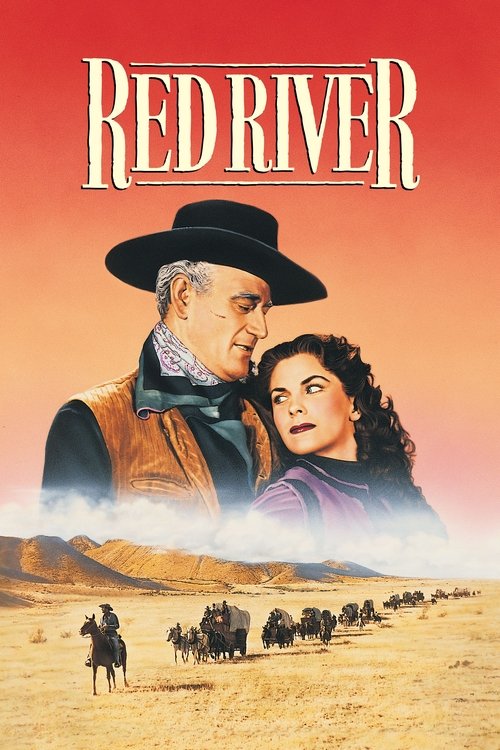


However, the smart-aleck references to Brokeback as his "gay cowboy picture" definitely do it a disservice -- besides, the very concept of gay-cowboy movies is pretty old hat (see the subtext in Howard Hawks' Red River, not to mention the Andy Warhol-Paul Morrissey film, Lonesome Cowboys).
The widely reported carryings-on in Brokeback Mountain also reminded some reviewers of the supposedly subtextual implications of Howard Hawks’ Red River (1948), with John Wayne and the posthumously “outed” Montgomery Clift, as well as George Roy Hill’s Butch Cassidy and the Sundance Kid (1969), with Paul Newman and Robert Redford—the latter lacking even the gossipy whispers of Clift’s sexual orientation to sustain the subtextual suppositions.
Hailed as a landmark of mainstream tolerance (and to the "mainstream"'s shame, that's exactly what it is), Brokeback Mountain feels more like an antiseptic gimmick that attempts to hijack the conventions of a traditionally-masculinized genre (despite Red River and Johnny Guitar and The Hired Hand) to further demonstrate, as if further demonstration were needed, that two men in love is as natural, tempestuous, and ineffable as heterosexuality.
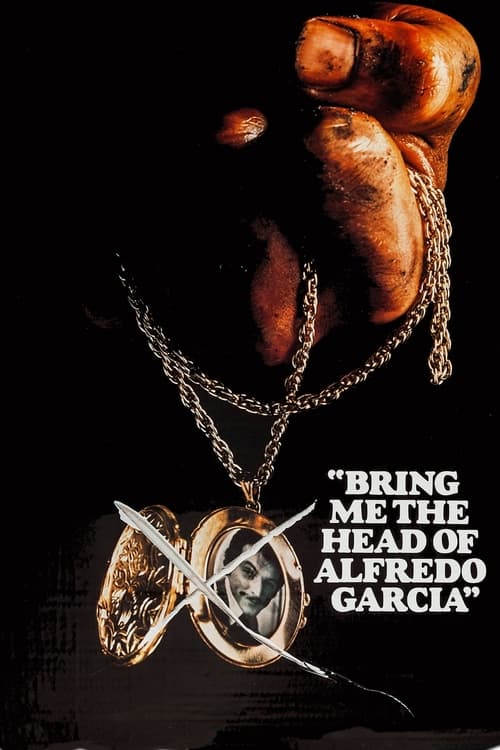
Absolutely true -- the movie has the blood of Sam Peckinpah running through its veins (and I'm not referring to its violence but its lifeblood) -- particularly "Bring Me the Head of Alfredo Garcia" and "Pat Garrett and Billy the Kid."
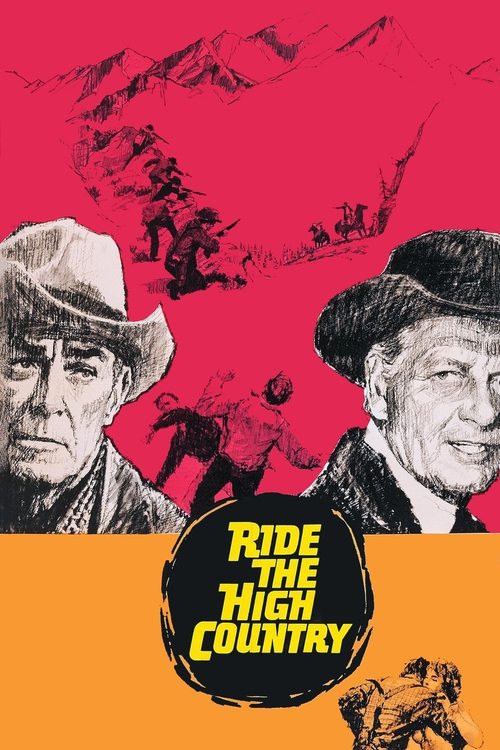
NEW YORK - "Peckinpah's Ride the High Country," says James Schamus, producer of Brokeback Mountain and right-hand man for Ang Lee for his last nine movies.
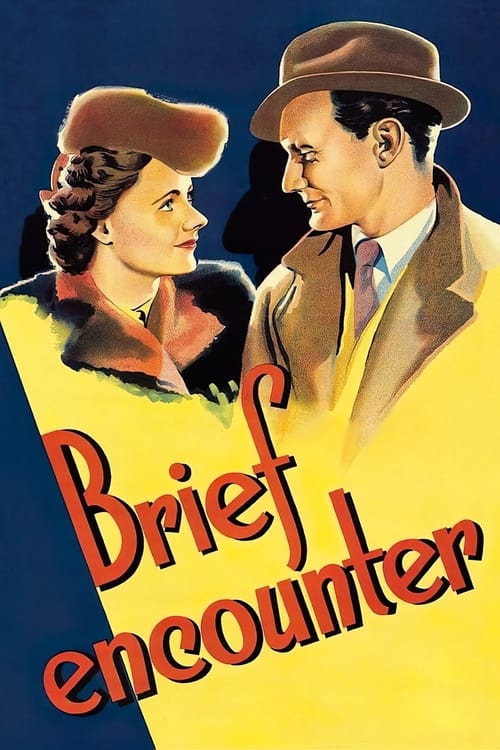
However, this is a movie that's really is about the relationship, and in that sense it has more in common with something like "Brief Encounter" than "La Cage aux Folles."
The British stiff upper-lip, or for that matter Kabuki theatre, has nothing on the cowboy way -- Ang Lee's Brokeback Mountain now proposes buckaroos chocking enough emotion into anguished gesture to fuel two remakes of Brief Encounter.
And let us not forget Celia Johnson and Trevor Howard in David Lean and Noel Coward’s Brief Encounter (1945), of which Oscar Levant may have been thinking when he memorably defined a “women’s picture” as one in which a woman cheats on her husband all through the movie, and in the end he asks her for forgiveness.
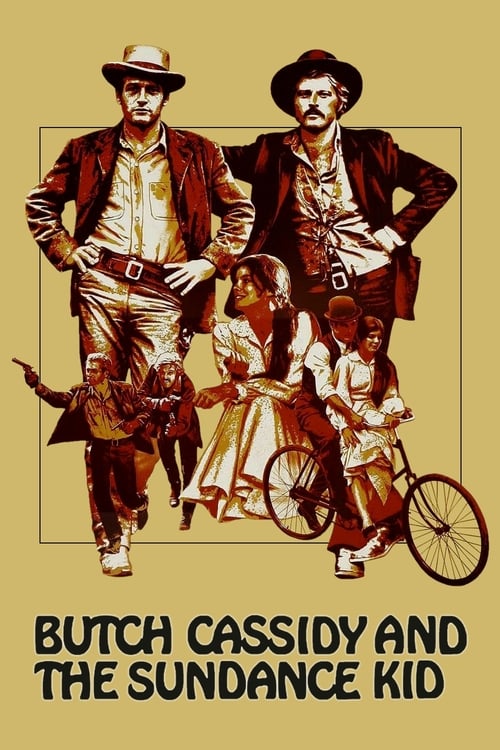
The widely reported carryings-on in Brokeback Mountain also reminded some reviewers of the supposedly subtextual implications of Howard Hawks’ Red River (1948), with John Wayne and the posthumously “outed” Montgomery Clift, as well as George Roy Hill’s Butch Cassidy and the Sundance Kid (1969), with Paul Newman and Robert Redford—the latter lacking even the gossipy whispers of Clift’s sexual orientation to sustain the subtextual suppositions.
Advertisement
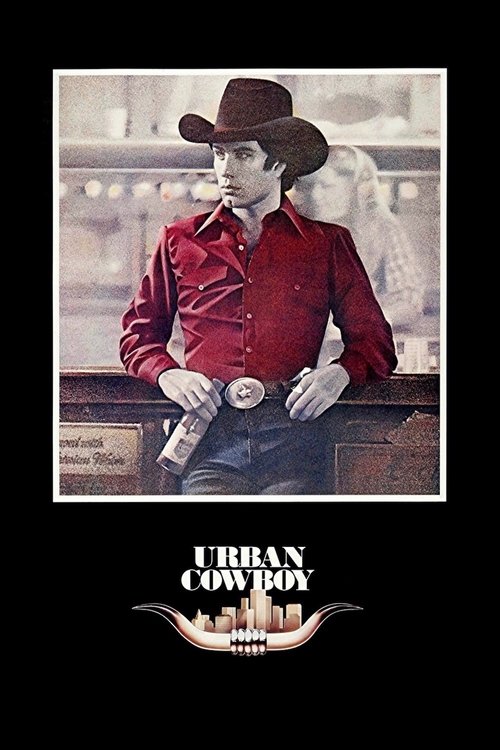
I have said that absent the forbidden love aspect, this film would play flatly and remind one of "Urban Cowboy."
Playwright and screenwriter Matt Crowley even had a line, in William Friedkin’s 1970 screen version of The Boys in the Band, about the alleged typecasting of the late Leo Carrillo as the Gay Caballero.
The time-spanning narrative might as well have ended in 1982 with the release of Making Love, because that's about how far back the movie sets gay cinema.
It didn't affect me as deeply as either The Bridges of Madison County or The Remains of the Day (both of which offer similar themes in different settings), but it evokes some of the same feelings.
Advertisement
The irony should not be lost on the fact that David Fincher's Mank, a dramatized feature about the writing of one of Orson Welles's greatest films, Citizen Kane (1941), is being released by the streaming giant Netflix.
Indeed, the only time lately that I even came close to tears was at a screening for the students in my Columbia course on musicals of Richard Lester’s A Hard Day’s Night (1964), whose release I had celebrated in The Village Voice 41 years earlier by describing the phenomenon as “the Citizen Kane of jukebox movies”—a then-startling blurb that ended up being used in the board game Trivial Pursuit.
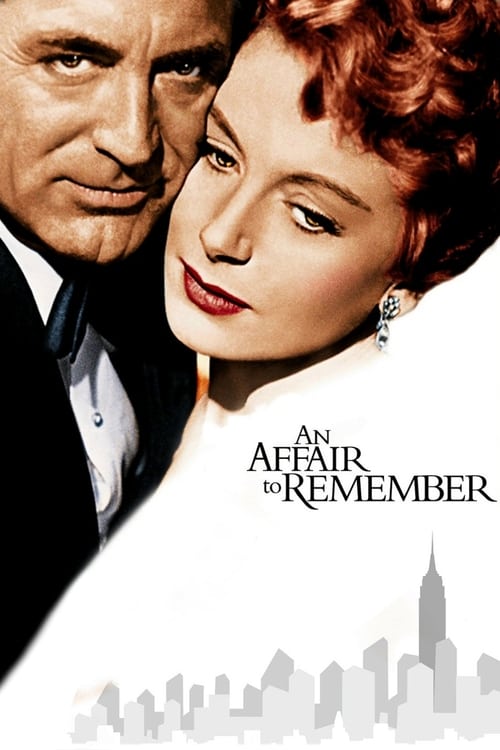
Then, more decorously, there were the non-adulterous, pathos-ridden romantic complications of Leo McCarey’s Love Affair (1939), with Irene Dunne and Charles Boyer, and his own 1957 remake of the film with Deborah Kerr and Cary Grant, retitled An Affair to Remember.