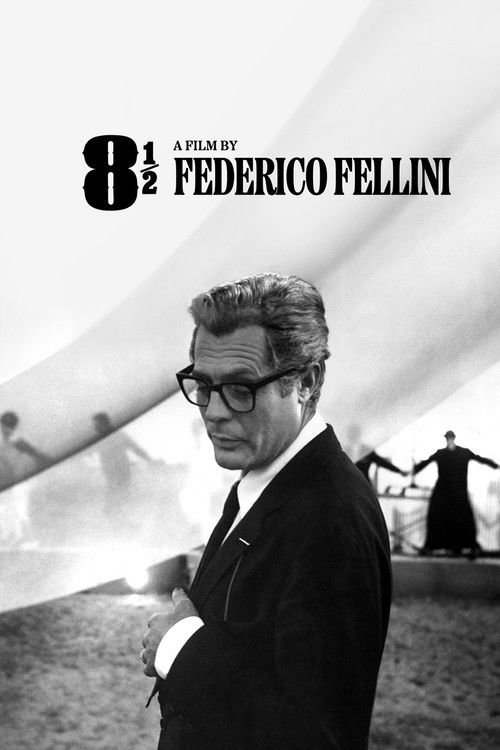
8½ (1963)
Directed by Federico Fellini
Guido Anselmi, a film director, finds himself creatively barren at the peak of his career. Urged by his doctors to rest, Anselmi heads for a luxurious resort, but a sorry group gathers—his producer, staff, actors, wife, mistress, and relatives—each one begging him to get on with the show. In retreat from their dependency, he fantasizes about past women and dreams of his childhood.
5 connections found
View:
5 films that influenced 8½
What critics say influenced 8½


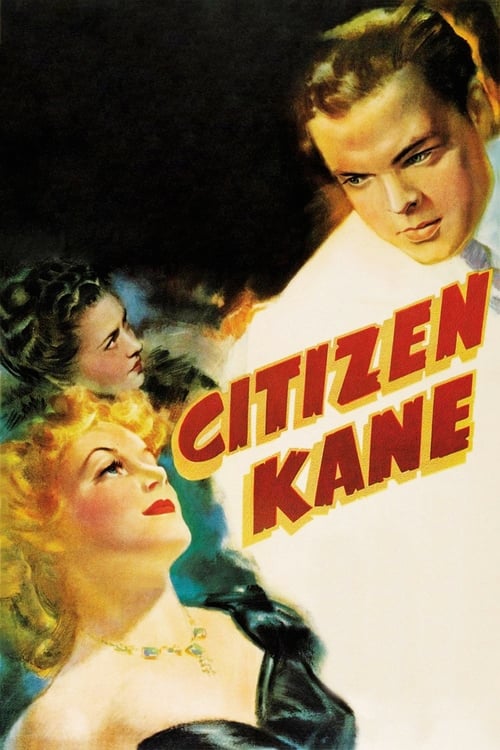
It's the Citizen Kane, the Children of Paradise of Italy.

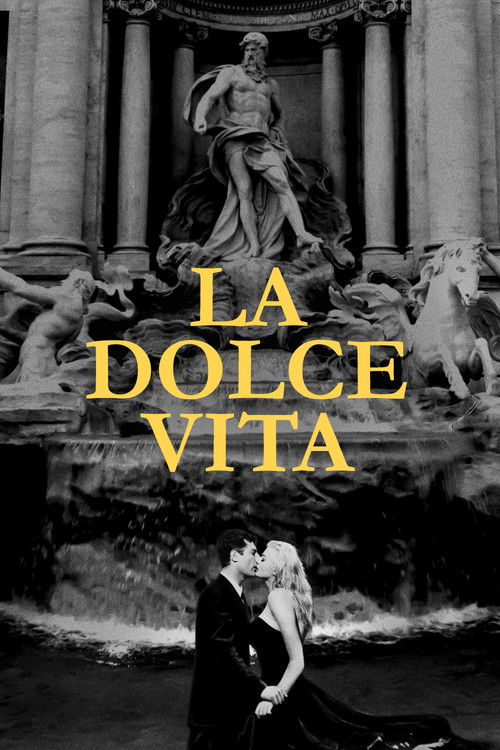
There are some aphoristic generalizations related to living the creative life, most of them articulated by Guidio’s lean script advisor and logos personification Daumier (Jean Rougeul)—“Destroying is better than creating when we’re not creating those few, truly necessary things”—but unlike the allegorical potency of La Dolce Vita, which rendered Rome with Olympian hedonism and Dante-esque judgment, the symbolism of 8½ maroons us in the faux-comic salt flats of Guido’s muddily incommunicable psyche without an archetypal compass.
Fellini’s prior La Dolce Vita placed him at the forefront of international art cinema.
After La Dolce Vita, Fellini was faced with the problem of repeating his success and this soul-searching film, with its mix of daydreams, memories, nightmares and frustrating confrontations, is a fantasy chronicle of his attempts to sustain his reputation as a cinematic genius.
The conventional wisdom is that Federico Fellini went wrong when he abandoned realism for personal fantasy; that starting with " La Dolce Vita " (1959), his work ran wild through jungles of Freudian, Christian, sexual and autobiographical images.
Fellini obtained the financial backing for 8 1/2 after his great La Dolce Vita, and the Italian director allows us to see him thoroughly analyze his creative process and expose it nakedly on the screen, using the "film within a film" conceit.
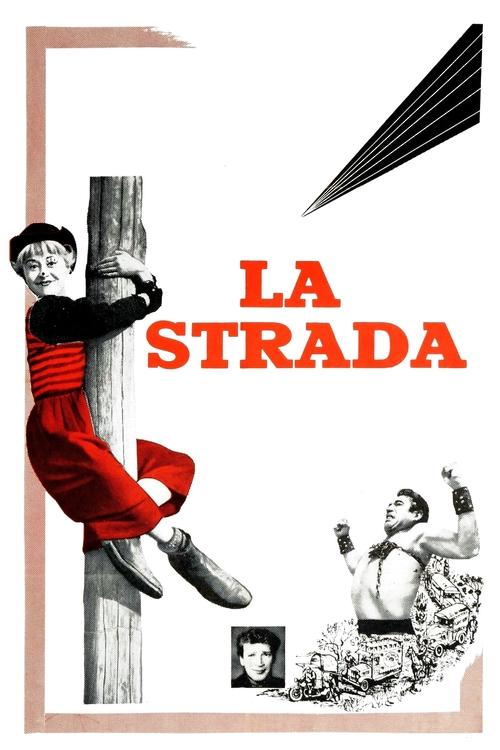
It’s as though in the face of creative crisis the director took the self-empowering advice from his own early oeuvre, especially the tearjerking egotism of La Strada and the recalcitrant élan of Nights of Cabiria.
Though more of a Fellini skeptic than not myself, I can’t go along with the common opinion that Fellini’s early neorealist-inflected works, culminating in La Strada , are his best, and that the later, increasingly surreal cinema of the gaudy and fantastical represented by 8½ is self-indulgently trivial by comparison.
The precise observation in " La Strada " (1954) was the high point of his career, according to this view, and then he abandoned his neorealist roots.
Although overshadowed by Fellini's later, better known films (such as 1960's "La Dolce Vita" and 1963's " 8½ "), "La Strada" (The Road) has always had a special place in Fellini's canon, not least because it was the film that won an Oscar for Best Foreign Film and secured his reputation as one of Europe's leading postwar directors.
Even with Fellini himself, while I still have very little idea what to make of 8½ , it has a power for me that I cannot find in La Strada.

(The only Fellini movie that's about as pleasurable is The White Sheik.)
The first film Federico Fellini ("La Strada"/" I Vitelloni"/"8½") directed solo (he codirected Variety Lights with Alberto Lattuada in 1951) is a pleasing sitcom-like comedy and clever lighthearted spoof on movie stars; it's written by Michelangelo Antonioni and Fellini.