
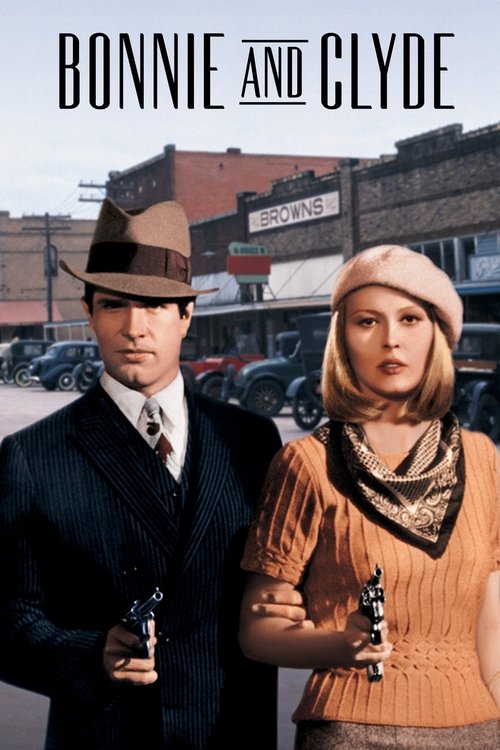
Bonnie and Clyde (1967)
Directed by Arthur Penn
In the 1930s, bored waitress Bonnie Parker falls in love with an ex-con named Clyde Barrow, and together they start a violent crime spree throughout the country, stealing cars and robbing banks.
9 connections found
View:
9 films that influenced Bonnie and Clyde
What critics say influenced Bonnie and Clyde
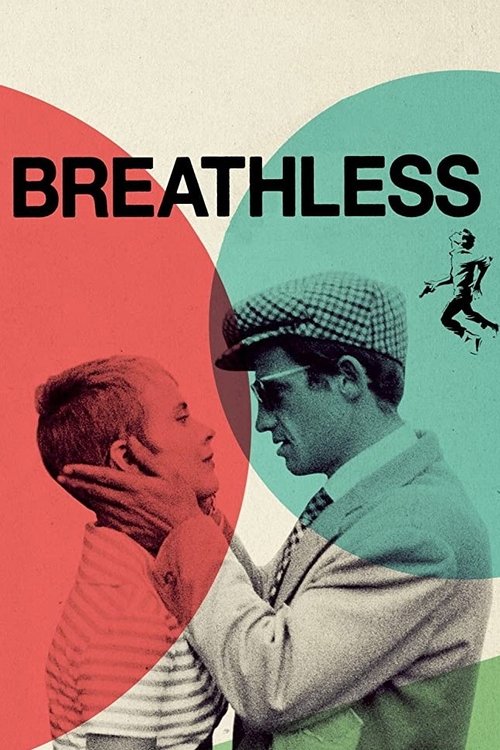


There is a direct line through "Breathless" to " Bonnie and Clyde ," " Badlands " and the youth upheaval of the late 1960s.
Stylistically, Penn’s film shares little in common with Truffaut’s film, and even less with Jean-Luc Godard’s outlaw genre effort “Breathless.”
At the time, Truffaut was a long way from writing the ultimate (and possibly only real) New Wave gangster film, 1960’s Breathless.
His footprints show up in everything from A Hard Day’s Night and Bonnie and Clyde to today’s sassy, bounding, nervously edited commercials for athletic shoes and blue jeans.
Without Jean-Paul Belmondo’s tilted Fedora, chain-smoking Michel, there would never have been a “Bonnie and Clyde”, “Mean Streets” or “Badlands” to name a few of some superior films that followed this low-budget trend setter.
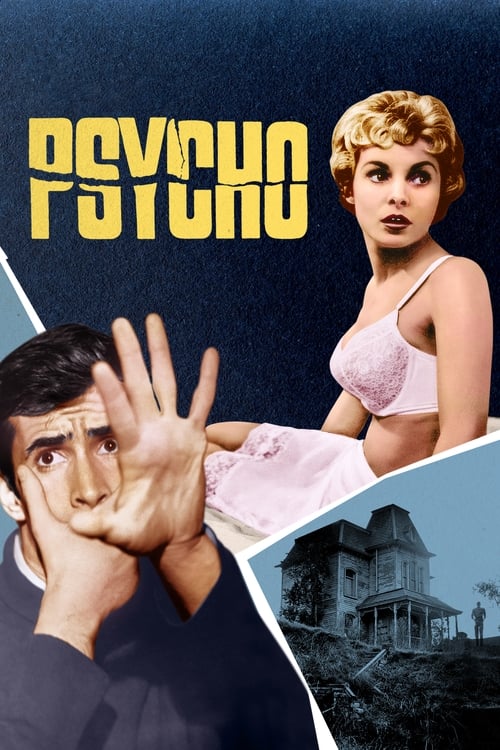
The shower sequence– long, terrifying, and bloody–set the new standard for depiction of violence, which would reach its excess and extremity in “Bonnie and Clyde” (1967), and Peckinpah’s “The Wild Bunch” (1969).
Its visually poetic treatment of violence alone is reflected in such works as Bonnie and Clyde and The Wild Bunch.
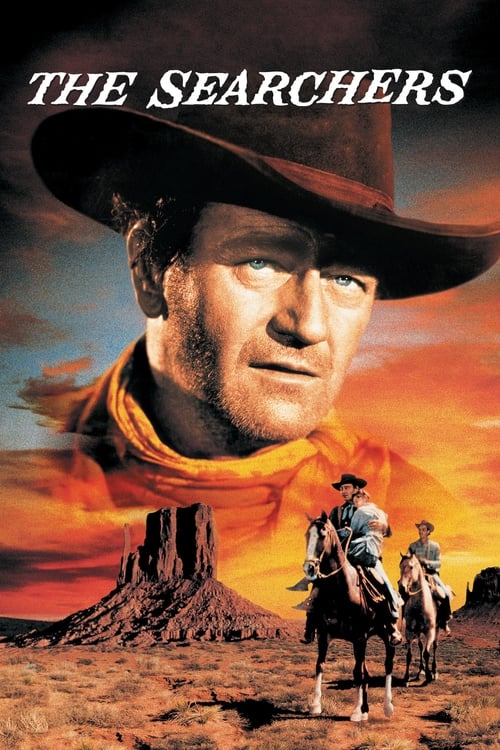
(Never mind the idea of John Wayne as a racist Indian-hater in The Searchers , because he was an all-American patriot in my father's eyes.)
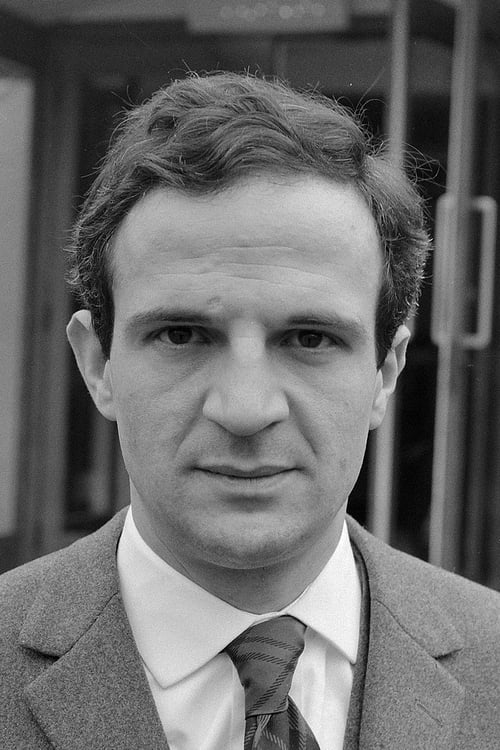
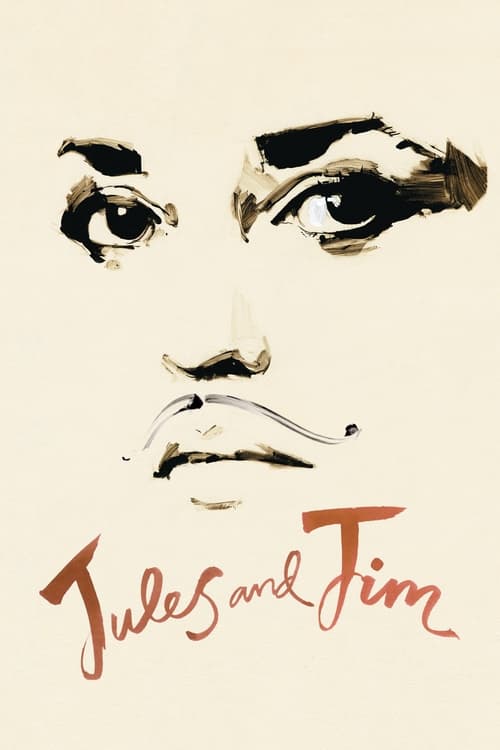
Film critics like Roger Ebert were quick to associate “Bonnie and Clyde” with the French New Wave — vis-à-vis François Truffaut’s “Jules and Jim” — but Ebert and his ilk were reaching.
In the energy pulsing from the screen you can see the style and sensibility that inspired " Bonnie and Clyde " (1967), a film Truffaut was once going to direct, and which jolted American films out of their torpor.

Truffaut’s stiflingly slow take on Bradbury’s dystopian classic, Fahrenheit 451 (released in 1966) provides some clue to where he might have tried to go with Bonnie and Clyde.
Advertisement
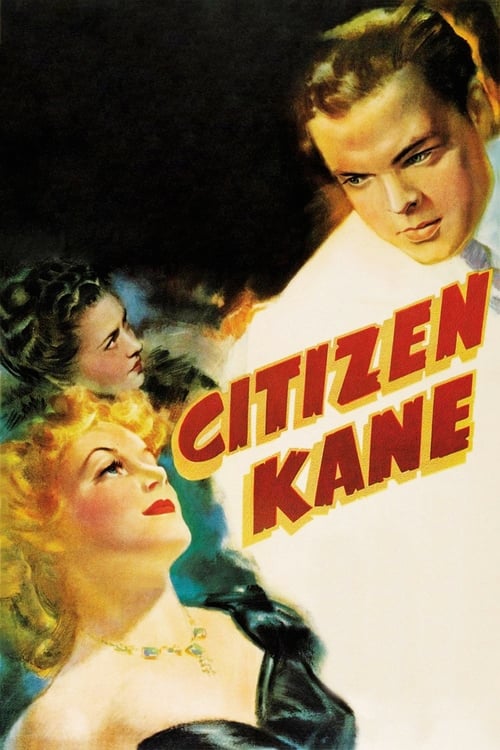
Like Birth of a Nation and Citizen Kane, this was a revolutionary motion picture â?? a movie that had such a powerful impact upon audiences and filmmakers that it influenced how Hollywood approached this genre.

It was the opening salvo of the emerging "film generation," which quickly lined up outside " Bonnie and Clyde ," " Weekend " (1968), " The Battle of Algiers ," " Easy Rider " and " Five Easy Pieces ."
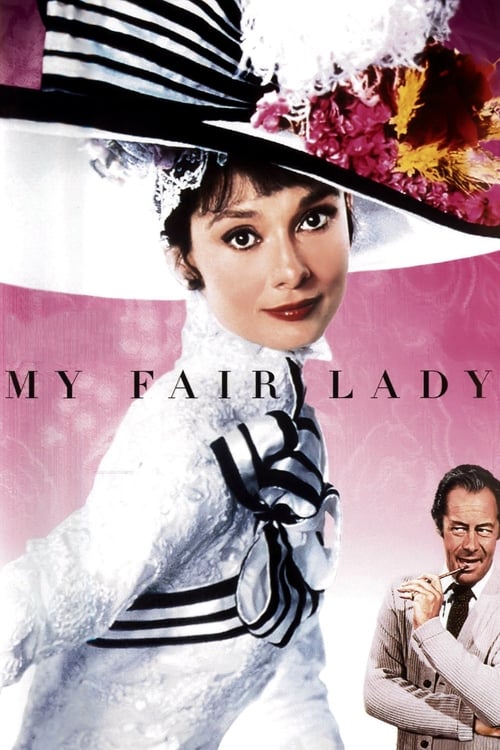
Despite (or maybe because of) its controversial nature, "Bonnie and Clyde" grossed $23 million at the box office (a huge amount by that time's standards, equivalent of about $100 million today), thus becoming Warner's second commercial attraction, after the movie musical "My Fair Lady."
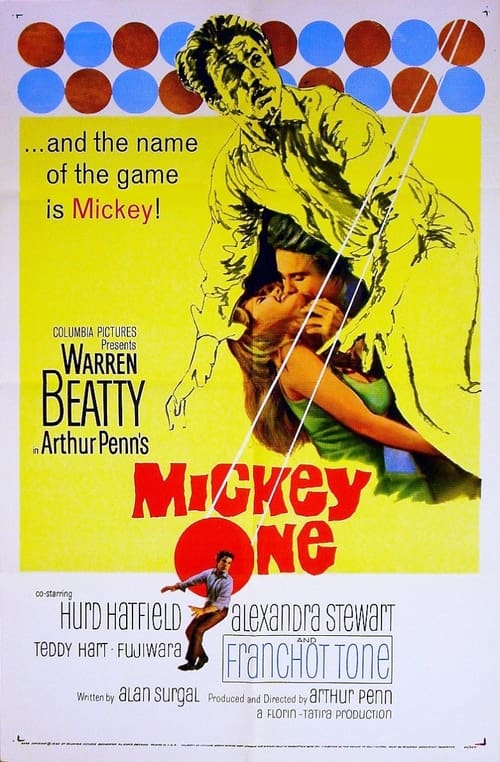
It almost single-handedly dragged Hollywood into the aggressive stylistic modernism that Europe had been enjoying for most of the 1960s; there had been scattered earlier efforts to incorporate the attitude of the French New Wave into an American movie (among them, in fact, was 1965's Mickey One , which shared Bonnie and Clyde's director, Arthur Penn, and lead actor, Warren Beatty), but none that had clicked in a big way with audiences and critics.
So it’s fortunate that Warren Beatty (who was producing Newman and Benton’s script) had a good time with Penn on 1965’s Mickey One, and thus brought him on board.
Bonnie and Clyde developed the aesthetic that marked Penn's high-visibility period: slyly accented, harmonica-hootin', harvest-gold-patchwork Americana; ever-poised violence; and an open invitation to apply the story as a flexible allegory for the issues of the day.