

Blow-Up (1966)
Directed by Michelangelo Antonioni
A successful mod photographer in London whose world is bounded by fashion, pop music, marijuana, and easy sex, feels his life is boring and despairing. But in the course of a single day he unknowingly captures a death on film.
3 connections found
View:
3 films that influenced Blow-Up
What critics say influenced Blow-Up
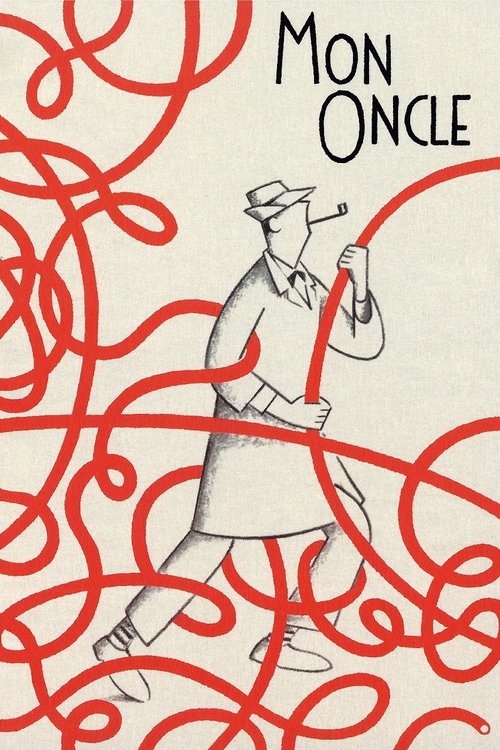


Indeed, Antonioni seems to call into question the celebrated wonders of modernity itself in a way that seemed to echo the concerns Jacques Tati had explored so comically in Mon Oncle (1958): namely whether modern life, particularly in a city infatuated with the New, was worth the aggravation.
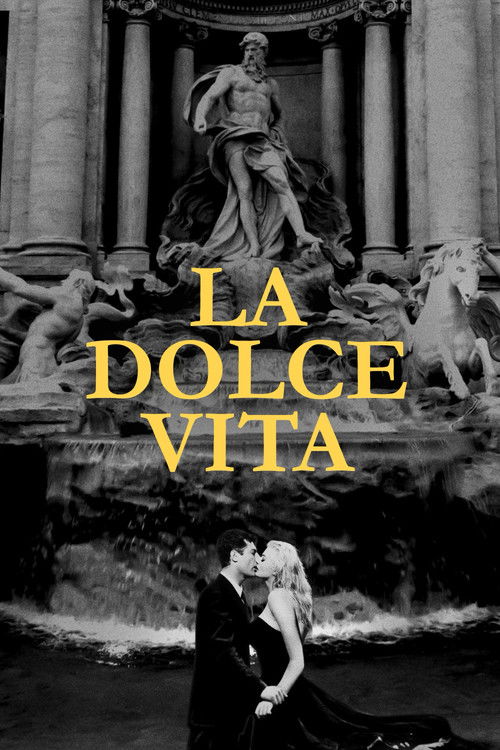
Antonioni, like Federico Fellini in La Dolce Vita (1960), was clearly out to peel back the decadence to show the abyss beneath – all dazzlingly brought to life with the aid of Carlo Di Palma’s jazzy cinematography.

“Blow-Up” was Antonioni’s foray into more commercial international cinema, after making the highly acclaimed trilogy: “L’Avventura” (1960), “La Notte” (1961) and “The Eclipse” (1962), all starring Monica Vitti, which played in film festivals and were limited to the art house circuit.
With L’Avventura (1960), which won the Special Jury Award at Cannes and Il Deserto Rosso (1964), a chronicle of empty life in a modern Northern Italian industrial wasteland, he revealed a unique aesthetic and a cold eye for human pretension and a certain emptiness at the heart of the contemporary city.
Six years after the seminal L'Avventura , Michelangelo Antonioni caused another international feeding frenzy with his Palm d'Or winner Blowup, the story of a disillusioned fashion photographer, Thomas (the great David Hemmings), in '60s mod London who discovers he's captured a murder on camera.
“Blow-Up” was Antonioni’s foray into more commercial international cinema, after making the highly acclaimed trilogy: “L’Avventura” (1960), “La Notte” (1961) and “The Eclipse” (1962), all starring Monica Vitti, which played in film festivals and were limited to the art house circuit.
Michelangelo Antonioni's first English-language film Blow-Up caused a huge fuss when it first opened in 1966, but not because of the gifted filmmaker's reputation -- he had already delivered his masterpiece L'Avventura (1960) -- or the film's extraordinary artistry.
With L’Avventura (1960), which won the Special Jury Award at Cannes and Il Deserto Rosso (1964), a chronicle of empty life in a modern Northern Italian industrial wasteland, he revealed a unique aesthetic and a cold eye for human pretension and a certain emptiness at the heart of the contemporary city.
Six years after the seminal L'Avventura , Michelangelo Antonioni caused another international feeding frenzy with his Palm d'Or winner Blowup, the story of a disillusioned fashion photographer, Thomas (the great David Hemmings), in '60s mod London who discovers he's captured a murder on camera.