

Michelangelo Antonioni
76 connections found



View:
Connections, in both directions



Not specifically in a Soderbergh film, but in “The Conversation” (where Gene Hackman played a solitary surveillance snoop who realizes he may have recorded a murder), and in a handful of other cinematic references that Soderbergh does winking homage to: “Blow-Up,” “Rear Window,” “The Girl with the Dragon Tattoo” — and, in a funny way, the recycling spirit of Brian De Palma, who’s evoked through the film’s voluptuous old-fashioned musical score, by Cliff Martinez, which sounds like an homage to the Hitchcock/Herrmann homages of Pino Donaggio.
Thrillers inspired by Alfred Hitchcock's Rear Window are nothing new, nor are films in which someone inadvertently records the evidence of a crime (Blow-Up, Blow Out).
Angela has to play with filters and equalizers to isolate the voice from the background noise, and it’s in that long, eerie sequence of sonic exploration that you realize that “Kimi” is working in the same fields as Antonioni’s “Blow-Up” (1966), Coppola’s “The Conversation” (1974) and Brian De Palma’s “Blow Out” (1981) – movies in which horrific crimes can be glimpsed through the static of our all-pervasive media state.
Soderbergh’s homages to 1970s paranoid thrillers, and movies like “Blow-Up” and “Blow Out” and “The Conversation” are lovingly integrated: the variations (and even understated homages) the veteran director plays are in the service of David Koepp’s capable script.
The sensation of déjà vu is compounded by Angela’s efforts to extract clearer audio from the recording and determine whether she’s hearing what she thinks she’s hearing, à la John Travolta in Brian De Palma’s Blow Out (which was already a riff on Antonioni’s Blow-Up ).
Seeing her use her tech skills to decipher the message will undoubtably bring up comparisons to Michelangelo Antonioni’s Blow-Up (1966) and to a larger degree, Brian De Palma’s Blow Out (1981).
(If you had “a Blow-Up reference” on your Spielberg bingo card, mark it now.)
Starting with a passage reminiscent of “Blow-Up,” Sammy discovers things he had never imagined, another in a concatenation of primal scenes.
The fact that Sammy grows aware of Mitzi’s close bond with the family friend by looking through his home movies, studying them frame by frame in Blow-Up style, is a devastating concept—Sammy’s solace and voice, his camera, is now a tool for wounding revelation.
The whole thing is masterful; it’s like the showcase set pieces of Blow-Up or Blow Out , if Antonioni or De Palma had decided to depict the murder of a marriage rather than a shadowy assassination.
It’s Spielberg’s version of Blow-Up and we learn a hard truth as its revealed to Sammy.

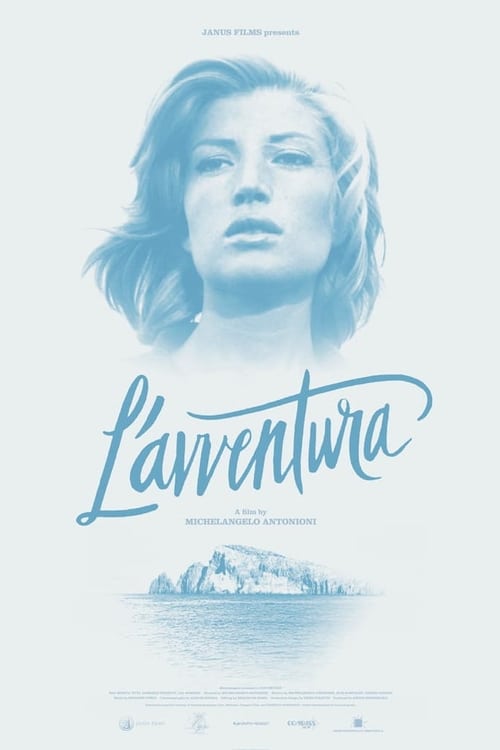
Film-history buffs immediately spotted the influence of Michelangelo Antonioni’s 1960 classic “L’Avventura” in this cunning ensemble drama about a group of friends on a seaside vacation torn apart by a woman’s unexplained disappearance, but no degree in cinema studies was required to appreciate Farhadi’s confident control of characters, image and story, or his complex and humane portrait of life inside the Islamic Republic.
It's easy to see Farhadi's story influences in "About Elly," notably Antonioni's "L'Avventura," where a strange disappearance transforms the people left in the picture.
That this vanishing sets up a mystery that propels the rest of the film has led to understandable critical comparisons to Antonioni’s “L’Avventura.”
As search boats and divers are called in and the police wait for Elly's body to be washed up on shore, it's hard not to flash on the drama of the missing woman in Antonioni's "L'Avventura."
A woman goes missing by the sea: the stuff of “L’Avventura,” Michelangelo Antonioni’s 1960 masterpiece, but also of contemporary Iranian master Asghar Farhadi’s 2009 “About Elly,” only now getting a U. S. release after clearing rights issues.
It starts out with the joie de vivre of an Eric Rohmer beach movie, darkens into the moral complications and complexities of Jean Renoir’s “The Rules of the Game” (1939), and ends with the irresolution and existential dismay of Michelangelo Antonioni’s “L’avventura” (1960).
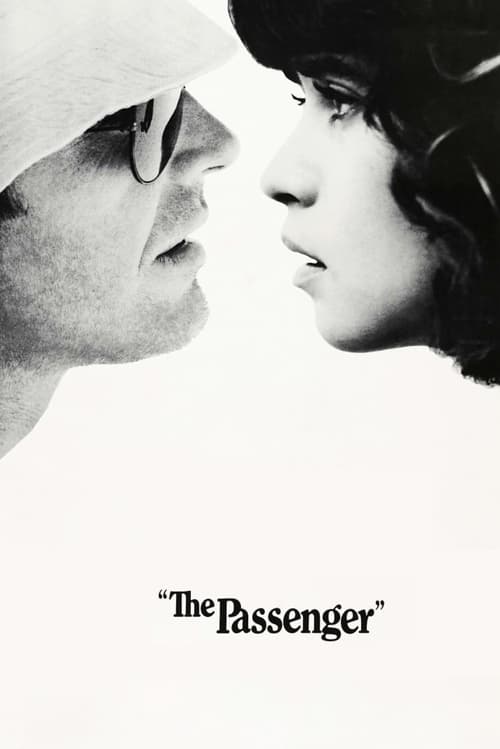
So far, so kind-of familiar, and don't think the filmmakers don't know it; Clooney, who's one of the film's producers, has cited this picture as an homage to works he hasn't, to the best of my knowledge, explicitly named, but one would have to conclude they include the likes of "Le Samourai," not to mention Wenders ' " The American Friend ," Antonioni 's " The Passenger ," and so on.
If "The American" isn't a masterpiece like "Once Upon A Time," and Michelangelo Antonioni's "The Passenger" -- the film it more obviously pays homage to -- it's still a cool, minimalist thriller that features gorgeous camera work by Corbijn and a strong, understated performance by Clooney.
Corbijn’s chilly, high-angled style favorably evokes Michelangelo Antonioni’s The Passenger, as well as that hazy 1960s period when out-of-fashion movie stars found themselves cast in stylized European films in order to shore up the international box office.
Clouds of Sils Maria (2014)
Directed by Olivier Assayas
influenced by L'Avventura (1960)
Visuals Themes
Assayas is fully in touch with the open spaces and spiritual ennui of Michelangelo Antonioni; parts of Sils Maria carry echoes of both L’Avventura and Eclipse.
The star effortlessly keeps pace with the filmmaker’s empathetic tricks and his nods to such foreign-language classics as Ingmar Bergman’s “Persona” and Michelangelo Antonioni’s “L’Avventura.”
There’s touches of “Persona” and “L’Avventura” here, but they’re there almost as meta-movie jokes, not intended to be solved.
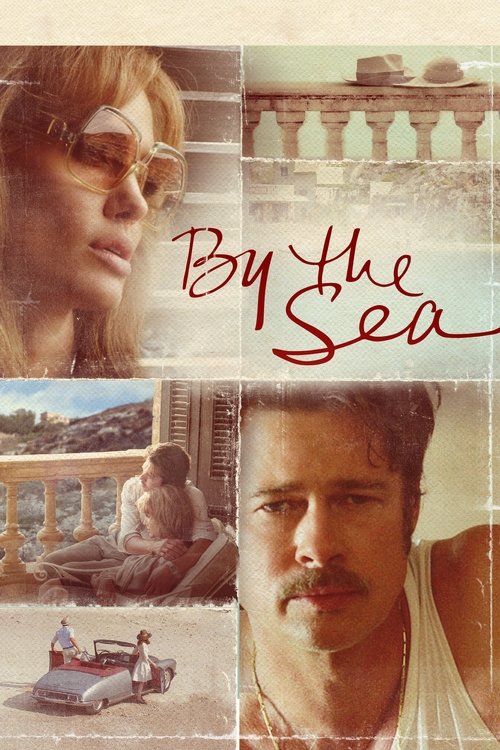
By the Sea (2015)
Directed by Angelina Jolie
influenced by L'Avventura (1960), La Notte (1961)
Visuals Themes Plot
Those obvious visual and thematic influences to the entire “white people in hot weather” genre, which extend from “L’Avventura” to “The Sheltering Sky” to Anthony Minghella’s “The Talented Mr. Ripley” and Richard Linklater’s “Before Midnight,” may well have arrived by way of Austrian cinematographer Christian Berger, who has shot most of Michael Haneke’s films.
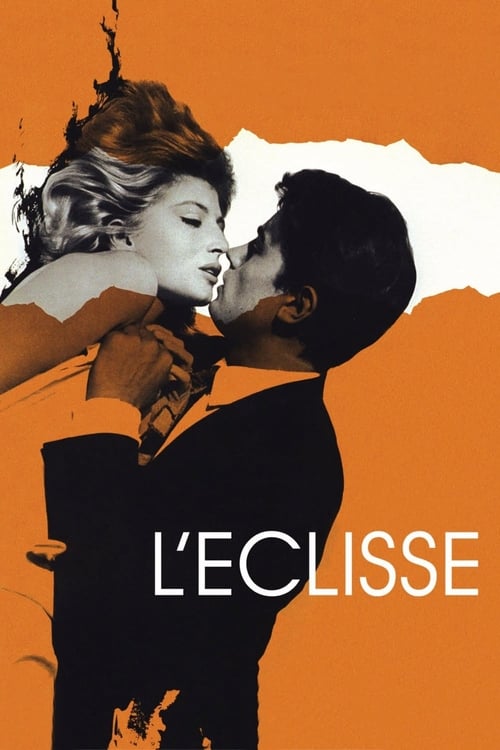
We think of Michelangelo Antonioni’s “trilogy”: L’Avventura, La Notte, and L’Eclisse.
It might have been more interesting if Jolie had toyed humorously with the conventions of a film like “L’Avventura” rather than simply trying to copy them.
Unfortunately, By the Sea is less L’Avventura than it is Je t’aime moi non plus, or for that matter, Swept Away.
We think of Michelangelo Antonioni’s “trilogy”: L’Avventura, La Notte, and L’Eclisse.
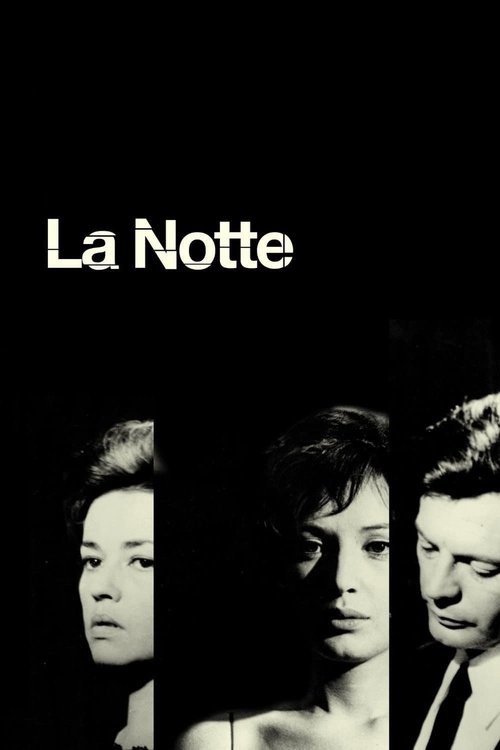
His film La Notte conveniently also centers on a relationship between a male writer and female beauty.
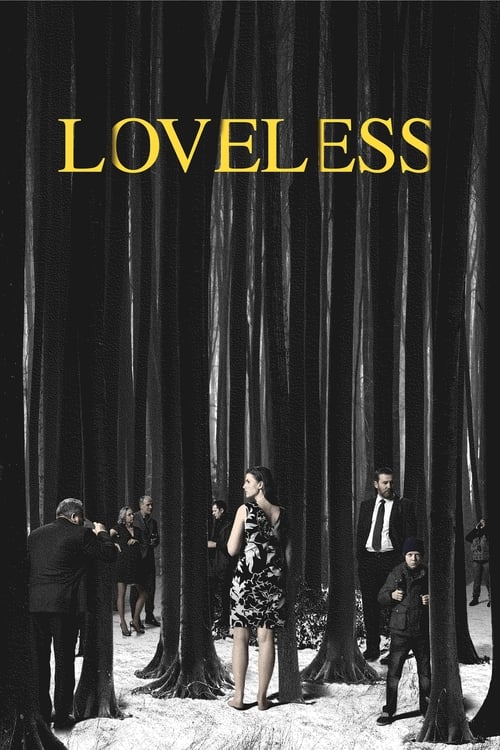
Cinephiles will no doubt eagerly tick off parallels with films like Michael Haneke’s Hidden, Michelangelo Antonioni’s L’Avventura or Ingmar Bergman’s Scenes From a Marriage, which Zvyagintsev himself cites in Loveless’ press notes, but ultimately this is a film that operates on its own unique frequency, albeit one that resonates richly with all of Zvyagintsev’s earlier work, from The Return through to The Banishment and Elena.
Zvyagintsev has compared Loveless to Ingmar Bergman’s Swedish masterpiece Scenes From a Marriage , but along with the inescapable ghosts of Michelangelo Antonioni’s L’Avventura , I found myself equally reminded of Let the Right One In , the heartbreaking chiller from Bergman’s fellow countryman Tomas Alfredson.
Considering that the mysterious disappearance of a central character initiates a slow-burn existential crisis for the middle-class protagonists, it’s safe to assume Antonioni’s L’Avventura was also a point of reference.
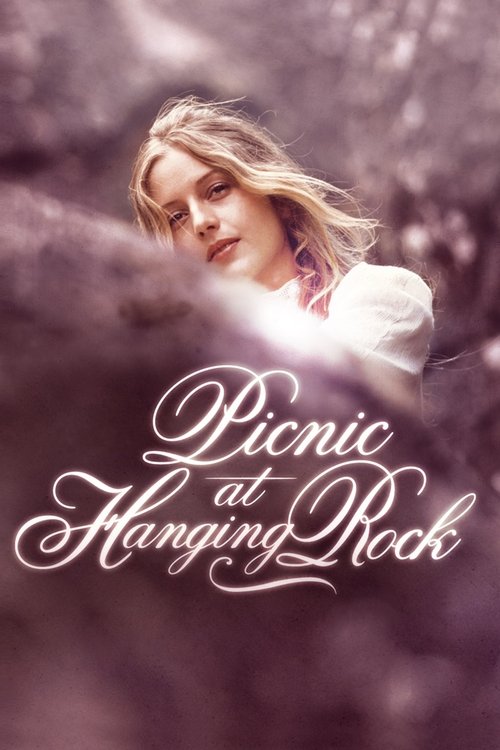
Picnic at Hanging Rock (1975)
Directed by Peter Weir
influenced by L'Avventura (1960), Blow-Up (1966)
Themes Plot
The 1975 Australian film " Picnic at Hanging Rock " is also about a person consumed by a landscape.
The movie has been compared to Michelangelo Antonioni's " L'Avventura " (1960), a film in which a man's wife wanders away on an island in the Mediterranean, and is never seen again.
One of the girls is found about a week later, but the others are mysteriously lost forever, reminiscent of Michelangelo Antonioni's L'Avventura .
Antonioni's " Blow-Up " (1967) involves a body which may or may not be there, and a mystery that is never solved.

Many images evoke the Cinema of Stylish Ennui: think of Michelangelo Antonioni's "La Notte" and "L'Eclisse," Michael Mann's "Heat," Sofia Coppola's " Somewhere ."
In The Hermit, Rick wanders the grounds of a lavish shindig at the Malibu mansion of a Spanish satyr (Antonio Banderas), a set piece that manages to simultaneously recall Antonioni’s La notte (1961) and—in old horndog Banderas’s statement that “women are like flavors: sometimes you want raspberry, and then you get tired of it and you want strawberry”—Raekwon’s “Ice Cream.”
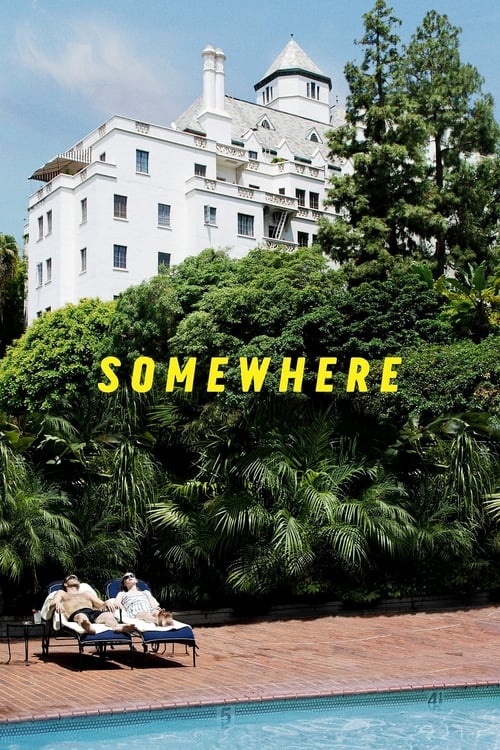
Somewhere (2010)
Directed by Sofia Coppola
influenced by La Notte (1961), L'Avventura (1960), The Passenger (1975)
Visuals Themes Characters
It’s easy to see borrowed influences from Michelangelo Antonioni films (particularly L’avventura, and La Notte), perhaps inspired by a short trip Cleo and Johnny take to Italy for a ridiculous awards show.
The ever-acerbic Kael was referencing the existential drear that so glamorously afflicted characters in '60s foreign films like " La Notte " and " 8 1/2 ."
It’s easy to see borrowed influences from Michelangelo Antonioni films (particularly L’avventura, and La Notte), perhaps inspired by a short trip Cleo and Johnny take to Italy for a ridiculous awards show.
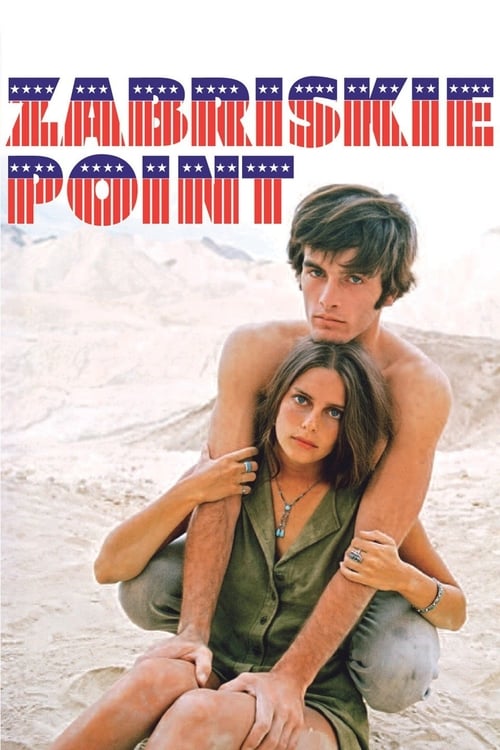
Dorff is more Mark Frechette in Zabriskie Point (1970) than Jack Nicholson in Antonioni's The Passenger (1975).
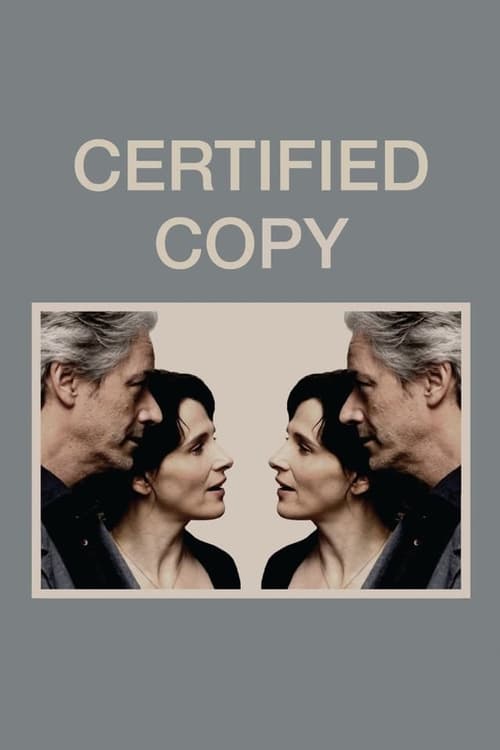
I enjoy puzzles like Antonioni's "Blow Up" or " L'Avventura ," with characters who don't understand what has happened, but here there seems to be no underlying reality at all, and Abbas Kiarostami is playing with us.
Kiarostami tempts one to invoke the kindred-spirited themes of Voyage to Italy, L'Avventura , even Before Sunset as we chew on his Certified Copy, but to do so would suggest that Kiarostami thinks of them as ideals.
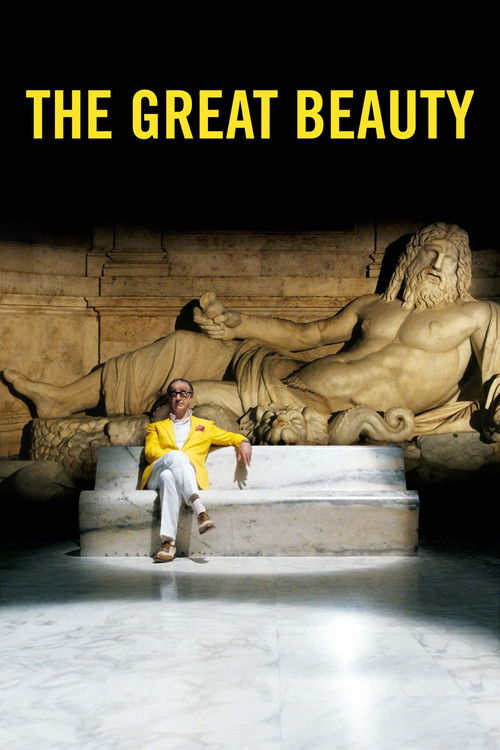
The Great Beauty (2013)
Directed by Paolo Sorrentino
influenced by La Notte (1961)
Themes Characters
Sorrentino’s spectacularly ornate assessment of modern Rome is peppered with references to other Italian cinematic totems as well, like Fellini’s 8 1/2 and Michelangelo Antonioni’s La Notte, which indicates just how audacious the movie is.
La Dolce Vita is the most obvious one but the list also includes Roberto Rossellini's Rome, Open City and Michelangelo Antonioni's La notte, among others.
It’s an accurate and damning group portrait, only barely updated from those depicted by Fellini, Scola and the Antonioni of “La notte.”
Brashly stepping up and standing beside Giovanni from Antonioni’s “La Notte” and Marcello from Fellini’s “La Dolce Vita” is Jep Gambardella from Paolo Sorrentino’s “La Grand Bellezza.”

The clearest reference point is Antonioni’s L’Avventura : a small group of friends visit a far-flung locale—here it’s Cambodia—where one of their number disappears without a trace.
There is a whole slew of cinema with which Wish We Were Here could very well be in conversation with, perhaps most notably something along the lines of L’avventura , where an alarming disappearance of one character causes an uncomfortable relationship to develop between those left behind.
Although this sort of premise dates back to films like “L’Avventura,” this is more of slow and heavy drama focusing more on the aftermath of Jeremy’s disappearance than the events leading up to it, while at the same time using a non-linear storytelling method to cut back to moments in Cambodia that may have led up to it.
Jeremy, the disappeared man, haunts the tale in a manner similar to the missing characters in more nuanced work like L’avventura or The Picnic at Hanging Rock .

Once Upon a Time in Anatolia (2011)
Directed by Nuri Bilge Ceylan
influenced by L'Avventura (1960)
Themes
In themes and style, both films are evocative of early Antonioni; a 157-minute police procedural at once sensuous and cerebral, profane and metaphysical, "empty" and abundant, Once Upon a Time in Anatolia is closer to the Antonioni of L'Avventura, and it elevates the 52-year-old director to a new level of achievement.
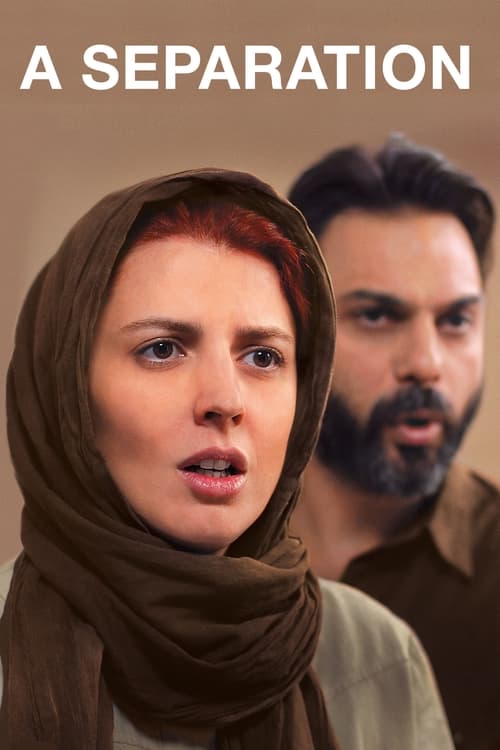
A handful of world-cinema buffs already know the 40-year-old Farhadi, whose previous films include “About Elly,” a festival favorite partly inspired by Antonioni’s “L’Avventura,” as a leading figure in that nation’s younger generation of directors, following Abbas Kiarostami, Mohsen Makhmalbaf and Majid Majidi.
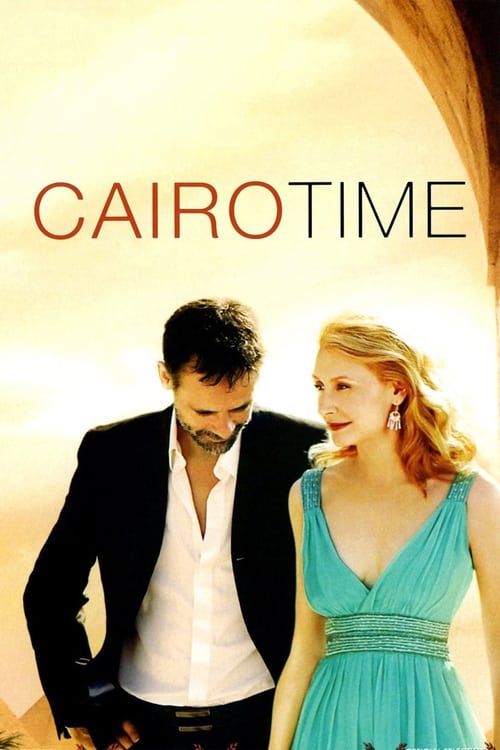
Cairo Time (2009)
Directed by Ruba Nadda
influenced by L'Avventura (1960), La Notte (1961)
Plot Visuals
The editor of a Cosmo-style magazine, this Fun Fearless Female brashly wanders the streets of Cairo with no head covering, thus inspiring the congregation of a sinister swarm of men whose lascivious designs are as aggressively forthright as the group that plagued Monica Vitti in L'Avventura .
Like Jeanne Moreau in La Notte, she can spend five minutes just staring at ravaged buildings, vacant lots and tired day laborers without boring the audience.
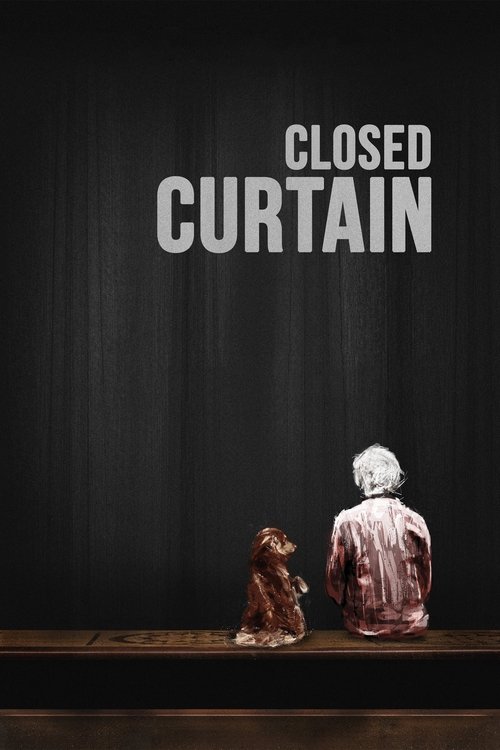
(Much happens offscreen, while the first and last shots which recall the ending of Antonioni's "The Passenger" - are long, static ones through heavy window gates, as forbidding as prison bars).
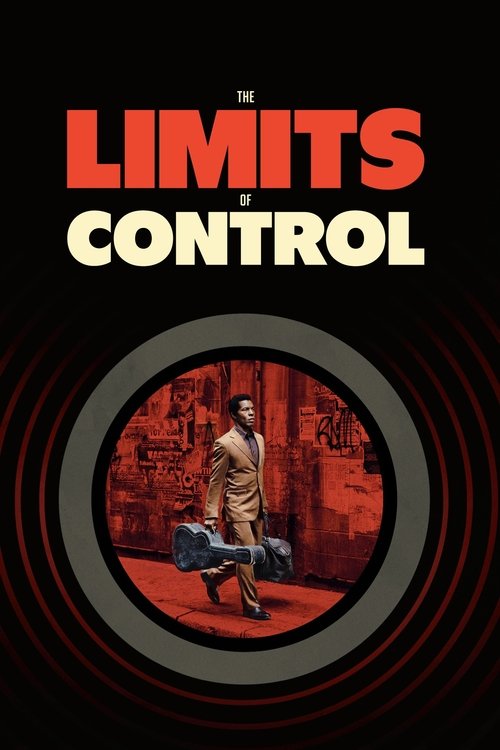
They don’t, however, and this is where Jarmusch differs from Antonioni: Antonioni formed architectural commentaries around characters cipher-like but fully integrated into their surroundings (The Passenger, Antonioni’s largely Spanish-set anti-thriller, is a masterpiece of undermined subjectivity and metaphysical longing that The Limits of Control doesn’t even approach); Jarmusch’s Lone Man is simply a cipher, and the world around him doesn’t echo or counterpoint any actual qualities he might possess.
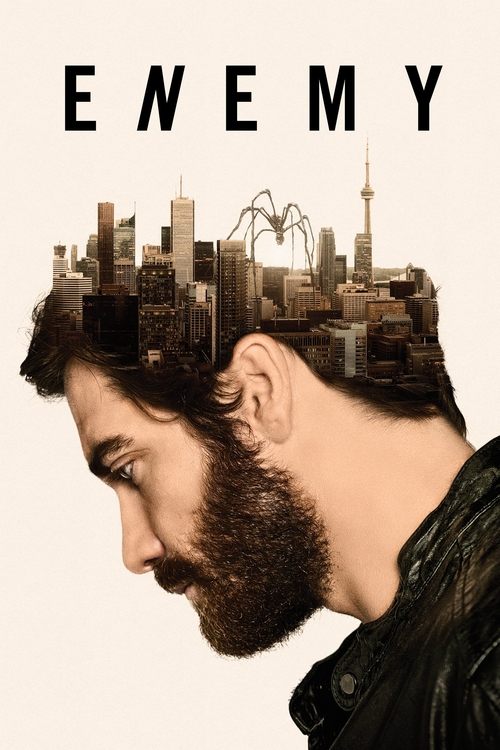
A scene at a sex club is reminiscent of David Lynch’s “Twin Peaks” or Stanley Kubrick’s “Eye Wide Shut,” while the identity-switch subplot recalls Michelangelo Antonioni’s “The Passenger.”
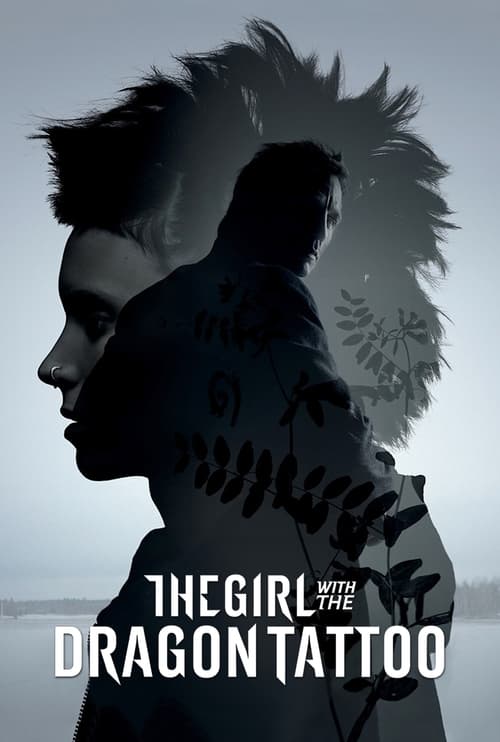
The Girl with the Dragon Tattoo (2011)
Directed by David Fincher
influenced by Blow-Up (1966)
Themes Visuals
As the investigation covers more monstrousness, and as Mikael and Lisbeth come to recognize each other as strange bedfellows who may well be kindred spirits, Fincher evokes, ever so subtly, great past thrillers such as " Repulsion " and " Blow-Up " while building a completely in-the-now sense of dread that's been largely missing in contemporary cinema since Hitchcock and Kubrick were at their creative peaks.
There’s a long history of solving mysteries by photo editing, and in watching Dragon Tattoo I was taken back to the seductive power of images in its early prototype: Antonioni’s Blow-Up .
There’s some nifty Blow-Up -style business here as Blomkvist strings together these images, reconstructing the events of her last known day on earth.