
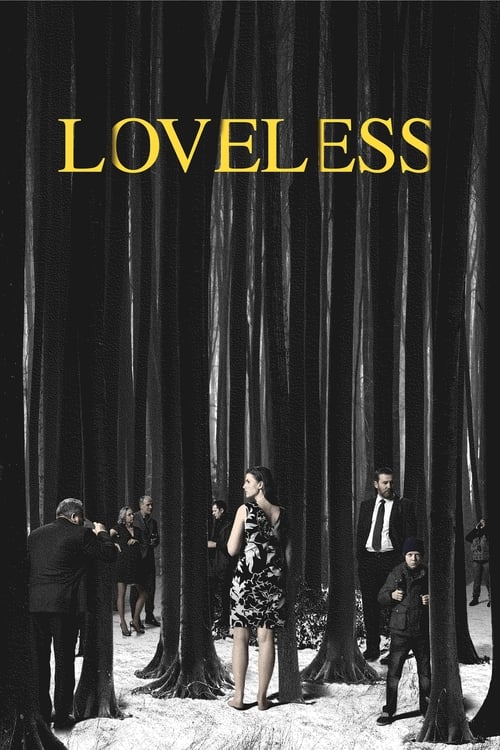
Loveless (2017)
Directed by Andrey Zvyagintsev
Zhenya and Boris are going through a vicious divorce marked by resentment, frustration and recriminations. Already embarking on new lives, each with a new partner, they are impatient to start again, to turn the page – even if it means threatening to abandon their 12-year-old son Alyosha. Until, after witnessing one of their fights, Alyosha disappears.
4 connections found
View:
4 films that influenced Loveless
What critics say influenced Loveless
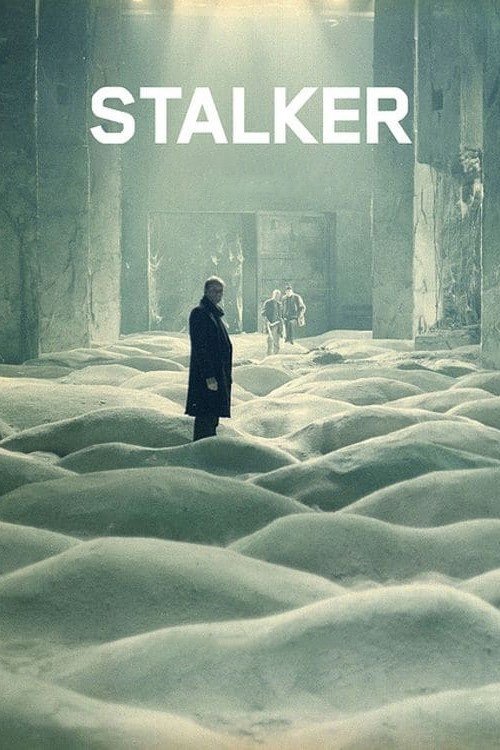


There is a “Stalker“-esque, almost science fiction vibe to these ambiguities, especially amid the film’s annihilated landscapes, but “Loveless” unfolds in the recent past, not the near future.
The methodical searching of an abandoned building that the boys used as a camp is reminiscent of Andrei Tarkovsky's vision of dripping multilevel ruin in Stalker.
It’s a revelation that proves as terrifying as anything brought in the film’s resolution, which develops incrementally towards a conclusion that has all the inexorability of the territory (it comes with some exterior locations that match even Tarkovsky’s Stalker for wondrous dereliction).
The plangent dialogue is surpassed by the child’s flat gaze upon a flat, gray, all-but-done city, face round, unblinking like the girl who makes magic at the end of Tarkovsky’s “Stalker.”
The decrepit apartment complex is straight out of the 1979 Stalker , with its murky puddles and piles of debris, and there’s even a quasi-in-joke reference to that film when one of the places the lost-child brigade goes to post fliers is a government complex with the words “forbidden zone” printed on the gate.
The hunt takes them through apartment blocks, dense forests, abandoned wastelands, and, most notably, a decaying Soviet-era complex that once housed conference rooms, a movie theater, and a basketball court — a massive, decrepit building that looks at times like it came right out of Andrei Tarkovsky’s Stalker .

Cinephiles will no doubt eagerly tick off parallels with films like Michael Haneke’s Hidden, Michelangelo Antonioni’s L’Avventura or Ingmar Bergman’s Scenes From a Marriage, which Zvyagintsev himself cites in Loveless’ press notes, but ultimately this is a film that operates on its own unique frequency, albeit one that resonates richly with all of Zvyagintsev’s earlier work, from The Return through to The Banishment and Elena.
Zvyagintsev has compared Loveless to Ingmar Bergman’s Swedish masterpiece Scenes From a Marriage , but along with the inescapable ghosts of Michelangelo Antonioni’s L’Avventura , I found myself equally reminded of Let the Right One In , the heartbreaking chiller from Bergman’s fellow countryman Tomas Alfredson.
Considering that the mysterious disappearance of a central character initiates a slow-burn existential crisis for the middle-class protagonists, it’s safe to assume Antonioni’s L’Avventura was also a point of reference.

Zvyagintsev has compared Loveless to Ingmar Bergman’s Swedish masterpiece Scenes From a Marriage , but along with the inescapable ghosts of Michelangelo Antonioni’s L’Avventura , I found myself equally reminded of Let the Right One In , the heartbreaking chiller from Bergman’s fellow countryman Tomas Alfredson.
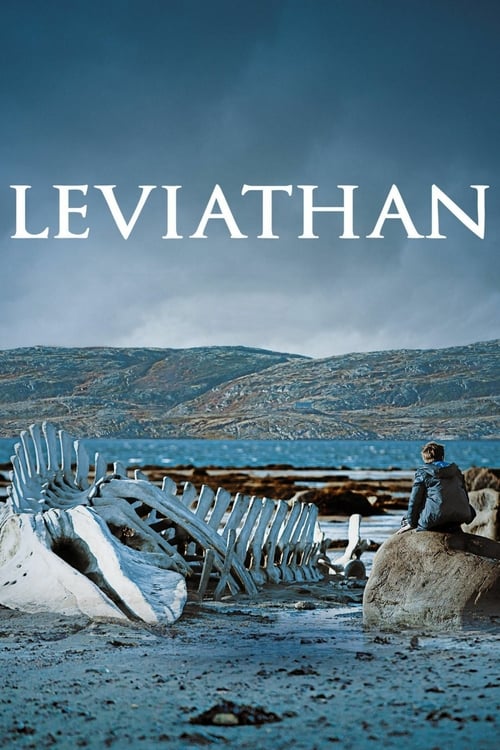
Leviathan director Andrey Zvyagintsev has reunited with writer Oleg Negin for another dour look at his home country, this time revolving around the disappearance of the child of a deeply unhappy couple.
Russian writer-director Andrey Zvyagintsev ('Leviathan') returns to Cannes with a tense drama about the search for a missing child.
After four films, including the brilliant Cannes 2014 title “Leviathan,” we are almost prepared for the crystalline perfection of Russian genius Andrey Zvyagintsev‘s style.
Leviathan, which won Best Screenplay at Cannes in 2014, also centred around a mystery, the solution of which was paradoxically opaque and obvious at the same time.
Although Leviathan, Zvyagintsev’s previous and far-superior effort, was hardly a masterclass in nuance, a palpable sense of empathy and flashes of humor largely compensated for its lack of subtlety.
Loveless may operate on a smaller scale than his last film Leviathan but it resonates with a similar sense of despair about the state of the nation.