

Kimi (2022)
Directed by Steven Soderbergh
A tech worker with agoraphobia discovers recorded evidence of a violent crime but is met with resistance when she tries to report it. Seeking justice, she must do the thing she fears the most: leave her apartment.
36 connections found
View:
36 films that influenced Kimi
What critics say influenced Kimi



Not specifically in a Soderbergh film, but in “The Conversation” (where Gene Hackman played a solitary surveillance snoop who realizes he may have recorded a murder), and in a handful of other cinematic references that Soderbergh does winking homage to: “Blow-Up,” “Rear Window,” “The Girl with the Dragon Tattoo” — and, in a funny way, the recycling spirit of Brian De Palma, who’s evoked through the film’s voluptuous old-fashioned musical score, by Cliff Martinez, which sounds like an homage to the Hitchcock/Herrmann homages of Pino Donaggio.
Thrillers inspired by Alfred Hitchcock's Rear Window are nothing new, nor are films in which someone inadvertently records the evidence of a crime (Blow-Up, Blow Out).
Angela has to play with filters and equalizers to isolate the voice from the background noise, and it’s in that long, eerie sequence of sonic exploration that you realize that “Kimi” is working in the same fields as Antonioni’s “Blow-Up” (1966), Coppola’s “The Conversation” (1974) and Brian De Palma’s “Blow Out” (1981) – movies in which horrific crimes can be glimpsed through the static of our all-pervasive media state.
Soderbergh’s homages to 1970s paranoid thrillers, and movies like “Blow-Up” and “Blow Out” and “The Conversation” are lovingly integrated: the variations (and even understated homages) the veteran director plays are in the service of David Koepp’s capable script.
The sensation of déjà vu is compounded by Angela’s efforts to extract clearer audio from the recording and determine whether she’s hearing what she thinks she’s hearing, à la John Travolta in Brian De Palma’s Blow Out (which was already a riff on Antonioni’s Blow-Up ).
Seeing her use her tech skills to decipher the message will undoubtably bring up comparisons to Michelangelo Antonioni’s Blow-Up (1966) and to a larger degree, Brian De Palma’s Blow Out (1981).
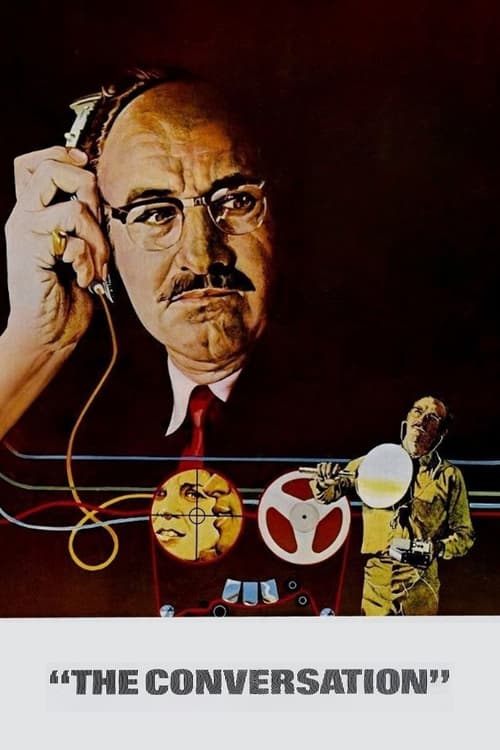
Not specifically in a Soderbergh film, but in “The Conversation” (where Gene Hackman played a solitary surveillance snoop who realizes he may have recorded a murder), and in a handful of other cinematic references that Soderbergh does winking homage to: “Blow-Up,” “Rear Window,” “The Girl with the Dragon Tattoo” — and, in a funny way, the recycling spirit of Brian De Palma, who’s evoked through the film’s voluptuous old-fashioned musical score, by Cliff Martinez, which sounds like an homage to the Hitchcock/Herrmann homages of Pino Donaggio.
The story is an exercise in techno-paranoia, which is always fun, with echoes of such genre classics as Coppola's The Conversation , De Palma's Blow Out , and Antonioni's Blowup , along with grateful nods to Alfred Hitchcock's Rear Window .
It borrows familiar elements of voyeurism from Rear Window (1954) and combines them with the paranoia and omnipresent recording of The Conversation (1974) and Blow Out (1981), and it reinvigorates these ideas.
Here, it’s his editing that stands out—especially in a sequence of Angela filtering the audio, where the filleting of techy insert shots and close-ups of Kravitz (all amplified by the layered sound design) recall similar sequences in Francis Ford Coppola’s The Conversation .
With “Kimi,” Soderbergh pays homage to Hitchcock (in particular “Rear Window”) and the 1974 classic “The Conversation” in a lean, no-frills psychological thriller featuring some of the finest work in Zoë Kravitz’s career.
Angela has to play with filters and equalizers to isolate the voice from the background noise, and it’s in that long, eerie sequence of sonic exploration that you realize that “Kimi” is working in the same fields as Antonioni’s “Blow-Up” (1966), Coppola’s “The Conversation” (1974) and Brian De Palma’s “Blow Out” (1981) – movies in which horrific crimes can be glimpsed through the static of our all-pervasive media state.
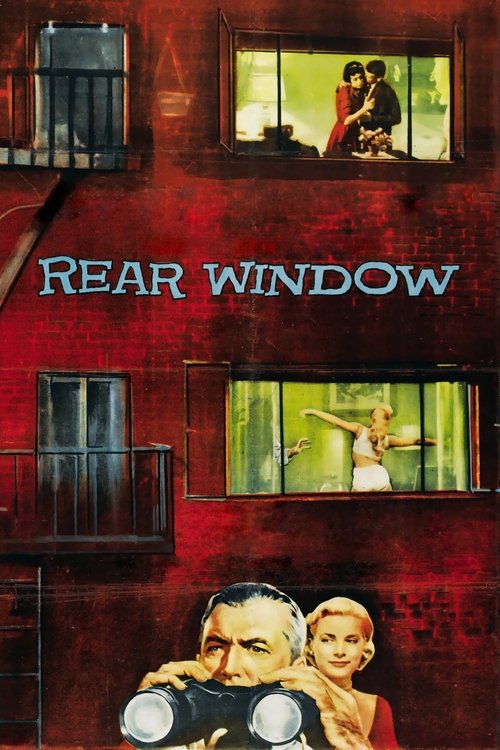
The story is an exercise in techno-paranoia, which is always fun, with echoes of such genre classics as Coppola's The Conversation , De Palma's Blow Out , and Antonioni's Blowup , along with grateful nods to Alfred Hitchcock's Rear Window .
What Movies Will It Remind You Of?: Hitchcock is a clear reference point here, from the apartment-on-high views of Rear Window to the psychological angles of Shadow of a Doubt and Spellbound .
It certainly is built as an ordinary genre piece — so ordinary you’ll be reminded of other paranoid suspense films during the whole eighty-nine-minute running time, starting with Alfred Hitchcock’s Rear Window (1954) and carrying on through countless descendants to 2021’s The Woman in the Window .
It borrows familiar elements of voyeurism from Rear Window (1954) and combines them with the paranoia and omnipresent recording of The Conversation (1974) and Blow Out (1981), and it reinvigorates these ideas.
The setting of a confined apartment and sense of voyeurism will bring up parallels with Alfred Hitchcock’s Rear Window (1954).
With “Kimi,” Soderbergh pays homage to Hitchcock (in particular “Rear Window”) and the 1974 classic “The Conversation” in a lean, no-frills psychological thriller featuring some of the finest work in Zoë Kravitz’s career.
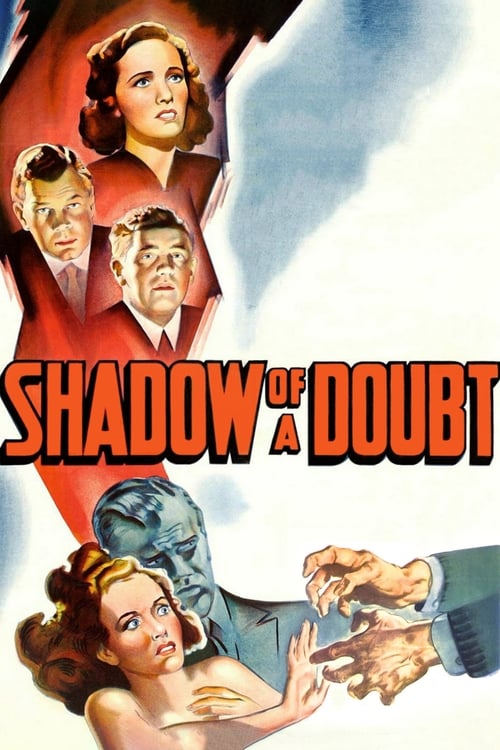
What Movies Will It Remind You Of?: Hitchcock is a clear reference point here, from the apartment-on-high views of Rear Window to the psychological angles of Shadow of a Doubt and Spellbound .
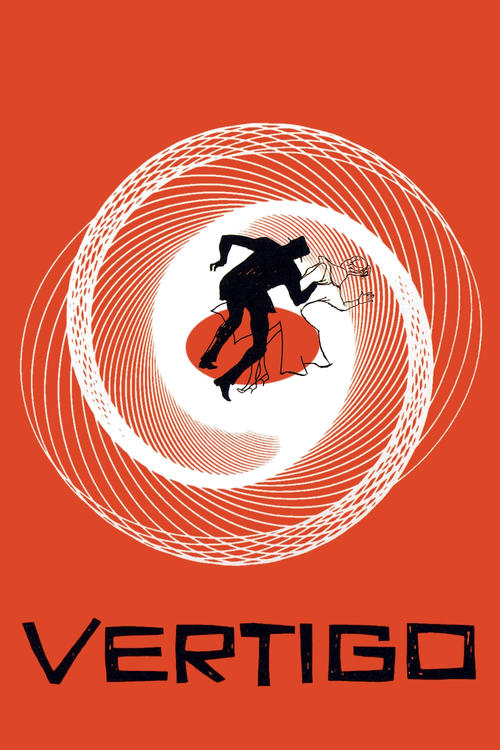
(Cliff Martinez, who composed the score, does an arresting job of suggesting the somber themes written by Bernard Herrmann for other Hitchcock films like Psycho and Vertigo .)
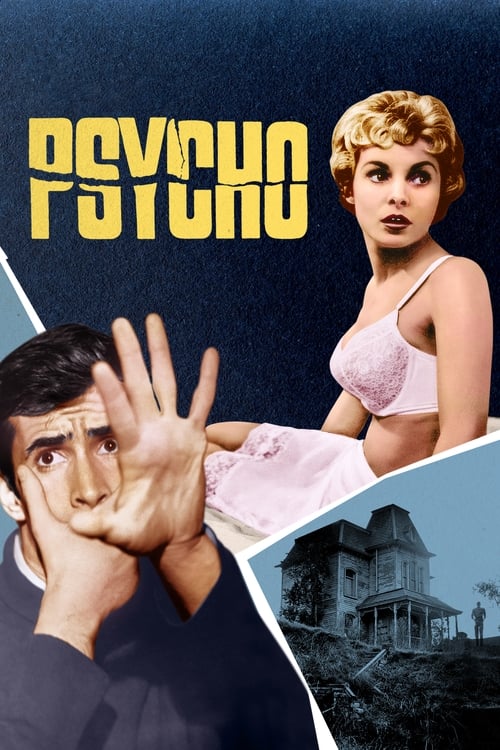
(Cliff Martinez, who composed the score, does an arresting job of suggesting the somber themes written by Bernard Herrmann for other Hitchcock films like Psycho and Vertigo .)

What Movies Will It Remind You Of?: Hitchcock is a clear reference point here, from the apartment-on-high views of Rear Window to the psychological angles of Shadow of a Doubt and Spellbound .
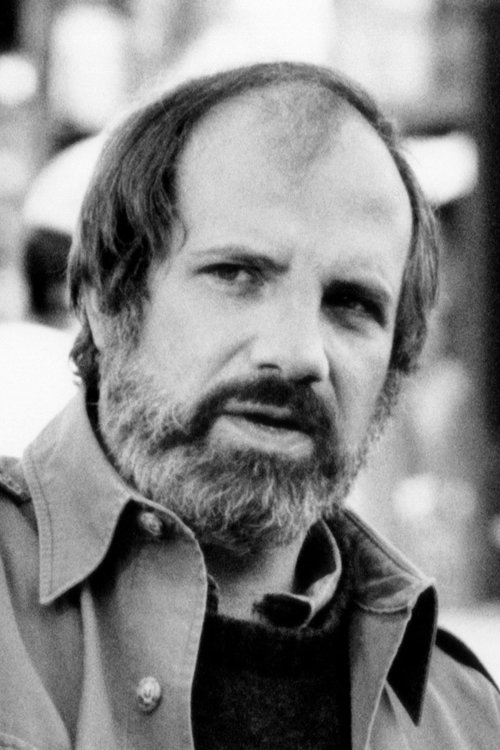

Angela struts and dances through the apartment while doing routine tasks or talking on the phone, and Soderbergh matches her vigor with shots from below or above, extreme closeups on physical contact with objects and optical connection with digital information that evoke both a passionate engagement with the world and a chilly alienation from it (in ways that are reminiscent of Brian De Palma’s “Blow Out”).
The story is an exercise in techno-paranoia, which is always fun, with echoes of such genre classics as Coppola's The Conversation , De Palma's Blow Out , and Antonioni's Blowup , along with grateful nods to Alfred Hitchcock's Rear Window .
It borrows familiar elements of voyeurism from Rear Window (1954) and combines them with the paranoia and omnipresent recording of The Conversation (1974) and Blow Out (1981), and it reinvigorates these ideas.
For this project he seems inspired by Brian De Palma’s great “Blow Out,” where John Travolta plays a movie sound editor who is convinced he has recorded a murder linked to a political conspiracy.
Thrillers inspired by Alfred Hitchcock's Rear Window are nothing new, nor are films in which someone inadvertently records the evidence of a crime (Blow-Up, Blow Out).
Angela has to play with filters and equalizers to isolate the voice from the background noise, and it’s in that long, eerie sequence of sonic exploration that you realize that “Kimi” is working in the same fields as Antonioni’s “Blow-Up” (1966), Coppola’s “The Conversation” (1974) and Brian De Palma’s “Blow Out” (1981) – movies in which horrific crimes can be glimpsed through the static of our all-pervasive media state.
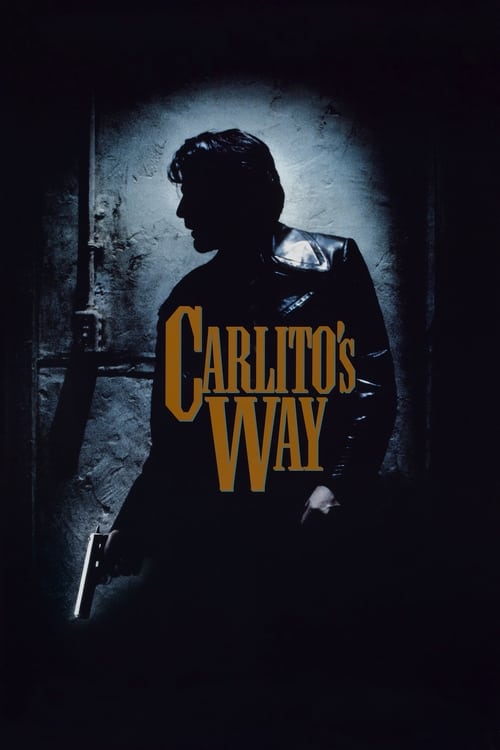
Written by industry vet David Koepp ("Jurassic Park," "Carlito's Way," 2002's "Spider-Man"), the movie is focused squarely on Angela Childs (Kravitz), a blue-haired, quirky, frequently abrasive young woman who lives alone in a tech-heavy apartment.
The screenplay, by the gifted Hollywood journeyman David Koepp (“Jurassic Park,” “Carlito’s Way,” many others), plays this somewhat straighter than the Soderbergh norm, and with a reliance on coincidence that at times stretches belief.
“Kimi” marks the first time that Soderbergh has collaborated with the screenwriter David Koepp, who has long been a rock-solid mainstream talent (“Jurassic Park,” “Carlito’s Way,” “Panic Room”), and the essential design of Koepp’s script — everything about it, really — is standard issue: the isolated hacker heroine, the discovery of a crime linked in shadowy ways to corporate malfeasance, her scheme to do an end run around the conspiracy, the whole thing culminating in a last-act action face-off.
Soderbergh, working from a pared down script by David Koepp ("Jurassic Park," "Mission: Impossible"), builds on our fears of Big Brother and the ways technology companies know every last detail about their users.
The rather tight screenplay is by David Koepp, who has written much grander rides like “Mission: Impossible” and “Jurassic Park.”
Somehow the director’s first collaboration with prolific screenwriter David Koepp ( Jurassic Park ; Mission: Impossible ), the COVID-19 pandemic-set quasi-update of The Conversation , Blow-Out , and other techno-paranoia classics hits the sweet spot between entertainment and social commentary that’s defined the director’s best work.
Advertisement
The other film it brings to mind isn’t a classic thriller but the 1995 movie The Net , in which Sandra Bullock plays an isolated systems analyst who socializes online and orders pizza off a website, behavior that’s entirely commonplace now but was presented at the time as the height of disconnection.
Kimi is ultimately a very basic thriller built on threads from far better ones ( Blow Out , The Conversation , The Net , 1995; Copycat , 1995; Intruders , 2015) but it’s a blue-haired Kravitz that keeps viewers fixated.
Essentially, Kimi is Rear Window meets The Net, set during the COVID pandemic.
Again, the smart devices of the movie aren’t the canvas that the film is painted on - it’s not The Net - but objects placed in the portrait.
But once the movie’s thriller elements accelerate, David Koepp’s script resorts to tired tropes, borrowing shamelessly from Rear Window, Blow Out, The Firm and even Koepp’s own Panic Room screenplay.
Directed by Soderbergh ( Traffic , Contagion ) from a script penned by David Koepp ( Jurassic Park , Panic Room ), Kimi casts Kravitz as an agoraphobic employee of a tech firm specializing in the sort of A.I.-driven “smart” assistants like Amazon’s Echo and Apple’s Siri that have become ubiquitous in our lives.
Establishing every inch of her apartment from nearly the get-go, Kimi is a masterclass in build-up, reminiscent of Koepp’s own Panic Room .
The last third of KIMI includes a tense chase and confrontation that make clever use of confined spaces, recalling the Koepp-scripted Panic Room (2000), complete with a breathless home invasion sequence.
Scripted by veteran screenwriter David Koepp (whose “Panic Room” ultimately influences this movie as much as any of the New Hollywood masterpieces that are baked into the premise) and tailored to the antiseptic urgency that has defined so much of Soderbergh’s digital era work, “Kimi” is a slender 89-minute headrush that’s so contained and cut down to the bone that it might feel like a half-hearted COVID doodle if not for how vividly it embodies the pandemic’s twin pangs of isolation and agoraphobia.
Over the summer of 2020, screenwriter David Koepp, known for Jurassic Park and Panic Room , decided to finally put pen to paper (or finger to keyboard) on a bit of cyber-paranoia that he’d been chewing over for several years.
Steven Soderbergh gives us another reason to be thankful that his “retirement” from filmmaking was so short-lived with this tidy little thriller, a homage to “Blow Up” and “Blow Out,” with a bit of “Wait Until Dark” and “Rear Window” thrown in for good measure and refitted for the age of the IVA and the COVID-19 pandemic.
In the tense final act, “Kimi” becomes a chase film and then a highly satisfying variation on the “Wait Until Dark” home invasion thriller — and then it’s done and over in under 90 minutes, and you fall back on your couch to catch your breath.

Kimi is a superb updating of Anatole Litvak's Sorry, Wrong Number , in which Barbara Stanwyck plays a bed-bound shut-in who accidentally overhears a murder plot on her party line.
Advertisement
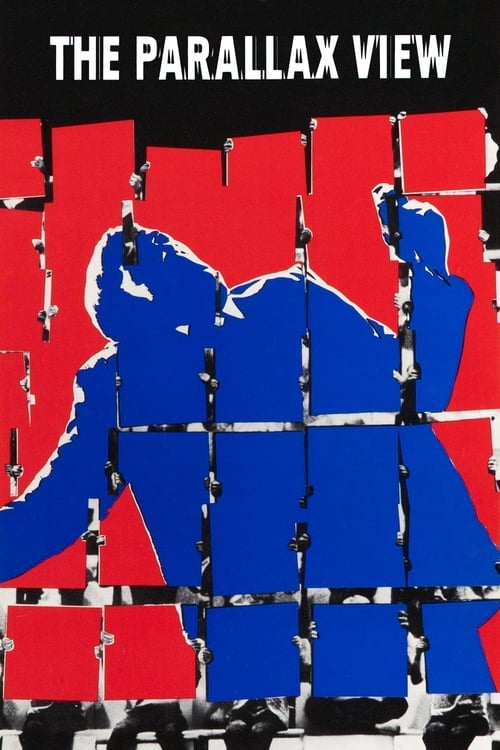
But as Angela’s investigation pulls her deeper into the weeds — bringing her into contact with a top executive (a terrific Rita Wilson) whose warm smile offers the opposite of reassurance — “Kimi” begins to take on the paranoid-thriller contours of Alan J. Pakula’s 1974 classic, “The Parallax View.”

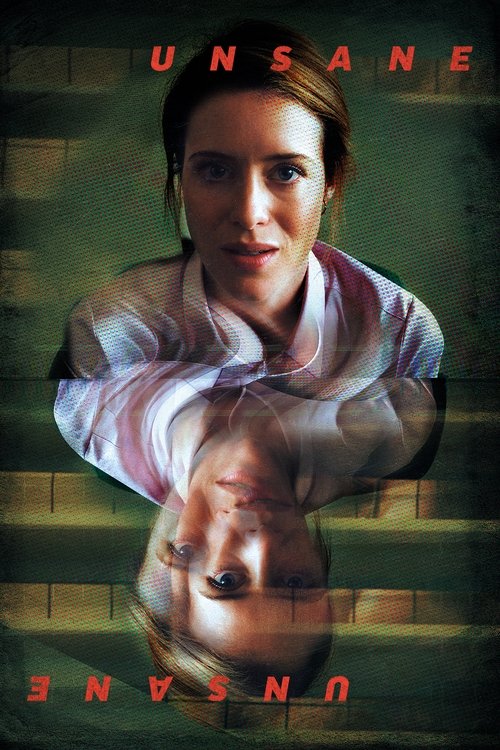
His latest effort, Kimi , is not quite as joyfully entertaining as the heist movie Logan Lucky , nor as queasy as the asylum-set horror Unsane , but it borrows elements from those two vibes.
Koepp’s fairly straightforward screenplay doesn’t take us in many surprising directions, so the film’s pleasures lie in Kravitz’s jittery performance (she’s working in a similar vein to Claire Foy in Soderbergh’s other recent psychological thriller, Unsane) and the experimental filmmaking that’s usually going on in the corners of a Soderbergh production.
Soderbergh has always had a fascinating relationship with technology, whether it’s been behind-the-camera techniques for projects like Unsane (filmed with an iPhone) or Mosaic (released as an interactive app), or in the themes he explores in his films.
Like Soderbergh’s 2018 film Unsane , it’s a spare thriller that feels at once carefully crafted and made on the fly, its limitations serving as a source of inspiration: Unsane , which stars Claire Foy as a woman being kept against her will in a psychiatric hospital by unethical practices and the interventions of a stalker, was shot entirely on an iPhone, while Kimi was shot during the pandemic with some of its cast members — including Robin Givens as Angela’s mother and Andy Daly as Angela’s harried boss — showing up only on screens.
Ah, but we’re getting into the weeds of the thing before we look at the seeds of the thing, i.e., the latest semi-experimental film from the prolific and wondrous mind of Steven Soderbergh, who in the last few years alone has delivered the psychological horror gem “Unsane,” the sports drama “High Flying Bird,” the social satire “The Laundromat,” the cruise ship comedy/drama “Let Them All Talk” and the period-piece crime thriller “No Sudden Move.”
In Unsane, he took on the health insurance industry.

And as a plucky young woman unearthing corruption against the odds à la Erin Brockovich , Kravitz thrives in centring this vision within the anxiety-prone Millennial mindset.

He’s made political epics like “Traffic” and “Che,” popcorn delights like “Ocean’s Eleven,” and unnerving thrillers including “Contagion” (which gained a new relevance in light of Covid).
From Logan Lucky, Ocean's Eleven, and Out of Sight, Soderbergh has proved himself a master of mindful pacing.
His “streaming era” has been under-marketed and unappreciated, a far cry from his household-name days of Out of Sight, Traffic and Ocean’s Eleven .
Steven Soderbergh, the hip auteur behind such critical hits as “Out of Sight” (1998), “Traffic” (2000) and the “Ocean’s Eleven” films, as well as the pandemic-prescient “Contagion” (2011), sets a thriller against this tired Covid moment (about half the people we see along the streets or in the office are wearing masks) in Seattle, where a tech worker discovers a potential murder in the file base of the titular entity – a Siri or Alexa competitor that uses humans to edit communication/response bugs.
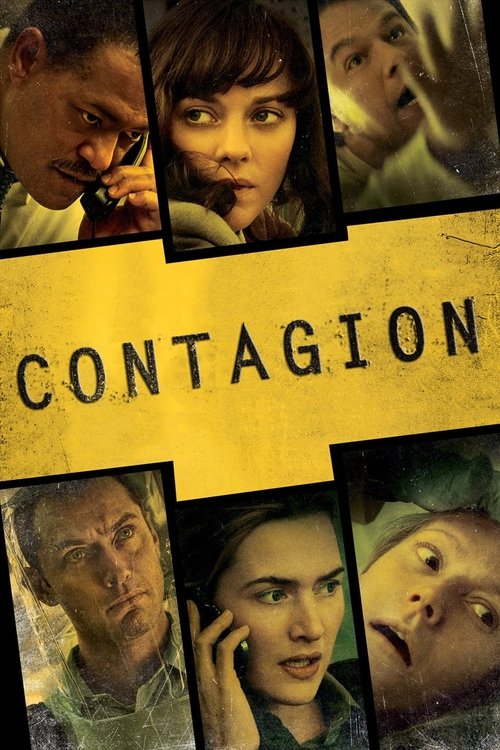
Directed by Soderbergh ( Traffic , Contagion ) from a script penned by David Koepp ( Jurassic Park , Panic Room ), Kimi casts Kravitz as an agoraphobic employee of a tech firm specializing in the sort of A.I.-driven “smart” assistants like Amazon’s Echo and Apple’s Siri that have become ubiquitous in our lives.
In 2011 he made the pandemic thriller Contagion , which gained a new following a decade later as it seemed to have predicted the mess we’d all be in.
Soderbergh is always ahead of the game when it comes to the stories he wants to tell, practically foreshadowing the pandemic with the 2011 stunner “Contagion,” so it’s no surprise “Kimi” feels as relevant as it does and Kravitz is the perfect muse for his vehicle.
He’d already predicted it, in an odd sort of way – his 2011 thriller Contagion neatly laid out a blueprint for the past two years, with talk of “social distancing” and extensive hand-washing.
As a narrative, Kimi is right in step with Soderbergh’s past work, following other movies like Unsane , Side Effects , and Contagion .
He’s made political epics like “Traffic” and “Che,” popcorn delights like “Ocean’s Eleven,” and unnerving thrillers including “Contagion” (which gained a new relevance in light of Covid).

Some of them are good (like “Bubble” and “Side Effects”), some are meh (like “Haywire”), and one is great (“The Girlfriend Experience”); none of them make much of an impact in the marketplace.
Soderbergh has been revelling in the power of digital imaging at least since making “Bubble,” his high-definition feature from 2005, in which the camera’s inherently analytical power to pack the screen with a profusion of legible details turned a modest and practical drama into something eerie and hallucinatory.
This isn't new territory for Soderbergh, whose interest in alternative distribution strategies dates back to his film Bubble (2006), which was released in theaters the same day it was broadcast on HDTV.
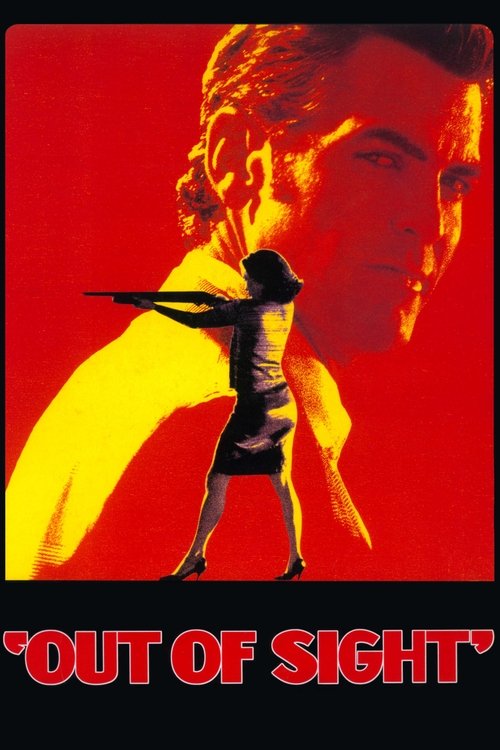
From Logan Lucky, Ocean's Eleven, and Out of Sight, Soderbergh has proved himself a master of mindful pacing.
Steven Soderbergh, the hip auteur behind such critical hits as “Out of Sight” (1998), “Traffic” (2000) and the “Ocean’s Eleven” films, as well as the pandemic-prescient “Contagion” (2011), sets a thriller against this tired Covid moment (about half the people we see along the streets or in the office are wearing masks) in Seattle, where a tech worker discovers a potential murder in the file base of the titular entity – a Siri or Alexa competitor that uses humans to edit communication/response bugs.

Try refreshing your browser, or Film review: With Kimi, Soderbergh leans into a late-pandemic vibe Back to video Then in 2019 he shot Let Them All Talk aboard the Queen Mary 2, releasing it a year later when we were all terrified of travel (especially on ocean liners) but desperate to remember those good old days.
Ah, but we’re getting into the weeds of the thing before we look at the seeds of the thing, i.e., the latest semi-experimental film from the prolific and wondrous mind of Steven Soderbergh, who in the last few years alone has delivered the psychological horror gem “Unsane,” the sports drama “High Flying Bird,” the social satire “The Laundromat,” the cruise ship comedy/drama “Let Them All Talk” and the period-piece crime thriller “No Sudden Move.”
But that’s part of the easy confidence of Soderbergh’s approach, a particular hallmark of this pandemic-era creative burst of his – Kimi follows 2020’s semi-improvised comedy Let Them All Talk and 2021’s crime fare No Sudden Move , all shot with Covid restrictions in place.
The film, one of the many projects Soderbergh’s been churning out for the streaming world after a brief retirement in 2016 (“No Sudden Move,” “Let Them All Talk” and “Unsane” among them), does fall into pat thriller trappings in the third act; until then, Angela and her dark past and phobias make for a great character study atop the data mining side of big tech.
The director is mixing in the cameras he often uses, including what I would assume is an iPhone, something that Soderbergh has used for his last films High Flying Bird and Let Them All Talk .
This is to say that “Kimi,” on HBO Max, is very good – but so was last year’s “No Sudden Move” (HBO Max), and 2019’s “High Flying Bird” (Netflix), and, to a lesser degree, 2020’s “Let Them All Talk” (HBO Max), and 2019’s “The Laundromat” (Netflix).
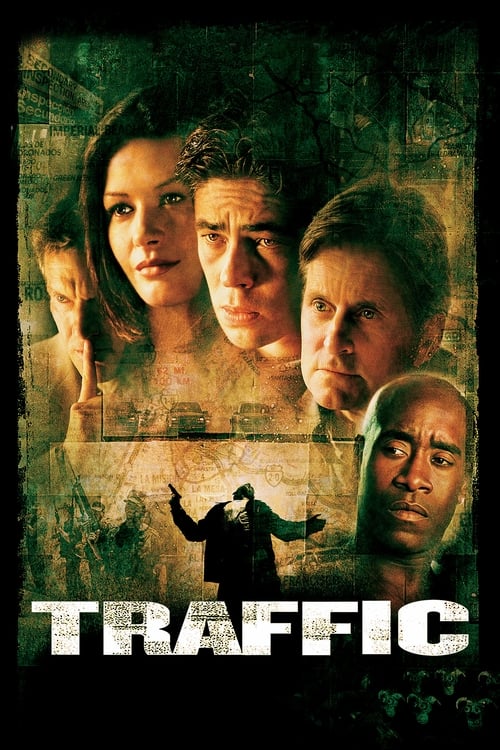
Directed by Soderbergh ( Traffic , Contagion ) from a script penned by David Koepp ( Jurassic Park , Panic Room ), Kimi casts Kravitz as an agoraphobic employee of a tech firm specializing in the sort of A.I.-driven “smart” assistants like Amazon’s Echo and Apple’s Siri that have become ubiquitous in our lives.
He’s made political epics like “Traffic” and “Che,” popcorn delights like “Ocean’s Eleven,” and unnerving thrillers including “Contagion” (which gained a new relevance in light of Covid).
Other Soderbergh collaborators make appearances too, such as Erika Christensen (Traffic, 2000) playing the resident murder victim and Betsy Brantley (Schizopolis, 1996), Soderbergh’s ex-wife, voicing KIMI.
Steven Soderbergh, the hip auteur behind such critical hits as “Out of Sight” (1998), “Traffic” (2000) and the “Ocean’s Eleven” films, as well as the pandemic-prescient “Contagion” (2011), sets a thriller against this tired Covid moment (about half the people we see along the streets or in the office are wearing masks) in Seattle, where a tech worker discovers a potential murder in the file base of the titular entity – a Siri or Alexa competitor that uses humans to edit communication/response bugs.
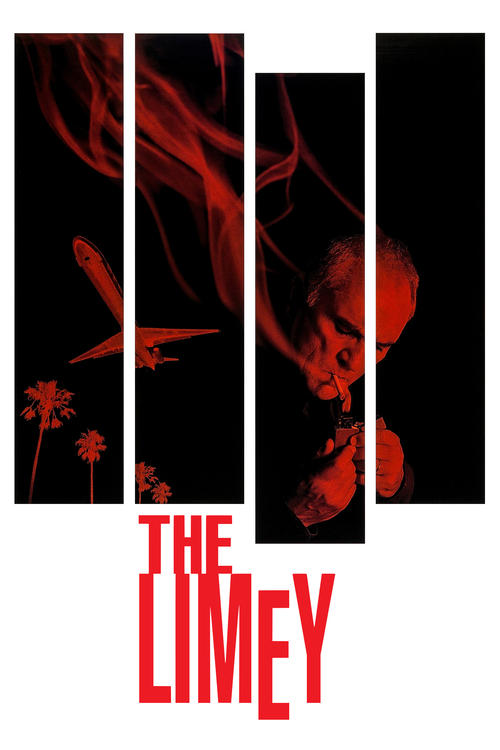
He’s capable of great filmmaking, as everyone knows — I’m a big fan of The Limey (1999), The Informant!
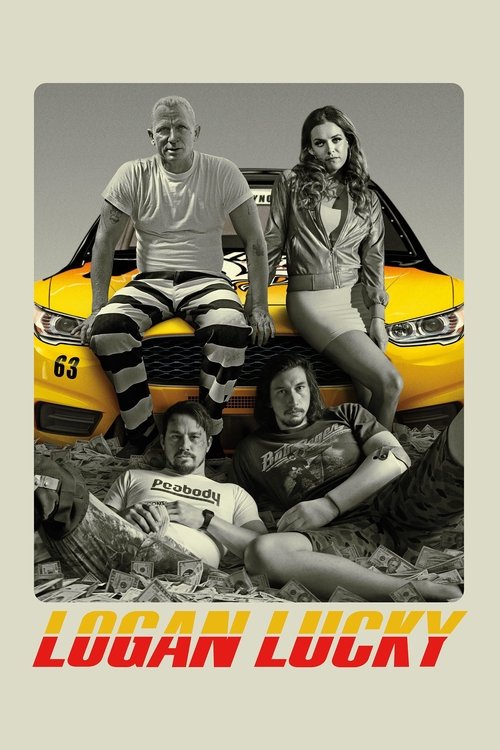
His latest effort, Kimi , is not quite as joyfully entertaining as the heist movie Logan Lucky , nor as queasy as the asylum-set horror Unsane , but it borrows elements from those two vibes.
As the prolific director (and editor, and director of photography, as usual) of this, the first trio of Ocean’s films, Logan Lucky, and last year’s made-in-Detroit No Sudden Move, Soderbergh knows quite a bit about control.
From Logan Lucky, Ocean's Eleven, and Out of Sight, Soderbergh has proved himself a master of mindful pacing.
In recent years, that's been the unexpectedly memorable "Logan Lucky" and the quietly complex "High Flying Bird." (We’d be here all day if citing the entire filmography.)
Since “un-retiring” in 2017 with Logan Lucky , one of his best films to date, he’s made at least one feature per year, each visually mesmerizing yet crafted with an impressive efficiency that makes such frequency and consistent quality possible.
Indeed, ever since he attempted to bypass traditional studio-backed theatrical distribution for his heist comedy Logan Lucky (2017), Soderbergh's films have almost exclusively featured small crews and speedy productions despite often employing large acting ensembles.
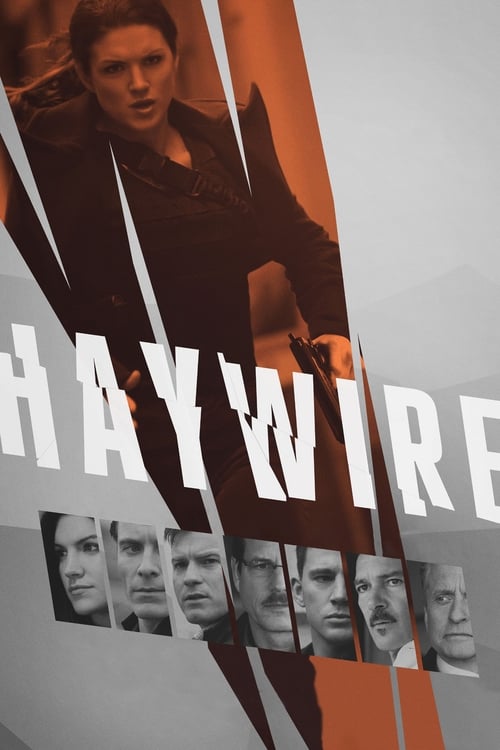
Some of them are good (like “Bubble” and “Side Effects”), some are meh (like “Haywire”), and one is great (“The Girlfriend Experience”); none of them make much of an impact in the marketplace.
It's also proof once again that director Steven Soderbergh is both fantastic at delivering crisp, efficient work (“Haywire”) but also that he's better when given time to find depth and surprise.
Like a visceral mishmash of the latter’s goofily entertaining bicycle messenger gem Premium Rush and the former’s playfully superb Haywire , this is a well-paced jolt of adrenaline that remembers to put character first, all without skimping on a single ounce of suspense.
The same Soderbergh of “Haywire” is on full display here.
KIMI finds the filmmaker in down-and-dirty “Haywire” mode again, distilling a hooky idea into 89 minutes of all-killer, no-filler entertainment.