
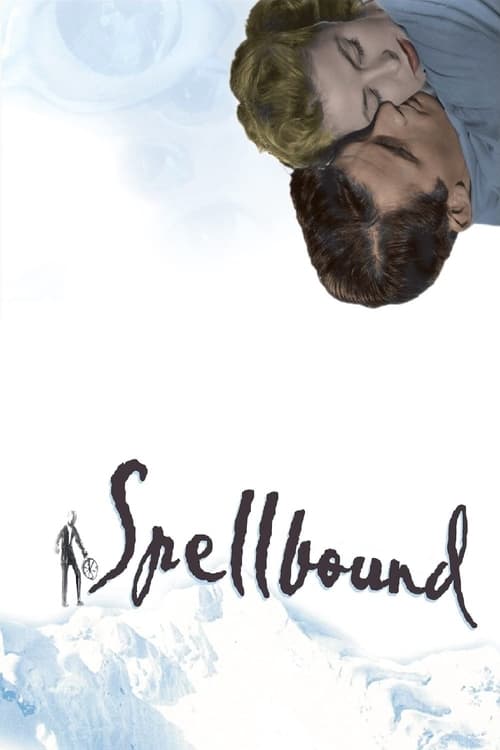
Spellbound (1945)
Directed by Alfred Hitchcock
When Dr. Anthony Edwardes arrives at a Vermont mental hospital to replace the outgoing hospital director, Dr. Constance Peterson, a psychoanalyst, discovers Edwardes is actually an impostor. The man confesses that the real Dr. Edwardes is dead and fears he may have killed him, but cannot recall anything. Dr. Peterson, however is convinced his impostor is innocent of the man's murder, and joins him on a quest to unravel his amnesia through psychoanalysis.
21 connections found
View:
21 connections, in both directions
What critics compared Spellbound to
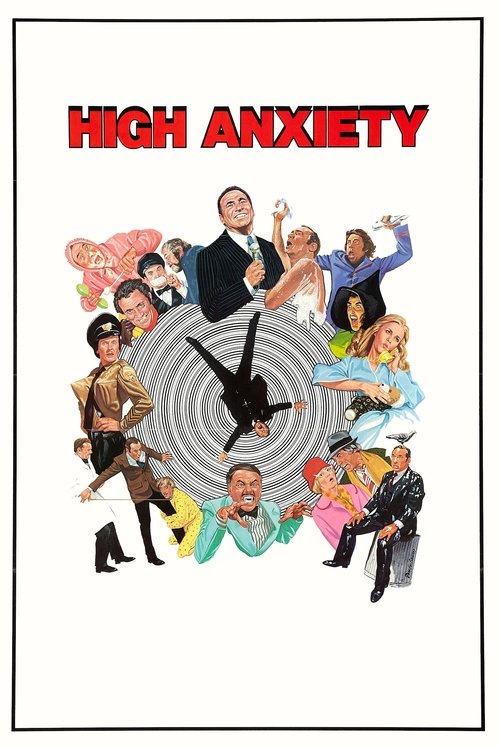


“High Anxiety” mocks “The Birds,” “Spellbound, “Psycho” and many other Hitchcock classics, but it’s pure Brooks through and through.
Spellbound and Vertigo are the source of the plot's main inspiration, but North by Northwest, The Birds, Dial M for Murder and many others are also referenced.
Choosing the misbegotten Spellbound, oddly, as its jumping-off point, High Anxiety stars Brooks as acrophobic Dr.
Generally juvenile and crass spoof of Hitchcock thrillers, filching themes and scenes from Vertigo, Psycho, The Birds, Spellbound, etc, in its story of a psychologist going to work at a very strange and sinister Institute for the Very Very Nervous.
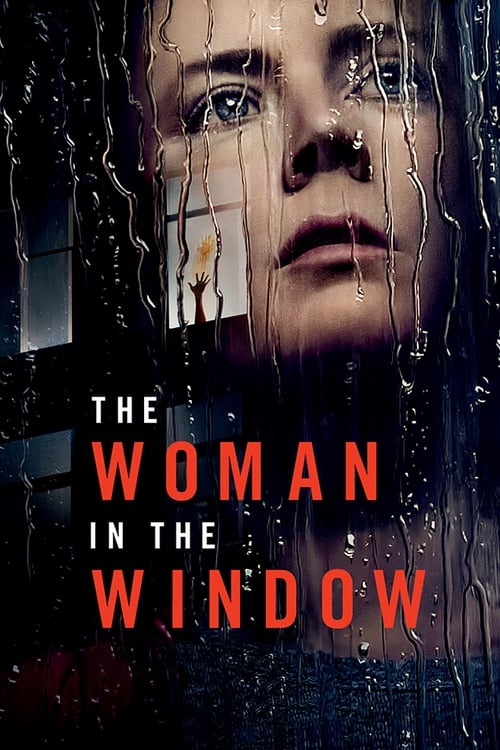
Initially, Wright leans hard on the classical Hollywood influences that are supposedly embedded in Finn’s text, though it does come close to citing its antecedents in an overtly precocious way by having Adams’ character sit and watch, say, a psychoanalysis scene from Hitchcock’s Spellbound at an early point in the film — you’re barely twenty minutes in, and you’re already being reminded that you could be watching something better.
What Movies Will It Remind You Of?: Rear Window , Vertigo , Spellbound , Rebecca — and that’s just the Hitchcock influence.
In one scene, she has fallen asleep in front of the TV as Alfred Hitchcock’s Spellbound plays, filling the entire background with its hypnotic imagery.
Hitchcock isn’t the only callout from director Joe Wright, who also includes scenes of Anna watching such 1940s murder mysteries as Spellbound (Hitchcock again), Laura (Otto Preminger) and Dark Passage (Delmar Daves, with Bogie and Bacall), the images sometimes washing over her as she sleeps.
In one scene, we even hear snippets of dialogue from Hitchcock’s psychiatric thriller “Spellbound” (1945), a film featuring a dream sequence designed by Salvador Dali.
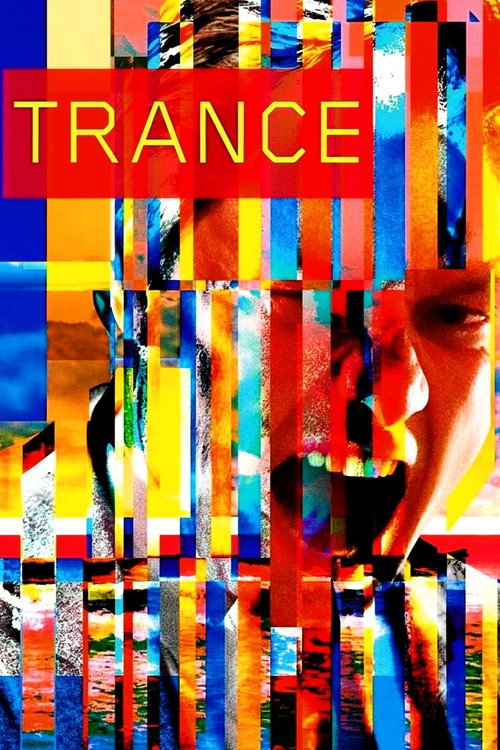
A sleek, modern update of such equally improbable hypno-noirs of the past as Alfred Hitchcock's "Spellbound" (1945) and Otto Preminger's "Whirlpool" (1949), "Trance" also is a puzzle film, in the relatively new tradition of "The Usual Suspects," "Memento," " Shutter Island " and " Inception ."
In terms of its psychiatry-related plot one could compare “Trance” to “Spellbound,” but Hitchcock’s film, while highly inventive for its time, is a model of stylistic restraint next to Boyle’s, which ramps up the director’s customary visual acrobatics to new heights.
Boyle evokes the ghost of Hitchcock with the character of Elizabeth, who immediately recalls Ingrid Bergman’s cool-headed shrink in Spellbound , but this character is almost like an inverse of that one — the more we know about her, the less interesting she gets.
The main body, however, is closer to Alfred Hitchcock’s problematic 1945 picture Spellbound .

Not only to Vertigo (1958) but also to Spellbound (1945) is reverential homage paid by Scriptwriter Paul: a quite gratuitous shot down the long well of a tenement's fire-exit stairs-most of us would be aware that stairs have wells-is followed by the discovery of the street-refuge boss impaled on an iron railing spike which, unlike that in the boy of Spellbound, has missed any vital arteries, but sticks out through the 'exit' side like a heart staked in an old Hammer Dracpic.
There are echoes of a number of noir films—especially the post-war ones with their added aura of disillusionment—and there’s a lot of Hitchcock on display, from Spellbound (1945) to Vertigo.
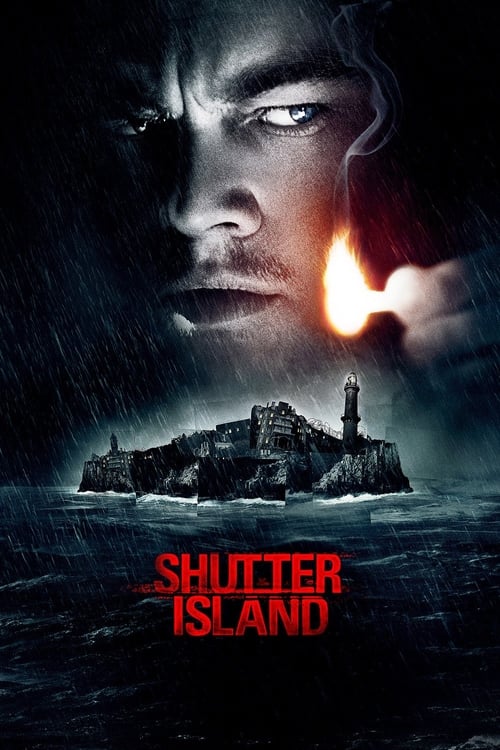
Most obviously, Shutter Island has a shower scene like Psycho, a haunted-stairway scene like Vertigo, tweedy shrinks sipping brandy as in Spellbound, and a rock-climbing cliffhanger like North by Northwest.
It is a dazzling pastiche of a Hollywood movie of the 1940s and 50s, part Gothic horror in the Val Lewton mode of Bedlam and Isle of the Dead and part noir- thriller in the psychiatric cycle that stretches from Hitchcock's Spellbound to Samuel Fuller's Shock Corridor, complete with the obligatory dream sequences, expressionist gestures, throbbing undercurrents of guilt and anxiety and bold narrative twists.
Advertisement
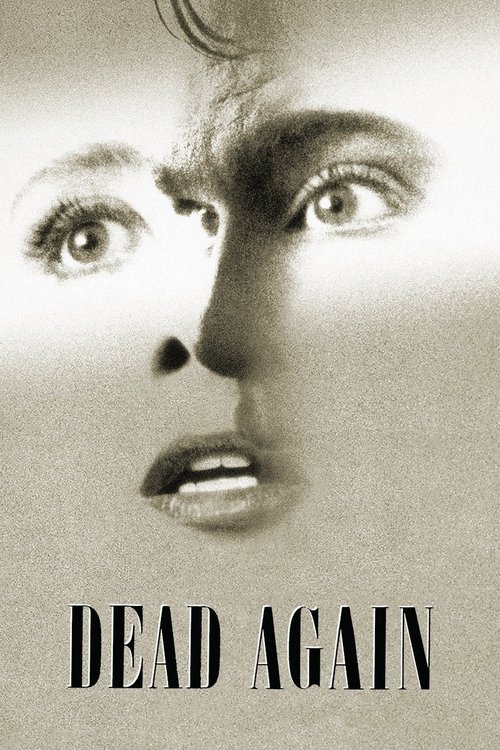
As the dark truth about the Strauss' marriage emerges, and as it begins to parallel the romance and foreboding between Mike and Grace, there are echoes of Hitchcock at his most cornball-Freudian (the plot incorporates elements from Spellbound and Rebecca), and Branagh makes devious use of the sort of vintage-thriller motifs (a telltale anklet!
The visual cues are from Kubrick and Hitchcock — imagery suggesting “The Shining” and “A Clockwork Orange” and Hitch’s “Spellbound.”
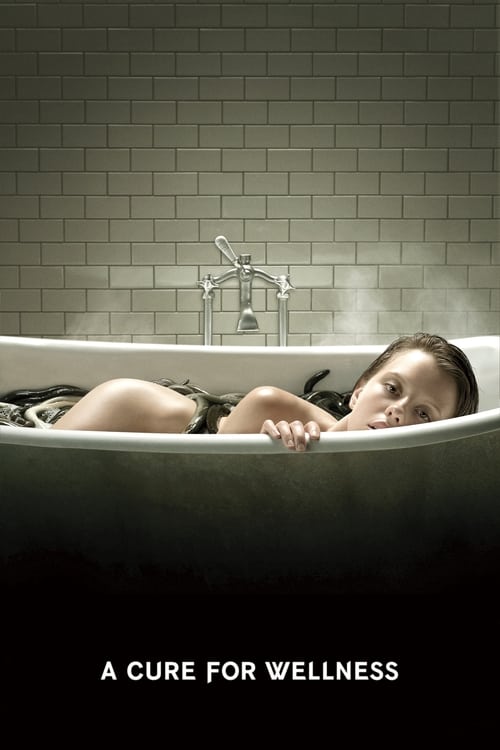
Make no mistake, the script by Justin Haythe and director Gore Verbinski is a total crock and doesn’t make sense even on its own wacky terms; Haythe and Verbinski came up with only half a story, finally resorting to visual echoes of movies from Hitchcock’s Spellbound to Last Year at Marienbad and Mystery of the Wax Museum.
From the stylish mysteries of Hitchcock's Spellbound to the art-house thrills of Memento , the horrors of Angel Heart, the sci-fi experiments of Total Recall , the tragicomic heartbreak of Eternal Sunshine of the Spotless Mind , and even the goofy romance of 50 First Dates , memory – or the lack of it – has provided a nifty plot device for a dazzling array of cinematic crowd-pleasers.
Hitchcock seized on it for his classic Spellbound and 55 years later Christopher Nolan fashioned a cinematic jigsaw around it in Memento.


Soderbergh wants to do for SSRIs what Hitchcock did for psychoanalysis in Spellbound, and for a while he does.
Sworn to the reviewer’s oath of not revealing too much about a mystery film, yet wanting to drop a few hints to the kinoscenti, I’ll just add that Side Effects summons references to other Hitchcocks — Spellbound, The Wrong Man, Vertigo, Marnie — and such Hitchcock-tribute films as Obsession, Dressed to Kill, Raising Cain and Passion made by the director’s No. 1 fan, Brian De Palma.

What Movies Will It Remind You Of?: Hitchcock is a clear reference point here, from the apartment-on-high views of Rear Window to the psychological angles of Shadow of a Doubt and Spellbound .
Advertisement
Pixar’s vision of conceptual activity, in short, is a trip, and it sticks out like Dali’s dream sequences for Hitchcock’s “Spellbound.”

Though some observers have trotted out highfalutin names such as Spanish surrealist Luis Buñuel, French novelist Michel Houellebecq (currently preparing his own feature film debut), and Alfred Hitchcock (specifically Spellbound 's Salvador Dalí's dream sequence), Paprika is rarely as deep or as clever as those references suggest.