
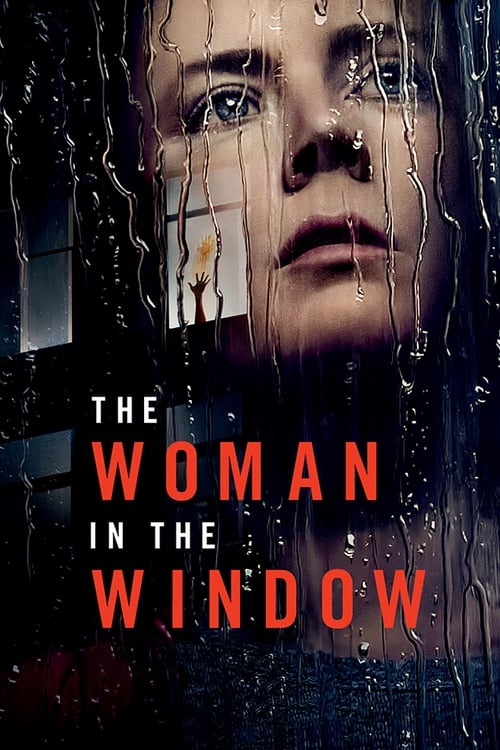
The Woman in the Window (2021)
Directed by Joe Wright
An agoraphobic woman living alone in New York begins spying on her new neighbors only to witness a disturbing act of violence.
9 connections found
View:
9 films that influenced The Woman in the Window
What critics say influenced The Woman in the Window
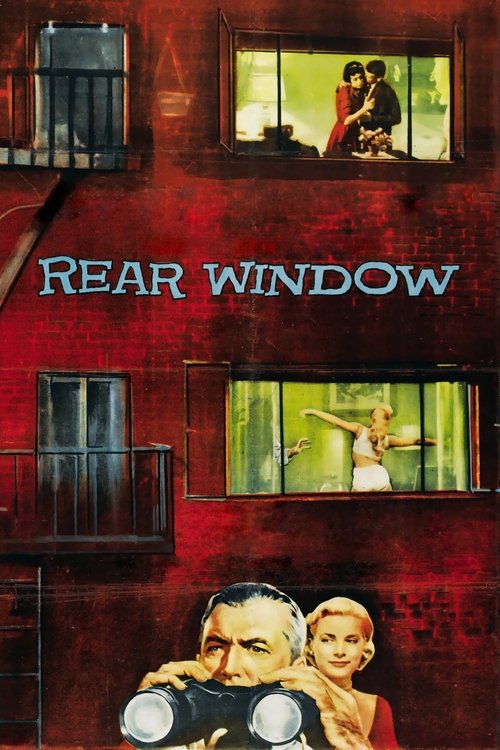


Now to be fair, “The Woman in the Window” is hardly the first project to come along with a premise clearly inspired by Alfred Hitchcock’s 1954 classic “Rear Window”—hell, I even remember it serving as the inspiration for an episode of “Kate & Allie” back in the day—but I cannot rightly remember a film that has done so little with the concept.
In its opening moments, it borrows the foreboding tracking shots and moody lighting of David Fincher thrillers, and a scene from Rear Window playing on a television telegraphs its obvious inspiration from the Alfred Hitchcock classic.
One of the obvious touchstones for The Woman in the Window is Rear Window , which director Joe Wright (of Atonement and Darkest Hour ) embraces to the point of styling his film like a Hitchcock pastiche, with a lurid palette and homages in framing.
Based on the novel of the same name by A.J. Finn, The Woman in the Window is undeniably indebted to similar cinematic and literary touchstones, ranging from Alfred Hitchcock’s Rear Window (itself an adaptation of the short story “It Had to Be Murder”) to the 1995 thriller Copycat.
Any reference to Alfred Hitchcock’s Rear Window is strictly intentional: early on we catch a glimpse of James Stewart’s face, in all its neurotic postwar glory, on Anna’s TV screen.
Clearly inspired by the works of Alfred Hitchcock, most notably “Rear Window,” this stagey, clunky production is set almost entirely in and around the New York City apartment of Dr. Anna Fox (Adams), a psychologist with agoraphobia who is separated from her husband (Anthony Mackie) and daughter and seems to be suffering from paranoid delusions brought on by a dangerous mixture of meds and alcohol.
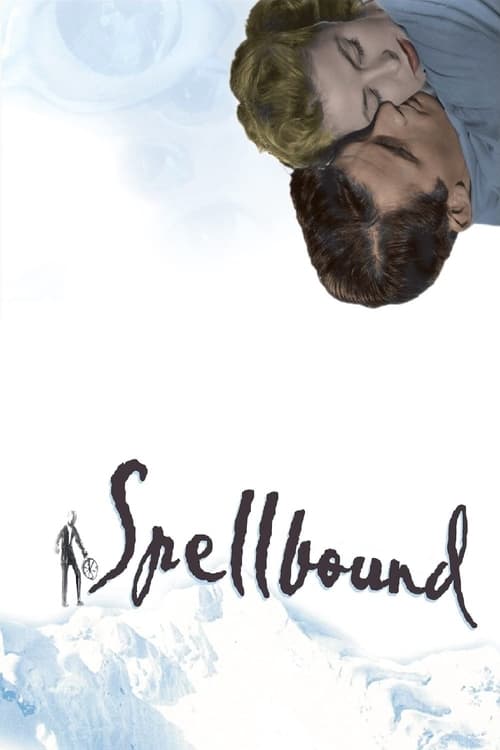
Initially, Wright leans hard on the classical Hollywood influences that are supposedly embedded in Finn’s text, though it does come close to citing its antecedents in an overtly precocious way by having Adams’ character sit and watch, say, a psychoanalysis scene from Hitchcock’s Spellbound at an early point in the film — you’re barely twenty minutes in, and you’re already being reminded that you could be watching something better.
What Movies Will It Remind You Of?: Rear Window , Vertigo , Spellbound , Rebecca — and that’s just the Hitchcock influence.
In one scene, she has fallen asleep in front of the TV as Alfred Hitchcock’s Spellbound plays, filling the entire background with its hypnotic imagery.
Hitchcock isn’t the only callout from director Joe Wright, who also includes scenes of Anna watching such 1940s murder mysteries as Spellbound (Hitchcock again), Laura (Otto Preminger) and Dark Passage (Delmar Daves, with Bogie and Bacall), the images sometimes washing over her as she sleeps.
In one scene, we even hear snippets of dialogue from Hitchcock’s psychiatric thriller “Spellbound” (1945), a film featuring a dream sequence designed by Salvador Dali.
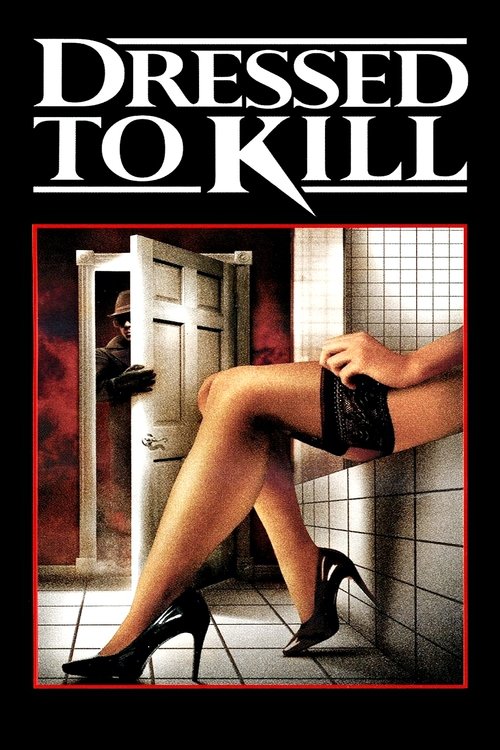
His Hitchcock homage takes a significant detour via the lurid delights of Brian de Palma’s own nods to the legendary director (think 1984’s Body Double or 1980’s Dressed to Kill ).
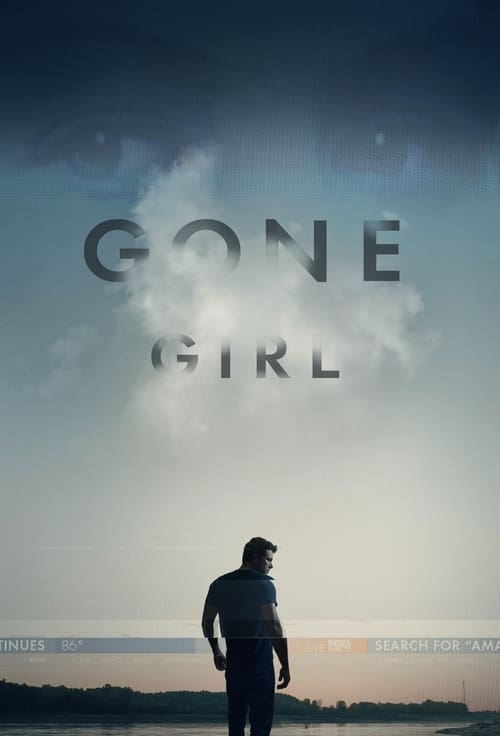
Somewhere amid suspicious neighbors who might have killed someone, stormy New York City nights, and one too many instances of pill-popping and heavy-drinking, it forgets to have fun, aggressively molding its “Gone Girl” echoes into a contemporary “Rear Window” template (if that much isn’t already evident by the title).
The Woman in the Window wants to be a mix of Gone Girl and Rear Window .
His novel was engineered to tap into the domestic thriller genre boom begun with Gillian Flynn’s Gone Girl and carried on in numerous other yarns, like The Girl on the Train .
Watching “The Woman in the Window,” we patiently wait for a “Gone Girl” moment, when our entire reality is shattered and an altogether different tale begins.
The novel it’s based on, a bestseller in 2018, was written by a senior publishing executive with the express purpose of cashing in on the success of Gone Girl , The Girl On The Train , and their ilk; that marketing determined many of the “creative” decisions (including the author’s choice of pseudonym, A.J. Finn) was no secret.
It’s more vivid material than his novel, which reads like the punch line to an outdated meme: “I forced a bot to read Gone Girl , The Girl on the Train , Luckiest Girl Alive , and The Woman in Cabin 10 , then asked it to write a book.”
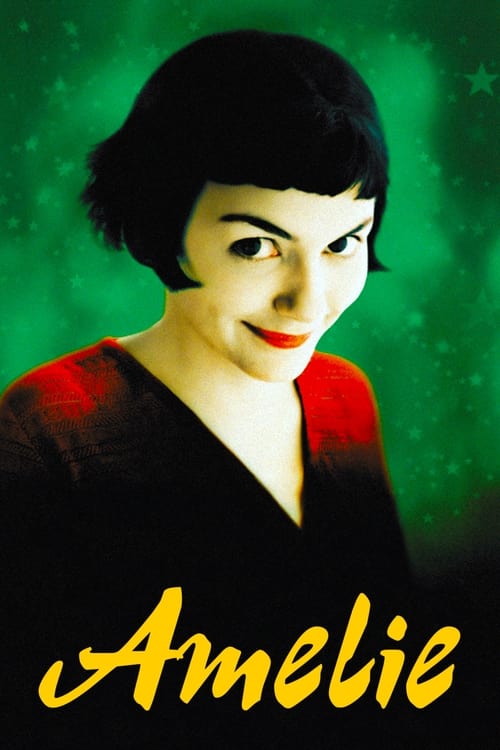
DP Bruno Delbonnel ( Amelie , 2001) clearly had a lot of fun with the framing while Danny Elfman’s score feels surprisingly demure.
Advertisement

One of the obvious touchstones for The Woman in the Window is Rear Window , which director Joe Wright (of Atonement and Darkest Hour ) embraces to the point of styling his film like a Hitchcock pastiche, with a lurid palette and homages in framing.
Over the years, Joe Wright has proven himself to be a more-than-capable filmmaker with such projects as his adaptations of “Pride and Prejudice,” “Atonement” and “Anna Karenina” while he demonstrated some heretofore unsuspected action chops in his sleeper hit “Hanna.”
It hails from a well-respected director, Atonement ’s Joe Wright.
Directed by Joe Wright (“Atonement”) and based on the popular A.J. Finn novel, “Woman” (★★ out of four; rated R; streaming on Netflix Friday) is an all-star slow-burn mystery for much of its 102-minute runtime until it suddenly decides to become a vomitous reveal-fest doling out all its twists as fast as possible.
Although streaming provides a logical venue for this small-scale film, it's hard to think of a time or platform where this adaptation from British director Joe Wright ( "Darkest Hour," "Atonement") would have felt satisfying, with an ill-considered, twisty finish that's a sizable letdown from the already so-so material preceding it.
Director Joe Wright has achieved moments of brilliance during his career ( Atonement and Hanna ), but the poised visualizer drives this production without a clear map of intent.
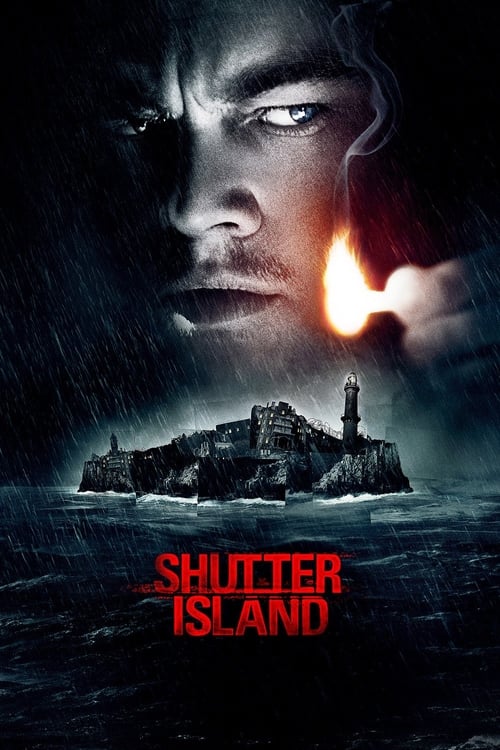
There are echoes of Shutter Island in certain scenes, and the wild finale somehow finds itself at the intersection of Fulci and Wan, being a giallo-styled nightmare with the high shutter-speed physicality of modern horror.
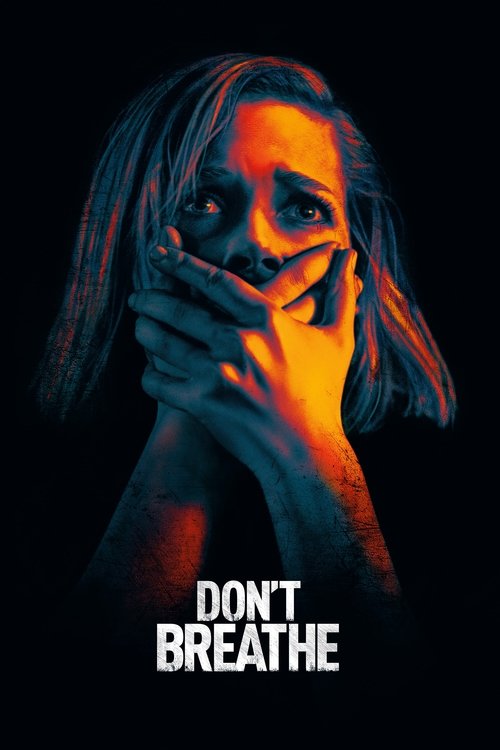
The film unfolds wholly within Anna’s house, and he never fully establishes the ins and outs and nooks and crannies of the setting (a strong example of this is Fede Alvarez’s Don’t Breathe ).
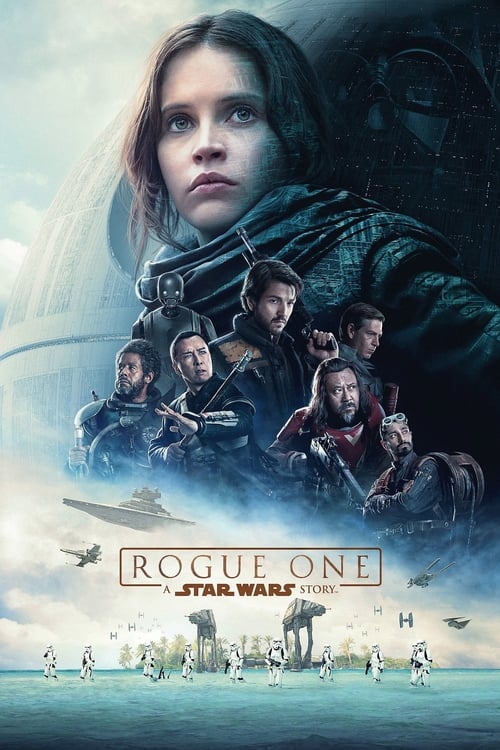
After the film fared poorly with test audiences, Tony Gilroy (who famously fixed many of Rogue One ’s initial problems) was brought in for reshoots.