
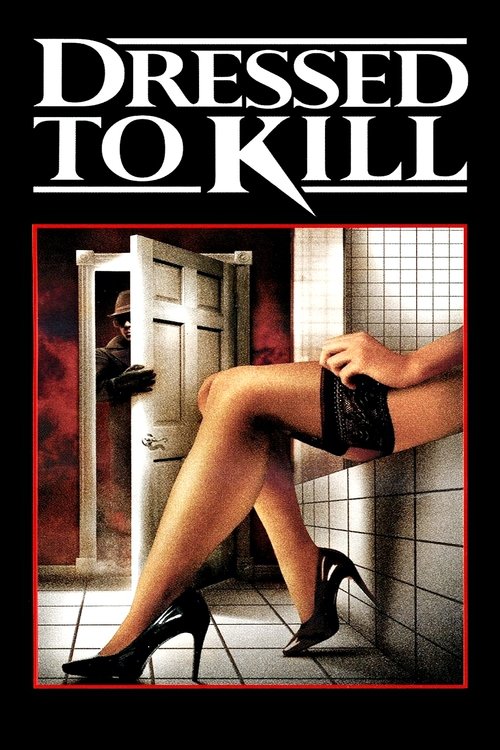
Dressed to Kill (1980)
Directed by Brian De Palma
After witnessing a mysterious woman brutally slay a homemaker, prostitute Liz Blake finds herself trapped in a dangerous situation. While the police thinks she is the murderer, the real killer is intent on silencing her only witness.
4 connections found
View:
4 films that influenced Dressed to Kill
What critics say influenced Dressed to Kill
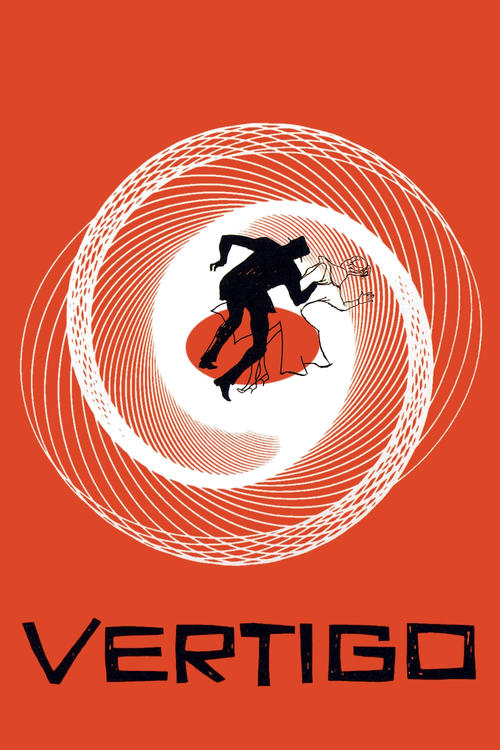


This time, he's channeling mostly "Psycho" but also "Vertigo" and his own "Carrie".
Especially with De Palma spending nearly every minute showing off all the stuff he learned from watching so many Hitchcock films: not just the obvious touchstones (including a two-layer Vertigo homage, a protracted wordless sequence that includes a walk through in an art museum), but more abstract things about pacing, controlling what see see and how & when we see it (including an almost brazen willingness to let us know what we didn't see, thanks to some aggressively shallow focus of the killer's face), about the (American) audience's desire to be titillated by sex even though they also find it nasty and sordid and unspeakable, about the great importance in leaving the soundtrack clear enough that the important sound effects are the ones we notice first.
A scene in a museum is unavoidably – almost pathetically – reminiscent of “Vertigo.”
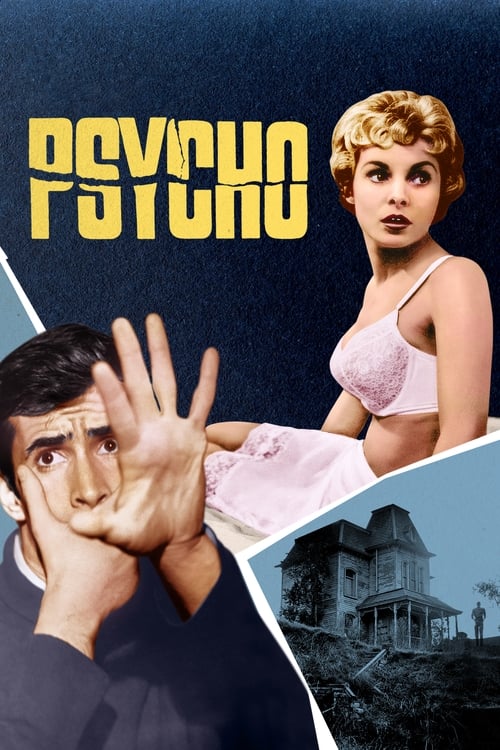
Much like Psycho, nothing is what it seems and characters that appear to be permanent are not.
A fan of bait-and-switch storytelling that starts off as one thing and then suddenly twists around, catching the viewer off-guard and feeling unsafe, De Palma used the framework of 1960's " Psycho " for his own splendidly bizarre narrative.
This one uses Alfred Hitchcock's Psycho as a starting point before veering off in its own deliciously twisted direction, centering on a sexually frustrated housewife (Angie Dickinson), her patient therapist (Michael Caine), an imperiled prostitute (a wonderful Nancy Allen) and a razor-wielding psychopath.
This time, he's channeling mostly "Psycho" but also "Vertigo" and his own "Carrie".
It's one of the most overt of De Palma's "look at me, I'm a cinephile" homages to Alfred Hitchcock, and especially to Psycho , a film from which it openly borrows enormous chunks of its plot and narrative structure.
And later, a bloody attack with a straight razor can’t help but steal camera angles and choreography from “Psycho” (along with the overt thefts of the ideas to remove a main character when least expected, the sequence in the shower, a transvestic nutter, and a lengthy exposition at the conclusion to spell everything out for the unobservant audience).
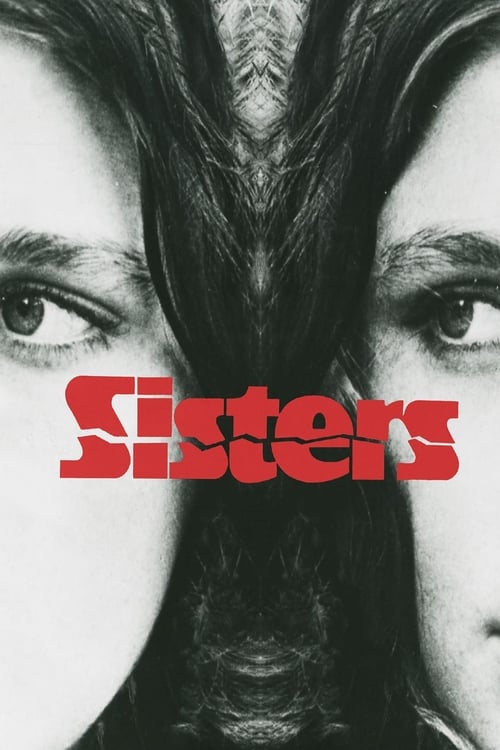
And, in the tradition of De Palma films such as Sisters , Carrie — and even later entries (e.g.
The masterfully orchestrated split-screen sequence, in which a man fights for his life as he’s watched from a helpless distance, is delivered with skillful craftsmanship, yet lacks the polished nuance he’d achieve with Blow Out ‘s Vilmos Zsigmond and Dressed to Kill ‘s Ralf D. Bode.
Certainly, Sisters feels less constrained by the indebtedness caused by creating homage than De Palma�s later works like Dressed to Kill or Obsession.
Though Sisters is an undeniably tight homage to Hitchcock from an obviously indebted De Palma, I am still inclined to place it at least a tier below the likes of Dressed to Kill and Body Double.
The infamous elevator murder sequence is a work of malevolent genius, both for its effectively gory shock tactics and the careful manner in which De Palma frames the aftermath, showing how another character catches a glimpse of the murderer in a concave mirror, thus sending the narrative into an entirely new direction (one can already see him paying homage to his own previous work, in this case his 1973 film Sisters).
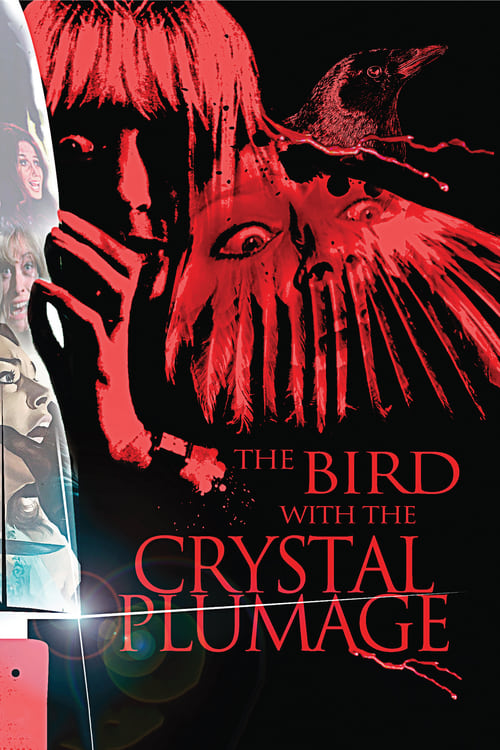
The Bird with the Crystal Plumage is the forefather of not only Argento's own Deep Red and Tenebre (in the double reveals of the murderer and a corpse), but of the straight-razor/elevator/Psycho murder stolen by archrival Brian DePalma for his Dressed to Kill and the essential discomforts of Alexandre Aja's High Tension , too.