
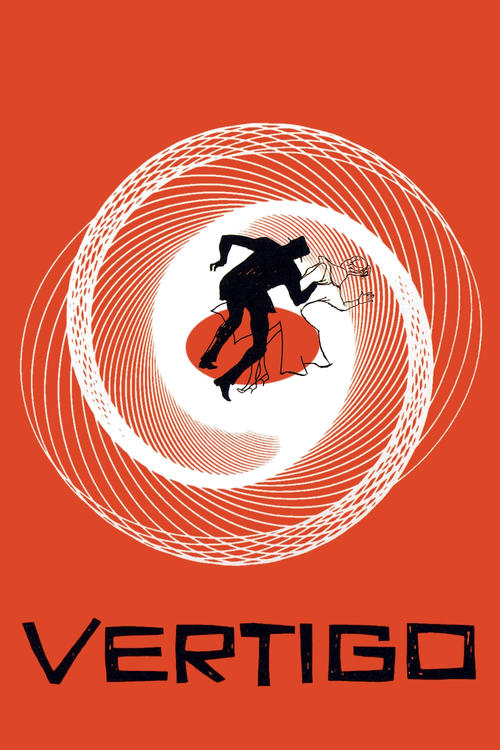
Vertigo (1958)
Directed by Alfred Hitchcock
A retired San Francisco detective suffering from acrophobia investigates the strange activities of an old friend's wife, all the while becoming dangerously obsessed with her.
86 connections found
View:
86 connections, in both directions
What critics compared Vertigo to
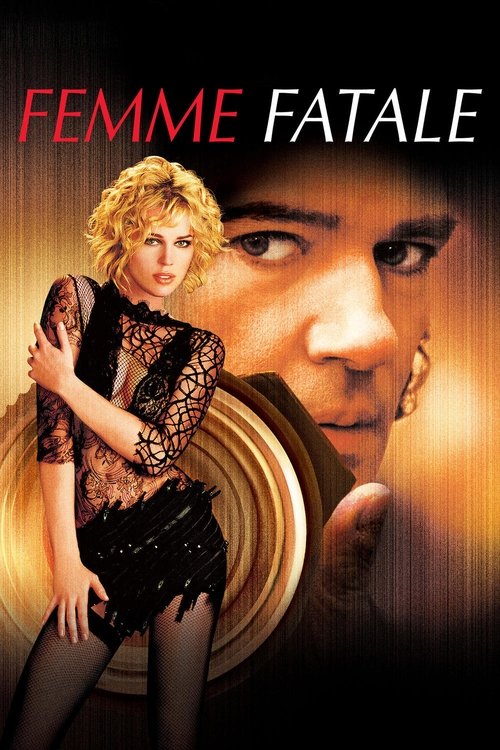


This time, it's mostly Vertigo, with Romijn-Stamos not quite evoking Kim Novak.
More than 20 years ago in "Dressed to Kill," De Palma worked up a nearly as impressive dialogue-free half-hour (with Angie Dickinson), which was a homage to an even more brilliant dialogue-free half-hour Hitchcock created in the classic "Vertigo," when Jimmy Stewart tracked Kim Novak.
De Palma does his typical homages to classic crime films, with a special nod to Alfred Hitchcock's "Vertigo" during a meandering sequence as Nicolas shadows Laure.
Rebecca Romijn-Stamos' role is much like the heroines in "Vertigo" and "Rear Window," except for the so-called arty sex and nude scenes.
De Palma has taken a lot of heat over the years for imitating Hitchcock, and Hitch's ghost is certainly lurking around the edges of Femme Fatale; long stretches of the film have Vertigo written all over them.
When CHUD said that, "There's a lot of Vertigo in this movie," De Palma barked back, "There's a lot of Vertigo in all my movies!
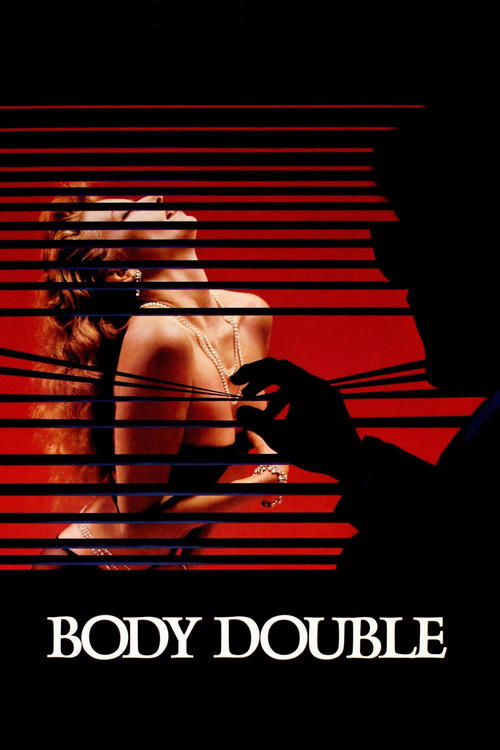
Chafing at the then-widespread complaints that he was just a misogynistic Hitchcock knock-off obsessed with graphic violence and nudity, De Palma concocted this hilarious mash-up of “Rear Window” and “Vertigo” that just so happens to be chock full of graphic violence and nudity.
And then, De Palma switches to ripping off "Vertigo", by having his hero following the mysterious woman.
Just as De Palma's excellent Dressed to Kill was an homage-or-rip-off-take-your-pick of Hitchcock's Psycho, Body Double uses both The Master's Vertigo and Rear Window as its twin starting points and then wanders off in its own delirious direction.
This time out, he most explicitly references a trio of Hitch�s films (Vertigo, Rear Window, and Psycho) that he had previously paid extensive tribute to with better end results (most notably in Obsession, Sisters, Dressed to Kill).
Body Double is another sexed-up Hitchcockian thriller from Brian De Palma that really took a beating from most critics when it opened in the fall of 1984 -- I guess audiences (and critics) in '84 just weren't ready for a movie that borrowed from classic Hitchcock thrillers (Vertigo and Rear Window in particular) containing porn stars and driller killers.
Although Body Double is decidedly of the 1980s, it baldly harkens back to the work of Alfred Hitchcock — particularly Vertigo and Rear Window .
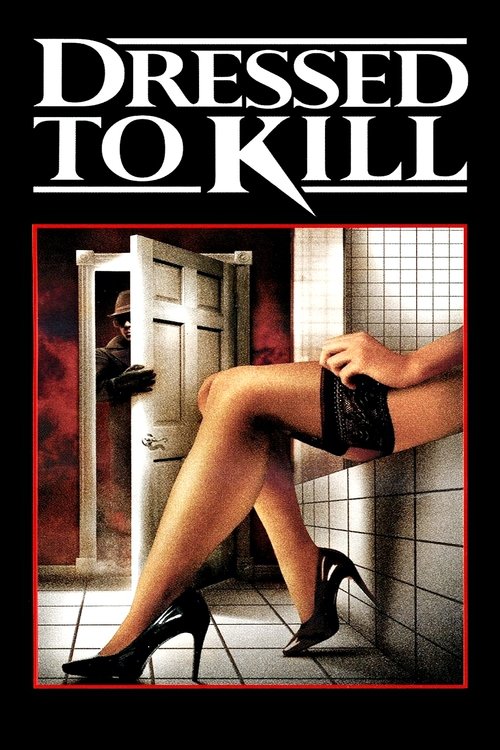
This time, he's channeling mostly "Psycho" but also "Vertigo" and his own "Carrie".
Especially with De Palma spending nearly every minute showing off all the stuff he learned from watching so many Hitchcock films: not just the obvious touchstones (including a two-layer Vertigo homage, a protracted wordless sequence that includes a walk through in an art museum), but more abstract things about pacing, controlling what see see and how & when we see it (including an almost brazen willingness to let us know what we didn't see, thanks to some aggressively shallow focus of the killer's face), about the (American) audience's desire to be titillated by sex even though they also find it nasty and sordid and unspeakable, about the great importance in leaving the soundtrack clear enough that the important sound effects are the ones we notice first.
A scene in a museum is unavoidably – almost pathetically – reminiscent of “Vertigo.”

''Blow Out,'' which opens today at Loews State 2 and other theaters, is, if possible, even more movie-conscious than was ''Dressed to Kill,'' Mr. De Palma's last film, a bouyantly entertaining homage to Alfred Hitchcock with particular references to ''Vertigo.''
Blow Out stands apart from almost every thriller of its ilk ( Vertigo is a significant exception) in that its ending at first feels abominable, loathsome, even obscene.
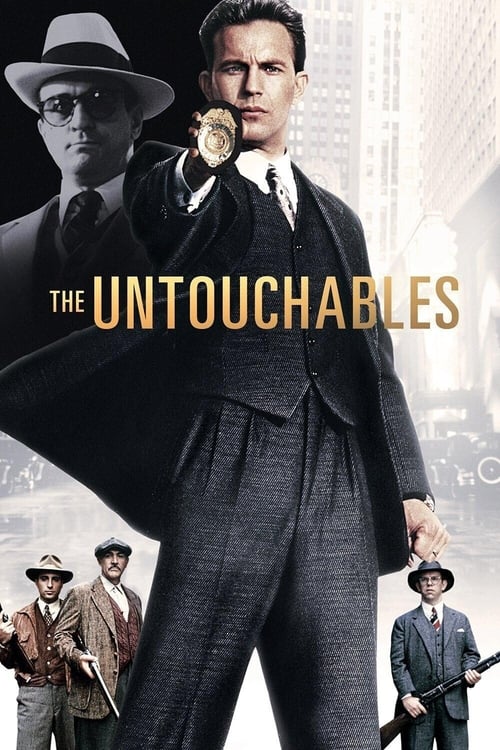
No, Frank Nitti did not meet death with a "Vertigo"-like Hitchcock flair.
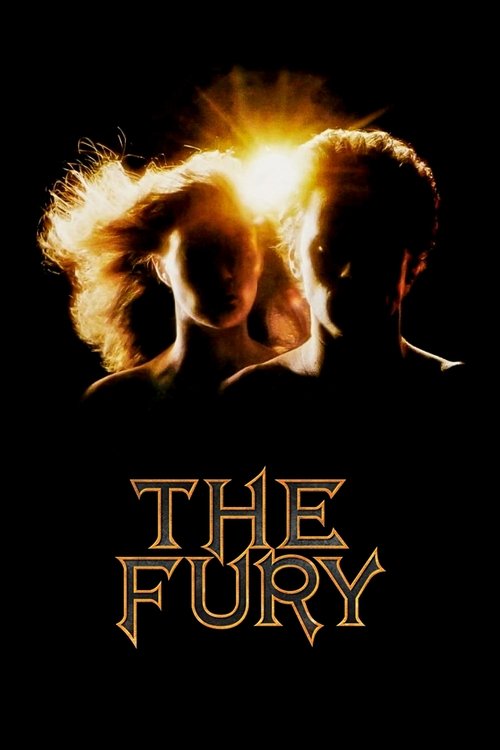
If Obsession is DePalma's Vertigo and Dressed to Kill is his Psycho, The Fury is his North by Northwest or The 39 Steps, eventually pairing a fugitive with an ironic femme fatale against power mongers in cross-country pursuit of a platonic symbol, though Robin comes to resemble nothing in Hitch so much as the lighted briefcase from Robert Aldrich's Kiss Me Deadly.
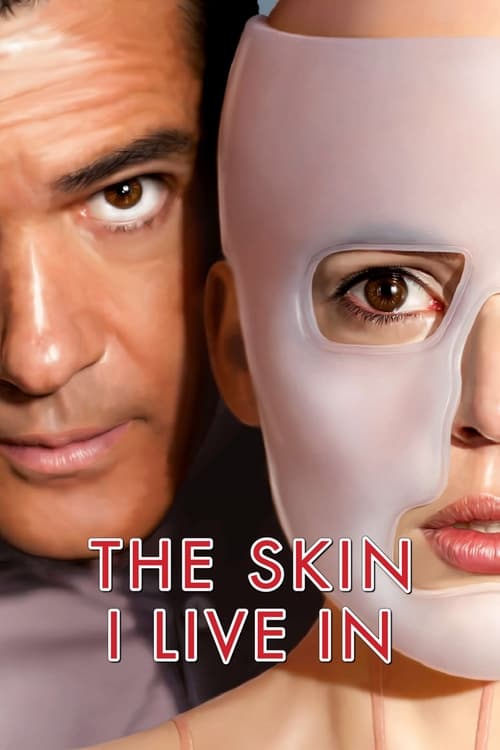
There are echoes of Georges Franju’s Eyes Without a Face, Hitchcock’s Vertigo and just about anybody’s Frankenstein.
In a Hitchockian twist of the Vertigo variety, Almodóvar eventually reveals that characters are not who we think they are and the very idea of victimhood, which seems so clear-cut at the beginning, is actually a sticky, murky morass that leaves the theater with us.
"Vertigo," "Eyes Without a Face," "Rebecca," "Frankenstein" and every mad doctor movie ever made, including "The Island of Lost Souls," are mixed into this movie's DNA.
Part “Vertigo,” part “Beauty and the Beast,” part “Bride of Frankenstein,” Pedro Almodóvar’s “The Skin I Live In” is yet another casually masterful work from a director who has barely put a foot wrong in his 30 (!) years of feature filmmaking.
Like James Stewart's lovesick griever in Vertigo, who alters the couture and coiffure of a sales clerk to make her resemble his dead dream girl, Robert has sculpted Vera into the living effigy of his late wife.
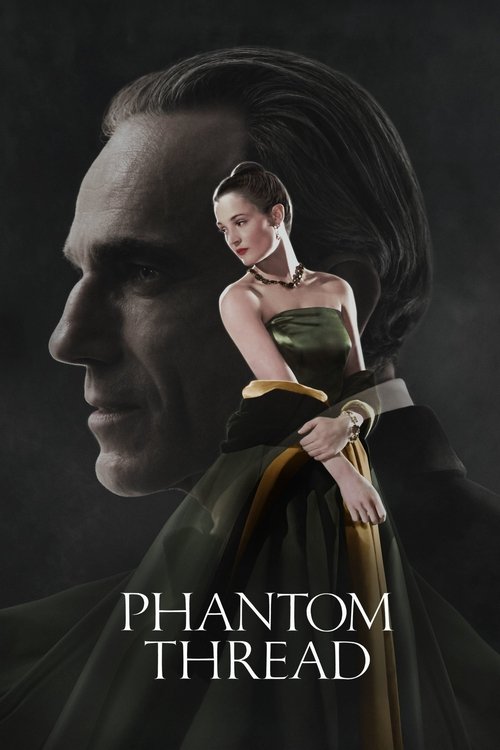
The film, which Anderson, in an interview with the New York Times , likened to gothic romances like Rebecca, Vertigo, and Gaslight, is as much about female frustration as it is about the spark of creativity.
When Scotty in Vertigo becomes fixated on Judy, his grief, obsession, control, and desire are terrifying, but honest.
Phantom Thread is essentially a smart-ass retort to Alfred Hitchcock’s Vertigo (1958), repeating Hitchcock’s basic plot of a psychotic male making over a common girl (James Stewart selfishly “correcting” Kim Novak) into his erotic ideal.
He courts Alma by using her as a human mannequin, and it’s therefore hard not to get intimations of a movie like “Vertigo,” or maybe a super-kinky “Pygmalion.”
Her name is suggestive, not only because it is Spanish for “soul” but also because it belonged to the wife and close collaborator of Alfred Hitchcock, whose first American project, the 1940 gothic romance Rebecca, Anderson has cited, along with the supremely fetishistic Vertigo, as a point of reference for this film.
The wife is Alma (Vicky Krieps), a waitress from a remote country village, and the husband is Reynolds Woodcock (Daniel Day-Lewis reportedly in his final performance), an haute couture dressmaker living in post-war London, sometime between Powell & Pressburger’s The Small Back Room and Hitchcock’s Vertigo.
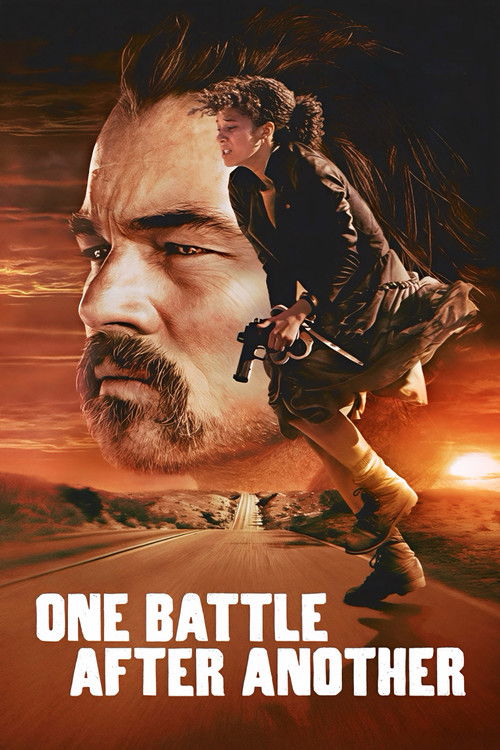
Vertigo's vertiginous rooftop chase must have inspired the scene…


Soderbergh builds terrific tension in these sleepwalking episodes where his heroine seems to flirt with tragedy, recalling those drawn-out daydreams Kim Novak drifts through in Hitchcock’s “Vertigo.”
With its steady pacing and probing, supple camera work (handled by Soderbergh, under his pseudonym Peter Andrews), the film evokes classic psychodramas, from Alfred Hitchcock’s Vertigo to Roman Polanski’s Repulsion, as well as kinky offshoots such as Fatal Attraction and Basic Instinct.
Emily refers to "Madeleine" (Vertigo, 1958).
It is easy enough to spot Soderbergh’s influences – Vertigo and Les Diaboliques alongside countless B-movie psychological thrillers and Patricia Highsmith novels.
It’s easily his finest – and most commercial – effort since “Oceans 13.” It’s also like nothing he’s ever done before, as he boldly treads into the domain normally reserved for masters of suspense like Hitchcock (think “Vertigo”) and Brian DePalma (“Body Double,” anyone?).

(Cliff Martinez, who composed the score, does an arresting job of suggesting the somber themes written by Bernard Herrmann for other Hitchcock films like Psycho and Vertigo .)
Advertisement
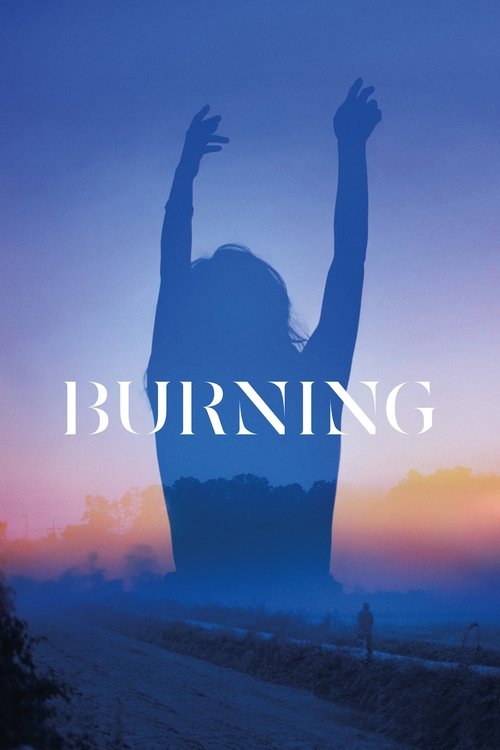
Lee is adapting a short story, “Barn Burning,” by Haruki Murakami, which, of course, echoes William Faulkner’s story of the same name, and he also layers in references to such films as “Vertigo” and “L’Avventura.”
These unnerving periods of dialogue-free exposition approach “Vertigo” in their poetic eeriness, and it’s some of Lee’s best filmmaking to date — as the narrative arrives at the culmination of Murakami’s story, it launches into unknown terrain.
Lee seems to pay homage to classics like L’Avventura and Vertigo here, with his own choice inversions that give the tale homoerotic undertones that are not unwelcome.
After an enigmatic turning point, Jong-su’s obsession with Ben gets cranked up, leading to Vertigo -like scenes of cars following cars, with Jong-su’s clapped-out truck trailing Ben’s sleek Porsche.
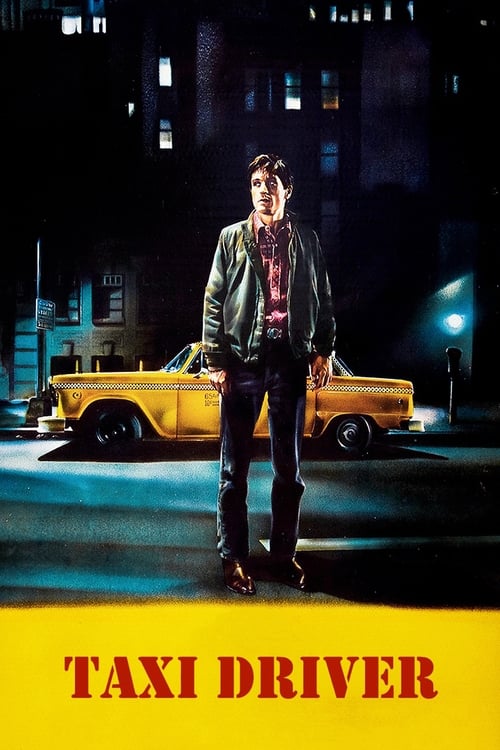
There are traces of Martin Scorsese’s “Taxi Driver” and Alfred Hitchcock’s “Vertigo,” among other classic references, in Jong-su’s slow descent into madness.

Artifice is part of the references that Scorsese makes to movies from the past -- e.g., Vertigo (1958), The Snake Pit (1948) -- but his use of artifice is more artificial than effective.
Another film Scorsese showed his cast was Hitchcock's " Vertigo ," and we sense echoes of its hero's fear of heights.
It's not merely that Scorsese understands Hitchcock's ideas about point of view and audience sympathy; his visual-style touchstone is "Vertigo," particularly James Stewart's breakdown sequence.
The movie plays like a loopy fever-dream Scorsese had after a marathon of Hitchcocks Vertigo, Val Lewtons Bedlam, Kubricks The Shining, and William Peter Blattys The Ninth Configuration.
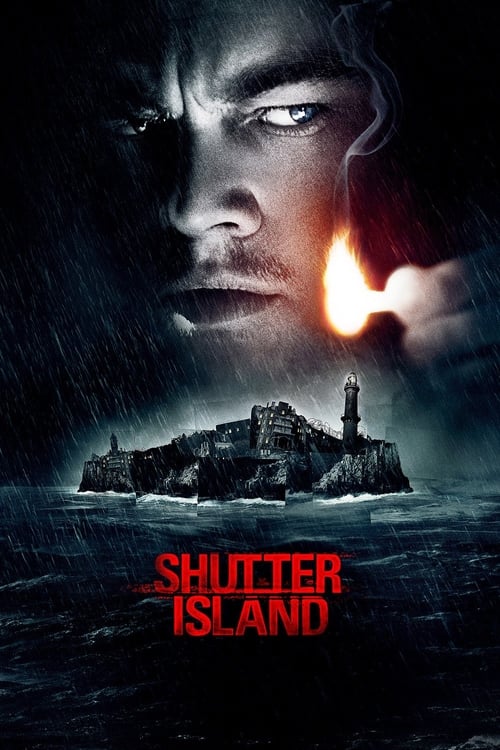
Something of a departure for Scorsese, Shutter Island is his tilt into Alfred Hitchcock territory - it's a deftly plotted genre mash-up with shades of Vertigo, classic noir Laura and Sam Fuller's Shock Corridor (as Scorsese himself admits).
But its spiral staircaseâ??albeit functioning like Vertigoâ??s and credited by Scorsese to the one in The Red Shoesâ??surely does.
Herrmann is best known for his work for Orson Welles (Citizen Kane and The Magnificent Ambersons), Alfred Hitchcock (eight films, including The Wrong Man, Vertigo, North by Northwest, and Psycho), Francois Truffaut (Fahrenheit 451), and Brian De Palma (Sisters and Obsession).
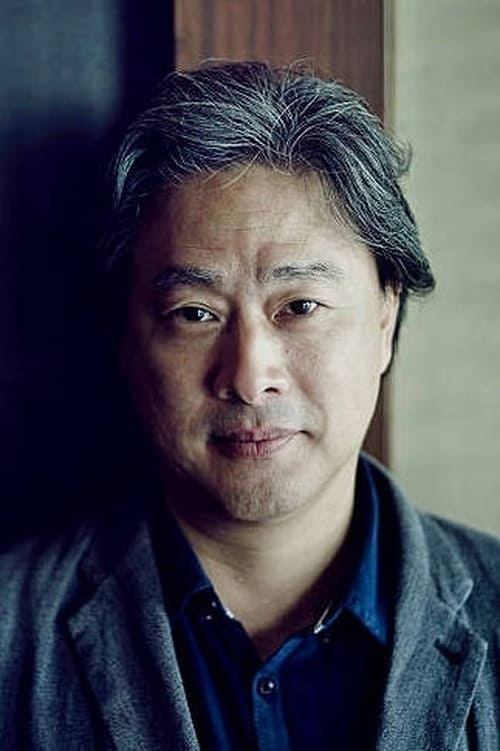
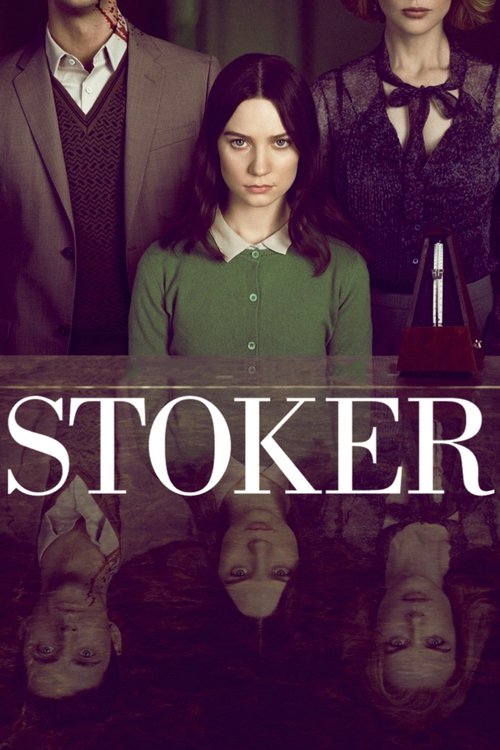
Though Chan-wook’s a self-proclaimed Hitchcock disciple – citing Vertigo as the feature film that inspired him to ditch his art-critic aspirations and direct deranged thrillers – he understands that every affecting Hitch homage needs just enough De Palma to keep things on edge.
It is a known fact that Korean director Park Chan-wook was inspired by Alfred Hitchcock’s Vertigo in his formative years – and that inspiration is on full display in much of Stoker.
Miller has said that Hitchock's film Shadow of a Doubt was his inspiration for the film, which is fitting because Park cites Vertigo as the film that made him want to become a director.
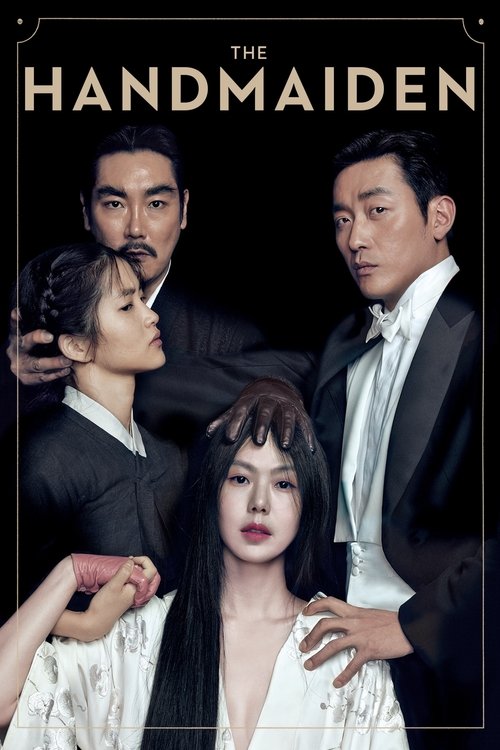
“The Handmaiden” is a visually voluptuous addition to Park’s oeuvre—a fable of deception and imposture that bears comparison to Hitchcock’s “Vertigo,” even if it doesn’t quite match it.
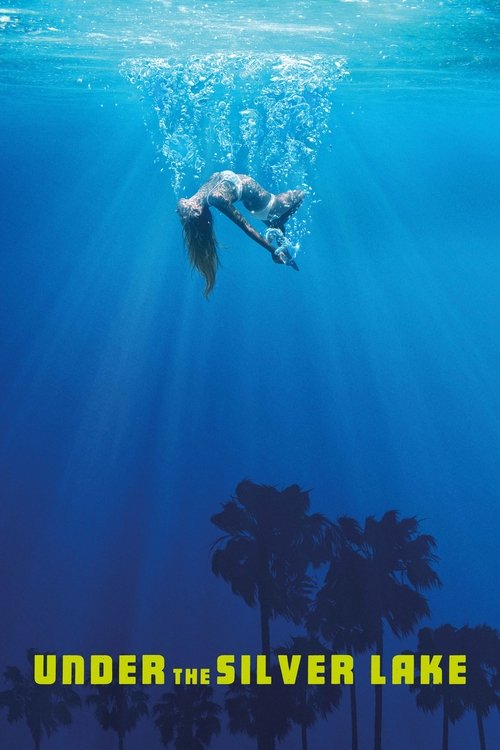
Rich Vreeland’s voluptuous orchestra score goes full Vertigo, brewing a menace that Mitchell consistently undercuts with banal, dopey details: Who is the mysterious pirate in blue jeans running across a lawn?
When she and Sam formally meet, she emerges from the shadows into the light in a moment incredibly reminiscent of Kim Novak in Vertigo.
There are clear references to Rear Window, Vertigo and Mulholland Dr. but, as with the writer-director’s previous outings, the new film draws from his influences to sculpt something personal and specific.
Obstensibly a neo-noir thriller about a young man searching for woman he had a brief but apparently meaningful flirtation with, it is both an attempt at an homage to films such as Vertigo and Mulholland Drive, and yet seeks to find its own voice for a younger generation who would find themselves reflected in a more contemporary Los Angeles setting.
The first 20 minutes alone are a high-wire mash-up of two Hitchcock classics, “Rear Window” and “Vertigo,” with Andrew Garfield playing a sort of a dissolute millennial Jimmy Stewart in 2011 Los Angeles.
There are times when I think of this as a reconstruction of Vertigo, right down to the way Sam follows (ahem) someone in their car.
Advertisement

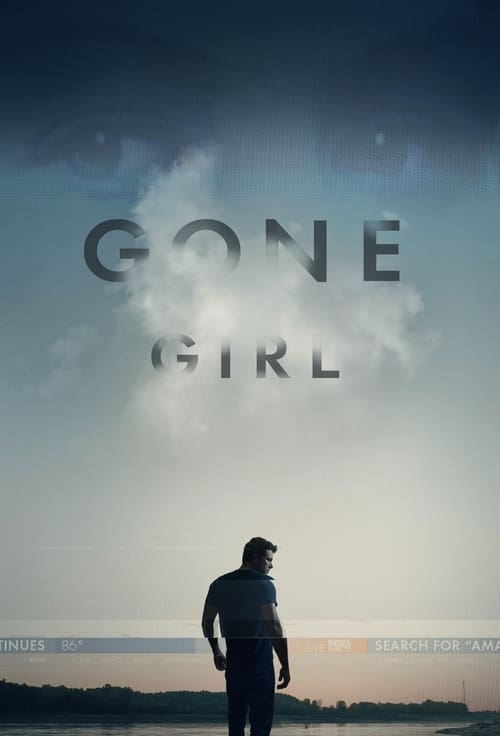
Nick Dunne borrows some from Henry Fonda in The Wrong Man and Jimmy Stewart in Vertigo, never coming close to either actor’s performance.
Framed in close-up, the part running down the top of Pike’s ice-blonde hair instantly evokes Hitchcock’s famous image of Kim Novak’s bun in Vertigo; ripe with duplicity, the story’s playing field is already wildly unstable.
In all of this “Gone Girl” has a good deal in common with Hitchcock’s “Vertigo,” which also offered its big revelation early on, and then toyed with viewers by becoming a dark study of romantic obsession.
It's a little like "Vertigo" (but with an entire, extra third act).
But the biggest star here may be Fincher’s surgically precise insight and silky style of suspense, which makes this film a modern companion to such classics as Hitchcock’s “Vertigo” and Clouzot’s “Diabolique.”
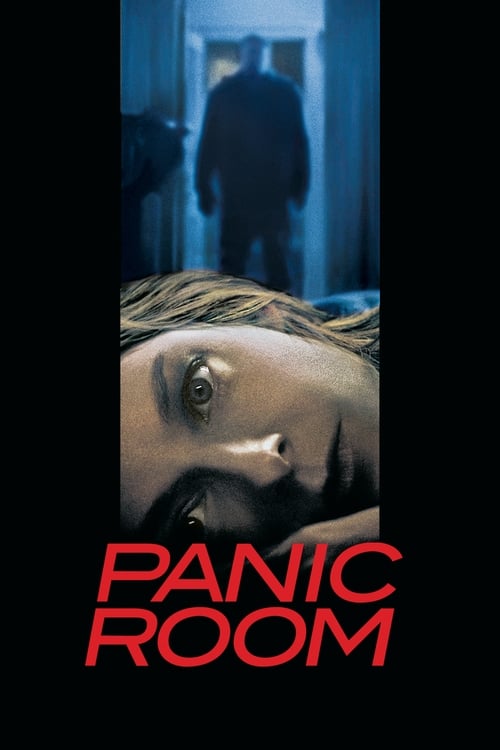
And while it would be a stretch to call Panic Room entirely credible, you could say the same thing about Vertigo, for instance.

There’s a symmetry between Hitchcock’s “Vertigo” and “Fight Club”.
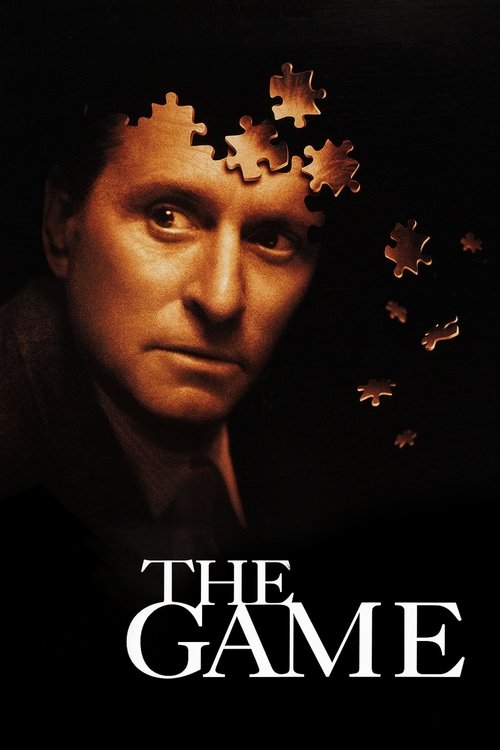
"Vertigo" plot theft, as a friend suggested, with Unger as Kim Novak, posing throughout the movie as one sort of woman and then another.
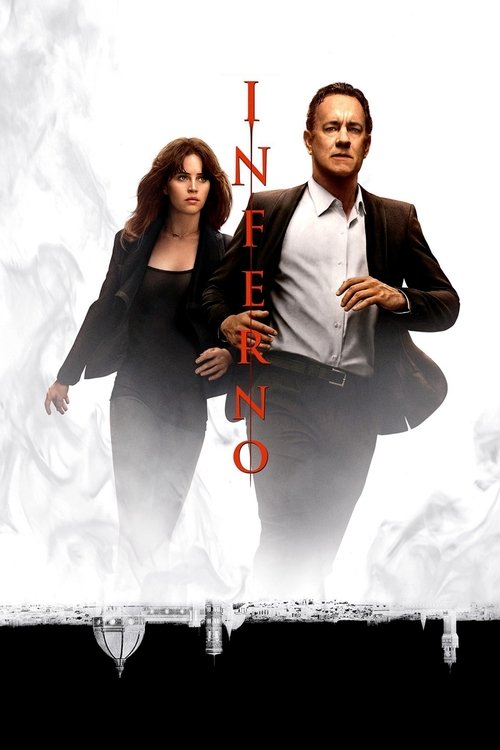
Next thing we know, Zobrist races to the top of a bell tower in Florence, Italy, and, rather than be arrested by a World Health Organization agent named Bouchard (Omar Sy), hurls himself to his death in an homage to Alfred Hitchcock's classic "Vertigo."
Howard kicks things off, however, with a more incongruous “Vertigo” reference — one of a couple, in fact — as crazed billionaire geneticist Bertrand Zobist (Ben Foster) falls to his death from the top of a bell tower in Florence.
The audience already knows that our crazed billionaire, Bertrand Zobrist (Foster), sort of a Richard Branson/Bill Gates love child, has been preaching about the imminent disasters caused by global overpopulation, and that he’s killed himself in a nod to Vertigo, rather than give up information to Sy.