
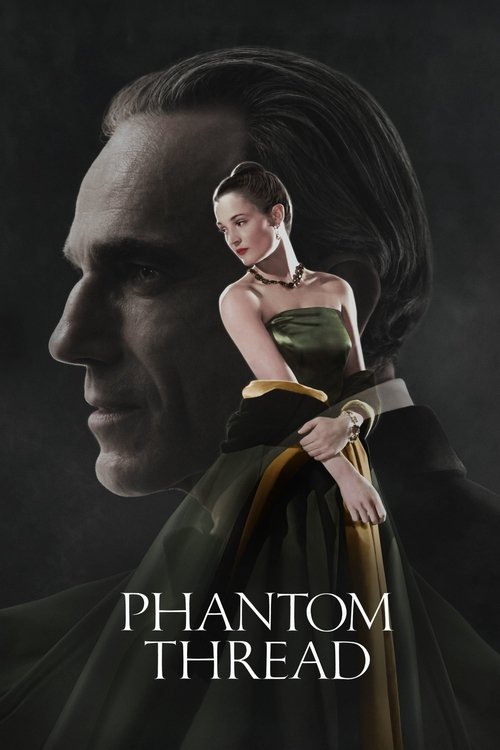
Phantom Thread (2017)
Directed by Paul Thomas Anderson
In 1950s London, a renowned dressmaker's meticulous lifestyle begins drastically changing as his relationship with his young muse intensifies.
69 connections found
View:
69 films that influenced Phantom Thread
What critics say influenced Phantom Thread
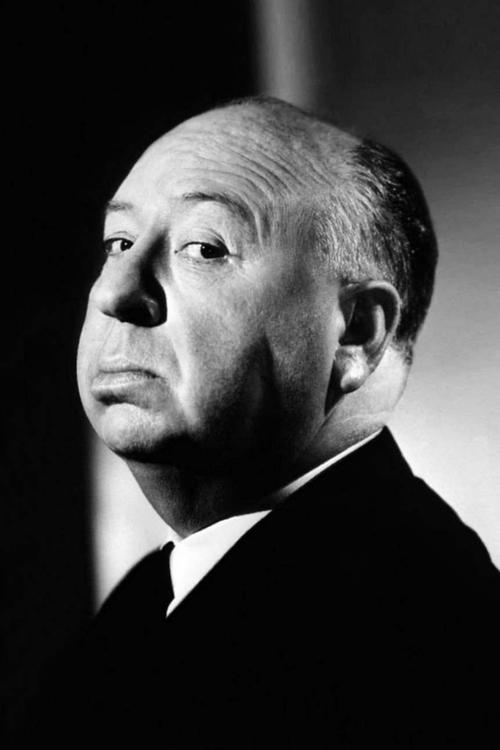
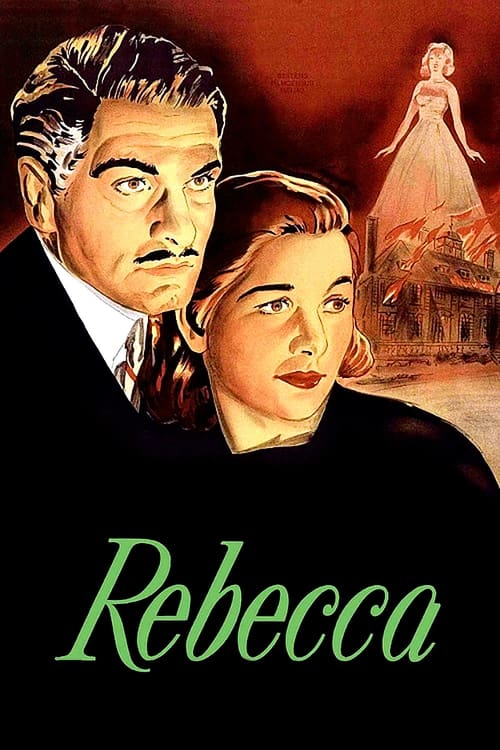


But here, influenced heavily by the haunting suspense of Hitchcock’s “Rebecca,” an older Anderson dramatizes the other side of love.
The film, which Anderson, in an interview with the New York Times , likened to gothic romances like Rebecca, Vertigo, and Gaslight, is as much about female frustration as it is about the spark of creativity.
When the second Mrs de Winter questions her husband and home in Rebecca, her fear and insecurity, as well as her love and longing, were real, deeply, sensitively understood.
Beyond the dazzling performances of Daniel Day-Lewis, Vicky Krieps, and Lesley Manville; the swooping and/or oddly angled luminous 35-mm cinematography by Anderson himself; and the almost omnipresent orchestral score by Jonny Greenwood, which suggests Nelson Riddle on ecstasy, the movie’s uniqueness is its fluidly shifting tone, as if the ghosts of genres as diverse as gothic mysteries (Hitchcock’s Rebecca), screwball comedies (Hawks’s Bringing Up Baby), perverse, obsessional romances (Kubrick’s Lolita), and Angela Carter’s feminist inversions of classic fairy tales were dancing at the edge of the collective consciousness of everyone involved, including the viewer.
She’s like the housekeeper in Hitchcock’s “Rebecca,” creepy and a touch macabre, always hovering, except that the great Lesley Manville, her eyes like black lasers, her hair piled into a short stacked ‘do, plays her like the Judi Dench version of a John Waters character: a badass in dowager’s clothing.
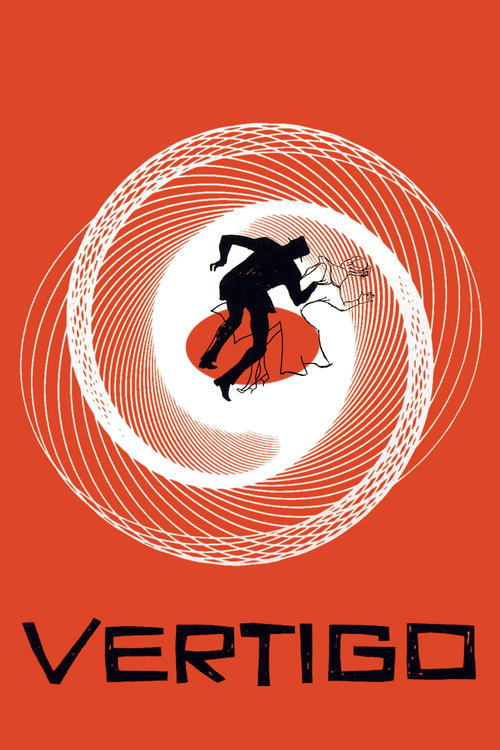
The film, which Anderson, in an interview with the New York Times , likened to gothic romances like Rebecca, Vertigo, and Gaslight, is as much about female frustration as it is about the spark of creativity.
When Scotty in Vertigo becomes fixated on Judy, his grief, obsession, control, and desire are terrifying, but honest.
Phantom Thread is essentially a smart-ass retort to Alfred Hitchcock’s Vertigo (1958), repeating Hitchcock’s basic plot of a psychotic male making over a common girl (James Stewart selfishly “correcting” Kim Novak) into his erotic ideal.
He courts Alma by using her as a human mannequin, and it’s therefore hard not to get intimations of a movie like “Vertigo,” or maybe a super-kinky “Pygmalion.”
Her name is suggestive, not only because it is Spanish for “soul” but also because it belonged to the wife and close collaborator of Alfred Hitchcock, whose first American project, the 1940 gothic romance Rebecca, Anderson has cited, along with the supremely fetishistic Vertigo, as a point of reference for this film.
The wife is Alma (Vicky Krieps), a waitress from a remote country village, and the husband is Reynolds Woodcock (Daniel Day-Lewis reportedly in his final performance), an haute couture dressmaker living in post-war London, sometime between Powell & Pressburger’s The Small Back Room and Hitchcock’s Vertigo.
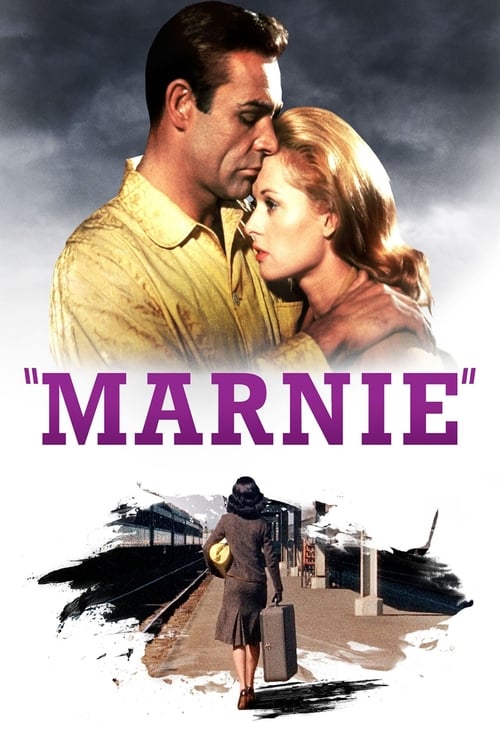
This young woman initially appears like an icy siren straight out of a Hitchcock classic like Vertigo or Marnie, her haunted yet hopeful facial features so innocently beguiling it’s understandable how a driven, narcissistic workaholic like Reynolds could be so instantly enamored with her.
With Anderson’s woozily beautiful cinematography and melancholy, chilly, swoony Bernard Herrmann-esque strings courtesy of a fabulous score by Radiohead’s Jonny Greenwood, Phantom Thread resonates with images, moods, textures and themes that evoke the darkest romances of Alfred Hitchcock– Suspicion , Vertigo and Marnie spring to mind.
Hitchcock’s influences are deeply felt here in particular, with Alma and Reynolds’ difficult, strained romance smacking of films like Rebecca and Marnie .
As I say in my video review above, the inspiration for Anderson (diving into British cinema this time around and bringing Day-Lewis back from his carpetbagging American roles of recent years along with him) is Hitchcock, with more than a touch of Rebecca and even a splash of Marnie and definitely Vertigo .
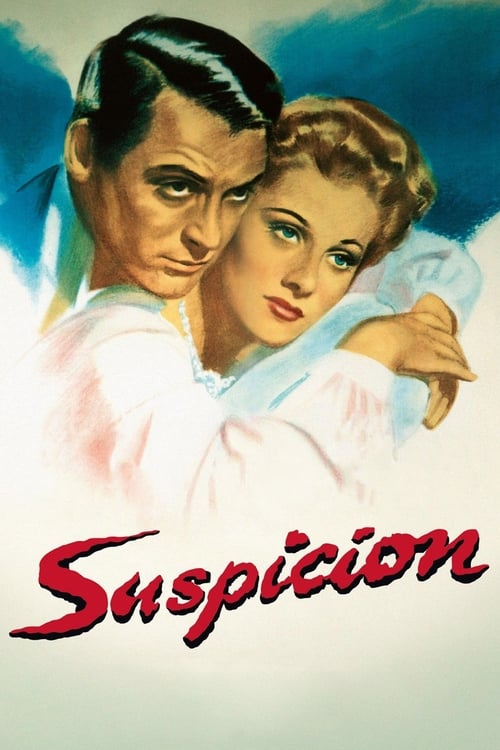
Rebecca and other influential melodramas, including Hitchcock’s Suspicion or David Lean’s The Passionate Friends, focus on the protagonist (her interiority particularly in the face of an obscure, oppressive husband); films like Vertigo, as well as other mystery or thriller texts such as du Maurier’s novel My Cousin Rachel focus on the interrogation of the woman, giving a space in which to critique the man’s paranoia and control.
“Phantom Thread” comes on, for a good long stretch, like Anderson’s sprawling version of “Rebecca” or “Suspicion”: a romantic suspense thriller coursing with dread.
If Phantom Thread is Anderson’s Hitchcock film—Notorious and Suspicion, two other tales of perilous marriage, have also been mentioned by critics—it is an example of what Bloom calls “the return of the dead,” a maneuver by which “the new poem’s achievement makes it seem to us, not as though the precursor were writing it, but as though the later poet himself had written the precursor’s characteristic work.”
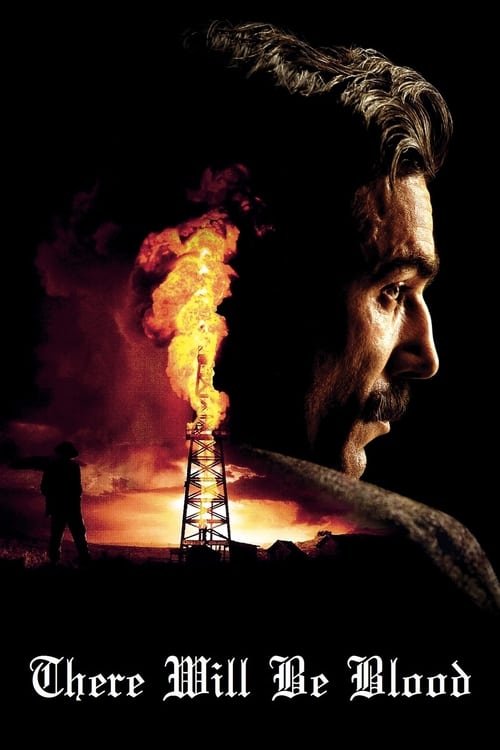
Then, there is Jonny Greenwood’s music, largely for piano and strings, which is far less jagged than the work he composed for Anderson in “ There Will Be Blood ” (2007), and summons, instead, some of the troubled lushness that Franz Waxman brought to his scores for “Rebecca” and “ Suspicion ” (1941).
With Anderson’s woozily beautiful cinematography and melancholy, chilly, swoony Bernard Herrmann-esque strings courtesy of a fabulous score by Radiohead’s Jonny Greenwood, Phantom Thread resonates with images, moods, textures and themes that evoke the darkest romances of Alfred Hitchcock– Suspicion , Vertigo and Marnie spring to mind.
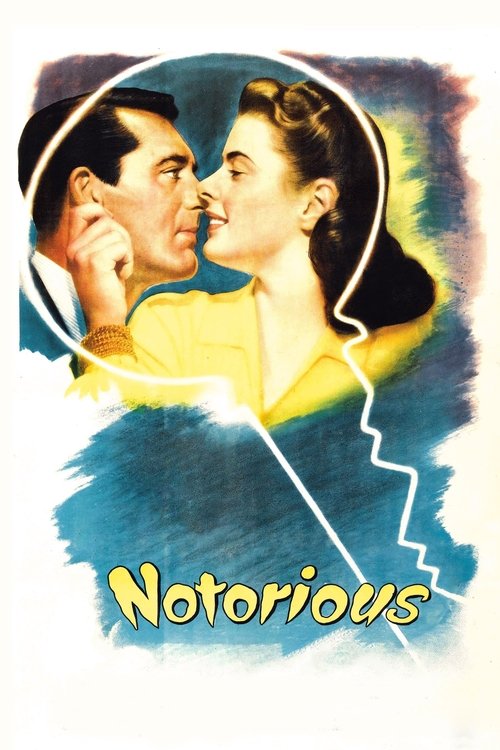
If Phantom Thread is Anderson’s Hitchcock film—Notorious and Suspicion, two other tales of perilous marriage, have also been mentioned by critics—it is an example of what Bloom calls “the return of the dead,” a maneuver by which “the new poem’s achievement makes it seem to us, not as though the precursor were writing it, but as though the later poet himself had written the precursor’s characteristic work.”
There are shades of Hitchcock, notably Rebecca and Notorious.
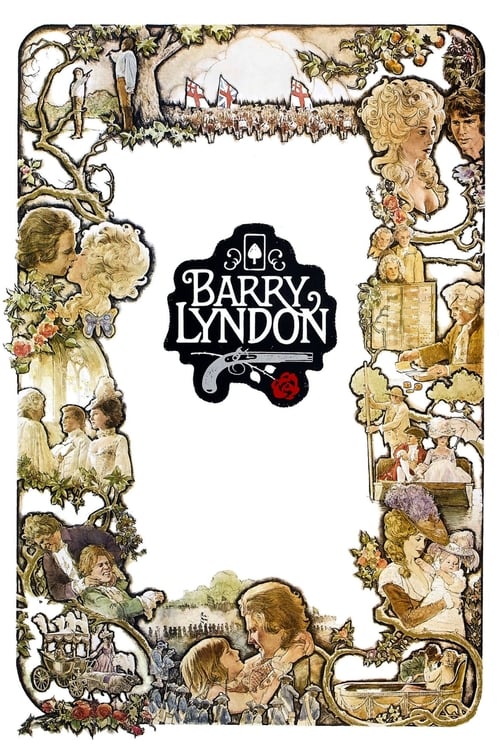
The film's deep obsession with accoutrement reminded me strongly of the work of Memphis director Brian Pera, while the claustrophobic atmosphere of social obligation and niceties lends a strong Barry Lyndon vibe.
It’s like Stanley Kubrick’s Barry Lyndon, which Pauline Kael called a coffee-table movie: “We might as well be at a three-hour slide show for art-history majors.”
This film reminded me a lot of Barry Lyndon (1975) with its naturally lit cinematography and subdued color palette.
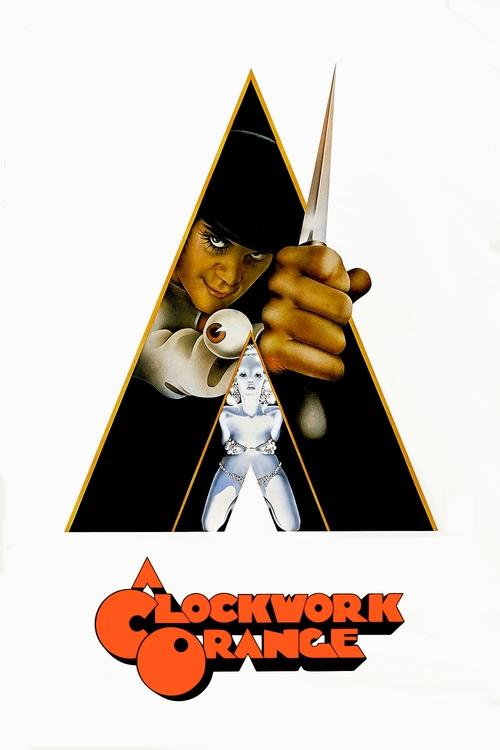
(And yes, Mr. Anderson, we caught the nod to A Clockwork Orange in that shot-from-the-hood careening country drive at the beginning of the film.)
Our needle-pushing genius repairs to the country for even more solace, driving recklessly like Alex in A Clockwork Orange .
The movie also is rich with simultaneously playful and serious nods to what I presume to be Anderson cinematic touchstones, including “ A Clockwork Orange ,” “Psycho,” “The Knack (And How To Get It),” and, not as improbably as you might think, “ Raising Arizona .”
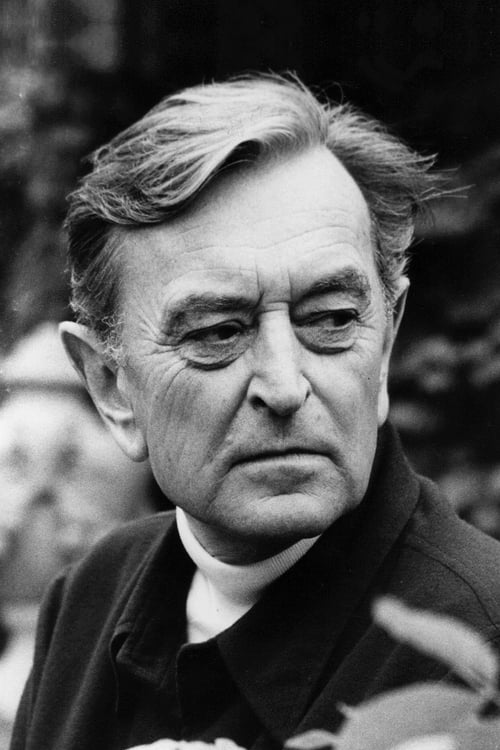
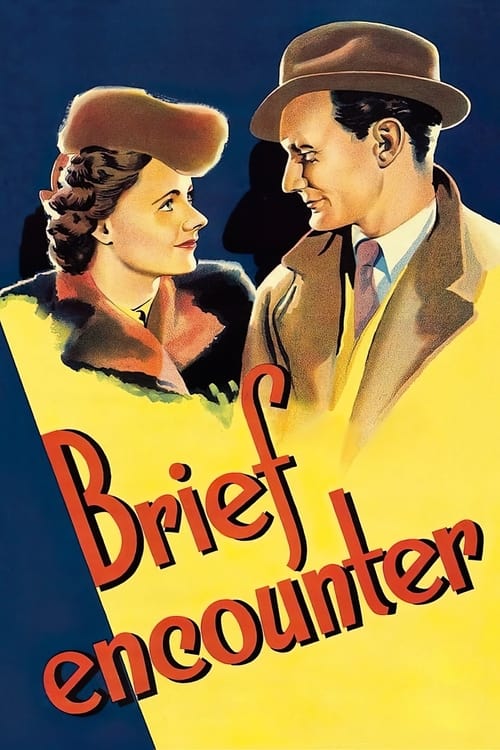
He openly acknowledges that this film, in particular, stems from a rich lineage of gothic romances; such as Gaslight, Hitchcock’s Rebecca, and the David Lean films Brief Encounter, and The Passionate Friends.
Como un elegante conjunto, Anderson diseña El hilo fantasma con una amplia variedad de referencias que van de la profunda y elegante simplicidad de los dramas de David Lean, como Brief Encounter (1945) o The Passionate Friends (1949), bordadas con destreza hithcockiana (Rebecca, 1940) y con una fantasmagoría femenina que remite más a Mizoguchi (Ugetsu monogatari, 1953), sobre todo como la ambición masculina consume el alma femenina hasta desvanecerla en actos de la más sutil y delicada crueldad.
Far removed from the grandness of There Will Be Blood (or most of Day-Lewis’ other recent projects), the acting-directing duo’s latest is most reminiscent of early David Lean, a Brief Encounter -esque romance that doubles as an unconventional investigation of passion, need and co-dependency.
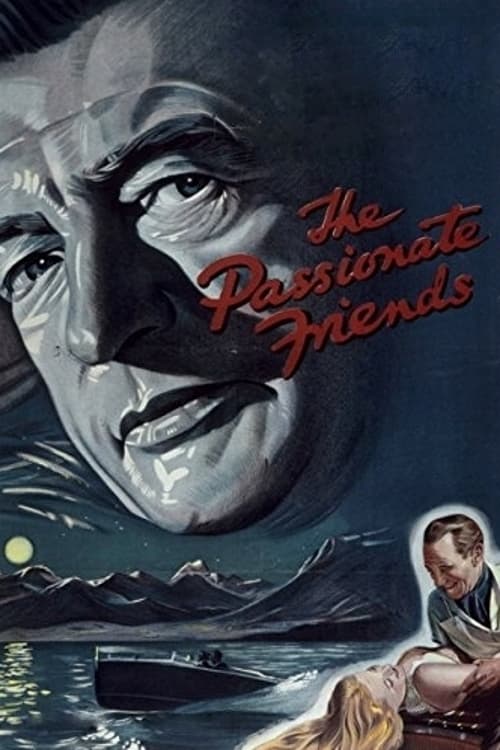
Rebecca and other influential melodramas, including Hitchcock’s Suspicion or David Lean’s The Passionate Friends, focus on the protagonist (her interiority particularly in the face of an obscure, oppressive husband); films like Vertigo, as well as other mystery or thriller texts such as du Maurier’s novel My Cousin Rachel focus on the interrogation of the woman, giving a space in which to critique the man’s paranoia and control.
He openly acknowledges that this film, in particular, stems from a rich lineage of gothic romances; such as Gaslight, Hitchcock’s Rebecca, and the David Lean films Brief Encounter, and The Passionate Friends.
Como un elegante conjunto, Anderson diseña El hilo fantasma con una amplia variedad de referencias que van de la profunda y elegante simplicidad de los dramas de David Lean, como Brief Encounter (1945) o The Passionate Friends (1949), bordadas con destreza hithcockiana (Rebecca, 1940) y con una fantasmagoría femenina que remite más a Mizoguchi (Ugetsu monogatari, 1953), sobre todo como la ambición masculina consume el alma femenina hasta desvanecerla en actos de la más sutil y delicada crueldad.
En The Master (2012) da cuenta del extravío moral y espiritual que dejó la segunda guerra mundial; en Petróleo sangriento (There Will Be Blood, 2007) la obsesión se multiplica con la ambición; en Embriagado de amor (Punch-Drunk Love, 2002) el amor es una especie de gracia que se concede a los idiotas (en un sentido dostoievskiano, inocente, iluminador).
Parts of the film, played up in the trailer, suggest an intoxicating, windswept romance laden with secrets; other parts go for wild tonal change-ups, on par with the raucous black-comic coda of “There Will Be Blood” (2007), Anderson’s previous collaboration with Day-Lewis.
The last time Paul Thomas Anderson and Daniel Day-Lewis teamed up on screen, we got “There Will Be Blood,” a stern, brutally realized epic on the poisonous lust of capitalism, but viewers expecting a retread of that collaboration’s sparse, rustic aesthetic will be pleasantly surprised.
Where Anderson’s 2007 film There Will Be Blood — his and Day-Lewis’ only other collaboration, which earned the latter an Oscar for Best Actor — was all bombast, and 2014’s Inherent Vice was all psychedelic sprawl, Phantom Thread is tonally more at home alongside 2012’s The Master.
His previous films have been rather singular with Boogie Nights being a portrait of the porn industry and There Will Be Blood being a character study about capitalism and greed.
While some people find the ending too fast to be believable (though less abrupt than in There Will Be Blood), I was wowed by its exquisite, almost Japanese perversity.
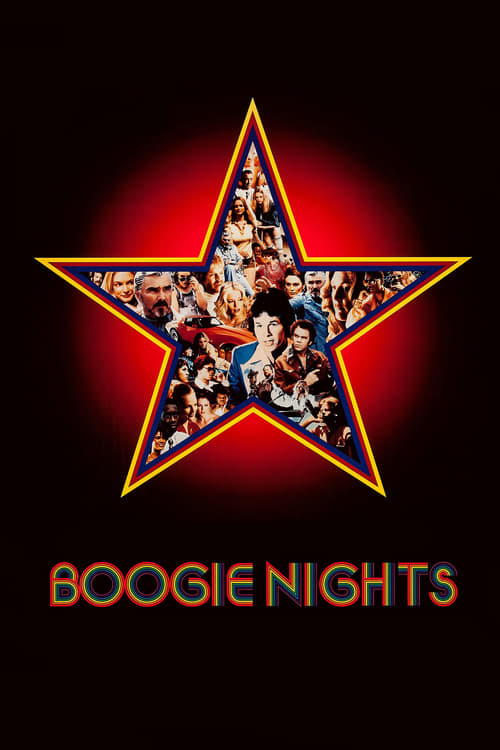
It reminded me of the scene in Anderson’s Boogie Nights (1997) when Philip Seymour Hoffman’s character, Scotty J., confessed his love to Mark Wahlberg’s Dirk Diggler and then sat in a car afterward repeating, “I’m a fucking idiot” in an inconsolable way.
I imagine many Anderson acolytes — the ones who value the irony of Boogie Nights or the pomposity of Magnolia, for instance — will find this one of their least favorite PTA films.
His previous films have been rather singular with Boogie Nights being a portrait of the porn industry and There Will Be Blood being a character study about capitalism and greed.
Writer/Director Paul Thomas Anderson (Boogie Nights, There Will Be Blood, The Master) is on home turf here, peeling back the layers of complex, monstrous people and remorselessly turning the tables on our expectations and preconceptions.
His breakthrough work, the Scorseseian porn saga Boogie Nights, thrusts at a number of urgent and carnal appetites, but is all about the hunger for fame.
There Will Be Blood and The Master are indisputably—like most PTA films since Boogie Nights—big, expansive movies.
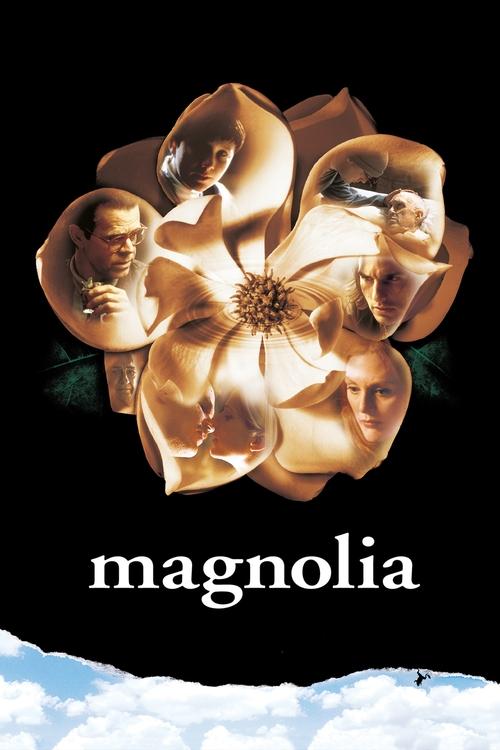
En las antípodas de su cine coral (Magnolia, Boogie Nights), aquí el foco está en sólo dos personajes, con tomas son sencillas, poco uso de travellings, close-ups constantes y sin planos secuencia llamativos.
I imagine many Anderson acolytes — the ones who value the irony of Boogie Nights or the pomposity of Magnolia, for instance — will find this one of their least favorite PTA films.
Hard Eight and Magnolia, the hunger for reconciliation.
But keep in mind this is a flick by PTA, one of the most meticulous filmmakers of his time, if not all time – “Magnolia,” “Boogie Nights” and “The Master” are among his many gems – and it’s a gasp to behold in composition alone.
The film is framed as a love story, but it never swoons, and it’s enough to make you wonder: Why does Anderson, whose work back in the late ’90s (the transcendent “Boogie Nights,” the enraptured “Magnolia”) pulsated with off-kilter humanity, now make dramas that are essentially didactic studies of fantastically cold brutes?
Si Embriagado de amor (2002), a pesar de su ambición en todos los niveles, supuso una suerte de (auto)contestación por parte de Paul Thomas Anderson a Sidney (1996), Boogie Nights (1997) y a Magnolia (1999), como si realizase una película, en apariencia, más sencilla, pero desde luego, e incluso dentro de su gran complejidad y singularidad, menos ampulosa en un sentido narrativo.
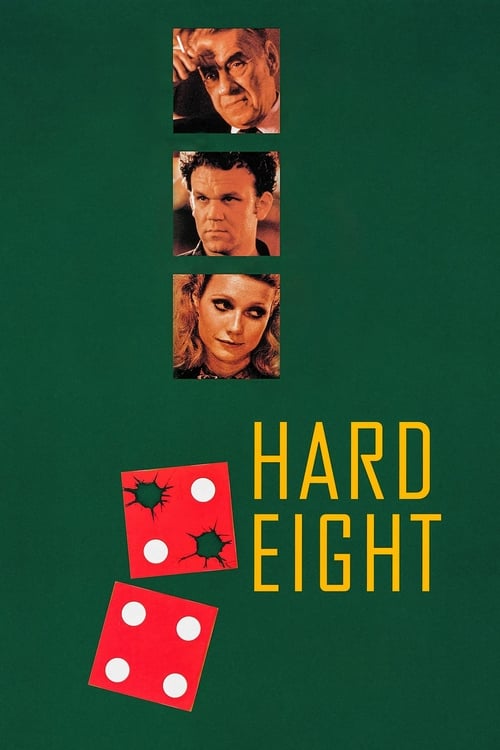
Hard Eight and Magnolia, the hunger for reconciliation.
En su primera incursión tras las cámaras, Hard Eight (1996), se adivinaba una preferencia por los dramas corales con una puesta en escena bastante dinámica en sus composiciones y ambientación, lo cual quedó confirmado en Boogie Nights (1997) y Magnolia (1999).
His first feature, Hard Eight (1996), a crime film reminiscent of Scorsese, remains his most conventional movie—an exercise in gangster existentialism in which a dapper, aging Reno cardsharp takes a dim-bulb drifter under his wing.
Paul Thomas Anderson ’s filmmaking swings between ambitions — sweeping riffs on history (“Boogie Nights,” “There Will Be Blood,” “The Master”) and peculiar, enlightening character studies (“Hard Eight,” “Punch Drunk Love”).
From Hard Eight through Inherent Vice, this artist has always dared audiences to dig deeper.
The theme of obsessiveness, already apparent in his first full-length film, “Hard Eight,” was pursued in the movies that followed: “Boogie Nights,” “Magnolia,” “Punch-Drunk Love,” “There Will Be Blood,” “The Master” and “Inherent Vice” – a list that includes some of the most important American films of recent decades.
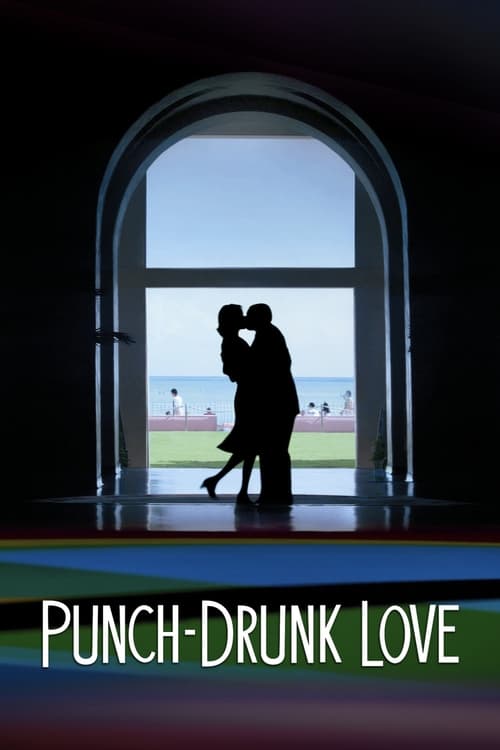
En The Master (2012) da cuenta del extravío moral y espiritual que dejó la segunda guerra mundial; en Petróleo sangriento (There Will Be Blood, 2007) la obsesión se multiplica con la ambición; en Embriagado de amor (Punch-Drunk Love, 2002) el amor es una especie de gracia que se concede a los idiotas (en un sentido dostoievskiano, inocente, iluminador).
Punch-Drunk Love for, well, love.
Think of his drifting, elliptical Thomas Pynchon adaptation Inherent Vice, his enigmatic, angry cult drama The Master, or his dissonant rom-com deconstruction Punch-Drunk Love.
Anderson’s fancy cape-work has always impressed critics who are pledged to the superficially dark, perverse, and eccentric (Boogie Nights, There Will Be Blood, Punch-Drunk Love).
Like his masterpiece Punch-Drunk Love , Phantom Thread is about a love story that probably shouldn’t be, but that—and here’s the best part—still is.
This is a more low-key version of what Anderson did in 2002's Punch-Drunk Love, another romance that seemed poised on the precipice of disaster.
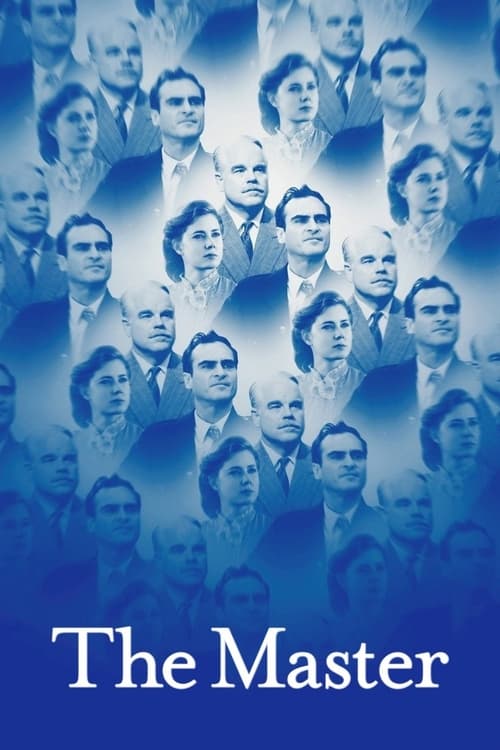
En The Master (2012) da cuenta del extravío moral y espiritual que dejó la segunda guerra mundial; en Petróleo sangriento (There Will Be Blood, 2007) la obsesión se multiplica con la ambición; en Embriagado de amor (Punch-Drunk Love, 2002) el amor es una especie de gracia que se concede a los idiotas (en un sentido dostoievskiano, inocente, iluminador).
It’s a problem Anderson had run into previously with both The Master and Inherent Vice, movies that are so tightly wound and introspective that they fail to breathe.
Where Anderson’s 2007 film There Will Be Blood — his and Day-Lewis’ only other collaboration, which earned the latter an Oscar for Best Actor — was all bombast, and 2014’s Inherent Vice was all psychedelic sprawl, Phantom Thread is tonally more at home alongside 2012’s The Master.
Writer/Director Paul Thomas Anderson (Boogie Nights, There Will Be Blood, The Master) is on home turf here, peeling back the layers of complex, monstrous people and remorselessly turning the tables on our expectations and preconceptions.
In recent films, Paul Thomas Anderson has specialized in monsters, in unforgiving, controlling males with horrifying, exacting appetites: Day-Lewis’s oilman Plainview in There Will be Blood, cult leader Lancaster Dodd in The Master.
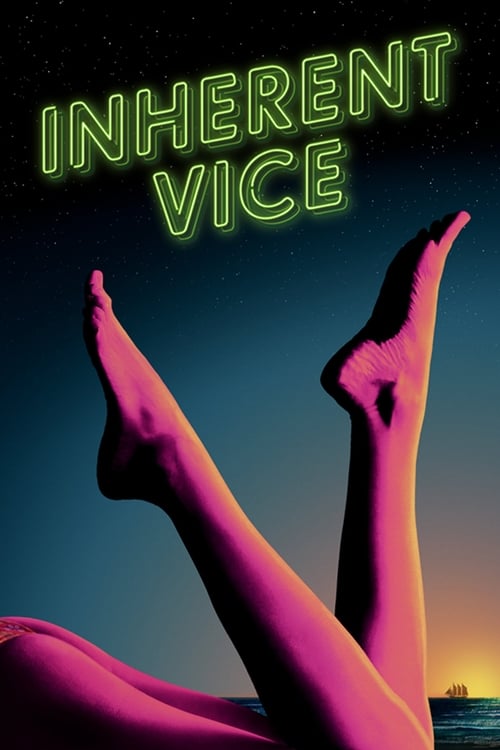
It’s a problem Anderson had run into previously with both The Master and Inherent Vice, movies that are so tightly wound and introspective that they fail to breathe.
Where Anderson’s 2007 film There Will Be Blood — his and Day-Lewis’ only other collaboration, which earned the latter an Oscar for Best Actor — was all bombast, and 2014’s Inherent Vice was all psychedelic sprawl, Phantom Thread is tonally more at home alongside 2012’s The Master.
Phantom Thread is also a return to stoical form, after the forced whimsy of Inherent Vice, for writer-director Paul Thomas Anderson, who moves Day-Lewis a half-century forward from 2007’s There Will Be Blood.
Think of his drifting, elliptical Thomas Pynchon adaptation Inherent Vice, his enigmatic, angry cult drama The Master, or his dissonant rom-com deconstruction Punch-Drunk Love.
Inherent Vice found direction in Doc Sportello’s wild goose chase; The Master found weight in the hollow promises of Lancaster Dodd; There Will Be Blood found humanity in self-professed antihuman Daniel Plainview; Boogie Nights found a home in the sex-, drug-, and self-inflicted-gunshot-wound-laden household of Jack Horner.
In short, he became a good writer, whose last two films (The Master and Inherent Vice) seemed plugged into a rare seam of complex humanity.
Advertisement
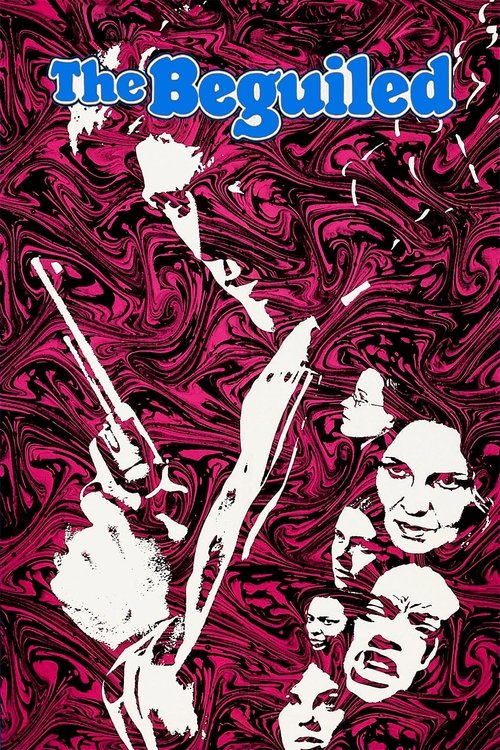
Much like Sofia Coppola’s The Beguiled, or Chan-wook Park’s The Handmaiden, every small detail feels thoroughly.
(Incidentally, I also noticed a reference to Don Siegel’s 1971 movie “The Beguiled,” in which – as in its 2017 remake by Sofia Coppola – mushrooms become weapons in the war between the sexes.)
Shades of last year’s remake of The Beguiled abound in these sections; suffice to say, you’ll think twice the next time you eat mushrooms.
Al igual que en Happy Together (1997), de Wong Kar-wai, la enfermedad y el cuidado son una herramienta de coerción, mientras que las setas, el más fálico de los alimentos, regresan de ambas versiones de El seductor ( The Beguiled , 1971, 2017) como un veneno y un signo de la toxicidad masculina.
If you prefer screenplay structure, this thread unravels down the stretch, mushrooming into an implausible finish that was better executed months ago by Sofia Coppola in “The Beguiled” (2017).
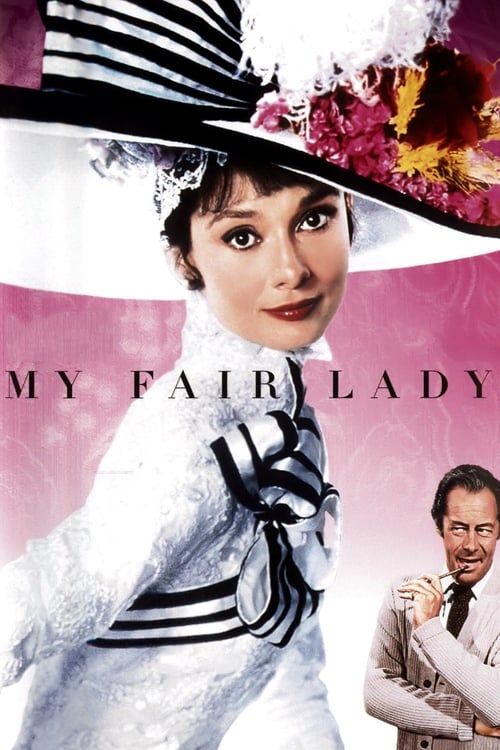
In something of a “My Fair Lady” theme, Alma eventually comes to live at Reynold’s house, starts to learn the craft of dressmaking, and becomes his latest muse for fashion.
But this is not “Funny Face” or “My Fair Lady” or “Pretty Woman” or any number of “ugly” duckling turns to swan with the help of a hairbrush/expensive clothes/great man stories.
At times he recalls Professor Higgins in Shaw’s “Pygmalion” and in its musical version, “My Fair Lady,” as well as other protagonists from the British theater and cinema – characters who manage their lives with unswerving rigor and impose their egocentric authority on those around them from the heights of the upper class.
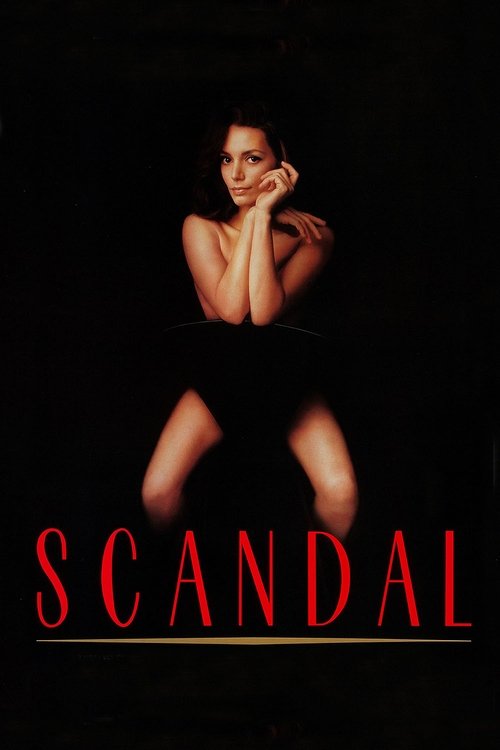
There hasn't been a film in a long time1989's Scandal might be the lastthat conjures up the underside of post-war English luxury.
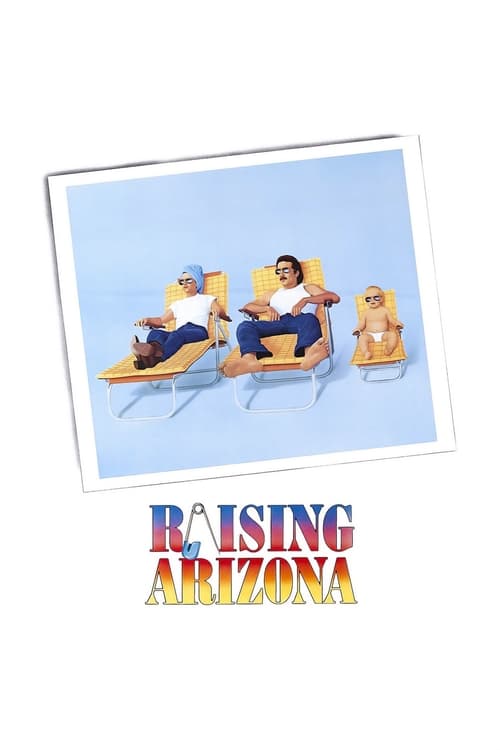
The movie also is rich with simultaneously playful and serious nods to what I presume to be Anderson cinematic touchstones, including “ A Clockwork Orange ,” “Psycho,” “The Knack (And How To Get It),” and, not as improbably as you might think, “ Raising Arizona .”
Advertisement
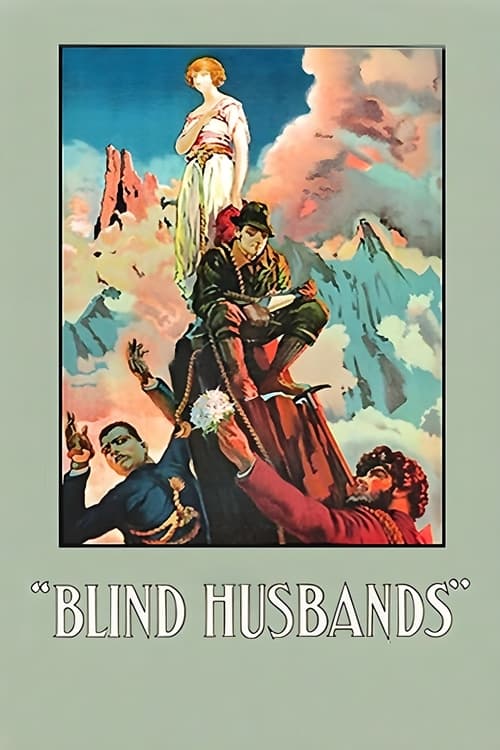
La posibilidad de un triángulo amoroso en las montañas evoca Blind Husbands (1919), de Erich von Stroheim.
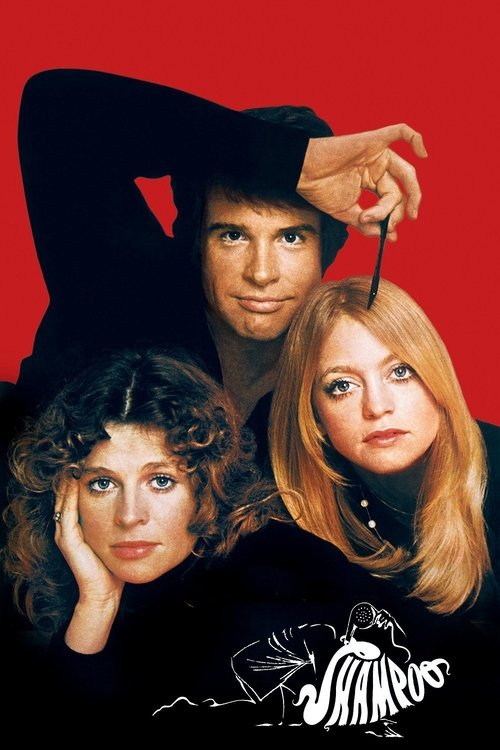
Warren Beatty once defended his film Shampoo by asserting that even promiscuous people can fall in love.