
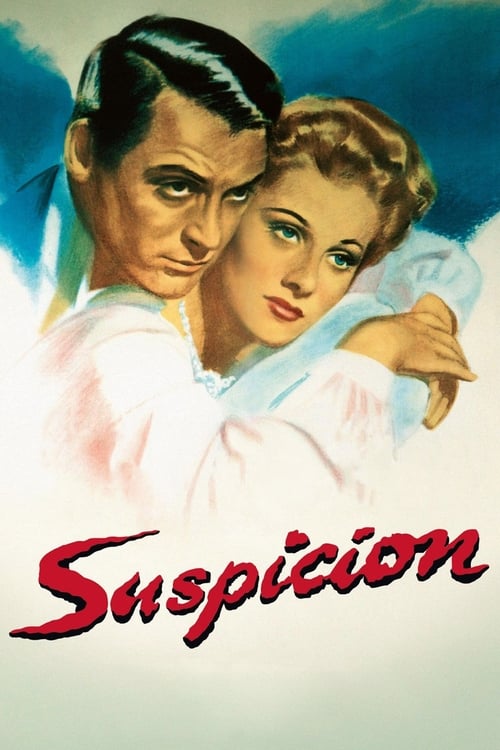
Suspicion (1941)
Directed by Alfred Hitchcock
A sheltered heiress falls for a charming playboy and elopes with him, but soon discovers his gambling vice and mounting debts. As his lies deepen and those around them meet mysterious ends, she begins to suspect that her husband’s affection may conceal a deadly motive—and that she could be his next victim.
11 connections found
View:
11 connections, in both directions
What critics compared Suspicion to

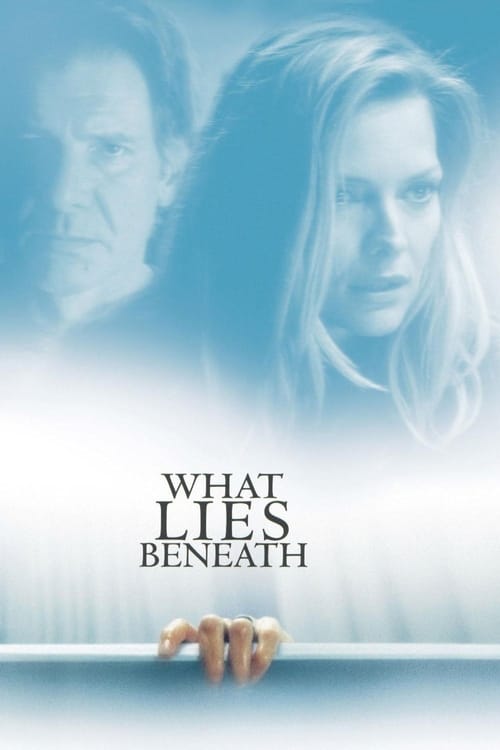


Just look at the major Hollywood releases this summer: First "Mission: Impossible 2" borrows a plot from "Notorious," then "X-Men" takes a Statue of Liberty climax from "Saboteur," and finally we have Robert Zemeckisâ "What Lies Beneath," which cribs from so many Hitchcock thrillers itâs impossible to mention them all, but the chief victims are "Rear Window," "Rebecca," and "Suspicion."
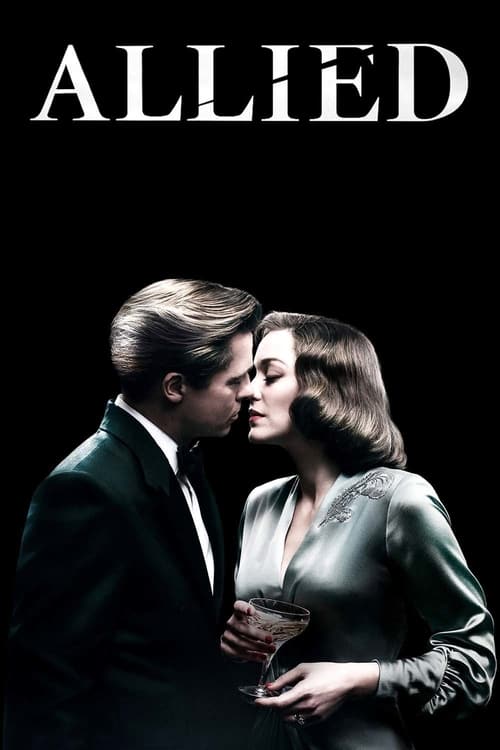
Su primera parte recuerda al cine clásico fabricado por Hollywood, sobre todo a Casablanca (1942), y, la segunda, propone un viraje que se aleja de dichos elementos para acercar el convoy a los thrillers hitchcockianos (Notorious, Suspicion).
Shot in velvety-rich classic Hollywood style from an original – and yet so very unoriginal – script by Steven Knight (Pawn Sacrifice), Allied comes off like a highlight reel that mimics the look and feel of a whole school of great films, from Casablanca to Hitchcock's Suspicion and Notorious.
The more Zemeckis strains to re-create the romanticism of the wartime films of the 1940s, the more I wished this one was being made by Alfred Hitchcock, who effectively made a variation on this theme with "Suspicion" (1941).
The story, written by Steven Knight and apparently based on some real wartime derring-do, has overtones of Hitchcock’s Notorious and Suspicion, as well as Casablanca, and even Charade.
Instead, we get a play-it-safe thriller with a plot that recalls that of Alfred Hitchcock’s Notorious and Suspicion yet fails to muster a fraction of either's suspense.
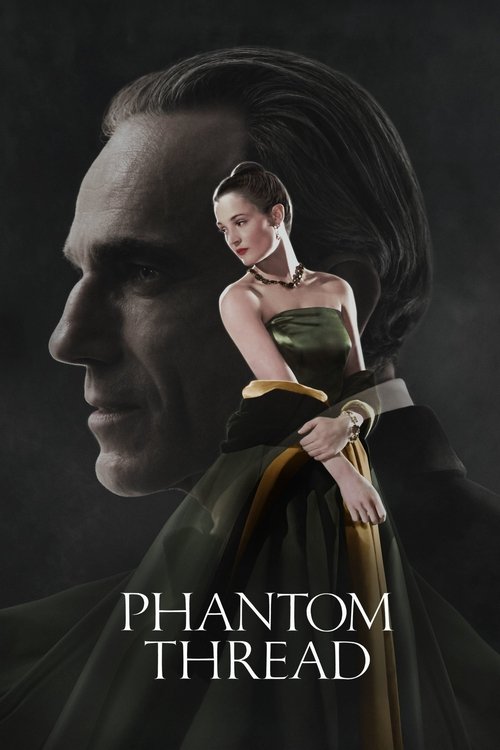
Rebecca and other influential melodramas, including Hitchcock’s Suspicion or David Lean’s The Passionate Friends, focus on the protagonist (her interiority particularly in the face of an obscure, oppressive husband); films like Vertigo, as well as other mystery or thriller texts such as du Maurier’s novel My Cousin Rachel focus on the interrogation of the woman, giving a space in which to critique the man’s paranoia and control.
“Phantom Thread” comes on, for a good long stretch, like Anderson’s sprawling version of “Rebecca” or “Suspicion”: a romantic suspense thriller coursing with dread.
If Phantom Thread is Anderson’s Hitchcock film—Notorious and Suspicion, two other tales of perilous marriage, have also been mentioned by critics—it is an example of what Bloom calls “the return of the dead,” a maneuver by which “the new poem’s achievement makes it seem to us, not as though the precursor were writing it, but as though the later poet himself had written the precursor’s characteristic work.”
Then, there is Jonny Greenwood’s music, largely for piano and strings, which is far less jagged than the work he composed for Anderson in “ There Will Be Blood ” (2007), and summons, instead, some of the troubled lushness that Franz Waxman brought to his scores for “Rebecca” and “ Suspicion ” (1941).
With Anderson’s woozily beautiful cinematography and melancholy, chilly, swoony Bernard Herrmann-esque strings courtesy of a fabulous score by Radiohead’s Jonny Greenwood, Phantom Thread resonates with images, moods, textures and themes that evoke the darkest romances of Alfred Hitchcock– Suspicion , Vertigo and Marnie spring to mind.
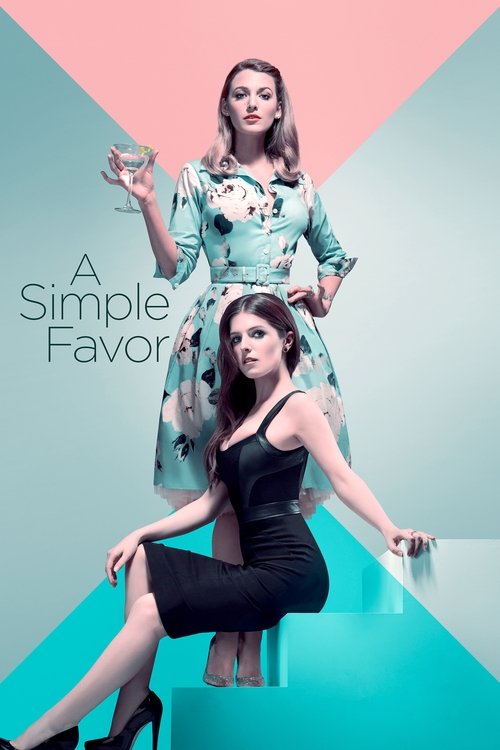
The characters themselves reference classic thrillers Diabolique and Gaslight , and there are echoes of movies like Double Indemnity and Alfred Hitchcock’s Suspicion , in addition to the more recent Girl sensations.
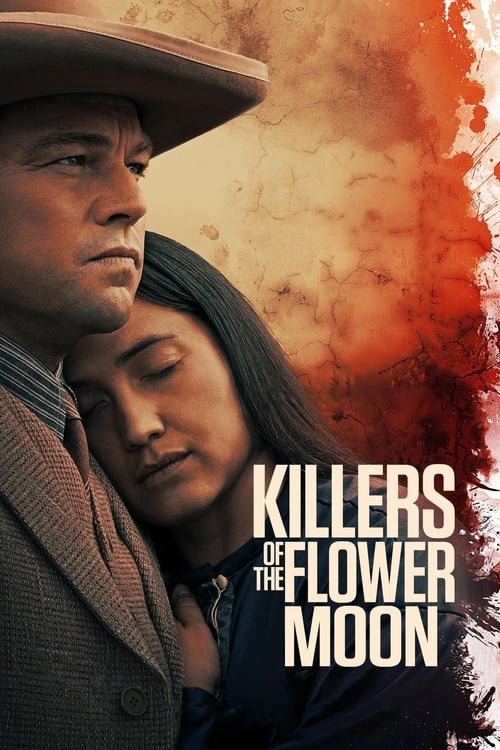
Killers of the Flower Moon is a three-hander on an epic canvas, a corrosive analysis of America’s colonialist and capitalist excesses as refracted through a marital melodrama in the vein of George Cukor’s Gaslight or Alfred Hitchcock’s Suspicion. As those artists did in those films, Scorsese cultivates a spellbinding air of uncertainty, even though it’s clear from the moment Ernest courts Mollie at his uncle’s insistence that little good will come from their pairing.
Advertisement
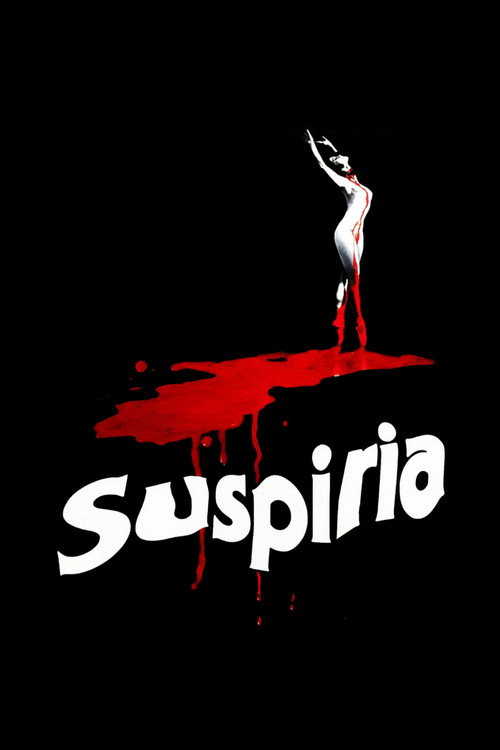
Suspiria less dreamily recalls Vertigo in its segmentation of women and its colour suffusions; Psycho, in a fixation on bird imagery, first act monetary concerns, and a swirl of vermouth down the drain; Rebecca in its monstrous maid (Olga (Barbar Magnolfi)) and torching of an analogous Manderly; and Suspicion and Notorious in the slow ascents and lingering reveals of doctored libation.
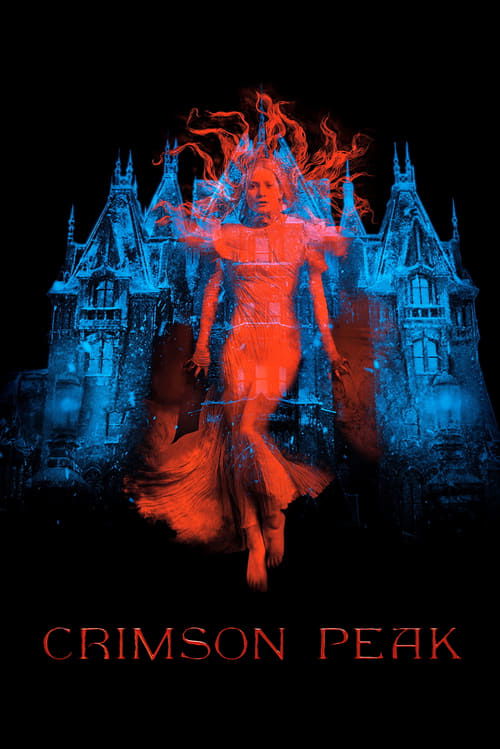
If Crimson Peak has a patron saint, it’s Alfred Hitchcock, with Rebecca, Notorious and Suspicion supplying the oxygen from which the story draws life.
The screenplay by del Toro and frequent writing partner Matthew Robbins spends too much time in America and is a mashup of Alfred Hitchcock’s “Rebecca” and “Suspicion,” along with Edgar Allan Poe’s classic 1839 tale “The Fall of the House of Usher,” with Sharpe as Roderick Usher and Lucille as his weird sister Madeline.
This sort of helpless damsel-in-distress stuff has been done to death over the years, with Hitchcock alone using it as a vehicle for both Joan Fontaine in “Suspicion” and Grace Kelly in “Dial M for Murder.”
Hitchcock was the master of the Preposterous Thriller — just watch Suspicion , Spellbound or Psycho .
Advertisement
Directed and written by Giuseppe Tornatore (“Cinema Paradiso”), the film creates an appealingly uncompromising protagonist and a lush sense of suspense straight out of a 1940s film like “Suspicion” or “Rebecca.”
Though I’ve been a fan of Hitchcock—the man’s work covers so many decades in such a vast variety of styles, is there anyone who is not?—I had always been drawn more to his sprightly, early American work like Rebecca, Notorious, and Suspicion than to his more stately late American work like Vertigo and The Birds.