
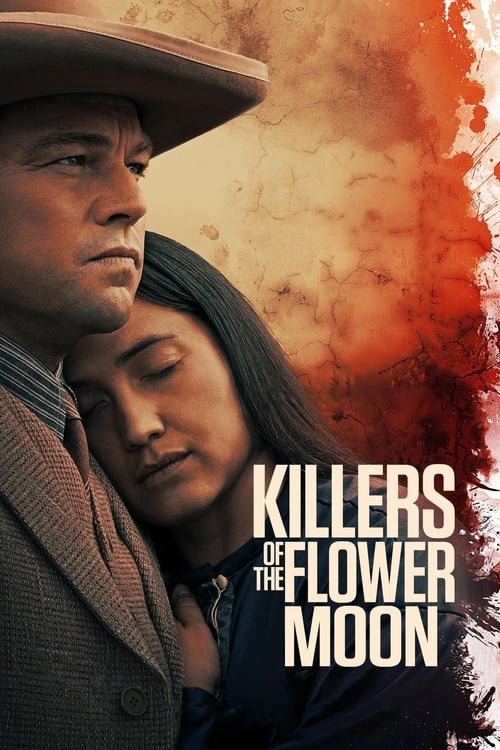
Killers of the Flower Moon (2023)
Directed by Martin Scorsese
When oil is discovered in 1920s Oklahoma under Osage Nation land, the Osage people are murdered one by one—until the FBI steps in to unravel the mystery.
23 connections found
View:
23 films that influenced Killers of the Flower Moon
What critics say influenced Killers of the Flower Moon
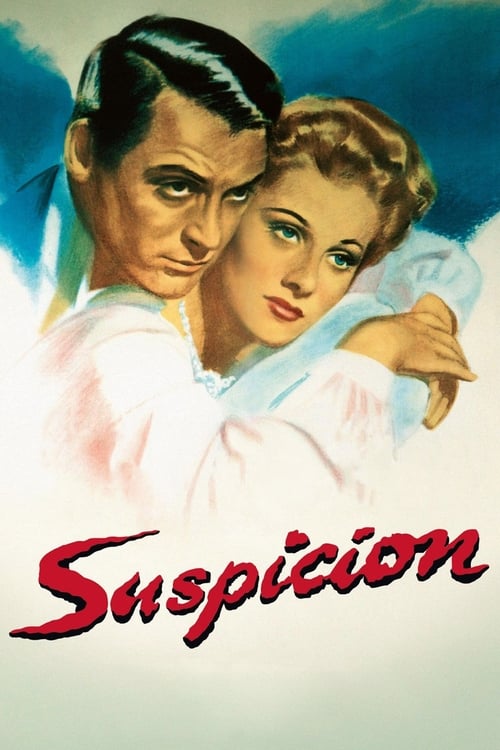


Killers of the Flower Moon is a three-hander on an epic canvas, a corrosive analysis of America’s colonialist and capitalist excesses as refracted through a marital melodrama in the vein of George Cukor’s Gaslight or Alfred Hitchcock’s Suspicion. As those artists did in those films, Scorsese cultivates a spellbinding air of uncertainty, even though it’s clear from the moment Ernest courts Mollie at his uncle’s insistence that little good will come from their pairing.
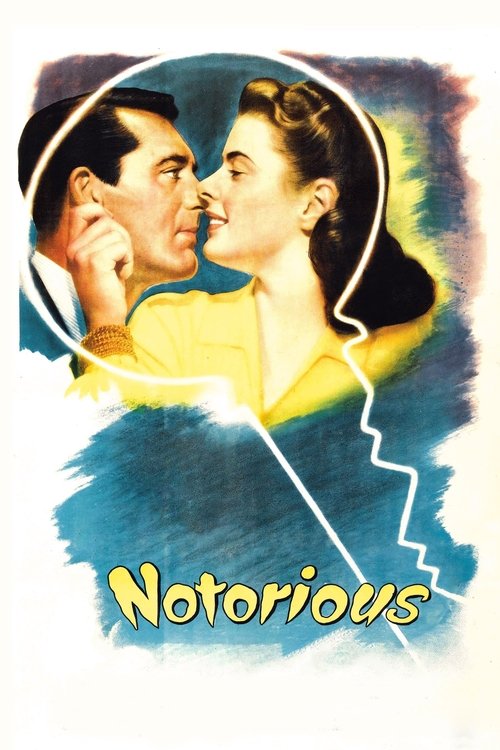
It's a pulse-pounding gaslighting scenario right out of Hitchcock—specifically, 1946's Notorious—and yet instead of playing it for pastiche, Scorsese opts for an agonizing realism that does not preclude two terrible possibilities.
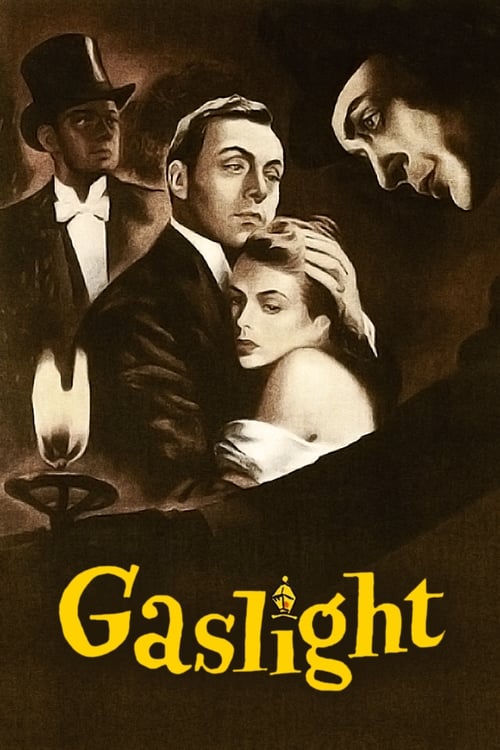
Killers of the Flower Moon is a three-hander on an epic canvas, a corrosive analysis of America’s colonialist and capitalist excesses as refracted through a marital melodrama in the vein of George Cukor’s Gaslight or Alfred Hitchcock’s Suspicion. As those artists did in those films, Scorsese cultivates a spellbinding air of uncertainty, even though it’s clear from the moment Ernest courts Mollie at his uncle’s insistence that little good will come from their pairing.
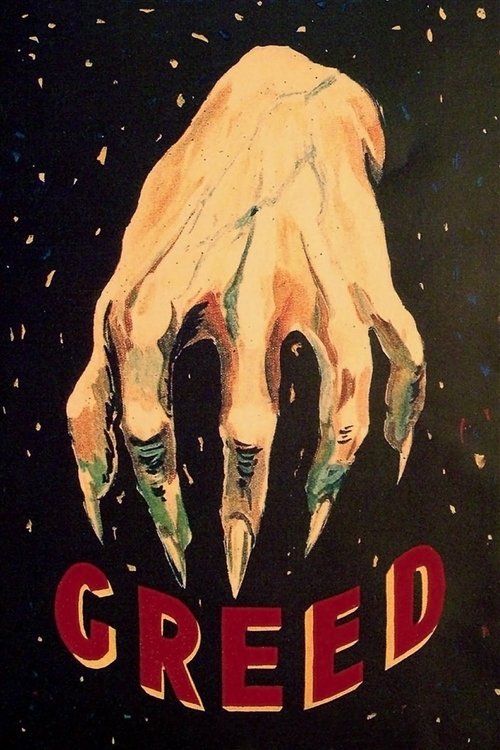
Apart from the sociological and history lesson within the film, upon exiting the theater I was probably most struck by its modern update on the more general parable of how greed corrupts the human soul, particularly for people who come from a lower economic background; much in the way that Erich von Stroheim's 1924 silent film masterpiece Greed did in 1924.
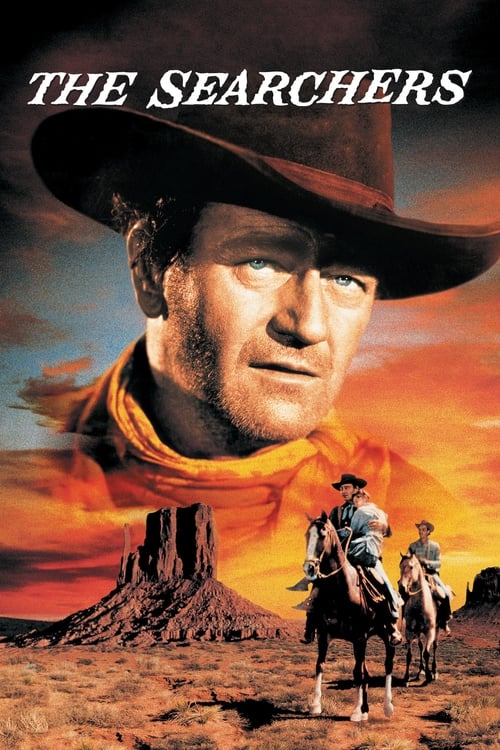
…the type of movie that made names out of fellow legends of cinemas like Sergio Leone and John Ford (whose 1956 film The Searchers is on record as being among Scorsese’s all-time favourites).
Advertisement
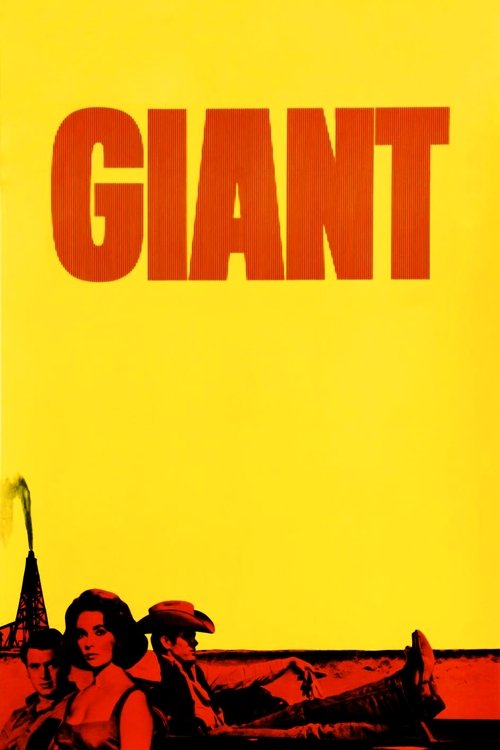
Scorsese begins the film as an ‘End of the West’ western, somewhere between Terrence Malick’s Days of Heaven and George Stevens’ Giant. White America is a criminal enterprise and Hale’s activities are just a more brutal version of that: a criminal enterprise on top of a criminal enterprise.
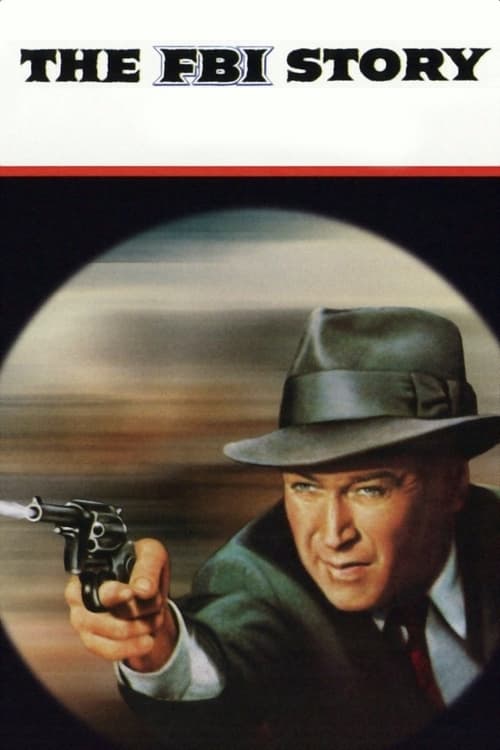
No less an icon than Jimmy Stewart played a composite version of White in 1959's The FBI Story, which was effectively endorsed by Hoover.
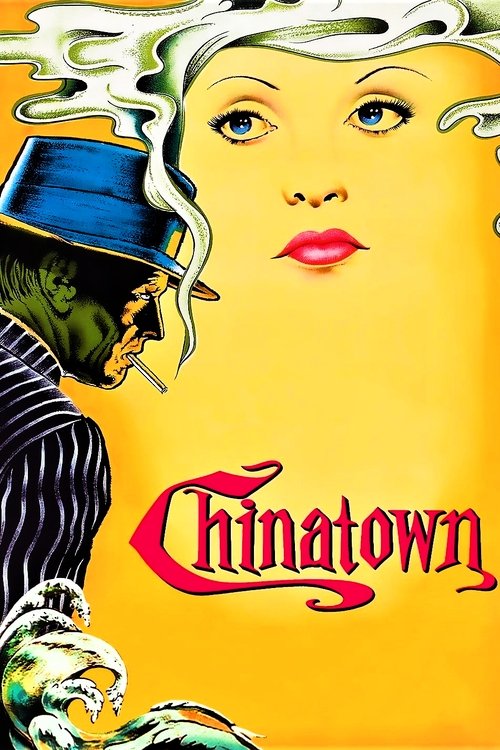
Set in the 1920s, Killers Of The Flower Moon is of John Huston scope, with some of the edge of a Chinatown.
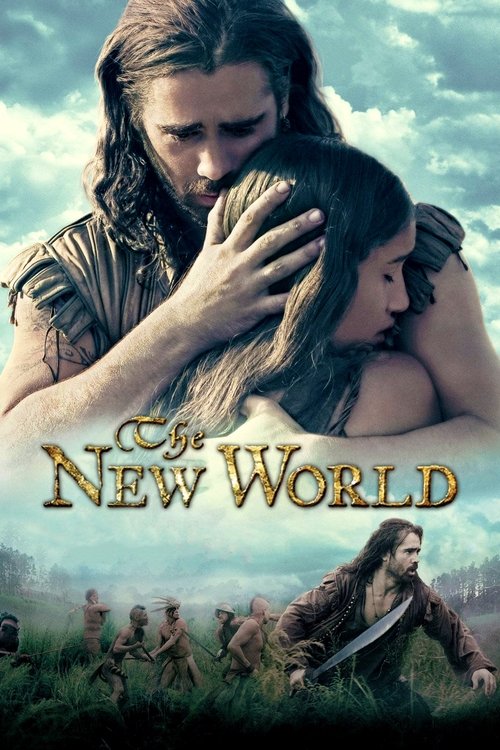
…in Malick’s majestic Pocahontas riff, The New World, he turned the settl…
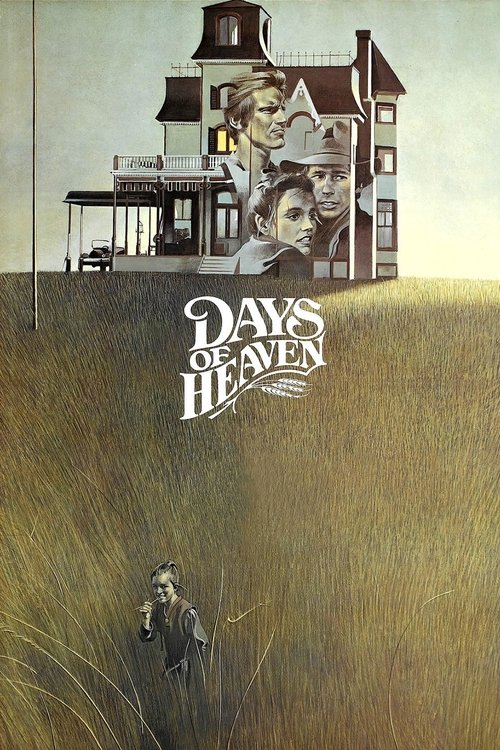
These moments of serenity act as punctuation for the otherwise drab and brutal brown palettes reminiscent of McCabe and Mrs. Miller or, in its more lyrical moments, Days of Heaven (some of the movie was even filmed in Terence Malick's childhood hometown of Bartlesville).
Scorsese begins the film as an ‘End of the West’ western, somewhere between Terrence Malick’s Days of Heaven and George Stevens’ Giant. White America is a criminal enterprise and Hale’s activities are just a more brutal version of that: a criminal enterprise on top of a criminal enterprise.
Advertisement
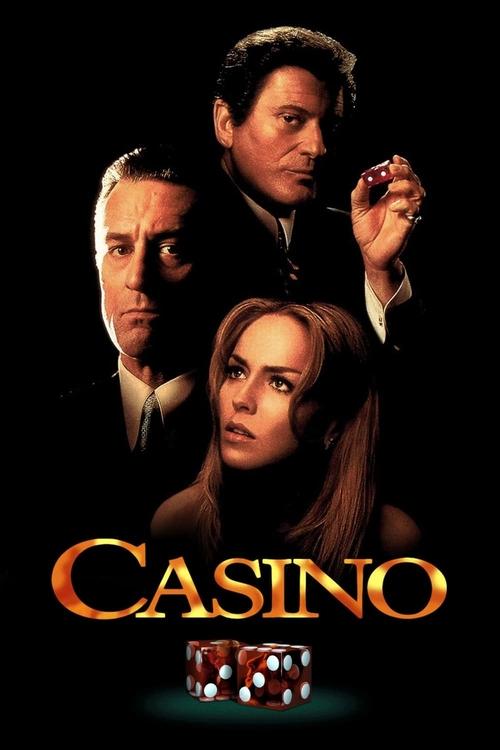
At the very least, it resonates within a context of Scorsese's own: as De Niro's puckered Hale plots the destruction of the same Osage Nation families who saw him as a benevolent intermediary to white America, you might hear echoes (or pre-cursors) of the same disassociation that coursed through the likes of “Casino” and “The Wolf of Wall Street.”
So many of Scorsese's movies have ended on a gut punch: films like Gangs of New York and Casino take us inside the fiercely beating heart of the past, only to end by showing us history being unceremoniously flattened over and forgotten by the future, while movies like The Wolf of Wall Street leave us with ironic, depressing reminders that the bad guys don't always lose.
Scorsese's still urgent, still angry – the film's jabs of violence are as blood curdling as anything in Taxi Driver or Casino – and still driven by his deep-seated sense of morality and justice.
Still, at its core, according to Scorsese, this is a love story centered on Mollie's disastrous relationship with Ernest, making it one more of his perverse romantic couplings or folies a deux, as seen in films ranging from Taxi Driver (1976) to New York, New York (1977), from Raging Bull (1980) to Casino (1995).
Goodfellas, Casino, even The Wolf of Wall Street don’t deploy brutality and bloodshed to simply entertain, but deploy them in a flashy manner precisely to leave us in a complicated emotional state—what if we look past the glitzy, dynamic pop filmmaking and think about the reality of what we’ve seen?
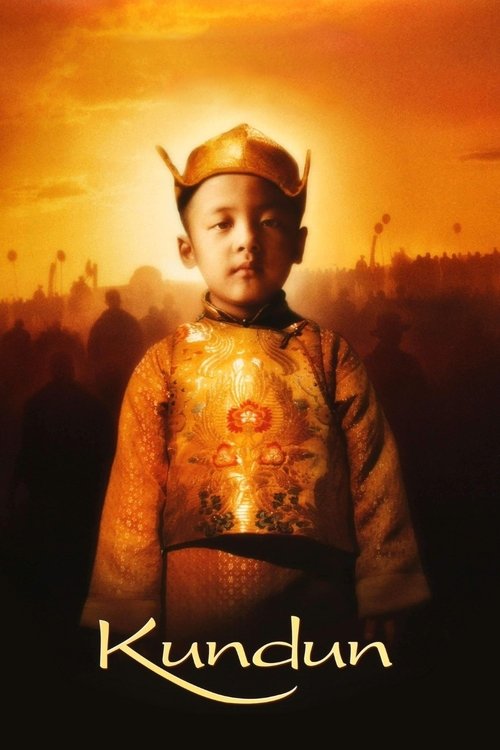
In its fascination with religious and cultural tradition, and respect for the members of communities of faith, the film exists in the tradition of Kundun and Silence, but the tragic romance at the heart of this film is something unique in Scorsese's filmography.
Yet, if we think of Scorsese's films as alternating between violent urban stories often about gangs or lawlessness and other stories about other things, in which violence sometimes but not always plays a part – Silence (2016), Kundun (1997), The Age Of Innocence (1993) – Killers Of The Flower Moon, in essence a sprawling, true crime drama about lawlessness, seems somehow to belong in the ‘other' films category.
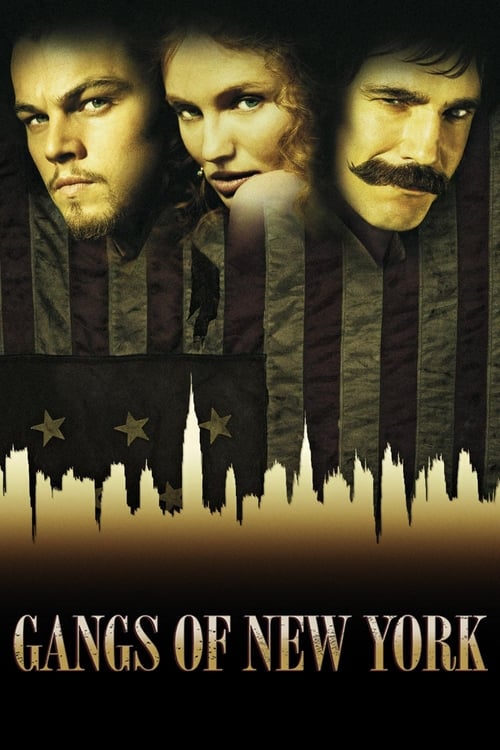
So many of Scorsese's movies have ended on a gut punch: films like Gangs of New York and Casino take us inside the fiercely beating heart of the past, only to end by showing us history being unceremoniously flattened over and forgotten by the future, while movies like The Wolf of Wall Street leave us with ironic, depressing reminders that the bad guys don't always lose.
It’s a thematically complex and visually rich epic that plays in a similar sandbox as Scorsese films including Goodfellas, Gangs of New York, The Departed and The Irishman.
In his other films with Scorsese, DiCaprio has toggled between playing watchful, furtive stowaways (Gangs of New York, The Departed) and flamboyant visionaries (The Aviator, The Wolf of Wall Street).
In Martin Scorsese’s 2002 film Gangs of New York, America was born on the streets. In his new one, Killers of the Flower Moon, it dies a slow death out there on the prairie.
As in his earlier period dramas, like The Age of Innocence and Gangs of New York, Scorsese brings a highly specific bygone era to vivid life.
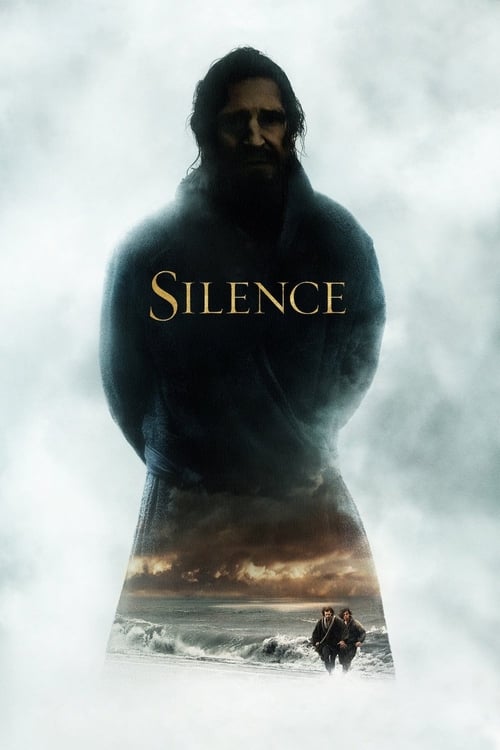
In its fascination with religious and cultural tradition, and respect for the members of communities of faith, the film exists in the tradition of Kundun and Silence, but the tragic romance at the heart of this film is something unique in Scorsese's filmography.
Yet, if we think of Scorsese's films as alternating between violent urban stories often about gangs or lawlessness and other stories about other things, in which violence sometimes but not always plays a part – Silence (2016), Kundun (1997), The Age Of Innocence (1993) – Killers Of The Flower Moon, in essence a sprawling, true crime drama about lawlessness, seems somehow to belong in the ‘other' films category.
The dialogue-heavy screenplay marks Scorsese's first since Silence, penned alongside Eric Roth––the brilliant screenwriter most notably behind The Insider, more popularly Forrest Gump and Dune.
Some scenes have a propulsive energy, but the film is often as solemn and ruminative as Silence, Scorsese’s whispery epic about extreme faith.
His last three narrative films The Wolf of Wall Street (2013), Silence (2016), and The Irishman (2019) being among his best work in my opinion.

As in his earlier period dramas, like The Age of Innocence and Gangs of New York, Scorsese brings a highly specific bygone era to vivid life.
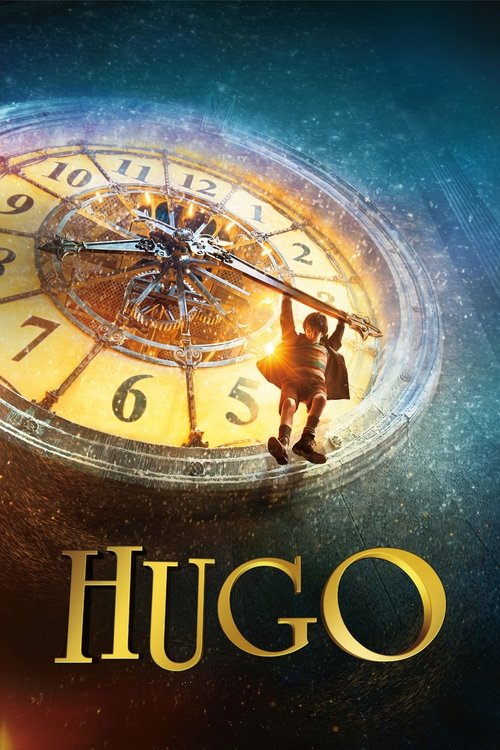
In epic crime film Killers of the Flower Moon, he creates possibly his most straightforward story structure since since 2011's Hugo by recounting seemingly every moment of a slow-rolling atrocity.
With “Killers of the Flower Moon” Scorsese adds to an already astonishing list of exceptional films, a remarkably wide-ranging lot that extends from the charm of a “Hugo” to the brutality of a “Taxi Driver.”

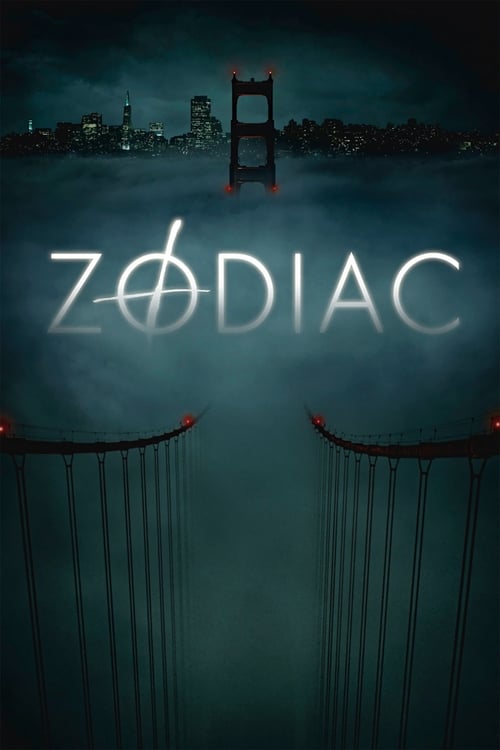
You could easily say the same of Martin Scorsese’s Killers of the Flower Moon, which, like Zodiac, tells an immersive, sprawling true crime tale using a strong ensemble of actors, set in a very specific location (in this case 1920s Oklahoma).
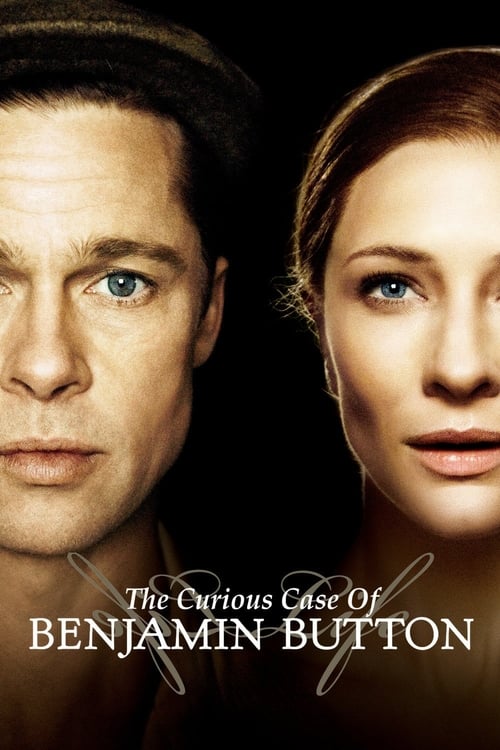
Roth, a tour de force in screenplay adaptations (see also: Forrest Gump, The Curious Case of Benjamin Button and Dune), assists in revealing the ouroboros of exploitation that goes on vis-à-vis the handling of the stories of the marginalized, with the audience watching Killers of the Flower Moon in the theater contributing to that endless cycle.