
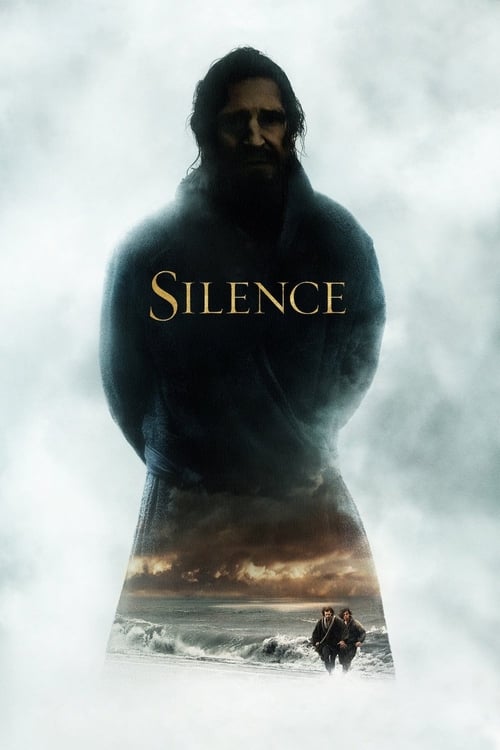
Silence (2016)
Directed by Martin Scorsese
In the 17th century, two Portuguese Jesuit priests travel to Japan in an attempt to locate their mentor, who is rumored to have committed apostasy, and to propagate Catholicism.
50 connections found
View:
50 films that influenced Silence
What critics say influenced Silence
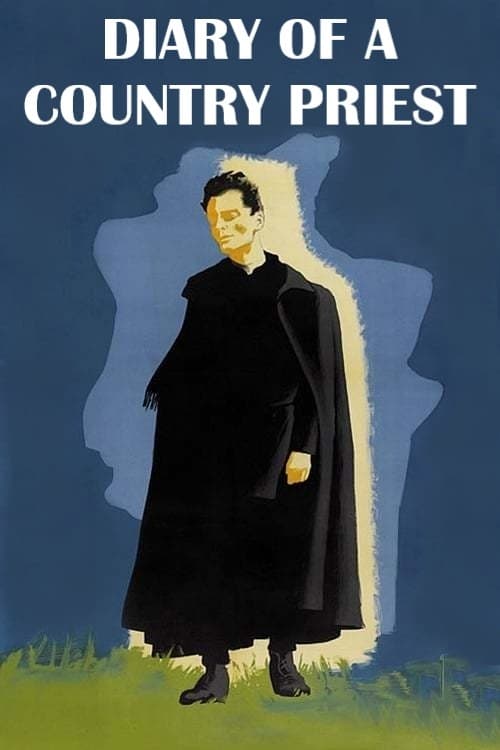


Agony by agony, Silence imitates the classic films about religious intolerance and spiritual doubt: Father Rodrigues and Father Garupe hide in tall ferns from avenging warlords, evoking Sternberg’s Anatahan (1953); their witnessing of enslavement recollects Mizoguchi’s Sansho the Bailiff (1954); their surprise at the Japanese converts’ devotion recalls Borzage’s The Big Fisherman (1959); Rodrigues’s questioning by a devious old samurai (Issey Ogata) is a twist on Bresson’s Diary of a Country Priest (1951); a recurring Judas figure representing abject mankind brings to mind Buñuel’s Simon of the Desert (1965); an icon of enduring faith references Bertolucci’s The Last Emperor (1987); even Neeson’s appearance unfortunately brings to mind Batman Begins (2005).
And yet the assumption that a film of deep religious feeling has to resemble a long slog is contradicted by the movies, some of which Scorsese references (such as Robert Bresson’s “Diary of a Country Priest”), that came fully alive onscreen at their moments of greatest spiritual intensity .
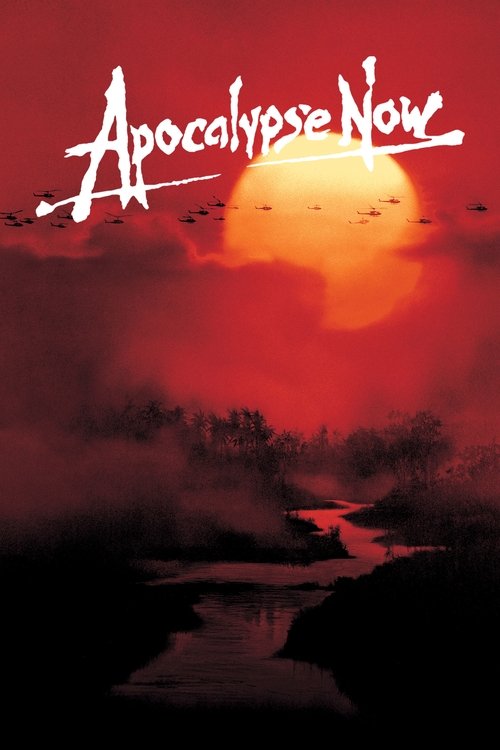
If “Apocalypse Now” was a modern twist on “Heart of Darkness,” then “Silence” could fairly be viewed as Scorsese’s own take on that paradigm.
Even as Rodrigues languishes in an outdoor prison—there’s a strong whiff of Apocalypse Now—Scorsese’s pear-shaped screenplay (well streamlined by Jay Cocks) foregrounds unusual internal battles: the purring Japanese inquisitor, Inoue (The Sun’s extraordinarily weird Issey Ogata), who sees in his captive a man worth psychologically snapping instead of martyring; and the weak local boatman, Kichijiro (Yôsuke Kubozuka), who pesters Rodrigues for an absolution he doesn’t deserve.
But here he goes, diving deep into the Jesuit world, following two young Portuguese priests (Andrew Garfield and Adam Driver) who—Apocalypse Now–like—head to Japan to find their missing spiritual mentor (Liam Neeson).
Their quest may have earned comparison to Conrad’s Heart of Darkness, and along with that Coppola’s Apocalypse Now, but it’s a pale equation.
In a journey with echoes of both “Apocalypse Now” and “The Mission,” the two priests are smuggled into rural Japan by an untrustworthy guide named Kichijiro (Yosuke Kubozuka).
The plot will be familiar to anyone who has seen “Apocalypse Now” or read Joseph Conrad: Two young, Portuguese Jesuits — Sebastião Rodrigues (a surprisingly good Andrew Garfield and his even better hair) and Francisco Garrpe (a skeletal Adam Driver) — head to Japan to find their mentor, Father Cristóvão Ferreira (Liam Neeson).
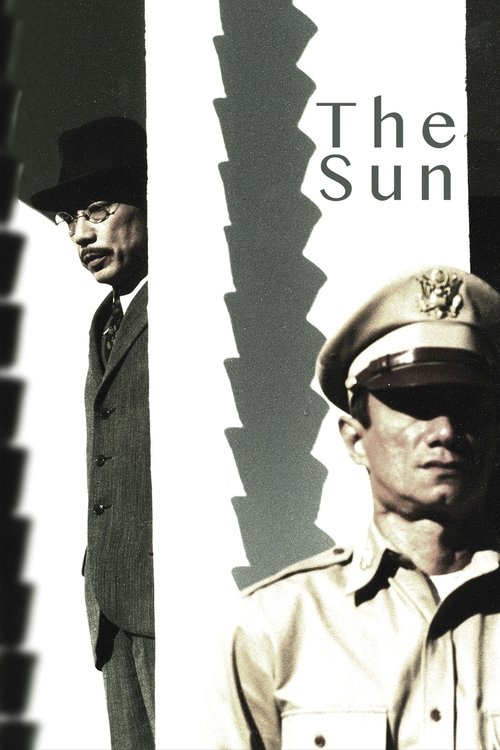
Exciting, stimulating, and thoughtful, this part of the film is enlivened by an energetic, wily performance by Issey Ogata (Alexander Sokurov’s The Sun) as the government’s inquisitor, who is in charge of forcing Christians to renounce their religion.
There’s a certain poetry in having Ogata, who so brilliantly portrayed Emperor Hirohito in Aleksandr Sokurov’s The Sun, play a man whose aim is the renunciation of divinity, and Inoue is one of the great cinematic devil’s advocates in recent memory precisely because the film doesn’t present his arguments as devilry.
It's a sometimes unsettling balance: Ogata is something of a Japanese thespian legend – he played Emperor Hirohito in Alexander Sokurov 's The Sun, too– who’s as much famed as a comedian, and he manages occasionally disarming comic effects here.
Even viewers who recognize Ogata from Edward Yang’s “Yi Yi” and Alexander Sokurov’s “The Sun” will be unprepared for the bracing dose of camp he injects into these severe proceedings, with his mock formality and an unnervingly high vocal pitch that suggests a Nipponese Mr. Woodchuck.
Ogata made for a memorably eccentric Hirohito in the Alexander Sokurov film "The Sun" and if he weren't in "Silence," well, "Silence" would be even more daunting and difficult than it is.
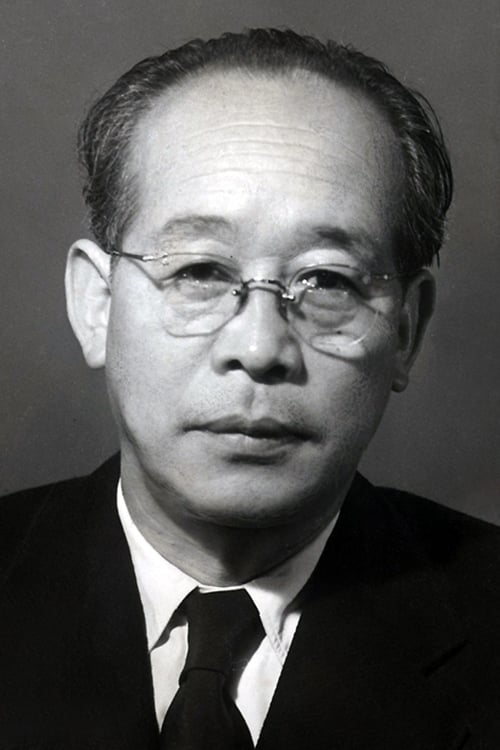
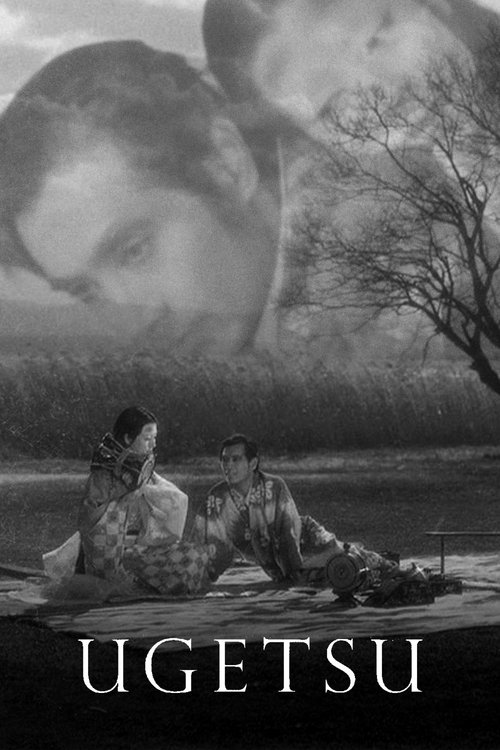
At times the director seems to channel the stark, meditative gaze of Carl Theodor Dreyer, Robert Bresson and other saints of European cinema, as well as the ghostly poetry of such Japanese classics as Kenji Mizoguchi’s “Ugetsu.”
Those with even a passing familiarity can readily detect their influences — nighttime scenes on the water recall Ugetsu ; an extended imprisonment brings to mind Merry Christmas Mr. Lawrence , with connecting scenes whose setting and head-on approach are remarkably akin to Mifune’s testimony in Rashomon ; shot-reverse conversations with something of Ozu’s sensibilities; etc — but Silence ‘s protein can really only be found in how its team conduct on a more minute, more demanding (speaking for creator and receiver) basis.
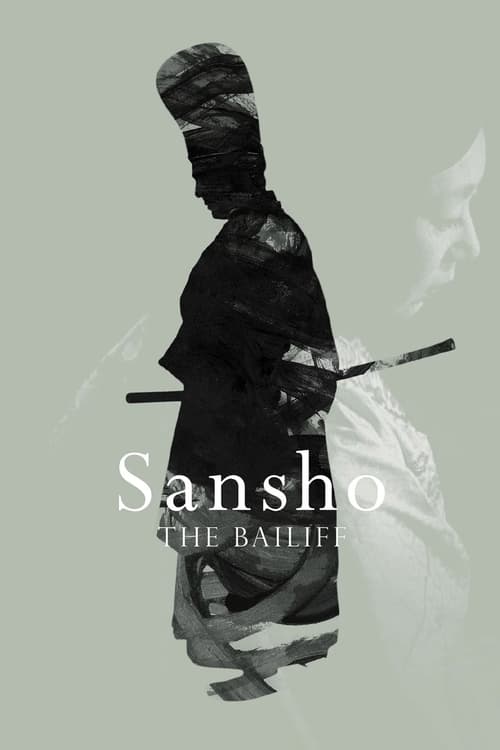
Agony by agony, Silence imitates the classic films about religious intolerance and spiritual doubt: Father Rodrigues and Father Garupe hide in tall ferns from avenging warlords, evoking Sternberg’s Anatahan (1953); their witnessing of enslavement recollects Mizoguchi’s Sansho the Bailiff (1954); their surprise at the Japanese converts’ devotion recalls Borzage’s The Big Fisherman (1959); Rodrigues’s questioning by a devious old samurai (Issey Ogata) is a twist on Bresson’s Diary of a Country Priest (1951); a recurring Judas figure representing abject mankind brings to mind Buñuel’s Simon of the Desert (1965); an icon of enduring faith references Bertolucci’s The Last Emperor (1987); even Neeson’s appearance unfortunately brings to mind Batman Begins (2005).
Advertisement
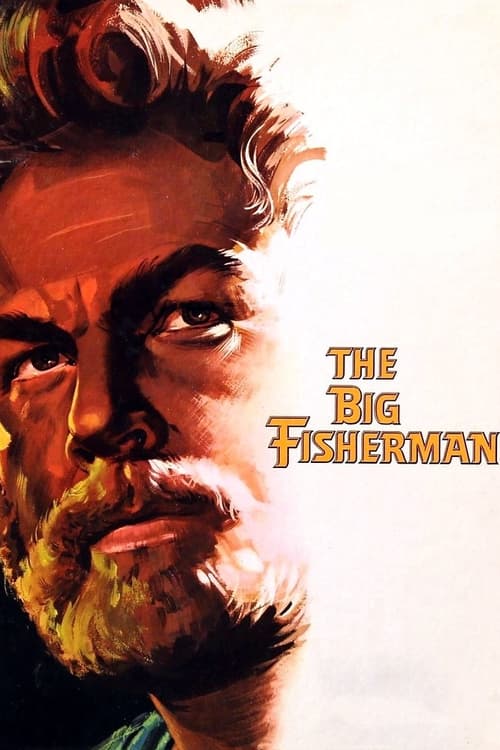
Agony by agony, Silence imitates the classic films about religious intolerance and spiritual doubt: Father Rodrigues and Father Garupe hide in tall ferns from avenging warlords, evoking Sternberg’s Anatahan (1953); their witnessing of enslavement recollects Mizoguchi’s Sansho the Bailiff (1954); their surprise at the Japanese converts’ devotion recalls Borzage’s The Big Fisherman (1959); Rodrigues’s questioning by a devious old samurai (Issey Ogata) is a twist on Bresson’s Diary of a Country Priest (1951); a recurring Judas figure representing abject mankind brings to mind Buñuel’s Simon of the Desert (1965); an icon of enduring faith references Bertolucci’s The Last Emperor (1987); even Neeson’s appearance unfortunately brings to mind Batman Begins (2005).
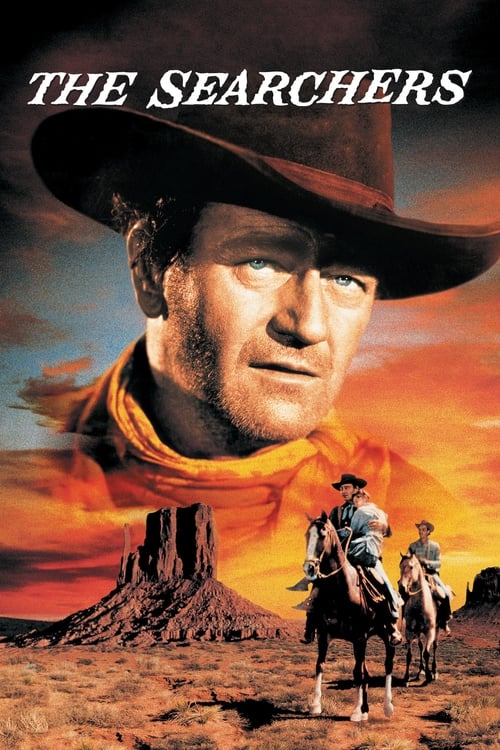
Scorsese has never made a Western, but “Silence” is the closest thing to it—it’s his version of John Ford’s “The Searchers.”
On paper, then, you could be forgiven for thinking that Fathers Rodrigues and Garupe’s quest resembles the plot of The Searchers – or perhaps even Apocalypse Now, as the myths around Ferreira shift and grow.
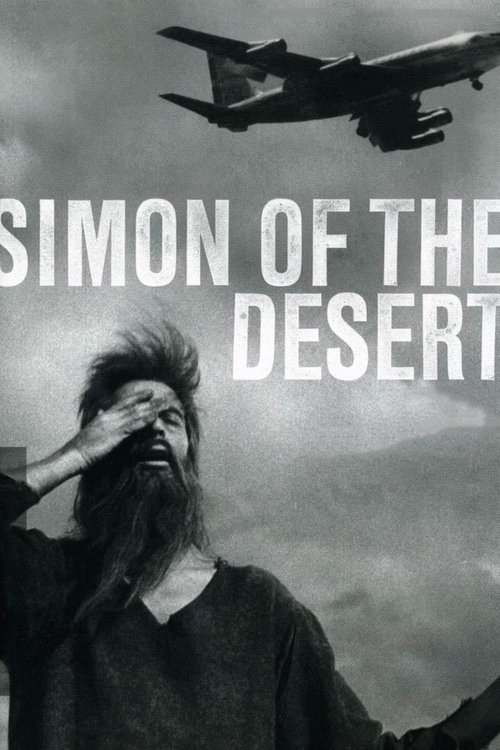
Agony by agony, Silence imitates the classic films about religious intolerance and spiritual doubt: Father Rodrigues and Father Garupe hide in tall ferns from avenging warlords, evoking Sternberg’s Anatahan (1953); their witnessing of enslavement recollects Mizoguchi’s Sansho the Bailiff (1954); their surprise at the Japanese converts’ devotion recalls Borzage’s The Big Fisherman (1959); Rodrigues’s questioning by a devious old samurai (Issey Ogata) is a twist on Bresson’s Diary of a Country Priest (1951); a recurring Judas figure representing abject mankind brings to mind Buñuel’s Simon of the Desert (1965); an icon of enduring faith references Bertolucci’s The Last Emperor (1987); even Neeson’s appearance unfortunately brings to mind Batman Begins (2005).
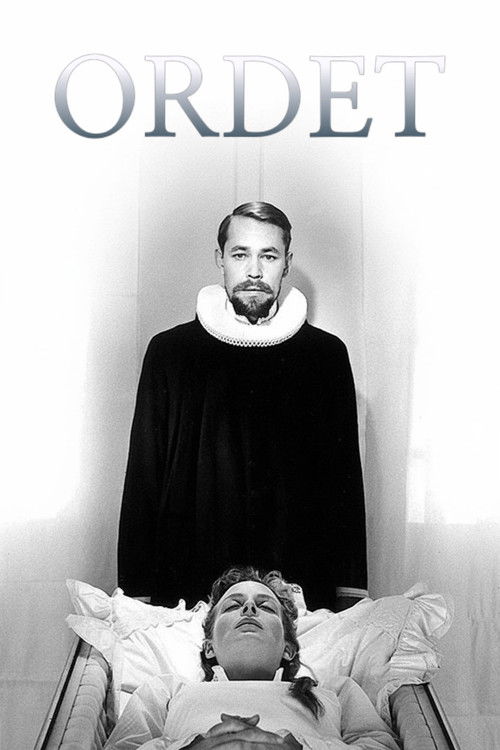
Despite this paradox, in the history of cinema, there have been many great films about Christian faith — though not nearly enough: Carl Theodor Dreyer’s “Ordet,” Robert Bresson’s “The Diary of a Country Priest,” Jean-Pierre Melville’s “Léon Morin, Priest.”
Advertisement
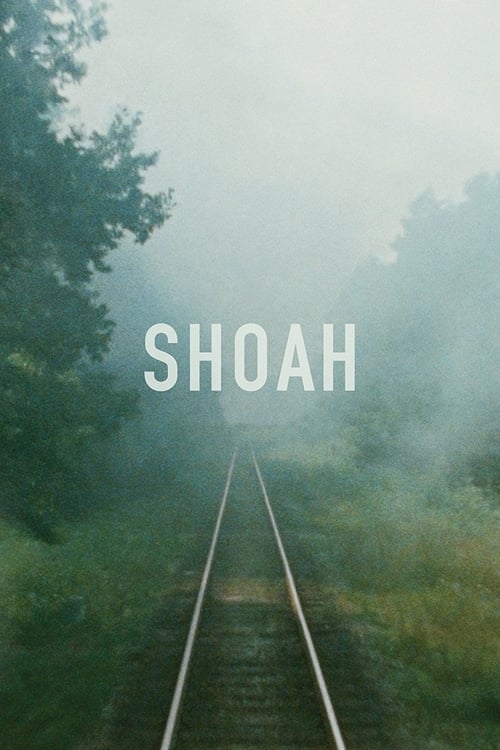
What’s more, when a Japanese Christian greets Rodrigues by making the sign of the cross, he does it close to his neck, so that it looks rather like the miming of a throat-slitting—a gesture distinctly reminiscent of a moment in Claude Lanzmann’s “Shoah.”
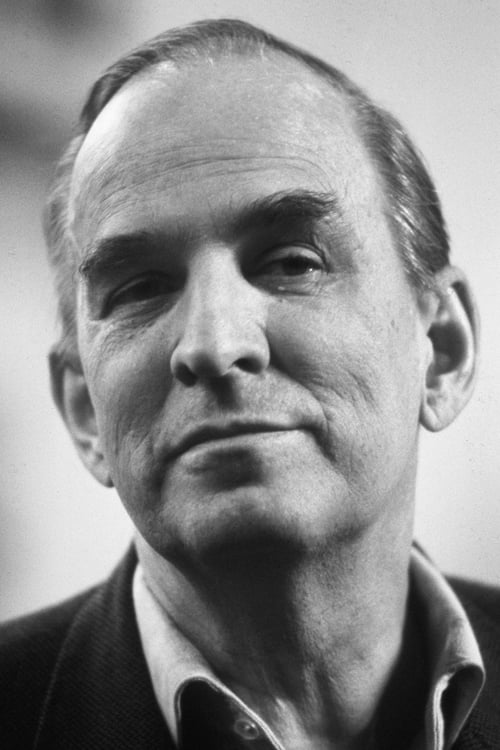

Silence takes a juvenile approach to what Ingmar Bergman already explored in his Sixties “Silence of God” trilogy: Through a Glass Darkly (1961), Winter Light (1963), and The Silence (1963).
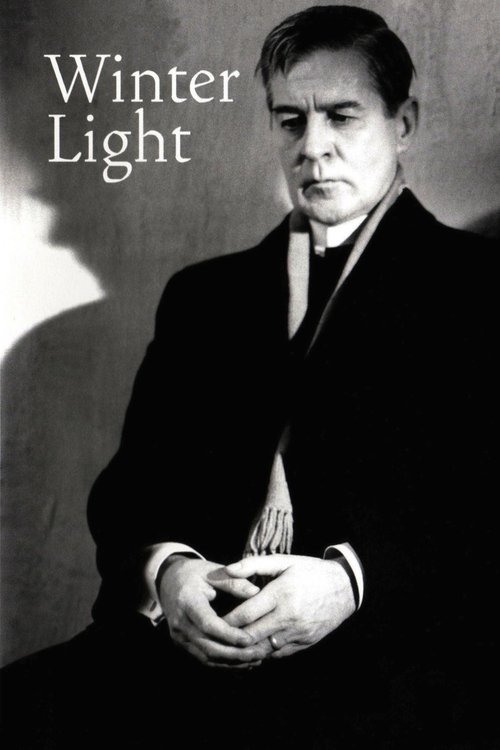
Silence takes a juvenile approach to what Ingmar Bergman already explored in his Sixties “Silence of God” trilogy: Through a Glass Darkly (1961), Winter Light (1963), and The Silence (1963).
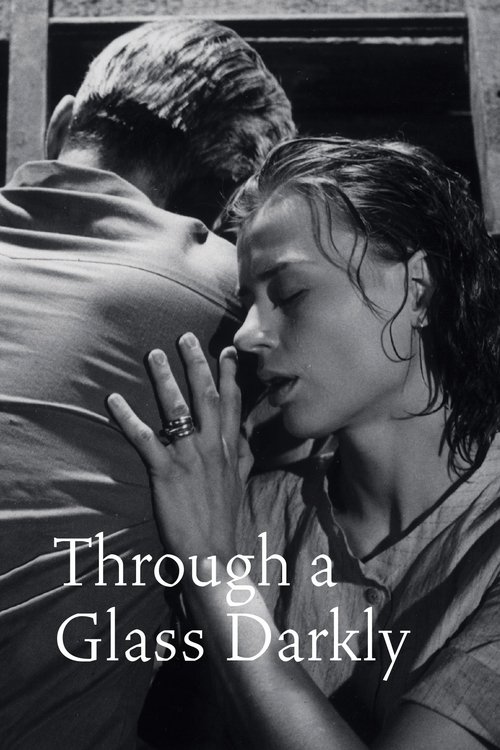
Silence takes a juvenile approach to what Ingmar Bergman already explored in his Sixties “Silence of God” trilogy: Through a Glass Darkly (1961), Winter Light (1963), and The Silence (1963).
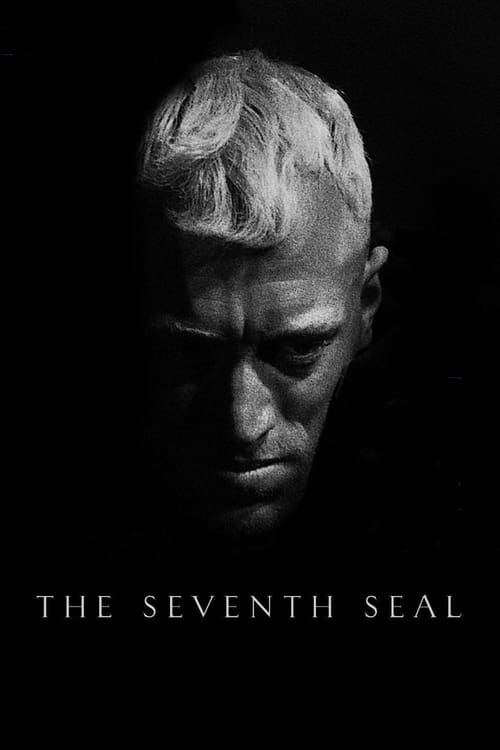
Like Ingmar Bergman’s The Seventh Seal , the title suggests the silence of heaven in the face of suffering and evil.