
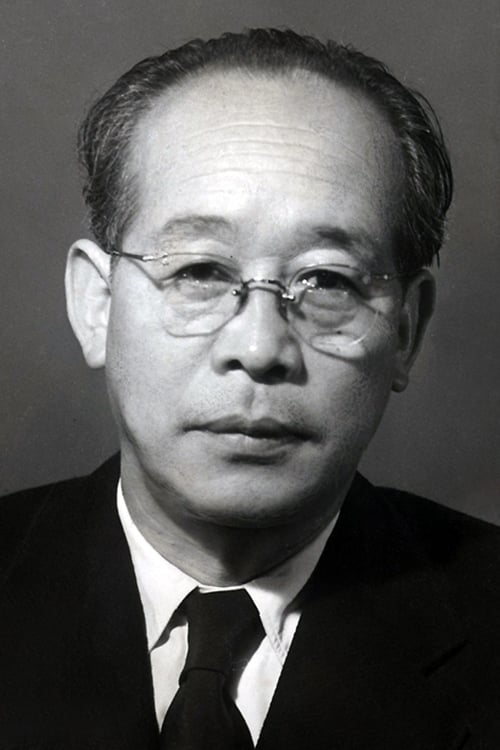
Kenji Mizoguchi
4 connections found
Filmography
View:
Connections, in both directions
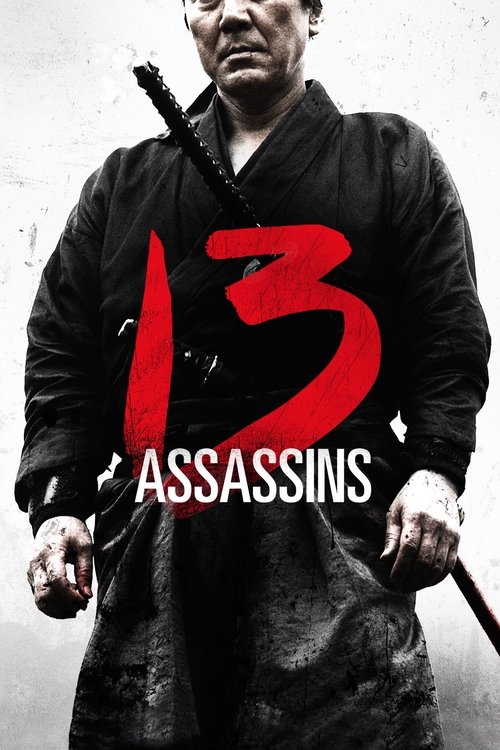


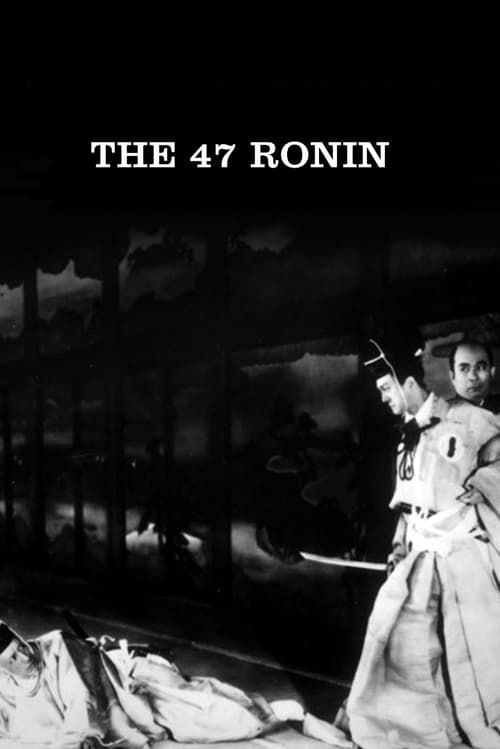
Visually and narratively, 13 Assassins reflects back to films at least as far apart in time and disparate in tone and theme as Mizoguchi Kenji's 1941 The 47 Ronin and Kobayashi Masaki's 1962 Harakiri (which Miike remade immediately following this film - redundantly, given how much Kobayashi influence there would appear to be in every inch of 13 Assassins).
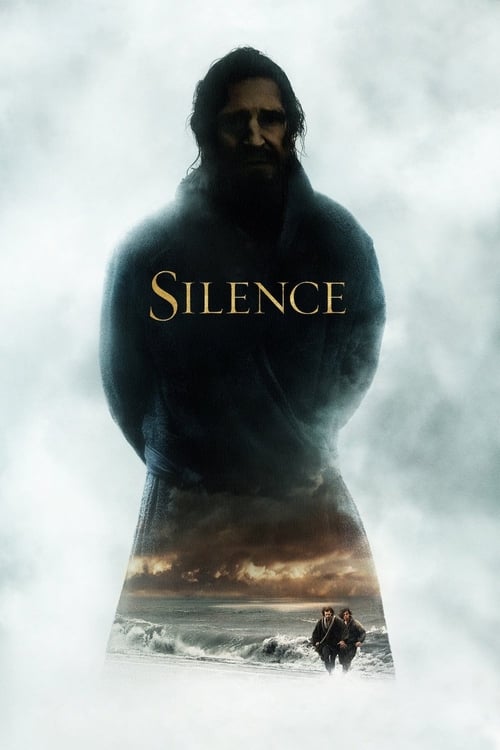
Silence (2016)
Directed by Martin Scorsese
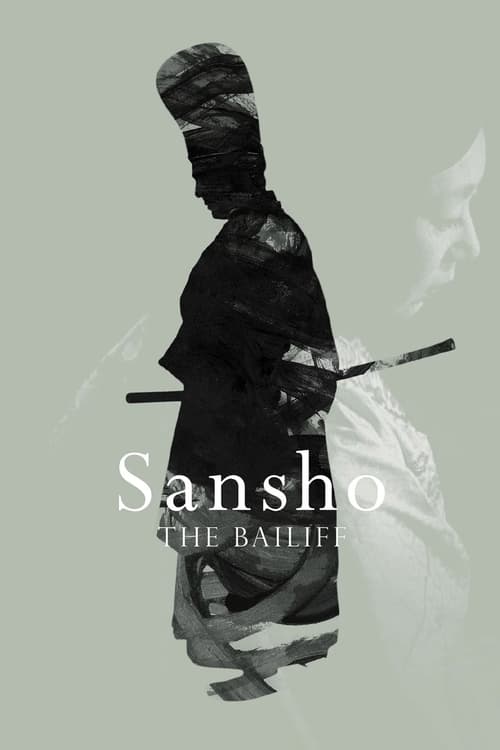
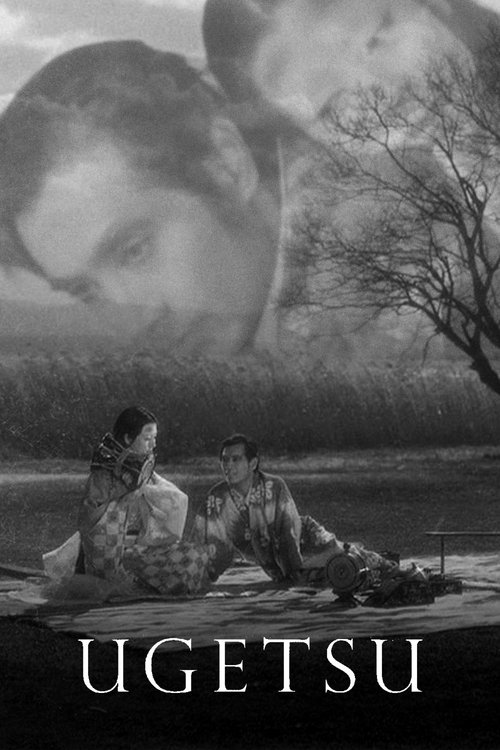
influenced by Ugetsu (1953), Sansho the Bailiff (1954)
Visuals Plot
At times the director seems to channel the stark, meditative gaze of Carl Theodor Dreyer, Robert Bresson and other saints of European cinema, as well as the ghostly poetry of such Japanese classics as Kenji Mizoguchi’s “Ugetsu.”
Those with even a passing familiarity can readily detect their influences — nighttime scenes on the water recall Ugetsu ; an extended imprisonment brings to mind Merry Christmas Mr. Lawrence , with connecting scenes whose setting and head-on approach are remarkably akin to Mifune’s testimony in Rashomon ; shot-reverse conversations with something of Ozu’s sensibilities; etc — but Silence ‘s protein can really only be found in how its team conduct on a more minute, more demanding (speaking for creator and receiver) basis.
Agony by agony, Silence imitates the classic films about religious intolerance and spiritual doubt: Father Rodrigues and Father Garupe hide in tall ferns from avenging warlords, evoking Sternberg’s Anatahan (1953); their witnessing of enslavement recollects Mizoguchi’s Sansho the Bailiff (1954); their surprise at the Japanese converts’ devotion recalls Borzage’s The Big Fisherman (1959); Rodrigues’s questioning by a devious old samurai (Issey Ogata) is a twist on Bresson’s Diary of a Country Priest (1951); a recurring Judas figure representing abject mankind brings to mind Buñuel’s Simon of the Desert (1965); an icon of enduring faith references Bertolucci’s The Last Emperor (1987); even Neeson’s appearance unfortunately brings to mind Batman Begins (2005).
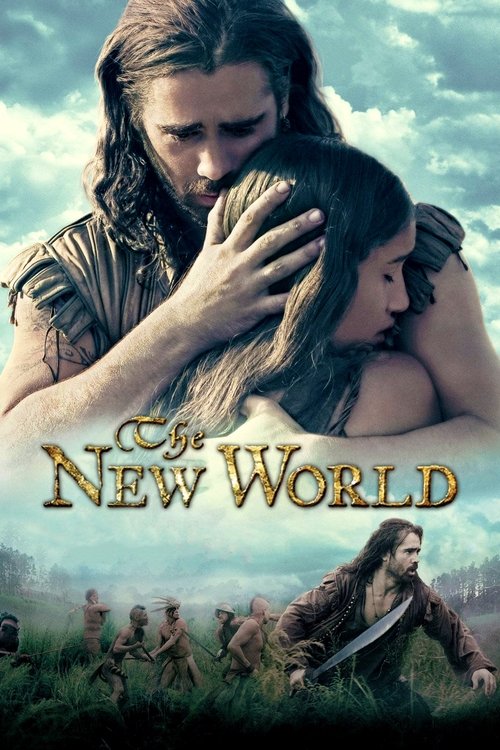
A reunion between her and Smith is arranged, and the flood of feeling, overwhelming yet rigorously kept in check, reminds viewers that Mizoguchi's Sansho the Bailiff is Malick's favorite picture.
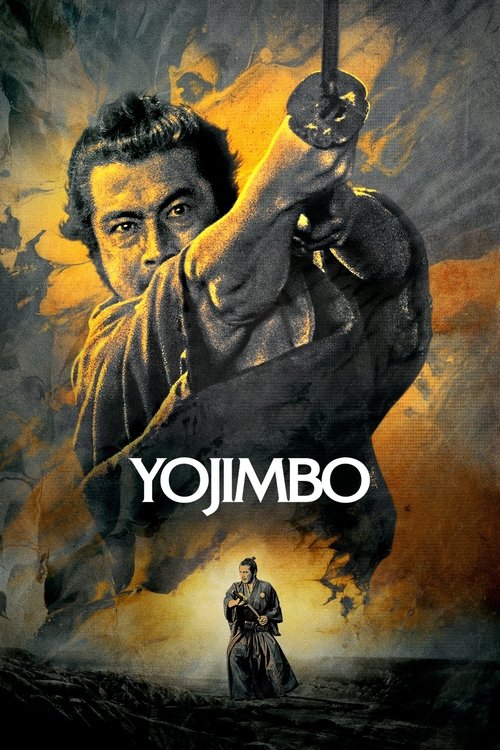
Richie believes "Yojimbo" is the best-photographed of Kurosawa's films (by Kazuo Miyagawa , who also shot " Rashomon " and such other Japanese classics as Ozu's " Floating Weeds " and Mizoguchi's " Ugetsu ").