
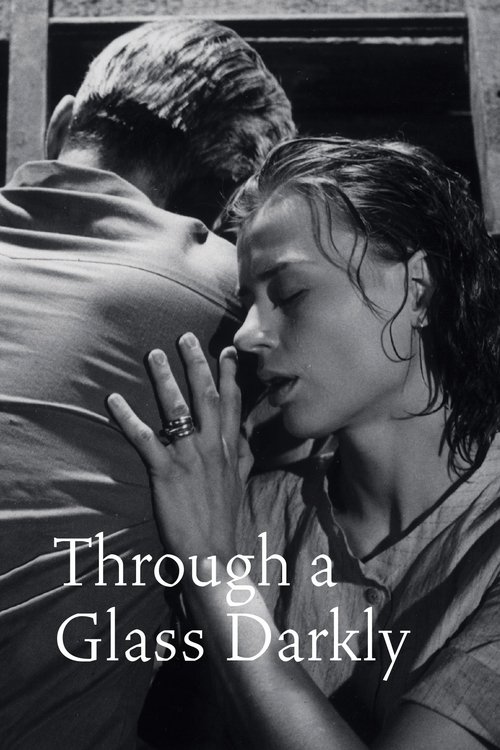
Through a Glass Darkly (1961)
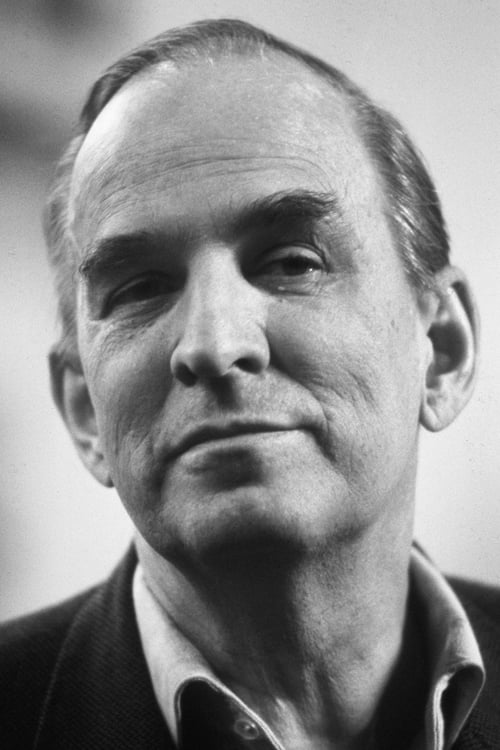
Directed by Ingmar Bergman
Karin hopes to recover from her recent stay at a mental hospital by spending the summer at her family's cottage on a tiny island. Her husband, Martin, cares for her but is frustrated by her physical withdrawal. Her younger brother, Minus, is confused by Karin's vulnerability and his own budding sexuality. Their father, David, cannot overcome his haughty remoteness. Beset by visions, Karin descends further into madness.
8 connections found
View:
8 connections, in both directions
What critics compared Through a Glass Darkly to



The first feature that he made there, “Through a Glass Darkly” (1961), creeps into Eggers’s movie in its shape, its tonal spectrum, and its fixation on delirium and neurosis.
If you want a proper spiritual tussle, try “ Through a Glass Darkly ” (1961), in which Ingmar Bergman, the son of a Lutheran pastor, tells of another young woman with a collapsing mind and a twitching dread of the divine.
Silence takes a juvenile approach to what Ingmar Bergman already explored in his Sixties “Silence of God” trilogy: Through a Glass Darkly (1961), Winter Light (1963), and The Silence (1963).

This shocking erotic portrayal of an emotional conflict between sisters concludes on a more body functional note from the other more high-minded spiritual films in the trilogy, about the silence of God, that Ingmar Bergman began with "Through a Glass Darkly" and "Winter Light."
The trilogy Bergman began with 1961's tragically focused Through a Glass Darkly was certainly front-loaded with its best entry; 1962's Winter Light has integrity but revisits well-worn Bergman themes of religious skepticism and existential isolation, and The Silence, which debuted in 1963, barely assembles itself into a coherent remark upon anything.
The trilogy comprises Through a Glass Darkly, Winter Light, and The Silence.
DVD Details: For this Ingmar Bergman box set, the Criterion Collection has gorgeously restored this and two other black-and-white films (Through a Glass Darkly and Winter Light) in their full-screen aspect ratios.
DVD Details: For this Ingmar Bergman box set, the Criterion Collection has gorgeously restored this and two other black-and-white films (The Silence and Winter Light) in their full-screen aspect ratios.
The film ushers in Bergman’s most austere period, and is the first of a loosely defined trilogy of films on the subject of God—the others being Winter Light (1962) and The Silence (1963).
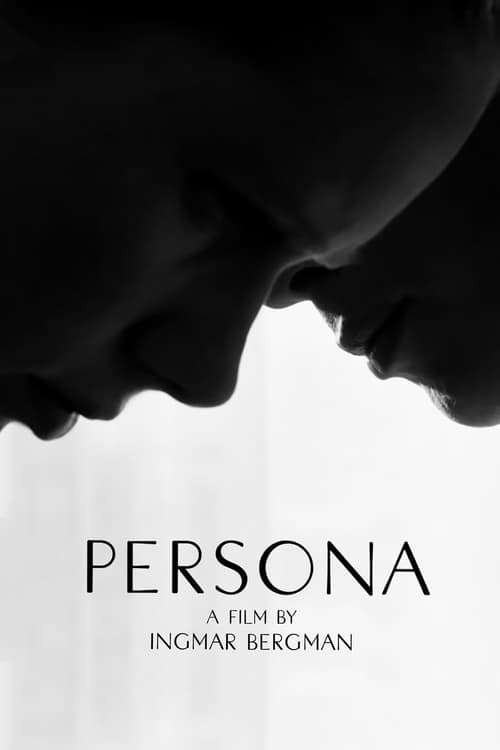
Instead, Bergman spent the early part of the 1960s burrowing deeper into the soul with his “God’s Silence” trilogy—1961’s Through A Glass Darkly and two in 1963, Winter Light and The Silence—and refining a stark yet often piercingly dramatic black-and-white style that married spiritual inquiry with formal asceticism.
Advertisement

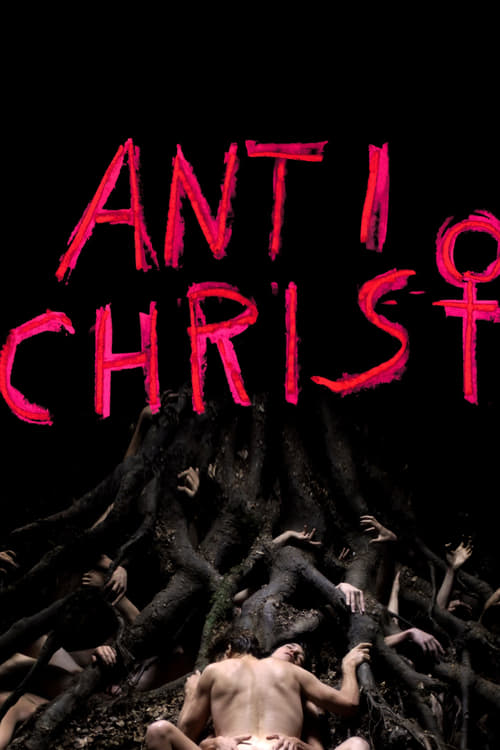
For much of its length Antichrist is a compelling Bergman-esque marital psychodrama with the male figure articulating secular-humanist Reason struggling for power over a female embodying Emotion and Intuition, with some scenes playing like a remake of Through a Glass Darkly.
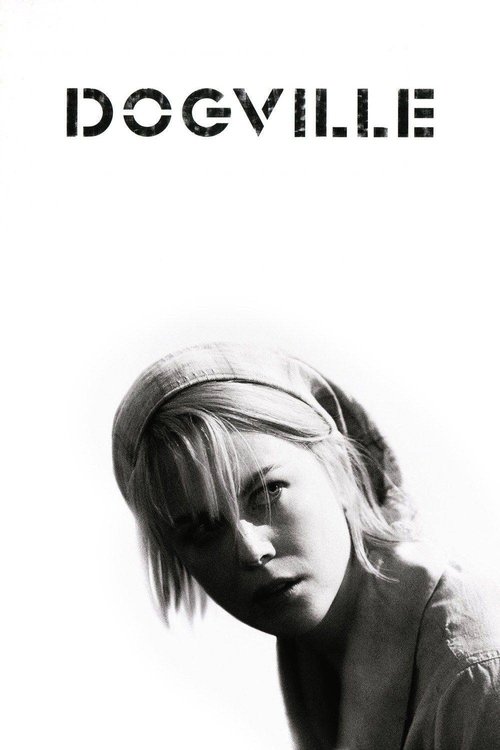
Merely putting Lauren Bacall, sophisticated siren of Hawks’s To Have and Have Not and The Big Sleep, in the same frame with Harriet Andersson, the emblem of spiritual and mental corrosion in Bergman’s Through a Glass Darkly and Cries and Whispers, is to set off a chain of associations that form another deep layer of subtext in an already awesomely multileveled work.

A tasteless wallpaper pattern will tend to do that; it drove Charlotte Perkins Gilman to madness with its nursury "rings and things;" lurking behind it the patriarchal oppression of artistic little girls past?as with Igmar Bergman's Through a Glass Darkly and Cries and Whispers.