
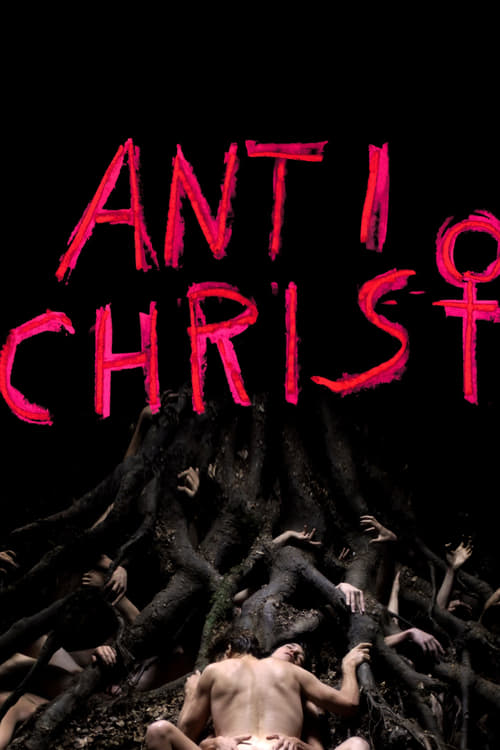
Antichrist (2009)
Directed by Lars von Trier
A grieving couple retreats to their cabin 'Eden' in the woods, hoping to repair their broken hearts and troubled marriage. But nature takes its course and things go from bad to worse.
50 connections found
View:
50 films that influenced Antichrist
What critics say influenced Antichrist
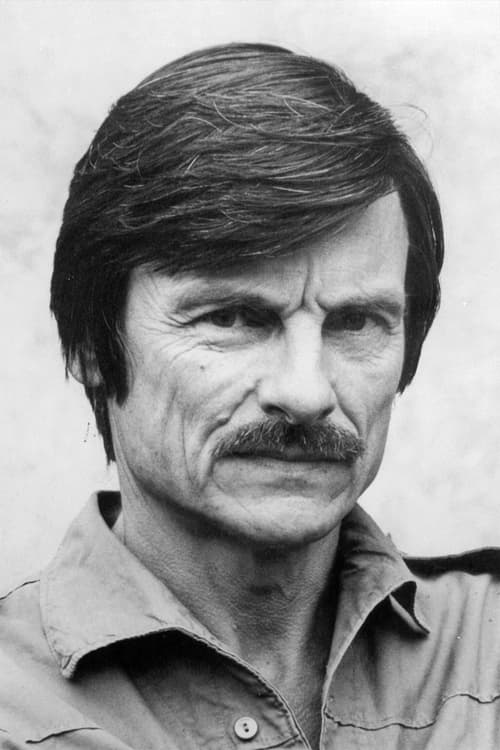
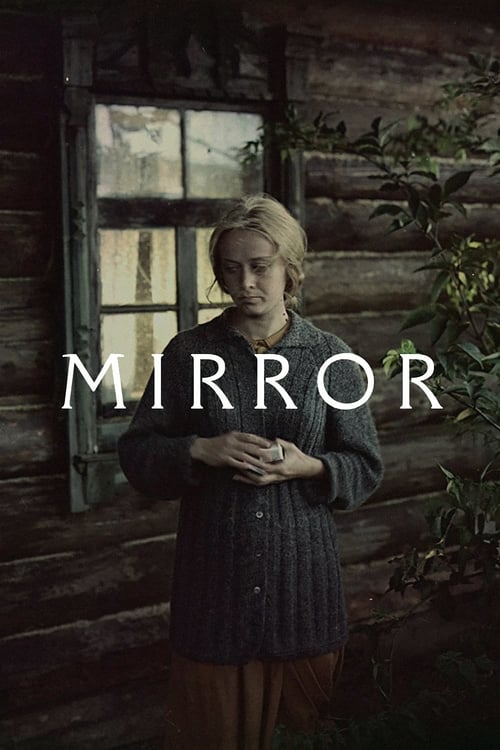


Von Trier's imagery recalls the great Russian director Andrei Tarkovsky's The Mirror and Sacrifice, especially with the cabin and woods that pulse with earthy tones of green and brown.
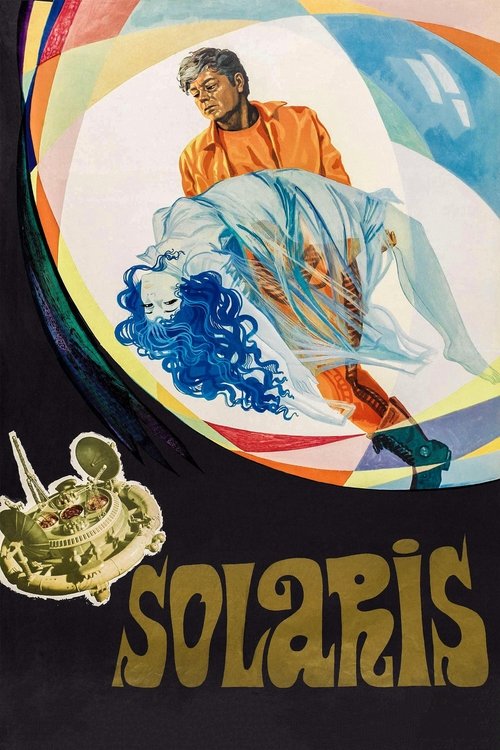
The original script was written by Fridrikh Gorenshtein (the screenwriter of Andrei Tarkovsky’s Solaris) and it was laughably awful—or maybe just badly translated.

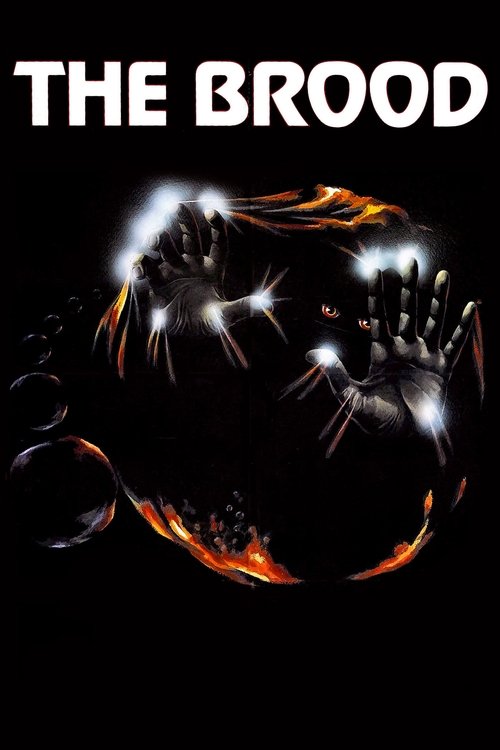
David Cronenberg explored a similar theme in The Brood, in which a male psychiatrist’s est-like exhortation to a woman to ?go all the way through?
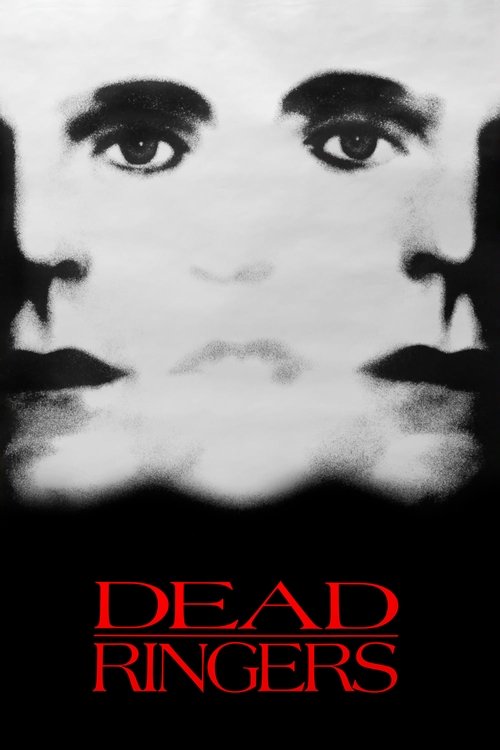
The themes, cinematic devices and underlying darkness of this extraordinary work reflect the best films from the likes of David Lynch and David Cronenberg (whose films Crash, 1996, and Dead Ringers, 1988, share a blood-soaked vision of sexuality-by-way-of-pain with Antichrist).

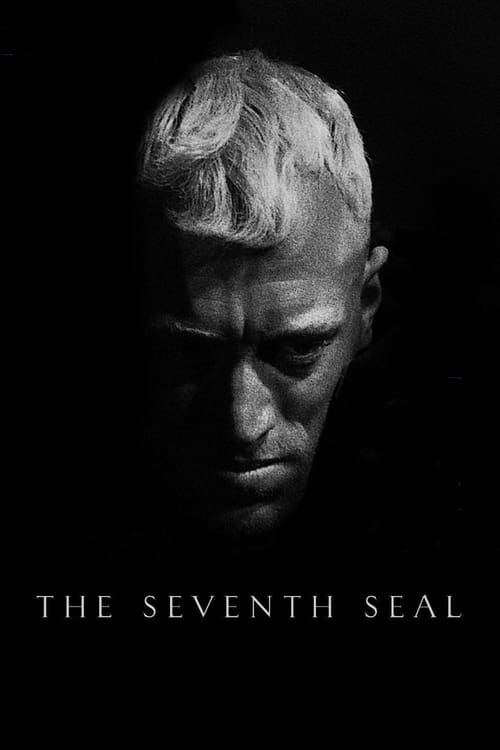
The actors deliver a visceral and bughouse-intense variation on Ingmar Bergman marriage-is-hell psychodramas, even as von Trier evokes the haunted quality of Bergman’s medieval allegories (throwing in a shot of Dafoe’s head against a charcoal horizon that echoes Max Von Sydow in The Seventh Seal).

It is a religious allegory (the “antichrist” of the title is nature itself), it is a horror film, it is a story of fairy tale simplicity and resonance, and it is a European art film in the Scandinavian mode of Ingmar Bergman, especially the Bergman of The Hour of the Wolf and The Silence; essentially it is a “two hander” in the manner of a Strindberg play.
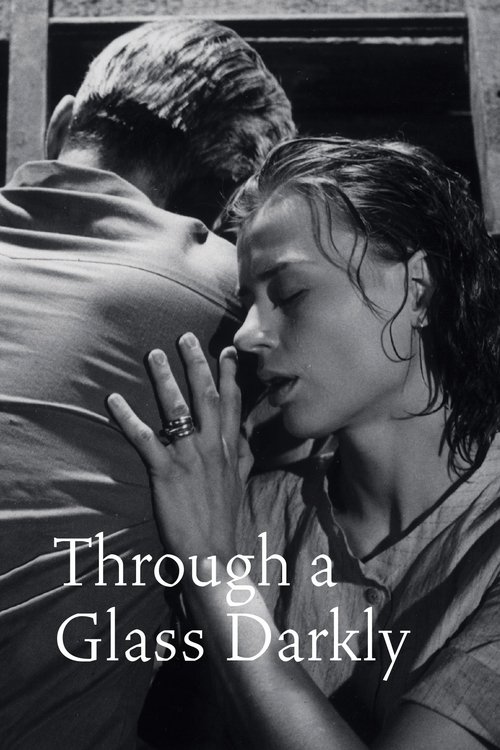
For much of its length Antichrist is a compelling Bergman-esque marital psychodrama with the male figure articulating secular-humanist Reason struggling for power over a female embodying Emotion and Intuition, with some scenes playing like a remake of Through a Glass Darkly.
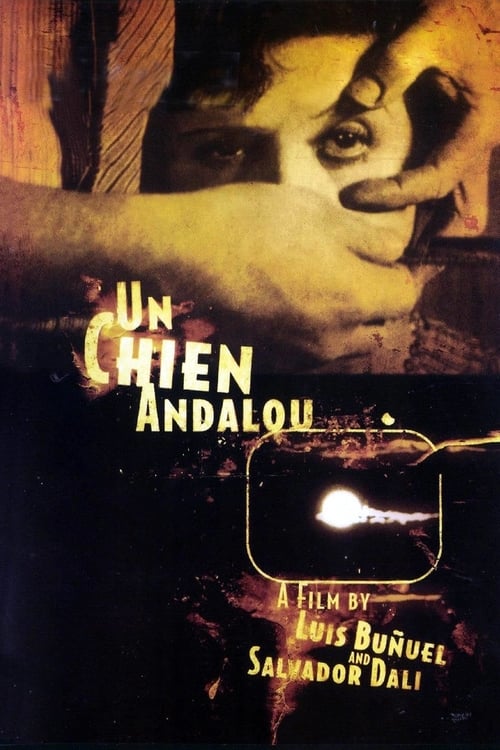
Porn and horror film violence have always shadowed art cinema, and in films as varied as Un chien andalou, Meshes of the Afternoon, Saló, Hiroshima mon amour, Persona, and Prénom Carmen, art cinema claims the power to depict the most extreme human behavior in a coherent, mediated way, incorporating but going beyond the capacity of marginal sensationalist genres.
This cinematic tradition can be traced back at least as far as 1929, when Luis Buñuel and Salvador Dalí began their surrealist classic Un Chien Andalou with a depiction of a man slicing a woman's eyeball open.
Her despair promptly ferments into a passionate hatred for her husband, who she subjects to prolonged torture after mutilating herself in a scene so shocking it makes the eye-slicing scene from Luis Bunuel's Un chien andalou (1929) look like a Hi-5 dance routine.
Advertisement
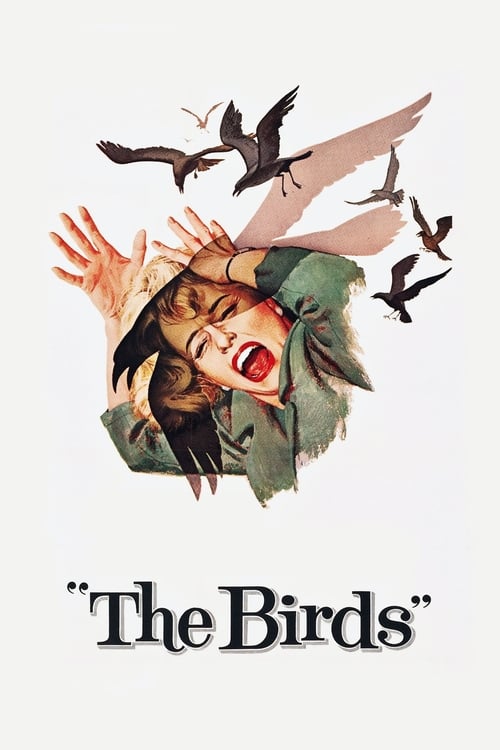
In a full color handout given to press and potential buyers at some Cannes screenings, opposite a few uniquely blank excerpts from a Danish Film Institute interview with the director thereâs a photo of Von Trier that seems to directly reference, down to the three-quarter profile with the smug facial expression, the famous publicity shot of Alfred Hitchcock turned to face a live crow perched on his shoulder that was distributed to promote the film of his that most directly drew lines between female sexuality and the unpredictable horrors of nature, The Birds.

The films of Lars von Trier, the brilliant, bellicose Danish director of The Idiots, Breaking the Waves and Dogville, aspires to the condition of exquisite, immersive poetry that is, to be felt, rather than questioned, analyzed, critiqued.
For me, most of this was absurdly abstract in a way that his best films – Breaking the Waves , Dancer in the Dark – are not.
He was involved in preproduction on Breaking the Waves and I was hired by a producer to redo a script von Trier owned about a bizarre historical figure, Baron Ungern von Sternberg, a German-Russian aristocrat and Czarist officer who in 1921 lead anti-Bolshevik forces in Siberia, briefly conquered Mongolia, and dreamed of an Asian Buddhist army that under his command would conquer Europe.
Writer/director Lars von Trier's ("Breaking the Waves," "Dogville") film was the lightening rod of controversy at this year's Cannes film festival and looks to continue the debate with art film audiences.
In all his best known works -- from "Breaking the Waves" (1996) through "Dancer in the Dark" (2000), "Dogville" (2003) and "Manderlay" (2005) -- Danish filmmaker Lars von Trier has repeated the the same template: He gives us an appealing female protagonist . . .
Fusing the carnal intensity of Breaking the Waves (I was with it) with the horror-movie schtick of his Danish TV series The Kingdom (I was with that, too), and piling on religious symbolism, cloaked misogyny (in the guise of feminist doctrine) and graphic scenes of genital mutilation and torture, Von Trier has delivered a movie designed to abrade and repel.
Here is the Wellesian Gothic chamber (Europa); here is the Brechtian Basilica (Dogville) and here is the Grotto of Utter Lunacy, enshrining musicals about capital punishment starring Björk (Dancer in the Dark).
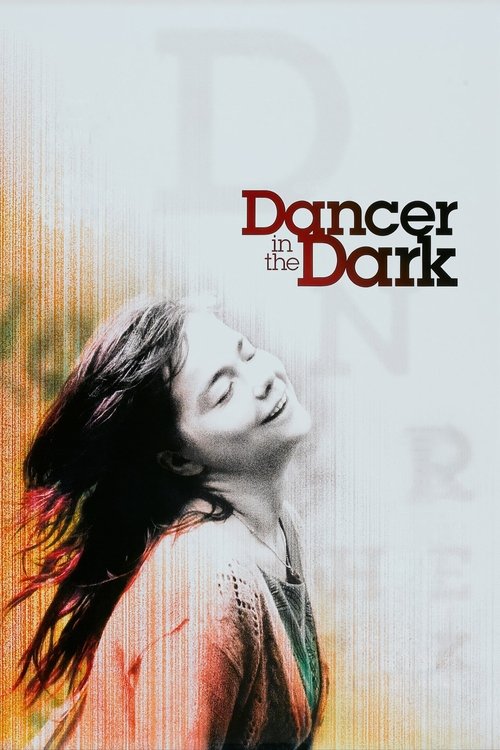
Here is the Wellesian Gothic chamber (Europa); here is the Brechtian Basilica (Dogville) and here is the Grotto of Utter Lunacy, enshrining musicals about capital punishment starring Björk (Dancer in the Dark).
For me, most of this was absurdly abstract in a way that his best films – Breaking the Waves , Dancer in the Dark – are not.
Breaking the Waves and Dancer in the Dark were powerful, unsettling, transformative movie experiences, even if their endings came uncomfortably close to making the case for virgin sacrifice.
It's been called a masterpiece and laughable trash, but instead turns out to be a thought-provoking piece of work that is emotionally distancing, yet connects on a primal level with its stunningly rendered images (cinematographer Anthony Dod Mantle, far from his "Slumdog Millionaire" experience) and Lynchian rumbling sound (Kristian Eidnes Andersen, "Dancer in the Dark," "The Boss of It All."
In all his best known works -- from "Breaking the Waves" (1996) through "Dancer in the Dark" (2000), "Dogville" (2003) and "Manderlay" (2005) -- Danish filmmaker Lars von Trier has repeated the the same template: He gives us an appealing female protagonist . . .
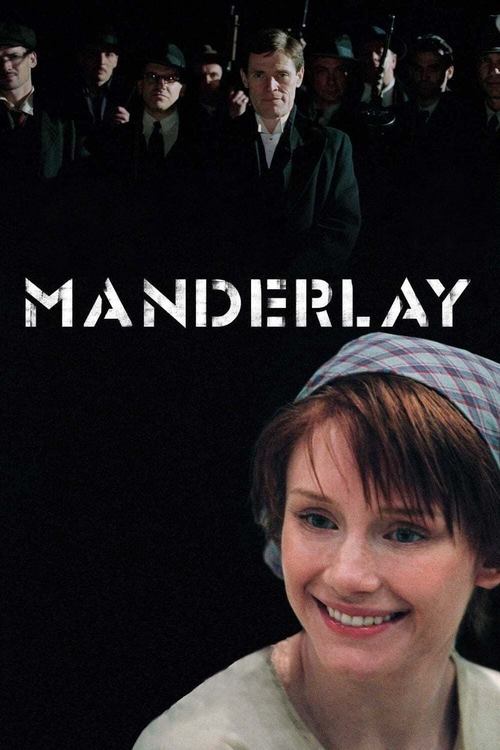
But after the excruciating juvenile provocation that was Dogville , I felt no need to see the "sequel," Manderlay , in which Bryce Dallas Howard stepped into the female-punching-bag role that Nicole Kidman refused to reprise.
And it was sleekly photographed by Anthony Dod Mantle, who also shot Von Trier's "Dogville" and "Manderlay."
In all his best known works -- from "Breaking the Waves" (1996) through "Dancer in the Dark" (2000), "Dogville" (2003) and "Manderlay" (2005) -- Danish filmmaker Lars von Trier has repeated the the same template: He gives us an appealing female protagonist . . .
In contrast to the stark Brechtian theatrical stylings of Manderlay (2005) and Dogville (2003), or the raw naturalism of The Idiots (1998), Antichrist is a visually lavish film for Von Trier.
The Danish director Lars von Trier ("Breaking the Waves," "Dogville," "Manderlay") has an inordinately and unjustifiably high reputation.
DP Anthony Dod Mantle, whose work on Slumdog Millionaire it's safe to say has been seen by more viewers than will ever even hear of Antichrist also shot Von Trier's Dogville (2003) and Manderlay (2005).
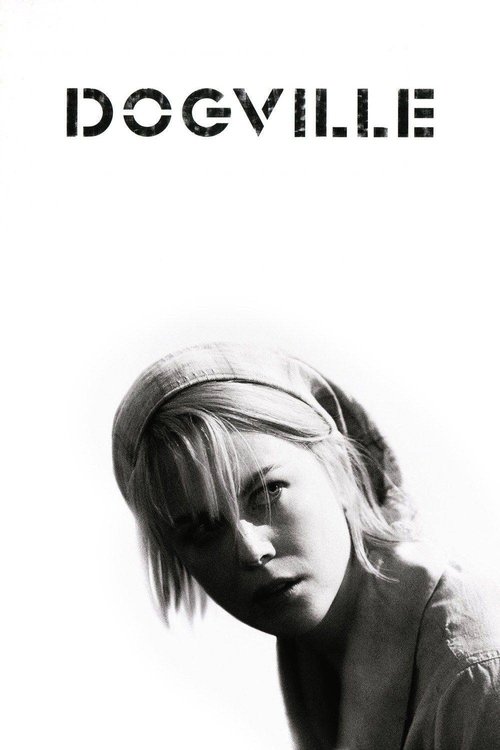
Dafoe's psychiatrist husband plays the kind of rational man that frequents Von Trier's work - the detective in "The Element of Crime," the doctor in the film within "Epidemic," Tom Edison in "Dogville" - all characters whose belief in logic and humanity are proven horribly, ironically, self-destructive.
The films of Lars von Trier, the brilliant, bellicose Danish director of The Idiots, Breaking the Waves and Dogville, aspires to the condition of exquisite, immersive poetry that is, to be felt, rather than questioned, analyzed, critiqued.
Here is the Wellesian Gothic chamber (Europa); here is the Brechtian Basilica (Dogville) and here is the Grotto of Utter Lunacy, enshrining musicals about capital punishment starring Björk (Dancer in the Dark).
But after the excruciating juvenile provocation that was Dogville , I felt no need to see the "sequel," Manderlay , in which Bryce Dallas Howard stepped into the female-punching-bag role that Nicole Kidman refused to reprise.
But Europa, which tried to do with post–World War II Europe what Dogville was to do so brilliantly with America in the Thirties—namely, turn a small, historically based crime story into a comprehensive vision of the human condition—was, for all its elegance, opaque and unconvincing.
Writer/director Lars von Trier's ("Breaking the Waves," "Dogville") film was the lightening rod of controversy at this year's Cannes film festival and looks to continue the debate with art film audiences.
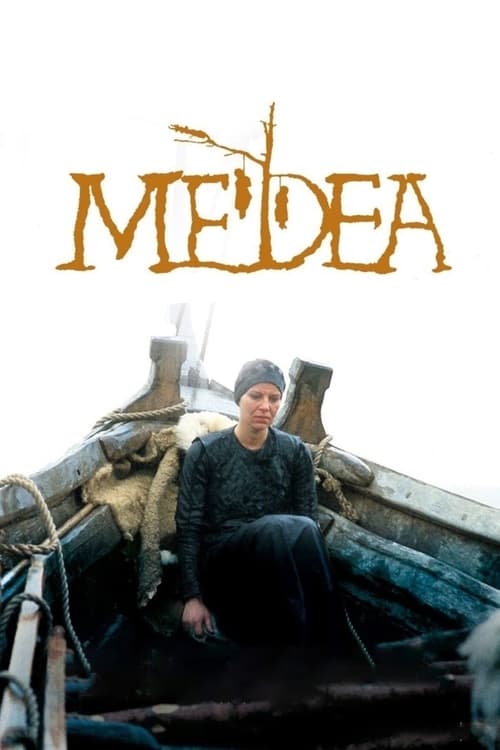
(Given the way he usually features prominent female roles in films like Medea , Breaking the Waves and Dancer in the Dark , but smacks these women around, it's hard to guess.)
In other words, she takes after the heroine of Medea, the Euripides play about the wronged and vengeful sorceress that Trier adapted in 1988 from a previously unproduced script by Dreyer.

The films of Lars von Trier, the brilliant, bellicose Danish director of The Idiots, Breaking the Waves and Dogville, aspires to the condition of exquisite, immersive poetry that is, to be felt, rather than questioned, analyzed, critiqued.
Von Trier loves to provoke, as we've seen from such previous films as "Breaking the Waves""The Idiots" and the musical "Dancer in the Dark," with Bjork and Catherine Deneuve.
In contrast to the stark Brechtian theatrical stylings of Manderlay (2005) and Dogville (2003), or the raw naturalism of The Idiots (1998), Antichrist is a visually lavish film for Von Trier.

While the apparent thematic incoherence is frustrating, the movie does suggest an aesthetic return to a few of the best aspects of his early work, when he made his mark on the festival circuit with "The Element of Crime" (1984) and "Zentropa" (a.k.a.

Von Trier is perfectly capable of being funny when he wants to be (The Boss of It All, The Five Obstructions, parts of Dogville) and this time he clearly doesn’t intend to be.
It's been called a masterpiece and laughable trash, but instead turns out to be a thought-provoking piece of work that is emotionally distancing, yet connects on a primal level with its stunningly rendered images (cinematographer Anthony Dod Mantle, far from his "Slumdog Millionaire" experience) and Lynchian rumbling sound (Kristian Eidnes Andersen, "Dancer in the Dark," "The Boss of It All."

After therapist Willem Dafoe and academic Charlotte Gainsbourg lose their son in a coitus-related accident, they face their grief by retreating to a secluded cabin they call "Eden," at which point the movie explodes into a cross between Don't Look Now and The Evil Dead.
But most of all, the story of "Antichrist" resembles Nicolas Roeg's "Don't Look Now" (1973) -- one of the greatest horror movies ever made.
Antichrist will remind horror buffs right off the bat of Nicolas Roeg’s Don’t Look Now.
It’s a far cry from Nicolas Roeg’s excellent 1973 chiller Don’t Look Now, which maintains a high-gloss art-house sheen yet draws us into its similar story of a couple (Donald Sutherland and Julie Christie) coping with the drowning death of their child.

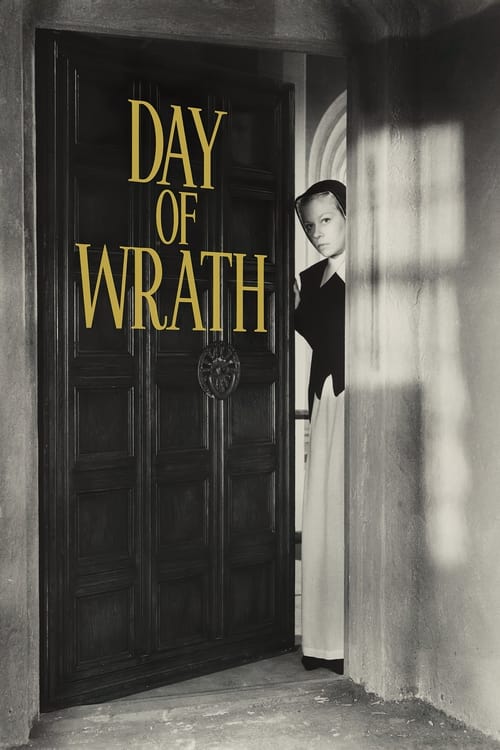
(Dreyer’s Day of Wrath might well be Gainsbourg’s character’s favorite film of all time, as it concerns her thesis topic, the persecution of women as witches in 16th century Europe.)
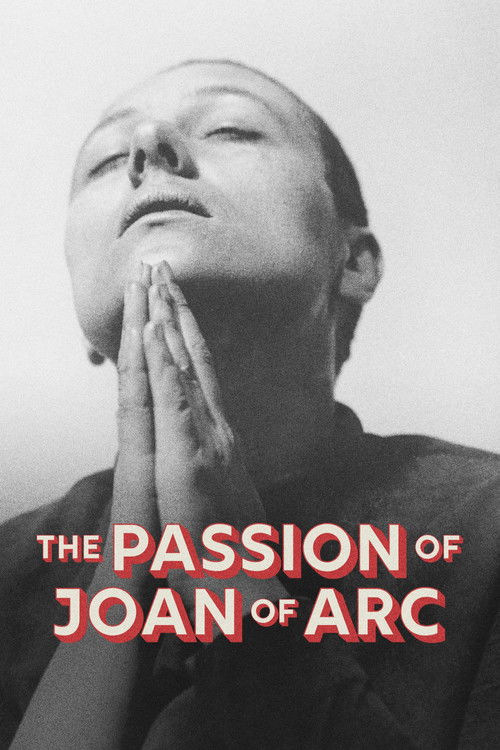
After all, the big influence here, as always, is Carl Theodor Dreyer, that other tyrannical Dane whose tuxedo von Trier once wore to the Cannes Film Festival. 1 Nearly all of Dreyer’s films from The Passion of Joan of Arc onwards involve the disjunction between men and women played out – sometimes violently – as a struggle of reason against nature, mind against body, language and intellectual order against gesture and emotional chaos.
Advertisement

The grisly juxtaposition of a child’s body smacking into pavement with clothes curling in their dry cycle is memorably ironic and about as funny as watching a girl torture a scorpion at a comparable structural moment in Peckinpah’s The Wild Bunch.
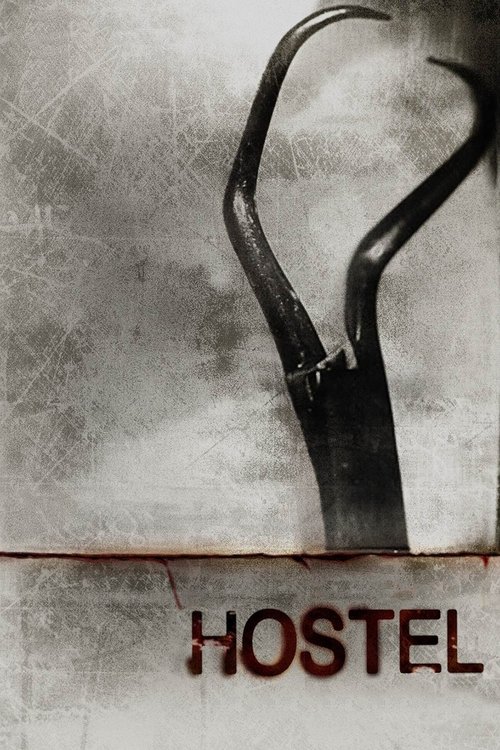
Then there's an extended and truly ridiculous sequence involving a power drill and a metal wheel that would fit seamlessly into one of the "Hostel" movies.
Genitalia smashing and blood orgasms pound that message into our head in scenes that wouldn't be out of place in the likes of Hostel .
And despite the honest intensity of the two actors, when the graphic violence eventually comes, it's hard not to immediately recall Eli Roth's Hostel or the lamentable Saw series, with the gore simply localised between the knees and the navel.