

The Lighthouse (2019)
Directed by Robert Eggers
Two lighthouse keepers try to maintain their sanity while living on a remote and mysterious New England island in the 1890s.
77 connections found
View:
77 films that influenced The Lighthouse
What critics say influenced The Lighthouse
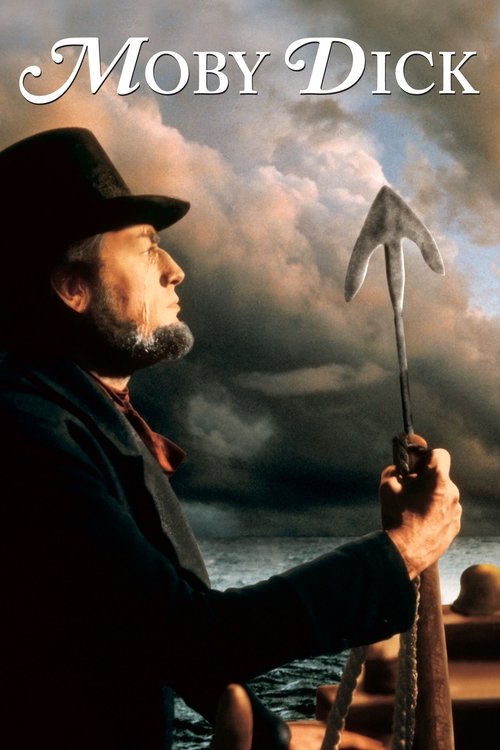


At any rate, the phrase serves as an apt summation of the movie he’s in, a maritime nightmare awash in mythological references, Moby Dick paraphrases, and “Rime of the Ancient Mariner” samples.
The Moby Dick parallel is so overt that Pattinson’s character at one point even screams that Dafoe’s must’ve come from that book.
The problem is that there isn’t any restraint in the work they are doing – both have their performances turned all the way to 11. Dafoe, in particular, with his accent and cadence, seems not so much like he’s creating a character from cloth as he is in emulating the kind of character we’ve seen from Treasure Island to Moby Dick – the crusty sea captain, with all the cliches that come with it.
The taciturn Winslow (Pattinson) and sea-salty Wake (Dafoe) don’t have much in common — Wake is like flinty Captain Ahab of “Moby Dick” — but they both have secrets about to be pried loose by the wind and waves.
Tom — hilariously prone to declaiming a mixtape of Shakespeare and outtakes from Moby Dick — sums up his marital history with the refrain, “Thirteen Christmases at sea, little ones at home, she never forgave me.”
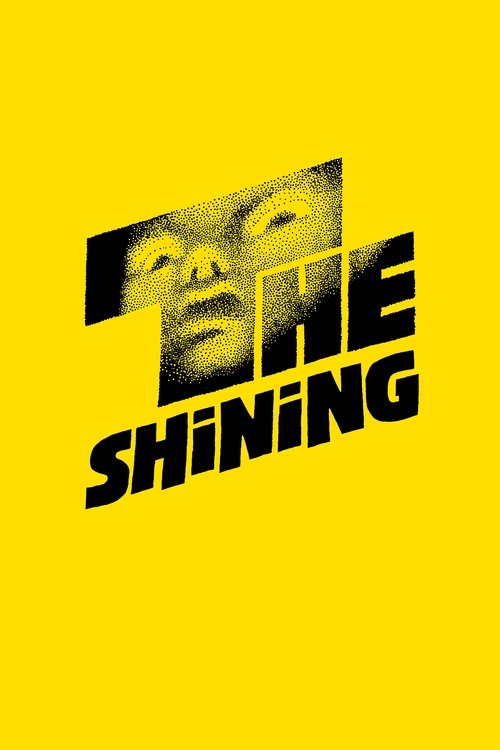
It may seem lazy to compare The Lighthouse to Stanley Kubrick’s The Shining, but consider: There is a scene in the film where one character picks up an axe and shuffle-runs in pursuit of another.
Other cinematic borrowings from “The Shining” (1981) and “Apocalypse Now” (1979) may raise a brow, but are otherwise unnecessary distractions.
Here, two men alone at a lighthouse flirt with, then surrender to, the most profound case of cabin fever since “The Shining,” which receives several nods as an explicit reference point for “The Lighthouse.”
That's about all you get for plot, yet it's enough for Eggers—who broke through four years ago with gothic horror masterstroke The Witch—to craft a moody, disorienting and utterly bonkers psychodrama about the insanity of isolation, one which bears traces of both The Shining and Ingmar Bergman's hallucinatory Persona .
The director and his co-writer, brother Max Eggers, have constructed a scenario that contains undeniable echoes of genre classics like Repulsion (1965), The Tenant (1976), The Fog (1980), The Shining (1980) and The Thing (1983).
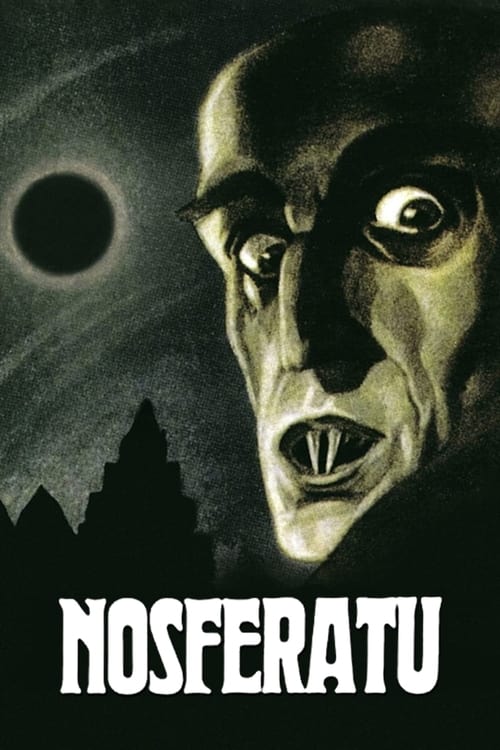
With its industrial sound effects (including, Mark Korven's menacingly booming score), suffocating black and white photography, and dreamlike narrative logic, The Lighthouse evokes David Lynch's monochrome nightmare Eraserhead, as well as the cosmic terror of H.P. Lovecraft and the silent expressionist cinema of F.W. Murnau (Eggers is an admitted Nosferatu fanboy, after all), right down to its vintage square box aspect ratio.
His initial follow-up was set to be the third iteration of Nosferatu , the immortal Murnau take on Dracula.
It’s rather telling that the director opted for this aesthetic given that his second feature was originally supposed to be a remake of Nosferatu – and if this film is any indication, he probably would’ve nailed it.
La mimesis de la realidad es reemplazada por su inevitable abstracción, construida en tonos de gris y negro, luminismo hecho de blancos y sombras que recuerda los claroscuros expresionistas de El gabinete del Dr. Caligari (1920) de Robert Wiene y Nosferatu (1922) de F.W. Murnau.
Reportedly, Eggers has since been attached to a Nosferatu remake and a miniseries about Rasputin, both of which sound very interesting.
After the critical success of his abstract 2016 horror The Witch , he signed on to direct a reimagining of Nosferatu - but with that project seemingly fallen by the wayside, he’s instead channelled his desire to update the early horror films of the German Expressionism movement into his boldly original second feature.
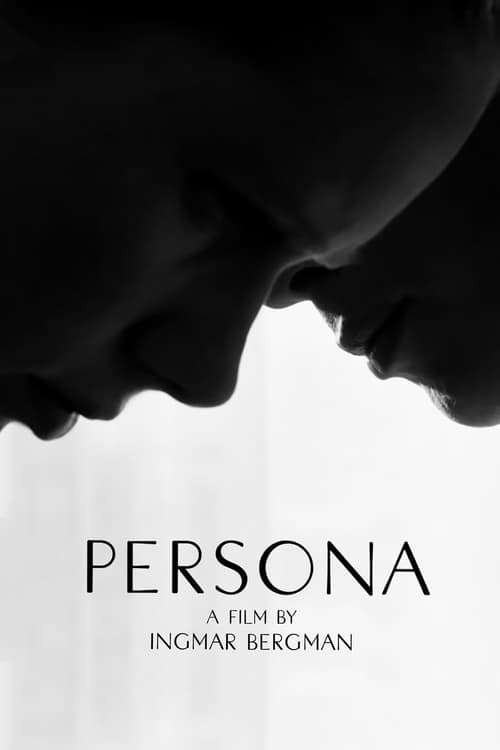
The other film that I found myself thinking about as the closing credits of The Lighthouse rolled was Ingmar Bergman’s 1966 drama Persona , in which a nurse moves to a remote cabin to care for an actress who has stopped speaking.
Increasingly outrageous behavior from both men, which appears to give “The Lighthouse” the feel of Bergman's “Persona” on acid, begins to feel like a chore.
That's about all you get for plot, yet it's enough for Eggers—who broke through four years ago with gothic horror masterstroke The Witch—to craft a moody, disorienting and utterly bonkers psychodrama about the insanity of isolation, one which bears traces of both The Shining and Ingmar Bergman's hallucinatory Persona .
It’s also a psychological thriller in the vein of Persona, an existential drama with shades of The Turin Horse, and is decidedly more funny—fart gags in tow—than Eggers’ debut, The Witch.
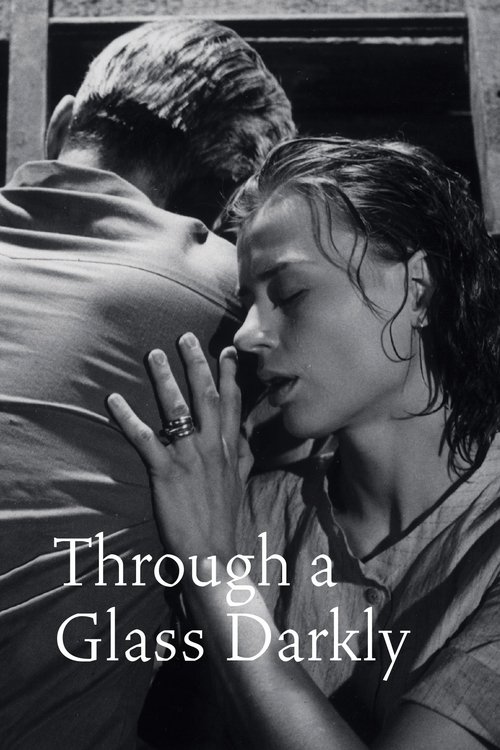
The first feature that he made there, “Through a Glass Darkly” (1961), creeps into Eggers’s movie in its shape, its tonal spectrum, and its fixation on delirium and neurosis.
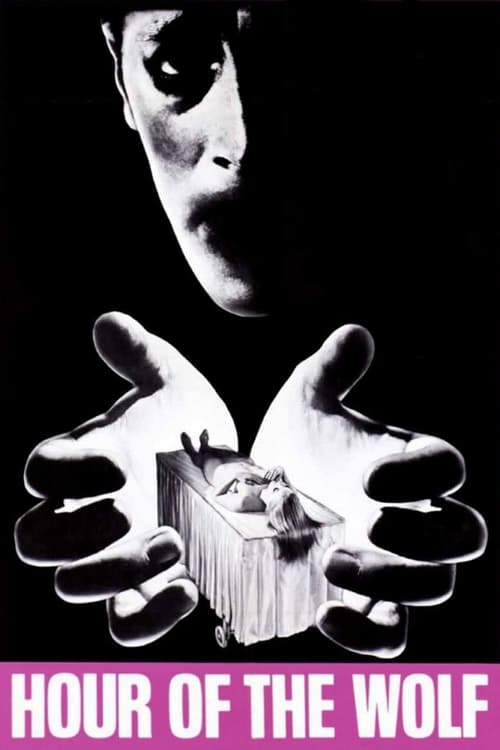
There’s little doubt that this visual feast sets a disturbing tone, as “The Lighthouse” has an Ingmar Bergman-“Hour of the Wolf”-thing working greatly in its favor.
Advertisement
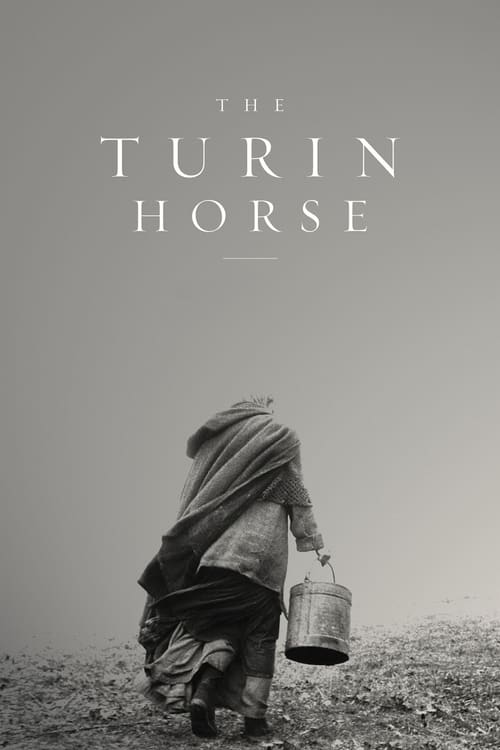
Eggers is working again with The Witch cinematographer Jarin Blaschke, here shooting with 1930s vintage Baltar lenses, and the way in which they represent backbreaking work through textured images of such sensual loveliness at times recalls Béla Tarr’s The Turin Horse (2011).
It’s also a psychological thriller in the vein of Persona, an existential drama with shades of The Turin Horse, and is decidedly more funny—fart gags in tow—than Eggers’ debut, The Witch.
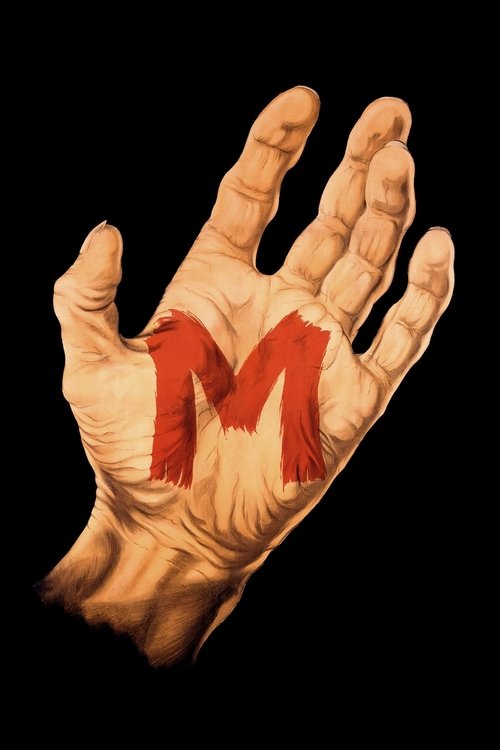
The bars will be a delight for film lovers and historians for whom the ratio inspires memories of cinema’s adolescence; memories of Movietone and M (1931), of an art form in spastic transition from silence to sound in the twenties and thirties.
Shot in the same aspect ratio as the likes of Fritz Lang’s M , The Lighthouse is a descent into the kind of delirium that might come from drinking too much sea water or staring too long into the shimmer of a beckoning lantern—searching in vain for something dry or warm.
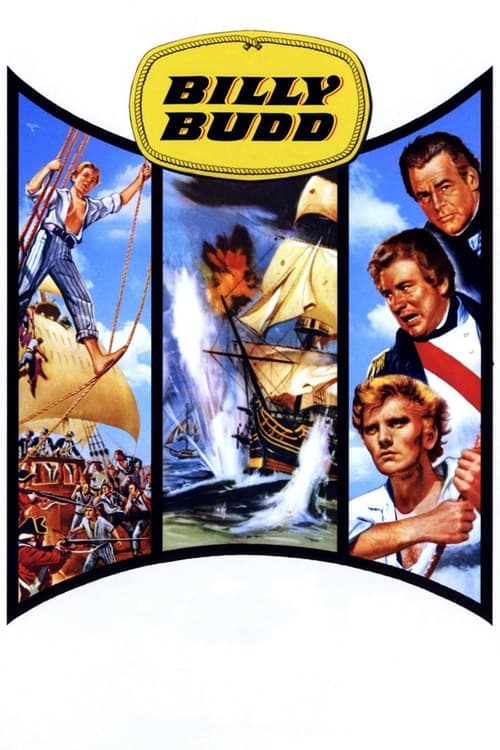
The power struggle between his Thomas Wake and Pattinson’s Ephraim recalls Melville’s Billy Budd , including some eventual homoerotic overtones well-played by both actors (Melville also gets a diegetic shout-out and a subtitle homage at the credits).
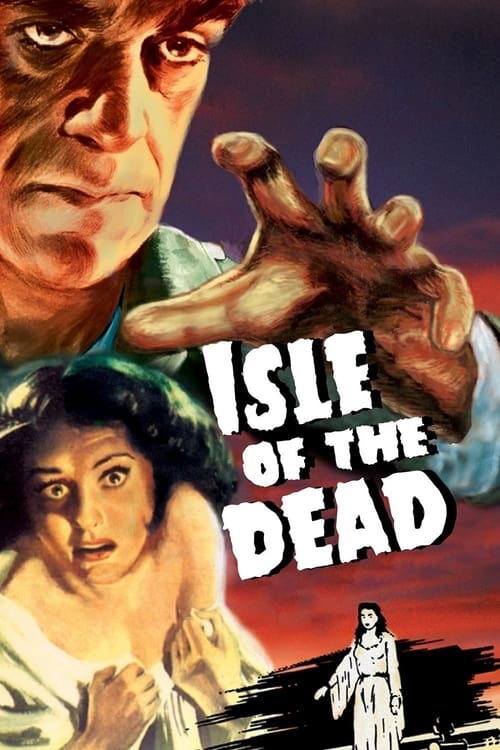
The director melds a number of arty influences into an organic whole: silent film, particularly by focusing on his actors’ hyper-expressive eyes; German Expressionism via the use of stark angles and paranoid pictorals; Symbolist painters by way of Jean Delville and Arnold Bocklin (Bocklin’s shivery Isle of the Dead springs to mind; a shot of Dafoe’s naked white body echoes Delville’s painting of Prometheus).
Eggers is assiduous and thorough, and I suspect he knows very well the entire lineage of his opening image of his characters’ approach to the island—Arnold Böcklin’s painting Isle of the Dead by way of Val Lewton’s 1945 film of the same title by way of the beginning of Martin Scorsese’s Shutter Island (2010)—and more likely than not that he’s caught up with the essential lighthouse films, such as Roy Boulting’s Thunder Rock (1942), as well.
Advertisement

Podcaster, professor and colleague Elric Kane has compared The Lighthouse to 1971’s Wake in Fright, and damned if he isn’t spot-on in that assessment — though I would add a little bit of 1994’s Cabin Boy to the mix as well.
Boiled down to its simplest elements, THE LIGHTHOUSE is a mash-up of the cold existentialism of Samuel Beckett’s Waiting For Godot, the drunken savagery of Ted Kotcheff’s 1971 film WAKE IN FRIGHT, and a large scoop of Jungian archetypal imagery pertaining to recurring myths.
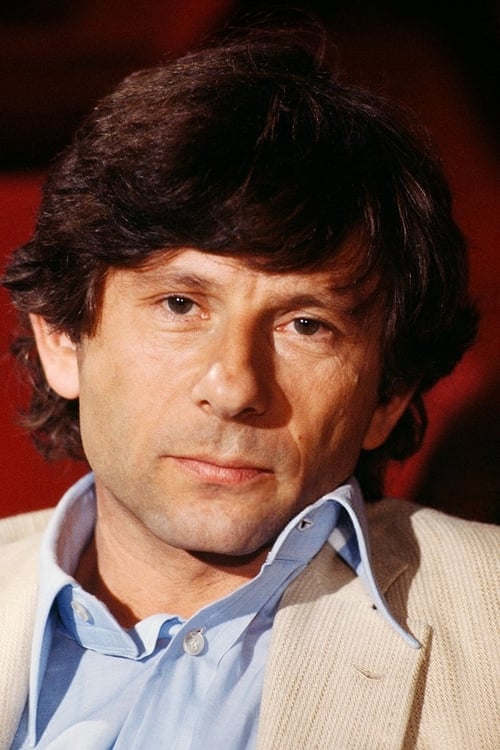
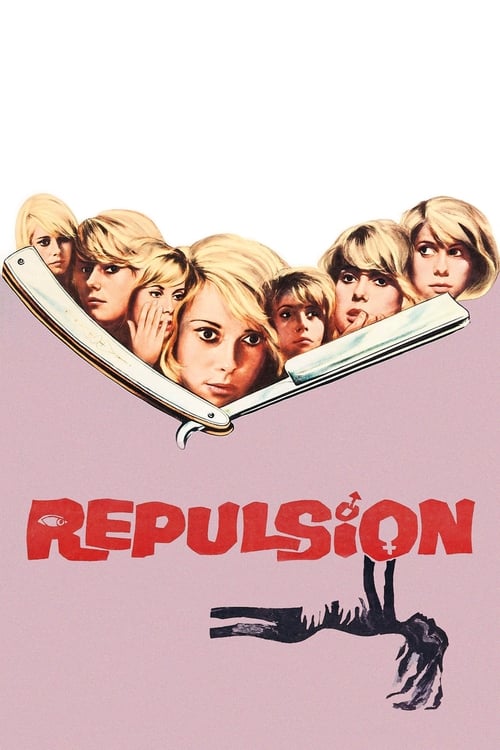
The director and his co-writer, brother Max Eggers, have constructed a scenario that contains undeniable echoes of genre classics like Repulsion (1965), The Tenant (1976), The Fog (1980), The Shining (1980) and The Thing (1983).
It’s like a Herman Melville story that’s been crossed with the writings of Anton Chekhov, Greek mythology and Roman Polanski’s Repulsion or The Tenant , all of it set in a desolate windswept wilderness where the only sanctuary is a creaky wooden homestead that feels like it could blow right off of its unsteady foundation at any given second.
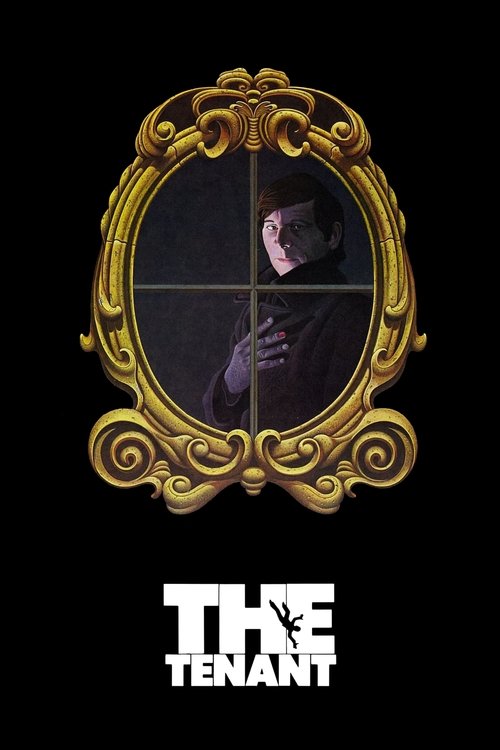
The director and his co-writer, brother Max Eggers, have constructed a scenario that contains undeniable echoes of genre classics like Repulsion (1965), The Tenant (1976), The Fog (1980), The Shining (1980) and The Thing (1983).
It’s like a Herman Melville story that’s been crossed with the writings of Anton Chekhov, Greek mythology and Roman Polanski’s Repulsion or The Tenant , all of it set in a desolate windswept wilderness where the only sanctuary is a creaky wooden homestead that feels like it could blow right off of its unsteady foundation at any given second.
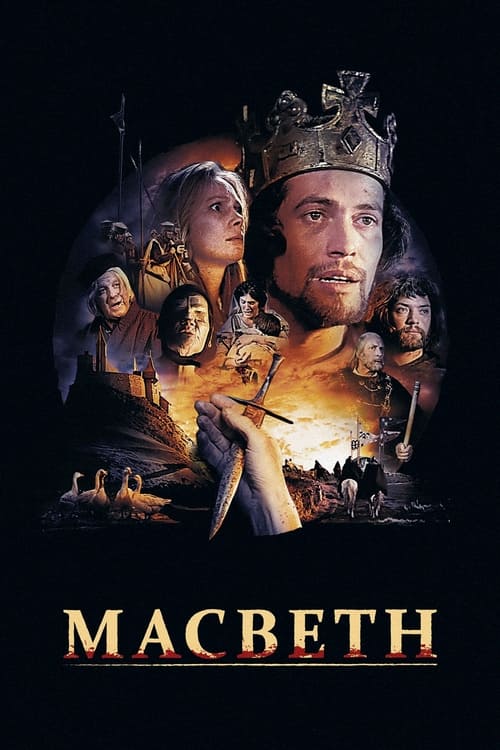
(It also feels of a piece with Polanski’s 1971 adaptation of Macbeth , a non-horror film with plenty of horrific moments.)