
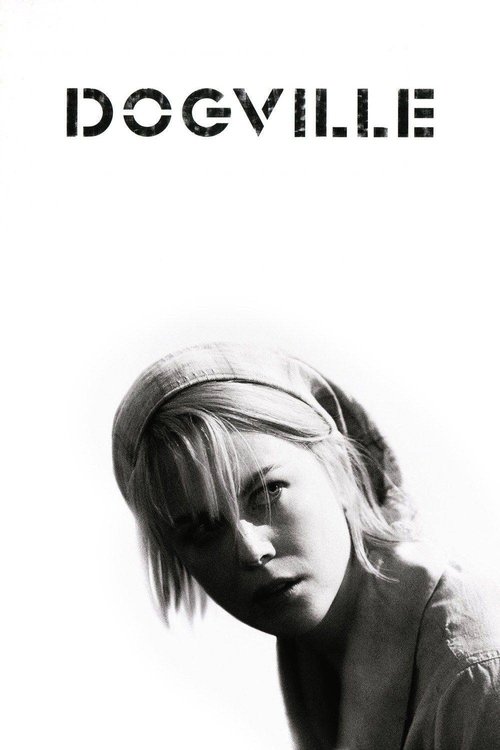
Dogville (2003)
Directed by Lars von Trier
A woman on the run from the mob is reluctantly accepted in a small Colorado community in exchange for labor, but when a search visits the town, she learns that their support has a price.
27 connections found
View:
27 films that influenced Dogville
What critics say influenced Dogville
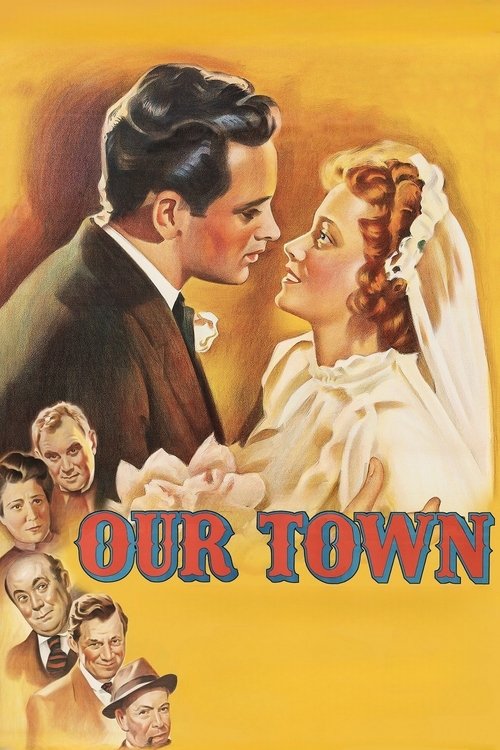


But the film doesn't so much call the playwright's beloved Our Town to mind as it does his screenplay for Alfred Hitchcock's SHADOW OF A DOUBT, particularly the moment when murderous Uncle Charlie explains to his wide-eyed niece that if you ripped the fronts from most American houses, you'd find swine.
Many will see this intricately staged drama as a cryptic reworking of Thornton Wilder's Our Town with its focus on the smallest details of daily life among people who are working out their destinies by the choices they make.
The effect of this contained environment is theatrical and calls to mind Thornton Wilder's Our Town -- most of the staging happens in the audience's minds.
In the end, Von Trier's movie feels like a rebuke not just to the myth of American fraternity - the dark flipside of Thornton Wilder's Our Town - but to the very notion of common humanity.
One could be forgiven for momentarily mistaking Dogville for that fourth wall-breaking production of Thornton Wilder's Our Town that aired on HBO last year; as Dogville's narrator, John Hurt is as thorough and intrusive a commentator as Our Town's Stage Manager.
This is realised on screen in a strikingly original cinematic style that draws on Thornton Wilder's Our Town with its knowing narrator (Hurt) and a set made of almost nothing!

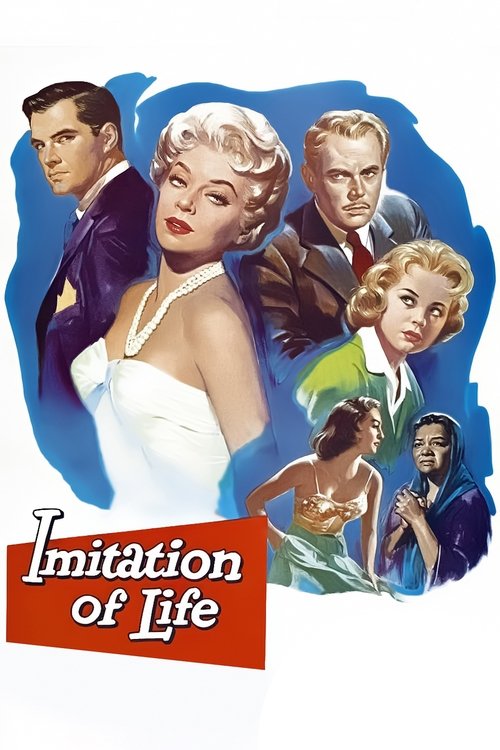
Today it’s almost impossible to look at Sirk’s films without turning to Brecht, whose innovative theories on distancing and alienation are all over films like Fassbinder’s In a Year of 13 Moons , Sirk’s Imitation of Life and Lars von Trier’s upcoming Dogville , a film inspired in part by a song from Kurt Weill and Brecht’s famous Threepenny Opera , which Sirk had staged in Bremen in 1929.
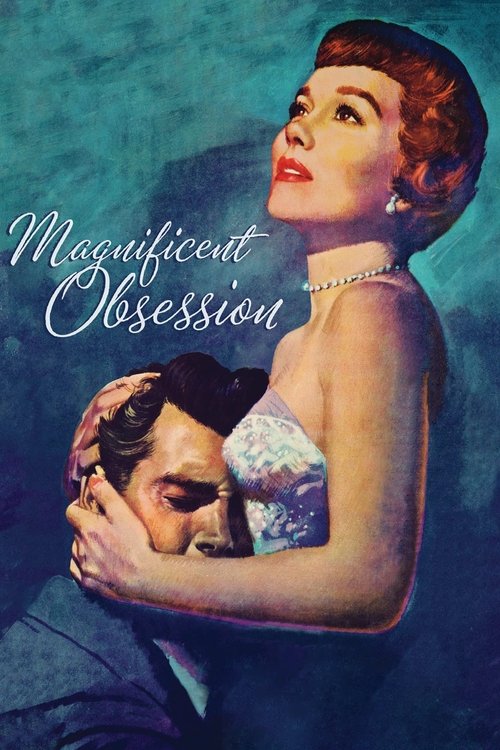
Witness the ludicrous piling on of tragedy after tragedy in Magnificent Obsession and you will see what I am getting at.


Von Trier/Jekyll is a serious artist who, much of the time, at least, aspires to be Carl Dreyer, his great Dane antecedent whose most celebrated film, The Passion of Joan of Arc, is arguably the most galvanic testament to female martyrdom ever seen on the screen.
What counted was getting the spectator absorbed in the past; the means were multifarious and new"--for The Passion of Joan of Arc, von Trier, an Americana buff, intermixes motifs in Dogville, arriving at a sort of Cubist period piece.
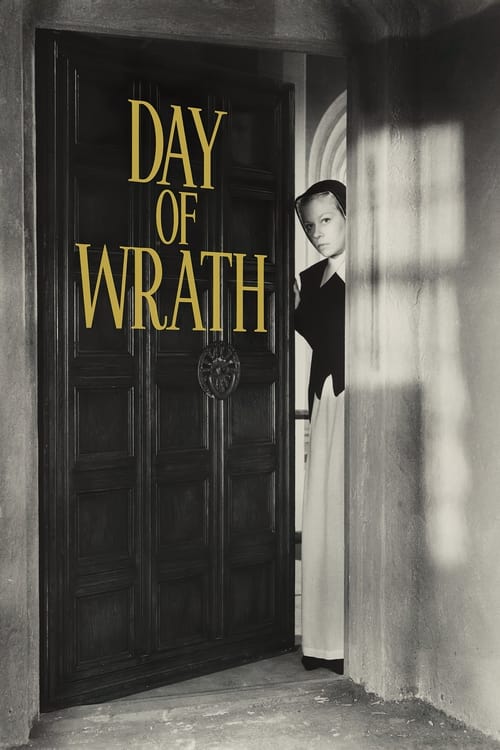
Omitting from this conversation admittedly key Dreyer works such as Day of Wrath, it's as though von Trier has, ironically, announced his artistic maturation by reverting to an older leitmotiv--through what started out as self-flattering imitation, he's organically retraced the arc of Dreyer, "Denmark's greatest filmmaker."
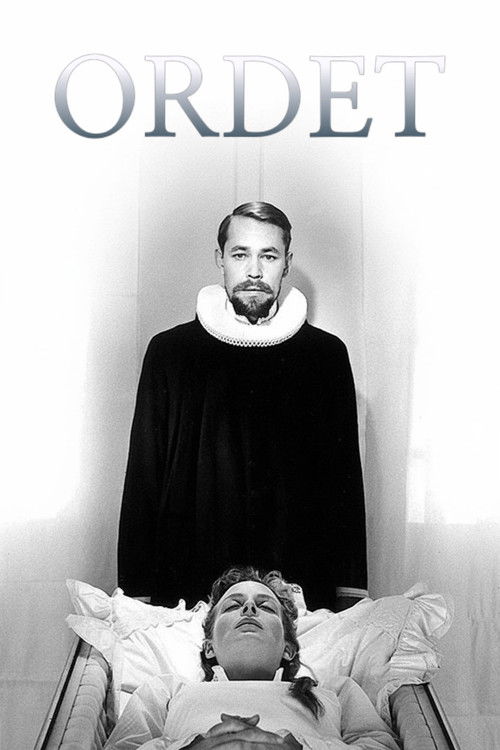
Take away Emily Watson’s heart-wrenching turn in Breaking the Waves and you have a TV-movie remake of Dreyer’s Ordet.
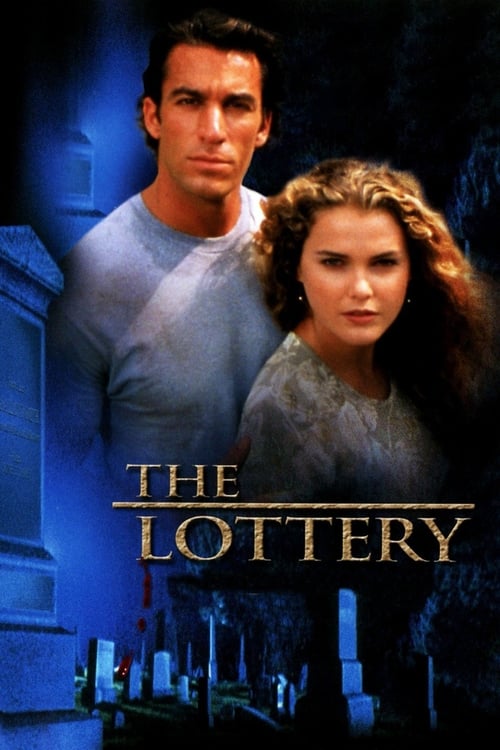
Incidentally, Shirley Jackson's "The Lottery" covers the same territory in a more literary and poignant manner by featuring an idyllic New England town which holds an annual ritual to stone one of their citizens to death.
Advertisement

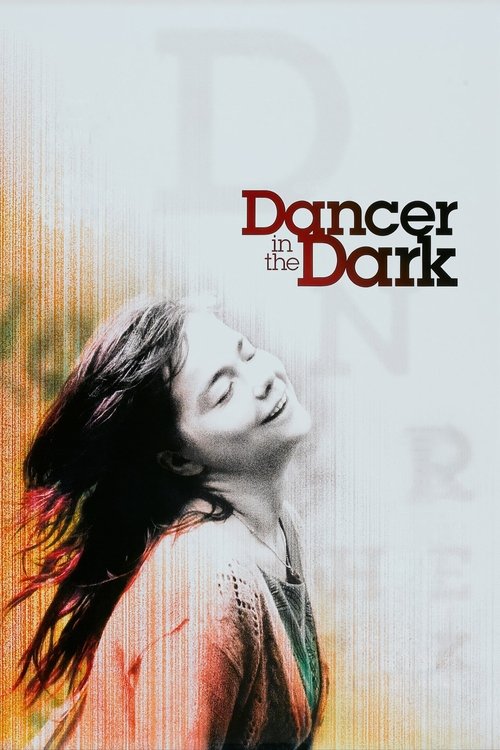
And the fact that the man has messy personal stories when it comes to women -- his mom confessed on her deathbed that the person he always believed to be his biological father wasn't (his real dad turned out to be her boss); he reportedly abandoned his pregnant wife for their young babysitter; etc. -- has provided his critics with plenty of ammo to make the claim that instead of idolizing his lead female characters (in Breaking the Waves, Dancer In the Dark and now this), he actually despises them as only a chauvinist pig can, by putting them through all manner of humiliation.
Similar fates, you may recall, befell Emily Watsonâs Bess in Breaking the Waves and Björkâs Selma in Dancer in the Dark.
Like Dancer in the Dark, the director's previous feature, Dogville is set in the United States and acted in English.
In Breaking the Waves and Dancer in the Dark, virtuous women endure unjust indignities at the hands of heartless townsfolk eager to project their own bigotry and insecurities upon their beatific female compatriots.
One such filmmaker would be Lars von Trier, the creator of such uncomfortable viewing experiences as "Breaking the Waves" (in which Emily Watson's character had conversations with God and played both roles) and "Dancer in the Dark" (featuring Bjork as a guileless, nearly blind factory worker who winds up on death row, thanks to bad luck and poor communication).
Von Trier/Jekyll made the audacious films Breaking the Waves and Dancer in the Dark, both inventive, provocative attempts to touch the hem of Dreyer’s garment.
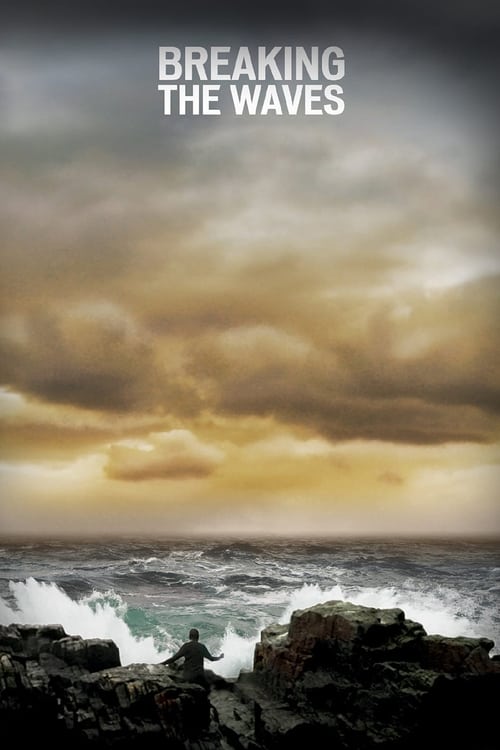
And the fact that the man has messy personal stories when it comes to women -- his mom confessed on her deathbed that the person he always believed to be his biological father wasn't (his real dad turned out to be her boss); he reportedly abandoned his pregnant wife for their young babysitter; etc. -- has provided his critics with plenty of ammo to make the claim that instead of idolizing his lead female characters (in Breaking the Waves, Dancer In the Dark and now this), he actually despises them as only a chauvinist pig can, by putting them through all manner of humiliation.
Similar fates, you may recall, befell Emily Watsonâs Bess in Breaking the Waves and Björkâs Selma in Dancer in the Dark.
The voice-over narration reminds us of Zentropa, the handheld wide-screen cinematography resembles that of Breaking the Waves, and the dissection of American pathology in terms of weakness, hypocrisy, and paranoia is reminiscent of Dancer in the Dark.
In Breaking the Waves and Dancer in the Dark, virtuous women endure unjust indignities at the hands of heartless townsfolk eager to project their own bigotry and insecurities upon their beatific female compatriots.
But that's just what we have in the case of Dogville by acclaimed Danish director Lars von Trier (Breaking the Waves).
One such filmmaker would be Lars von Trier, the creator of such uncomfortable viewing experiences as "Breaking the Waves" (in which Emily Watson's character had conversations with God and played both roles) and "Dancer in the Dark" (featuring Bjork as a guileless, nearly blind factory worker who winds up on death row, thanks to bad luck and poor communication).

His last four movies ( "Breaking the Waves," "The Idiots," "Dancer in the Dark" and now "Dogville") have all dealt largely with the psychological (and sometimes physical) torture of vulnerable female protagonists.
Experience of his recent work - Breaking the Waves, The Idiots, Dancer in the Dark - suggests he has an instinct for getting up people's noses but remains clueless (or perhaps careless) about pleasing the eye or the ear.
No discussion of Lars von Trier's Breaking the Waves, Dancer in the Dark, or Dogville--the three of which we'll collectively call the "Martyr Trilogy" (von Trier has his own, ludicrous umbrella term for Breaking the Waves, Dancer in the Dark, and the intervening The Idiots--the "Good-Heart Trilogy"--and insists that Dogville is part one of a proposed "American" trilogy (Manderlay, the unlikely sequel, will deal with "slavery"))--is complete without citing Dreyer's 1928 silent The Passion of Joan of Arc as a primary influence.
The proof was in the plodding: Although there have been a few genuinely absorbing and entertaining Dogme movies ("The Celebration" and "Italian for Beginners" leap to mind), most of them, including von Trier's own tiresome exercise "The Idiots," have been little more than pretentious, self-conscious film-school essays that have received publicity not because of any inherent interest or artistry but because their directors have usually accompanied their releases with tortured mea culpas about the vows that they broke, such as pulling back a curtain to increase a room's light.

I thought of Brian DePalma's Carrie ; von Trier probably had a particular model of wrath, Euripides' Medea, in mind.

Lars von Trier has made some of the best films of recent years ("Europa," " Breaking the Waves ," " Dancer In The Dark ").
While this Cannes breakthrough's inventive tricks aren't as ugly as the sub-Brechtian shenanigans that followed in Dancer in the Dark and Dogville , von Trier and his three cinematographers fashioned a handmade, retro pastiche with a small, dried-out heart.
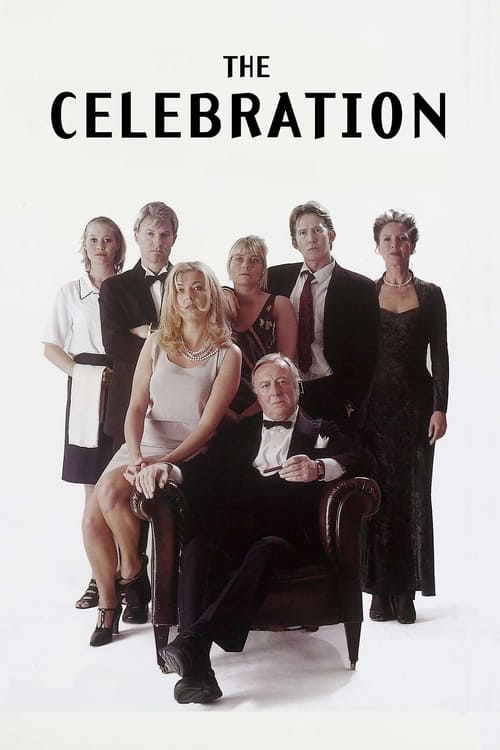
The proof was in the plodding: Although there have been a few genuinely absorbing and entertaining Dogme movies ("The Celebration" and "Italian for Beginners" leap to mind), most of them, including von Trier's own tiresome exercise "The Idiots," have been little more than pretentious, self-conscious film-school essays that have received publicity not because of any inherent interest or artistry but because their directors have usually accompanied their releases with tortured mea culpas about the vows that they broke, such as pulling back a curtain to increase a room's light.
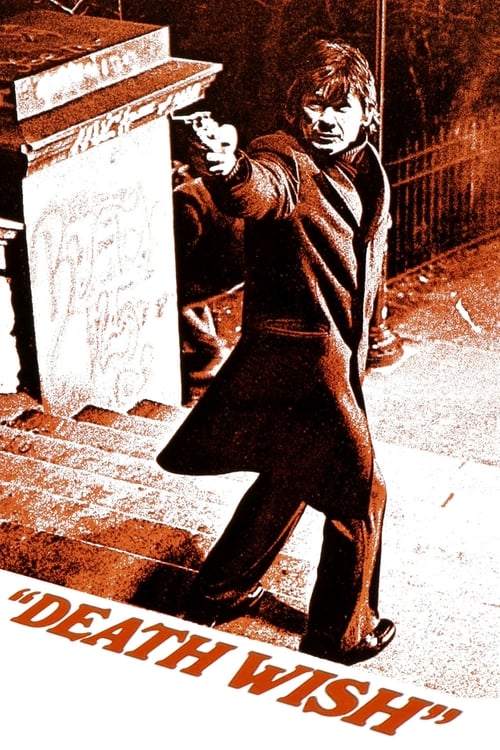
Dogville is The Passion meets Death Wish, and if that gives the whole movie away then take it up with Von Trier, this movie is that simple-minded.
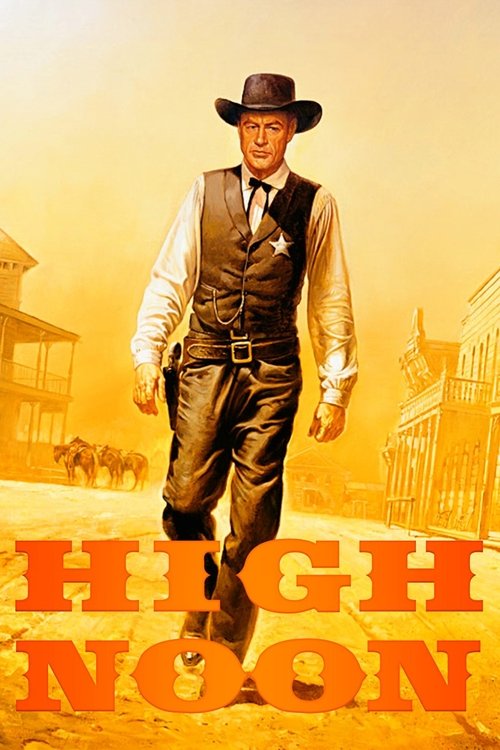
It is also, not unlike a certain recent blockbuster, a potent parable of human suffering, the contagion of fear and how loath we truly are to love thy neighbor, here unfolding amid the Great Depression in a fictitious Rocky Mountain town nestled somewhere near the intersection of Bertolt Brecht Avenue and High Noon Way.
Advertisement

In its staging and structure, the film bears a strong yet superficial resemblance to The Royal Shakespeare Company’s landmark 1982 nine-hour production of David Edgar’s adaptation of Charles Dickens’ The Life and Adventures of Nicholas Nickleby.

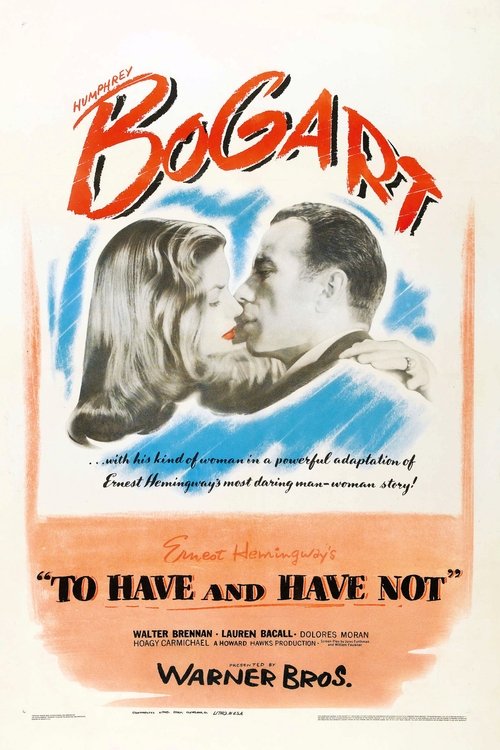
Merely putting Lauren Bacall, sophisticated siren of Hawks’s To Have and Have Not and The Big Sleep, in the same frame with Harriet Andersson, the emblem of spiritual and mental corrosion in Bergman’s Through a Glass Darkly and Cries and Whispers, is to set off a chain of associations that form another deep layer of subtext in an already awesomely multileveled work.
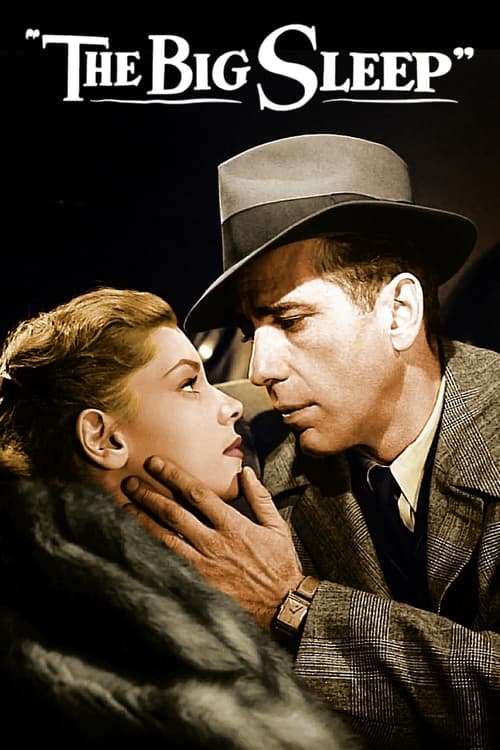
Merely putting Lauren Bacall, sophisticated siren of Hawks’s To Have and Have Not and The Big Sleep, in the same frame with Harriet Andersson, the emblem of spiritual and mental corrosion in Bergman’s Through a Glass Darkly and Cries and Whispers, is to set off a chain of associations that form another deep layer of subtext in an already awesomely multileveled work.