
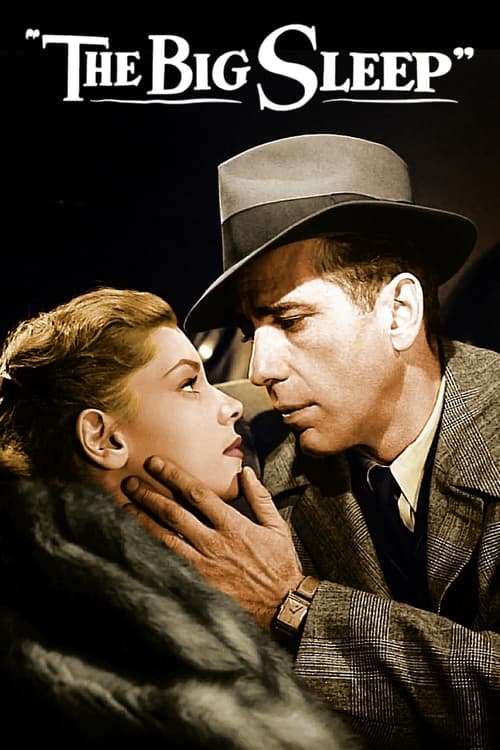
The Big Sleep (1946)
Directed by Howard Hawks
Private Investigator Philip Marlowe is hired by wealthy General Sternwood regarding a matter involving his youngest daughter Carmen. Before the complex case is over, Marlowe sees murder, blackmail, deception, and what might be love.
3 connections found
View:
3 films that influenced The Big Sleep
What critics say influenced The Big Sleep
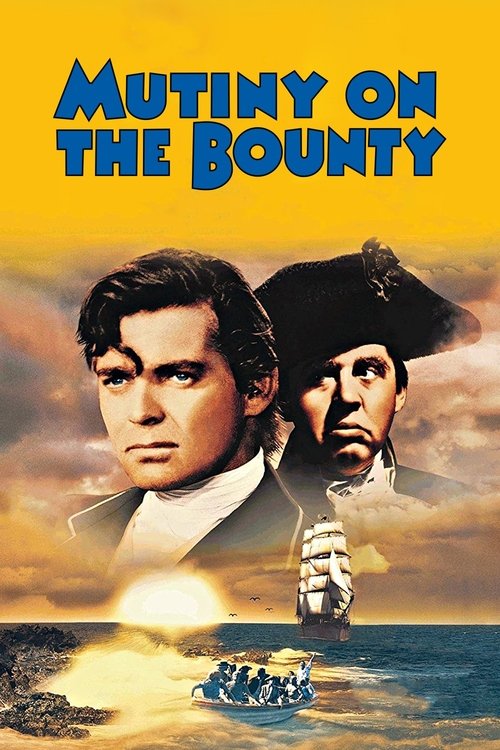


One of the film's screenwriters was no less than William Faulkner; the others were Jules Furthman, responsible for other vintage classics like Mutiny on the Bounty, Nightmare Alley and Rio Bravo, and Leigh Brackett, whose final screen credit would come decades later in the form of The Empire Strikes Back.
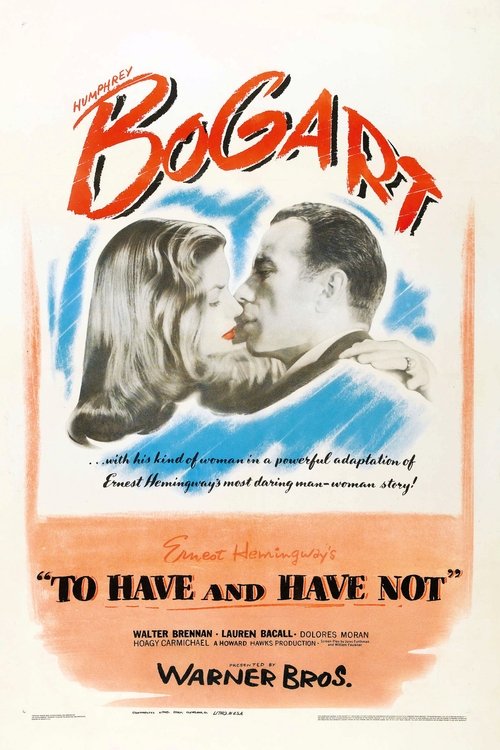
Hawks originally finished the film in 1945, but Charles Feldman, Hawks' partner and Bacall's agent, sent a savvy memo to studio chief Jack Warner urging him to make changes that would give the audience more of the Bacall seen in her first film, Hawks' popular "To Have and Have Not," rather than the badly reviewed Bacall of her next film, "Confidential Agent."
After seeing the film, he ordered additional scenes shot featuring Bacall and Bogart, to recapture some of the fireworks the two had sparked in Bacall�s 1944 screen debut, "To Have and Have Not."
Not to mention that the studio pressured director Howard Hawks into adding new scenes that would emphasize the relationship between gumshoe Philip Marlowe (Humphrey Bogart) and Vivian Sternwood Rutledge (Lauren Bacall), based on the heat those stars had generated in their previous film, To Have and Have Not .
While biographer Todd McCarthy refers to the two versions of Howard Hawks' The Big Sleep as marking the delineation point separating linear (early) Hawks from non-linear (later) Hawks, I feel like you can mark the director's affection for bonzo non-sequiturs throughout his sultry To Have and Have Not.
After signing Bogart and Bacall as the leads, Hawks hired his To Have and Have Not writers, William Faulkner and Jules Furthman to adapt Chandler's novel, giving them strict instructions to retain as much of the original dialogue as possible (the third credited screenwriter, Leigh Brackett, had written a previous, unused draft).
The elder, more responsible daughter (Lauren Bacall in her second film with Bogey, after To Have and Have Not) is clearly trying to protect her sister and father, and isn’t sure whether Marlowe is part of the problem or part of the solution.
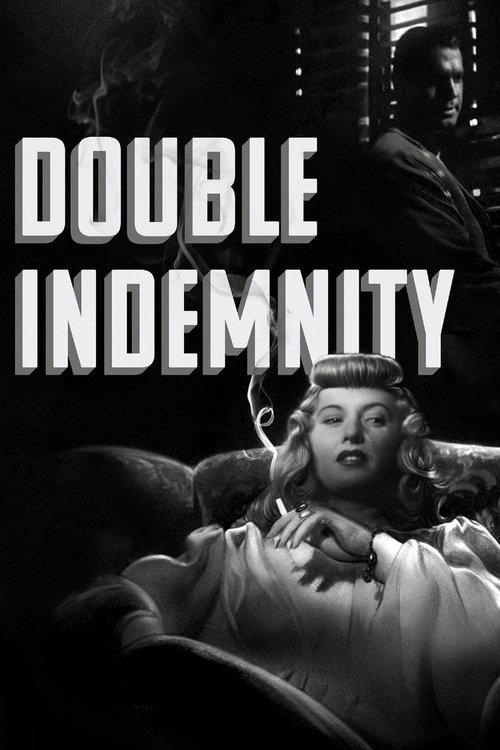
As such, it differs from other noir of the era, such as the romantic noir “Mildred Pierce,” also based on Cain's novel, and “The Big Sleep,” scripted by Raymond Chandler.
Chandler, whose novelThe Big SleepWilder loved, turned up drunk, smoked a smelly pipe, didn't know anything about screenplay construction, but could put a nasty spin on dialogue.