View:

Connections, in both directions

8 Mile poster
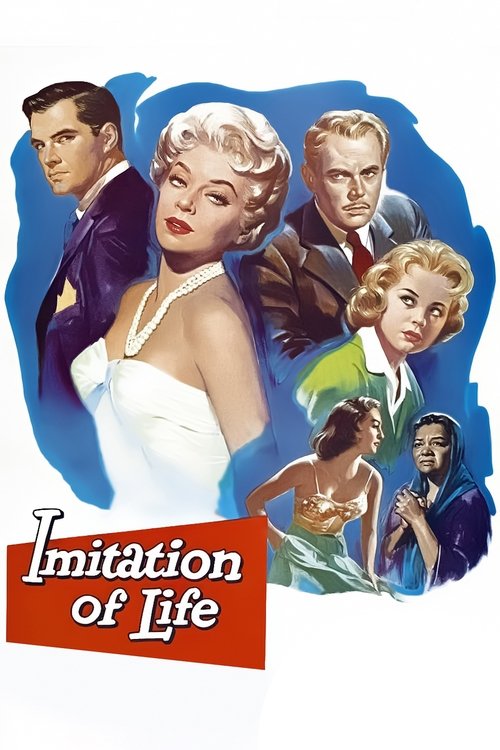
Hanson even manages to slide in one arty reference to the great film director of the 1950s Douglas Sirk, by having Rabbit's mom glued to the TV watching "Imitation of Life."
Dennis Schwartz
archive.org ↗
Dogville poster
Today it’s almost impossible to look at Sirk’s films without turning to Brecht, whose innovative theories on distancing and alienation are all over films like Fassbinder’s In a Year of 13 Moons , Sirk’s Imitation of Life and Lars von Trier’s upcoming Dogville , a film inspired in part by a song from Kurt Weill and Brecht’s famous Threepenny Opera , which Sirk had staged in Bremen in 1929.
Ed Gonzalez • Slant Magazine • Jul 3, 2003
slantmagazine.com ↗
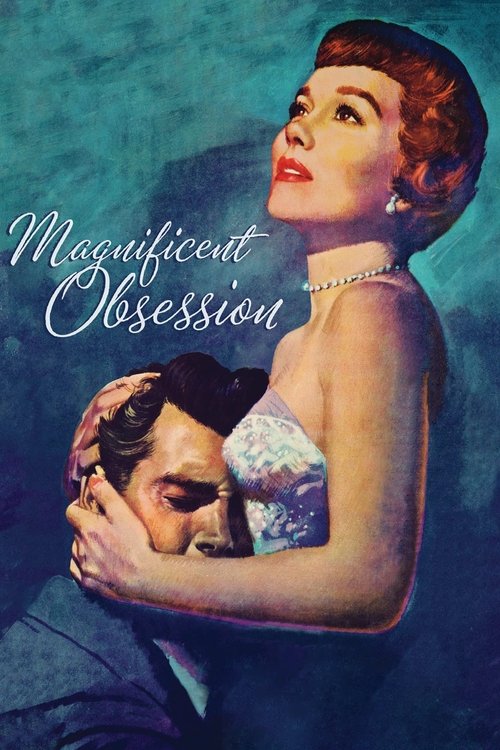
Witness the ludicrous piling on of tragedy after tragedy in Magnificent Obsession and you will see what I am getting at.
Babygirl poster
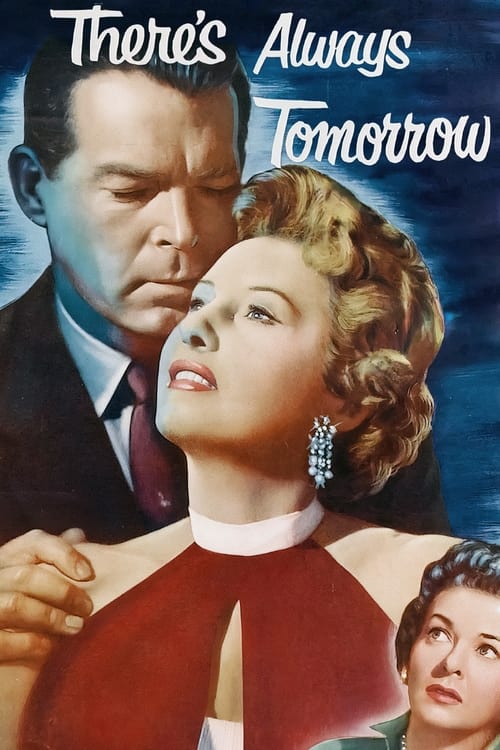
It's a gentle reminder how, in some small regards, we've also inched away from children being used as tools sanctioning their mothers' sexuality a la celebrated Douglas Sirk melodramas, such as All That Heaven Allows (1955) or There's Always Tomorrow (1956).
Nicholas Bell • Ioncinema • Dec 23, 2024
ioncinema.com ↗
It's a gentle reminder how, in some small regards, we've also inched away from children being used as tools sanctioning their mothers' sexuality a la celebrated Douglas Sirk melodramas, such as All That Heaven Allows (1955) or There's Always Tomorrow (1956).
Nicholas Bell • Ioncinema • Dec 23, 2024
ioncinema.com ↗
The Fabelmans poster
At its height, Speilberg channels a sense of Douglas Sirk’s soapy melodramas, such as All That Heaven Allows (read review) or There’s Always Tomorrow (1956), where Jane Wyman and Barbara Stanwyck play mothers whose children disastrously intervene in their love lives.
Nicholas Bell • Ioncinema • Nov 21, 2022
ioncinema.com ↗
At its height, Speilberg channels a sense of Douglas Sirk’s soapy melodramas, such as All That Heaven Allows (read review) or There’s Always Tomorrow (1956), where Jane Wyman and Barbara Stanwyck play mothers whose children disastrously intervene in their love lives.
Nicholas Bell • Ioncinema • Nov 21, 2022
ioncinema.com ↗
Brooklyn poster
What on Earth (or on any parallel planet of your choice) can contemporary cinema be doing crafting a lush 1950s-set love story, opulently scored, effulgently period-detailed and full of performances so stand-and-emote they might have been born in a Universal Pictures weepie, circa Magnificent Obsession (1954)?
I’m sure that the excursion-to-a-Coney-Island-day-at-the-beach scenes in the 1941 comedy “The Devil And Miss Jones” or the 1959 “Imitation of Life,” as Hollywoodized as they were, presented more realistic versions of such excursions than this movie does—I mean, Coney Island is/was a lot of things, but lyrical is not one of them.
The Blind Side poster
Cast as Michael’s errant, drug-addicted mother, Lenox takes her role, which amounts to only a few lines of dialogue, and fills it out with such delicate, shamed emotion that it’s hard not to resent the director for insistently cutting back to Our Star, the ever-bland Bullock, who listens in such an oblivious, absent way to Lenox’s heartfelt attempts to communicate that I was reminded of Lana Turner inanely marveling at the fact that her long-time maid Annie (Juanita Moore) has friends in Imitation of Life (1959).
Alexa Camp, Sal Cinquemani, Andrew Schenker, Ed Gonzalez • Slant Magazine • Sep 9, 2026
slantmagazine.com ↗
Carol poster
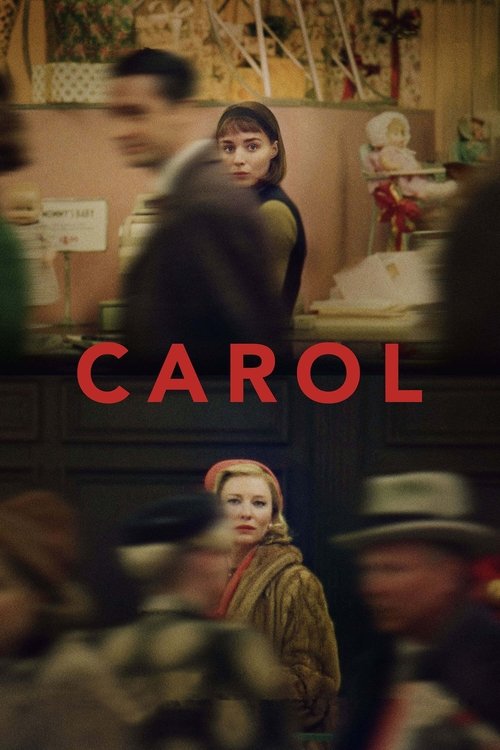
Modeling these features in ways both aesthetic and thematic after key works from filmmaker Douglas Sirk (most notably 1955's "All That Heaven Allows"), Haynes is so adept at capturing this period and milieu it is as if he has transported his cast back in time.
Dustin Putman • The Film File
thefilmfile.com ↗
His modernist take on All That Heaven Allows, Far From Heaven, exemplified his desire to recreate that aesthetic in the present film climate.
CinemaSight
cinemasight.com ↗
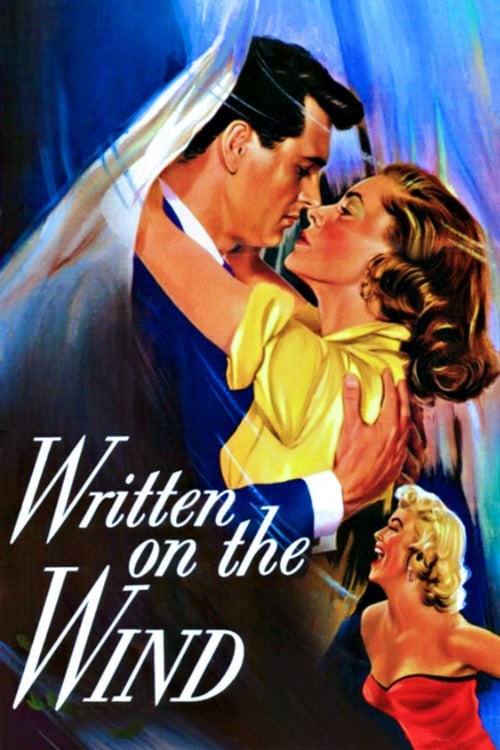
Además de imitar el estilo visual de Douglas Sirk (espacios opulentos, vestuarios suntuosos y una paleta de colores saturados) como en All That Heaven Allows (1955), Written on the Wind (1956) o Imitation of Life (1959), Haynes pretendía recurrir a gesticulaciones y ademanes de mayor estilización para expresar la desilusión y desesperanza de sus personajes sumidos en un mundo que visualmente luce brillante y perfecto.


Crazy Rich Asians poster
Cinematographer Vanja Cernjul ( Violet & Daisy ) shoots things with a colorful eye for detail, things achieving an almost Technicolor-like splendor that reminded me of Douglas Sirk classics like Written on the Wind and Magnificent Obsession.
Sara Michelle Fetters
moviefreak.com ↗
Cinematographer Vanja Cernjul ( Violet & Daisy ) shoots things with a colorful eye for detail, things achieving an almost Technicolor-like splendor that reminded me of Douglas Sirk classics like Written on the Wind and Magnificent Obsession.
Sara Michelle Fetters
moviefreak.com ↗
The Pianist poster
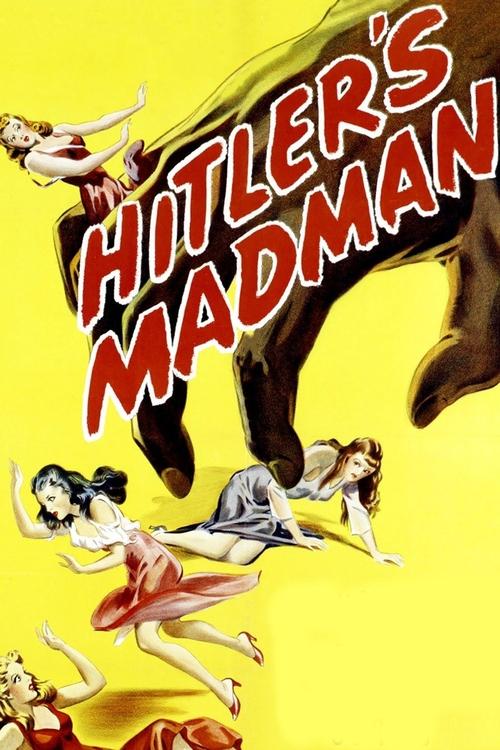
German émigré Douglas Sirk presciently refuted this idea in his American debut film Hitler's Madman (1943), which told of Himmler's razing of the citizens and town of Lidice after the murder of a top official.
Toxic Universe
archive.org ↗
All About My Mother poster
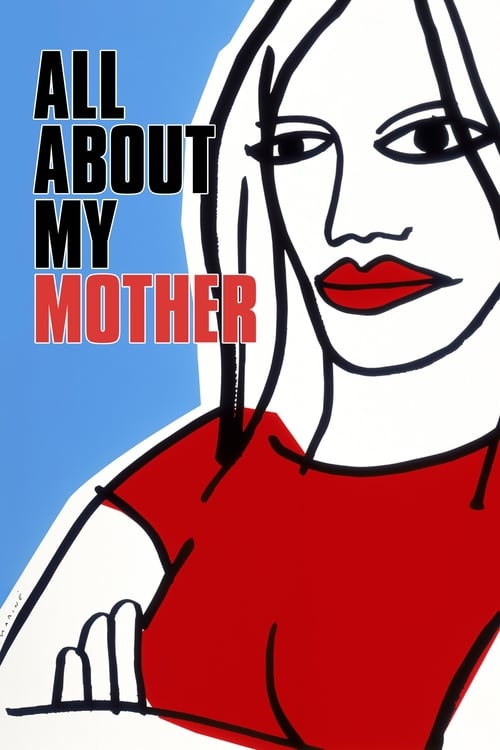
And with All About My Mother, he has made the near equivalent to Sirk's Written on the Wind (1956), a weepie movie with a brainy sensibility, an open heart, and a wicked sense of humor.
Combustible Celluloid
combustiblecelluloid.com ↗
The Killer poster
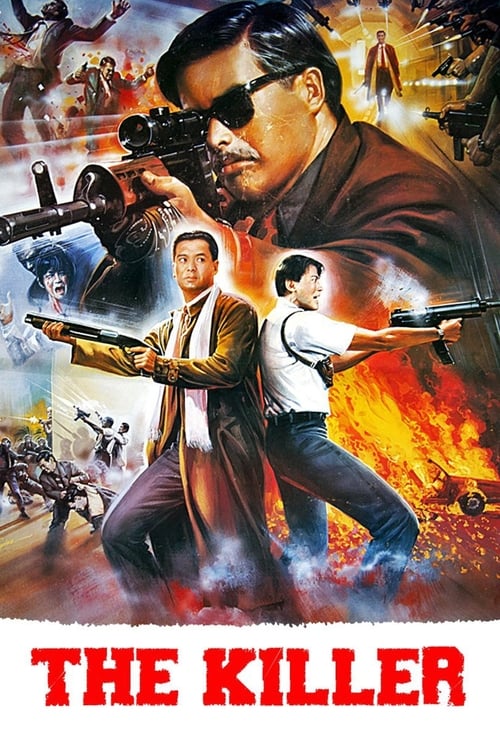
As most critics have noticed, the plot starts off as a retelling of Douglas Sirk's Magnificent Obsession with a young nightclub singer, Jenny (Yeh), accidentally blinded by a good-hearted, and coolly competent contract killer (Chow).
Chronicle Staff • The Austin Chronicle • Sep 15, 1995
austinchronicle.com ↗
The Housemaid poster
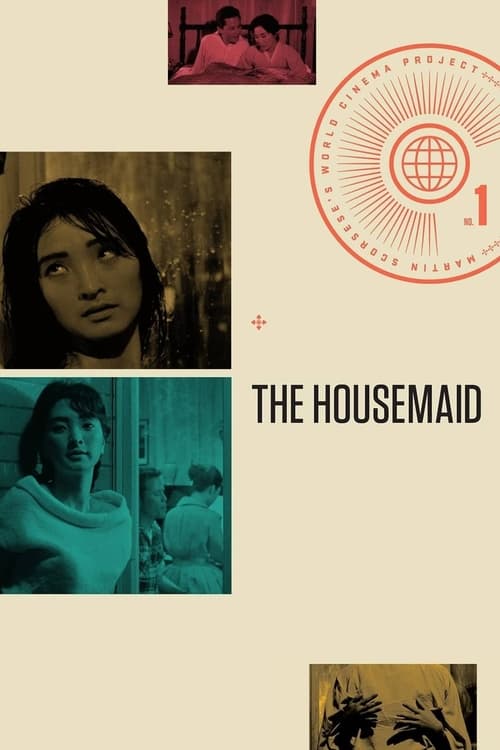
Call them trash, exploitation, or B-movies, Kim's films been compared to the work of Douglas Sirk (Written on the Wind) and Nicholas Ray (Rebel without a Cause), both filmmakers who tried to introduce dark elements into standard soap opera plots.
Combustible Celluloid
combustiblecelluloid.com ↗
May December poster
Take 2002’s Far From Heaven, for example. In many ways, the film, which centers on a 1950s suburban housewife whose secret affair threatens the sanguine domestic lifestyle she is expected to uphold, is a straight-up remake of Douglas Sirk’s 1955 melodrama All That Heaven Allows, complete with all the soap and glitziness that defined Hays Code-era Hollywood.
Guest • The Film Magazine • Dec 13, 2023
thefilmagazine.com ↗
The Matrix Resurrections poster
Wachowski paints in broad, colorful strokes, showcasing the types of big emotional motifs that would fit right at home inside a 1950s Douglas Sirk melodrama like Written on the Wind or All That Heaven Allows .
Sara Michelle Fetters
moviefreak.com ↗
Wachowski paints in broad, colorful strokes, showcasing the types of big emotional motifs that would fit right at home inside a 1950s Douglas Sirk melodrama like Written on the Wind or All That Heaven Allows .
Sara Michelle Fetters
moviefreak.com ↗
Fifty Shades Darker poster
Some of the greatest Hollywood melodramas (such as Douglas Sirk’s “Magnificent Obsession”) featured plotlines of an even more extravagant absurdity than that of “Fifty Shades Darker.”
Richard Brody • The New Yorker • Feb 9, 2017
newyorker.com ↗
Nocturnal Animals poster
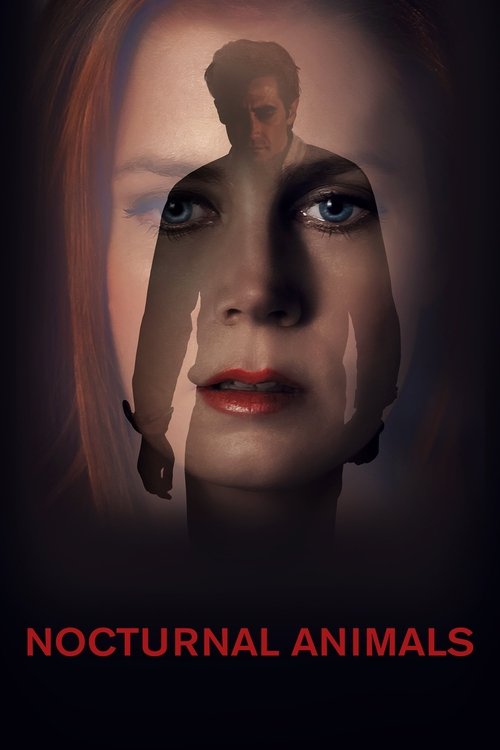
This melodramatic yet nihilistic thriller unfolds in two distinct yet connected locations and mindsets, like a collision between Douglas Sirk’s Written on the Wind and David Lynch’s Lost Highway.
Some close-ups have a megawatt gleam redolent of Douglas Sirk circa Magnificent Obsession (1954).
Financial Times
ft.com ↗
The Fountain poster
…cross between Stanley Kubrick's "2001" and Douglas Sirk's delicious 1954 soaper, "Magnificent Obsession," "The Fountain" is moving only as a testament to Aronofsky's determination to get his half-baked vision before the public.In all three stories, Hugh Jackman plays the part of the questing male.
Style Weekly • Feb 3, 2026
styleweekly.com ↗
Seconds poster
Seconds was seen as a significant acting departure for Hudson, whose career in the late 1960s was on a downward slide after successfully working in several of Douglas Sirk’s 1950s melodramas (including All That Heaven Allows and Written on the Wind) and a number of romantic comedies with Doris Day in the late ’50s and early ’60s (the most famous being Pillow Talk).
Q Network
qnetwork.com ↗
Seconds was seen as a significant acting departure for Hudson, whose career in the late 1960s was on a downward slide after successfully working in several of Douglas Sirk’s 1950s melodramas (including All That Heaven Allows and Written on the Wind) and a number of romantic comedies with Doris Day in the late ’50s and early ’60s (the most famous being Pillow Talk).
Q Network
qnetwork.com ↗
I Am Sam poster
Audiences who would have felt embarrassed about spilling tears at such (much better) testaments to the love of a mother like "Stella Dallas" or "Imitation of Life" could weep at this while feeling they were watching a picture "relevant" to their lives.
Taylor Charles • Salon • Jan 4, 2002
archive.org ↗
The Bridges of Madison County poster
Eastwood and LaGravenese adopt the rough form of classic movie melodramas like Brief Encounter or All That Heaven Allows, but render the clichés so realistically that the ache runs deeper.