
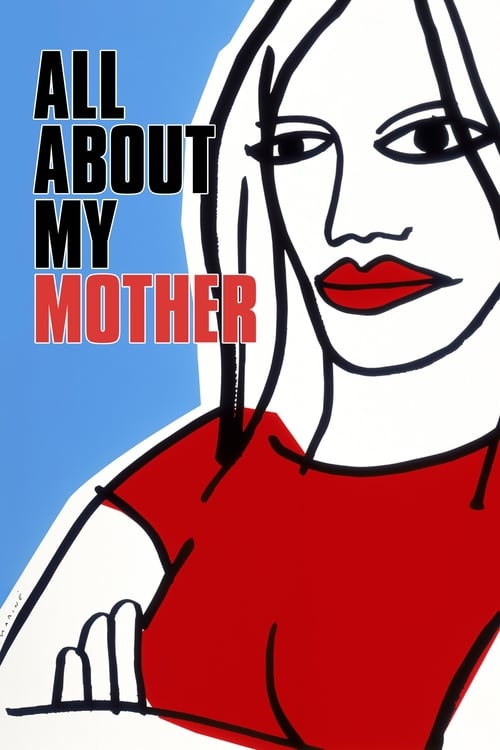
All About My Mother (1999)
Directed by Pedro Almodóvar
Following the tragic death of her teenage son, Manuela travels from Madrid to Barcelona in an attempt to contact the long-estranged father the boy never knew. She reunites with an old friend, an outspoken transgender sex worker, and befriends a troubled actress and a pregnant, HIV-positive nun.
10 connections found
View:
10 films that influenced All About My Mother
What critics say influenced All About My Mother
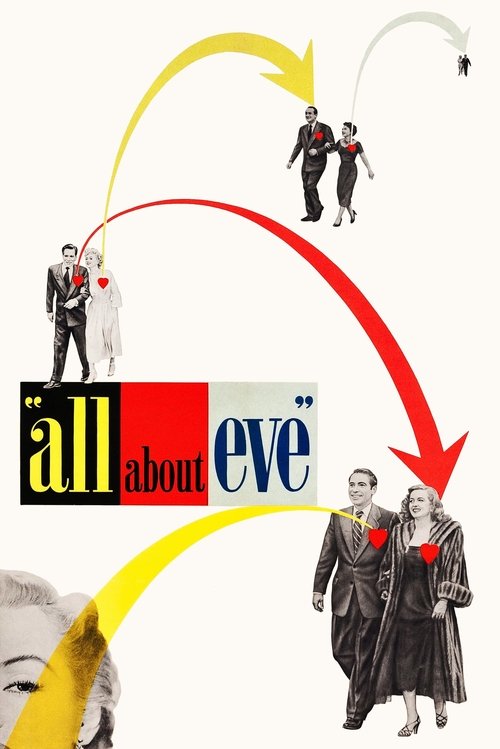


The film pays loving tribute to actresses and that genre of movies familiarly called "women's films" and Almodovar has merged three -- Bette Davis in "All About Eve," Gena Rowlands in "Opening Night" and Romy Schneider in "L'important c'est d'aimer" -- into a buoyant homage to the female sex, "women who act" and "actresses who have played actresses."
Paying homage to cinema legends with a script that overtly references "All About Eve" and "A Streetcar Named Desire," the director has created similarly memorable heroines of his own.
As she gradually regains the will to live through her involvement with the lives of others (including her son's favourite stage diva Paredes), Almodóvar piles on the coincidences, contrivances and twists so that the film succeeds best as a beautifully crafted, semi-ironic melodrama (it cleverly alludes to - and integrates - All About Eve, Streetcar..., Capote, etc).
At the movie’s start, Manuela and Esteban watch All About Eve together on television.
I guess it represents a significant advance in his career, giving us a kinder, gentler, more soulful Almodovar who makes a lot more references than usual to other movies: All About Eve and A Streetcar Named Desire especially, but also (in terms of the story's point of departure) John Cassavetes's Opening Night.
He is watching TV with her and the movie "All About Eve" is on, which encourages him to write in his pad "All About My Mother."
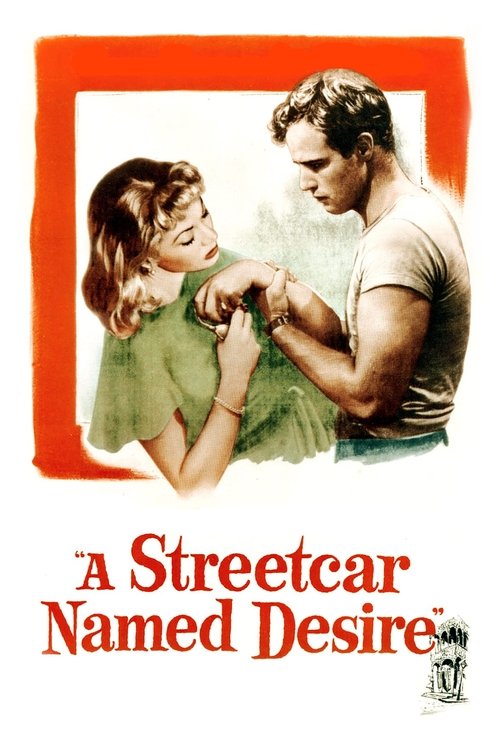
On his 17th birthday, his mother surprises him with tickets to a stage production of "A Streetcar Named Desire" starring the great actress Huma Rojo (Marisa Parides) as Blanche Dubois.
Good fortune smiles upon her when Manuela finds employment as an assistant to actress Huma Rojo (Marisa Paredes), who's playing Blanche in A Streetcar Named Desire.
Paying homage to cinema legends with a script that overtly references "All About Eve" and "A Streetcar Named Desire," the director has created similarly memorable heroines of his own.
Later, they attend a local production of A Streetcar Named Desire starring Huma Rojo, the aforementioned actress.
I guess it represents a significant advance in his career, giving us a kinder, gentler, more soulful Almodovar who makes a lot more references than usual to other movies: All About Eve and A Streetcar Named Desire especially, but also (in terms of the story's point of departure) John Cassavetes's Opening Night.
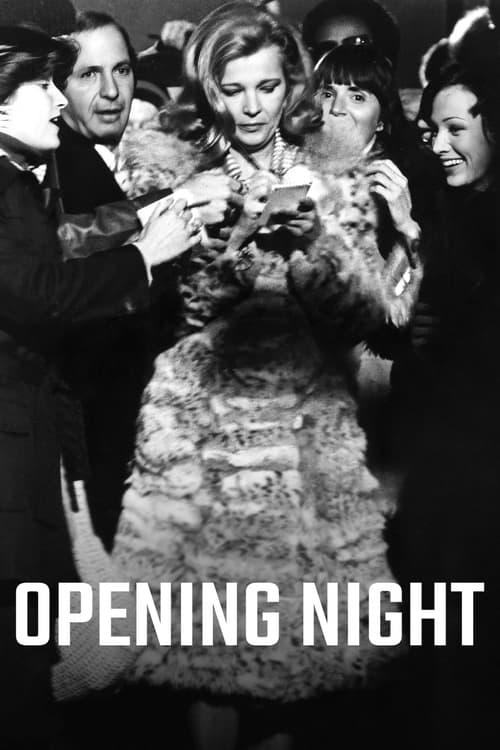
The film pays loving tribute to actresses and that genre of movies familiarly called "women's films" and Almodovar has merged three -- Bette Davis in "All About Eve," Gena Rowlands in "Opening Night" and Romy Schneider in "L'important c'est d'aimer" -- into a buoyant homage to the female sex, "women who act" and "actresses who have played actresses."
Yet despite those antecedents (and others, like Cassavetes' "Opening Night"), this film is pure Almod¢var.
I guess it represents a significant advance in his career, giving us a kinder, gentler, more soulful Almodovar who makes a lot more references than usual to other movies: All About Eve and A Streetcar Named Desire especially, but also (in terms of the story's point of departure) John Cassavetes's Opening Night.
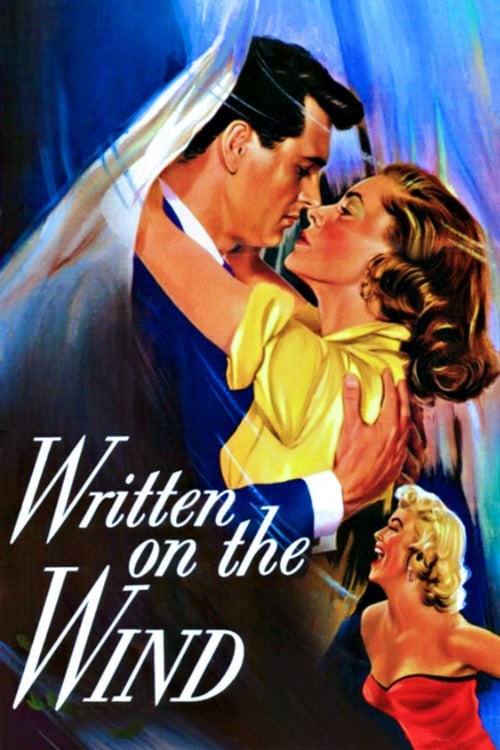
And with All About My Mother, he has made the near equivalent to Sirk's Written on the Wind (1956), a weepie movie with a brainy sensibility, an open heart, and a wicked sense of humor.
Advertisement
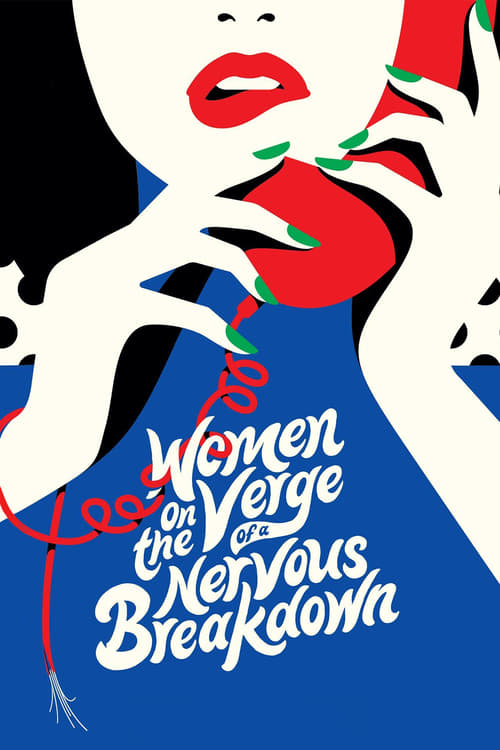
As good as-if not better than-his most popular film, "Women on the Verge of a Nervous Breakdown," "All About My Mother" revisits some of the same themes of female vulnerability and solidarity, but in a new and profoundly mature way.
That said, those unfamiliar with Almodovar's previous films (such as "Tie Me Up! Tie Me Down!" and "Women on the Verge of a Nervous Breakdown") may be taken aback by the strong sexual undercurrents and off-kilter sensibilities.
22, 1999) -- In Pedro Almodovar's brilliant All About My Mother, the creator of Women on the Verge of a Nervous Breakdown has a new theory: If it wasn't for women, we'd all be on the verge of a nervous breakdown.
"All About My Mother," the Spanish director's latest, is unapologetically passionate in the manner of his early movies like "Matador" and "Law of Desire," and willfully unhinged like "Women on the Verge of a Nervous Breakdown."
It's not surprising Almodovar's heroines are often actresses, such as the TV personality Carmen Maura played in "Women on the Verge of a Nervous Breakdown" or the jaded second-string star (Victoria Abril) awakened to the possibilities of romance in "Tie Me Up! Tie Me Down!".
While my favorite, Women on the Verge of a Nervous Breakdown at least has farce to fall back on, both this and Tie Me Up! Tie Me Down! (though, esp.

That said, those unfamiliar with Almodovar's previous films (such as "Tie Me Up! Tie Me Down!" and "Women on the Verge of a Nervous Breakdown") may be taken aback by the strong sexual undercurrents and off-kilter sensibilities.
It's not surprising Almodovar's heroines are often actresses, such as the TV personality Carmen Maura played in "Women on the Verge of a Nervous Breakdown" or the jaded second-string star (Victoria Abril) awakened to the possibilities of romance in "Tie Me Up! Tie Me Down!".
While my favorite, Women on the Verge of a Nervous Breakdown at least has farce to fall back on, both this and Tie Me Up! Tie Me Down! (though, esp.
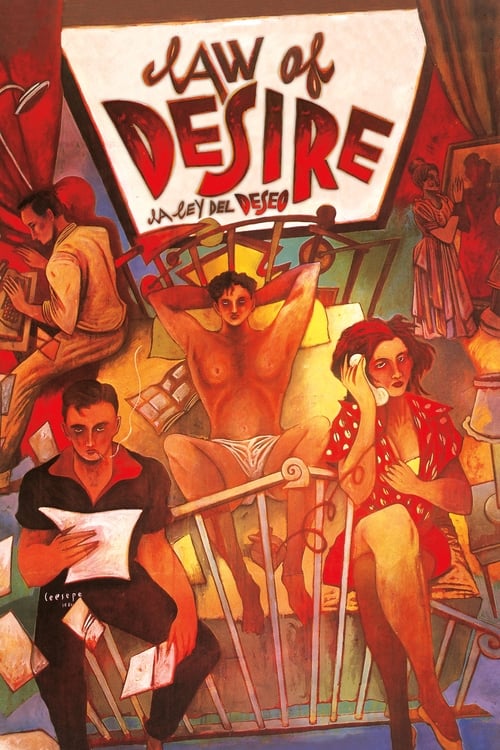
Pedro Almodóvar's best film since Law of Desire, All About My Mother is an affecting ode to the female spirit, the maternal instinct and the craving for melodrama—a soulful mix of comedy and tragedy so life-affirming it leaves you hankering for your mother's embrace.
"All About My Mother," the Spanish director's latest, is unapologetically passionate in the manner of his early movies like "Matador" and "Law of Desire," and willfully unhinged like "Women on the Verge of a Nervous Breakdown."
From the misanthropic "Kika," to the histrionics of "The Flower of My Secret," to the crazy vibrance of "Woman on the Verge of a Nervous Breakdown," "Tie Me Up, Tie Me Down" and "Dark Habits," Almodovar has traipsed all over the emotional map.
I will note, however, that I had not seen Almodovar's The Flower of My Secret (1995) at the time of that review, and it's worth pointing out that there's a fascinating connection between the two films -- which I won't spoil for anyone, because it's so essentially Almodovar to find this kind of playful link between films.
But since 1996's "The Flower of My Secret," and most alarmingly with "Live Flesh" from 1997, he's been experimenting with a formalism that felt conventional, like someone was standing over him saying, "Oh, behave!"
"All About My Mother," the Spanish director's latest, is unapologetically passionate in the manner of his early movies like "Matador" and "Law of Desire," and willfully unhinged like "Women on the Verge of a Nervous Breakdown."
Though the film has a fair share of camp humour, it's the formal and emotional sophistication that really impresses; like Live Flesh, it displays a depth and maturity lacking in Almodóvar's earlier work.
Manuela's journey of healing shows her as comfortable with transvestites (as in the Sandra Bernhard-esque Antonia San Juan) as with nuns (the beautiful Penelope Cruz from Mr. Almodóvar's "Live Flesh").
But since 1996's "The Flower of My Secret," and most alarmingly with "Live Flesh" from 1997, he's been experimenting with a formalism that felt conventional, like someone was standing over him saying, "Oh, behave!"
After fumbling a little in The Flower of My Secret , Almodovar came back strong in 1997 with Live Flesh .