
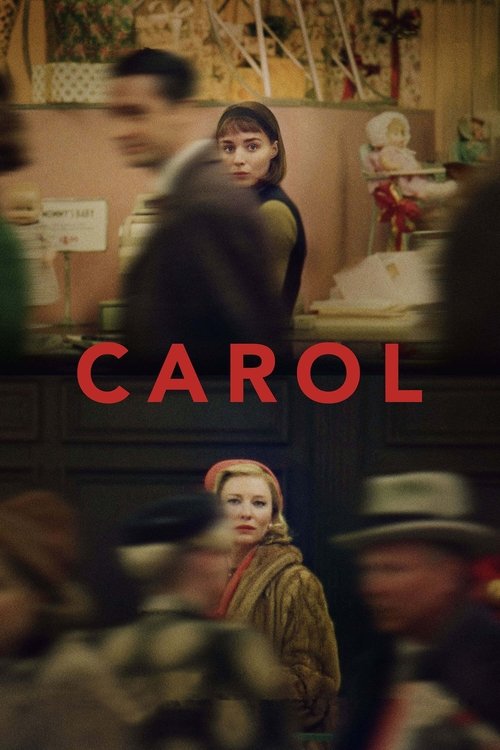
Carol (2015)
Directed by Todd Haynes
In 1950s New York, a department-store clerk who dreams of a better life falls for an older, married woman.
46 connections found
View:
46 films that influenced Carol
What critics say influenced Carol
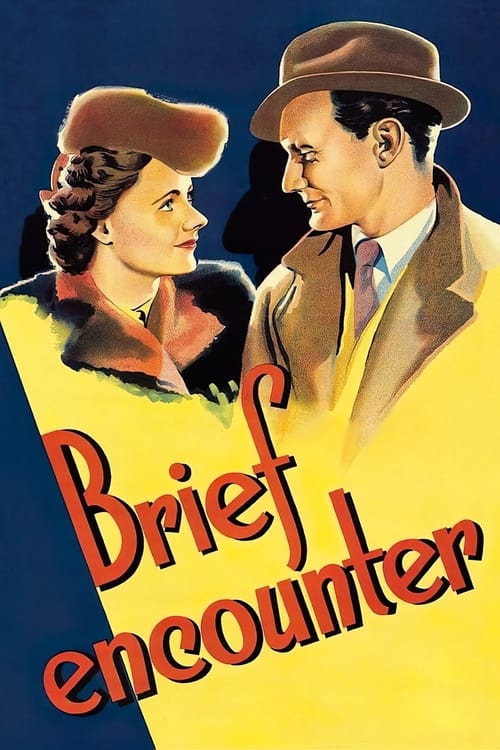


Yes, we might recognize that the hand touching the shoulder echoes David Lean’s Brief Encounter and that the transcendent final scene is inspired by the blocking and camera moves (although not the averted eyes) of the Ernie’s Restaurant sequence in Vertigo .
Haynes even steals from the best, borrowing from Brief Encounter, the homage a symbol (in a work that’s full of them) of aiming higher than high.
In scripting Todd Haynes’s Carol, an adaptation of Patricia Highsmith’s 1952 lesbian romance novel The Price of Salt, screenwriter Phyllis Nagy borrows a structural device from Noel Coward’s script for David Lean’s Brief Encounter (1945).
As a homage to David Lean’s 1945 classic Brief Encounter, the film is bookended by a scene in a restaurant where Carol and Therese are interrupted at an inopportune time.
Haynes was inspired by David Lean’s Brief Encounter, a 1945 romantic classic about an emotional affair that similarly begins and ends with the same scene, its meaning deepening the second time.
(Despite its period setting, “Carol” is not overloaded with film-school references, but there were moments when I could feel the undertow of “Roman Holiday” and David Lean’s “Brief Encounter” and Martin Scorsese’s underappreciated “The Age of Innocence.”)
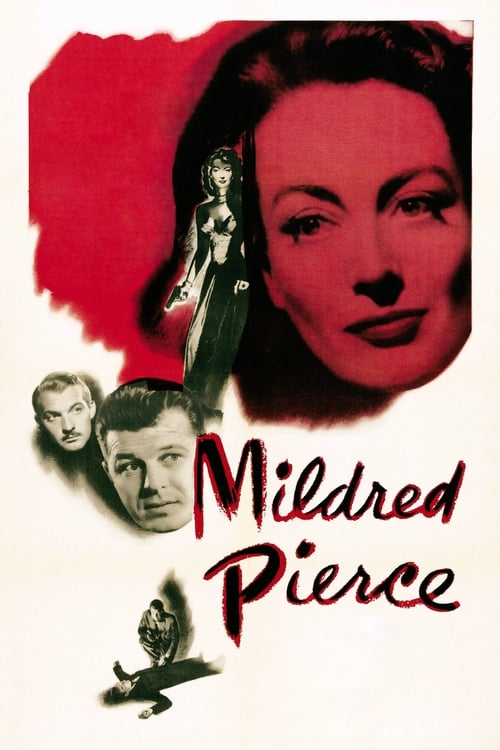
Far From Heaven , the TV series Mildred Pierce and now the glorious Carol rekindle the spirit of an age when “women’s pictures” were commonplace in Hollywood, telling female-centred, taboo-breaking stories, featuring exceptional actresses such as Barbara Stanwyck, Joan Crawford and Bette Davis, whose characters face obstacles – prejudice around race, class, gender – that are no less prevalent today.
But after Far From Heaven and his adaptation of Mildred Pierce for HBO, his experiment in period moviemaking feels less a tribute to directors like Douglas Sirk and more like the cinematic necrophilia of his short Karen Carpenter film.
His first foray into this style, Far From Heaven, was half homage to women’s picture king Douglas Sirk, half postmodern chiding of the genre’s limitations, but after readapting Mildred Pierce into a compulsively watchable miniseries on HBO, Haynes is ready to play it straight.
In 2011’s HBO miniseries Mildred Pierce, he supersized the 1945 Joan Crawford original’s tragic feminism and made his update feel urgent and new.
But other of his works, including the Julianne Moore-starring "Far From Heaven" and the James M. Cain "Mildred Pierce" adaptation for HBO, have a visual look that the technicians of Hollywood's Golden Age might envy.
Starring Cate Blanchett and Rooney Mara in top form as a pair of women drawn together in spite of the intrusive men around them, “Carol” undeniably marks Haynes’ most contained work, though it also shows the influence of the director’s several period dramas preceding it — including his “Mildred Pierce” miniseries for HBO and, most significantly, his 2002 refashioning of a Douglas Sirk melodrama, “Far From Heaven.”
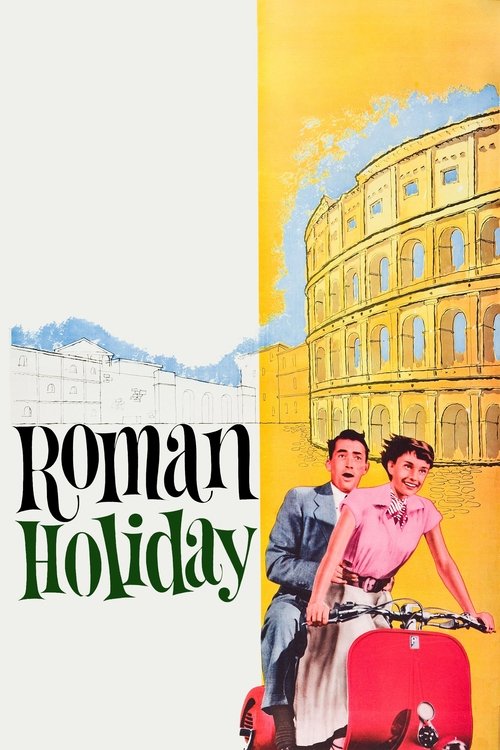
(Despite its period setting, “Carol” is not overloaded with film-school references, but there were moments when I could feel the undertow of “Roman Holiday” and David Lean’s “Brief Encounter” and Martin Scorsese’s underappreciated “The Age of Innocence.”)
And rather than Carol and Theresa’s relationship existing as a beautiful thing belonging to a particular time in one’s life – the message that singularly made Audrey Hepburn and Gregory Peck’s liaison in Roman Holiday (1953) so rich and memorable – Haynes is reluctant to close the book on it.
Mara looks like she just accepted an Oscar for Roman Holiday.
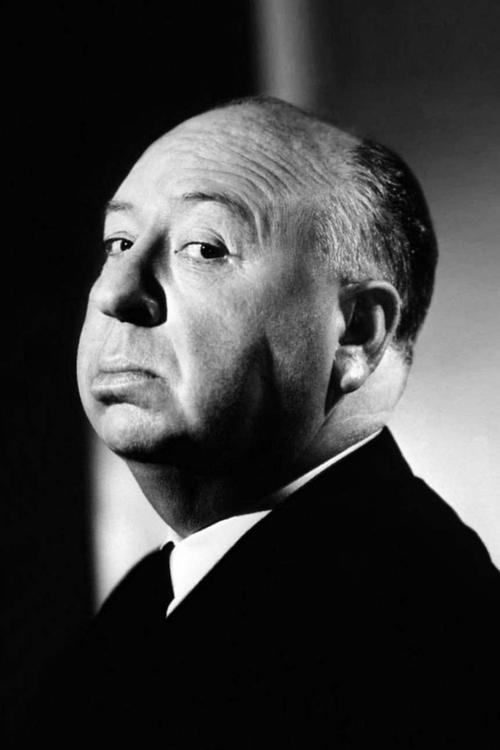
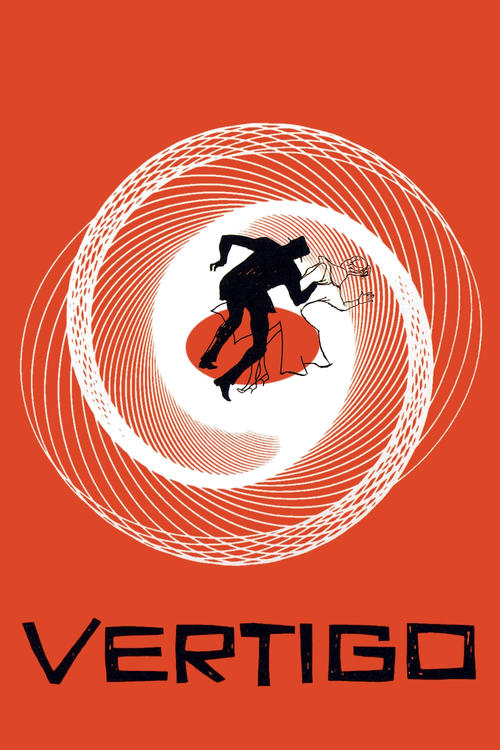
Yes, we might recognize that the hand touching the shoulder echoes David Lean’s Brief Encounter and that the transcendent final scene is inspired by the blocking and camera moves (although not the averted eyes) of the Ernie’s Restaurant sequence in Vertigo .
It’s the film’s skill in portraying the two women’s emotional arcs with such precision that makes its final moment so radiant, achieving an effect not unlike the one Hitchcock managed in the first vision Scottie has of Madeleine in “Vertigo.”
Haynes utiliza la puesta en escena para guiar emocionalmente al espectador sin que este se dé cuenta (esos planos de la magnífica Rooney Mara, como Blanchett, en el extremo izquierdo del encuadre, para mostrarlo a la deriva), y como ya hicieran Hitchcock y Powell en los cincuenta (el restaurante de Vértigo, en la memoria), aplican los dominantes colores rojo y verde en un mismo plano como elemento dramático además de estético: los jerseys de las protagonistas en la cafetería.
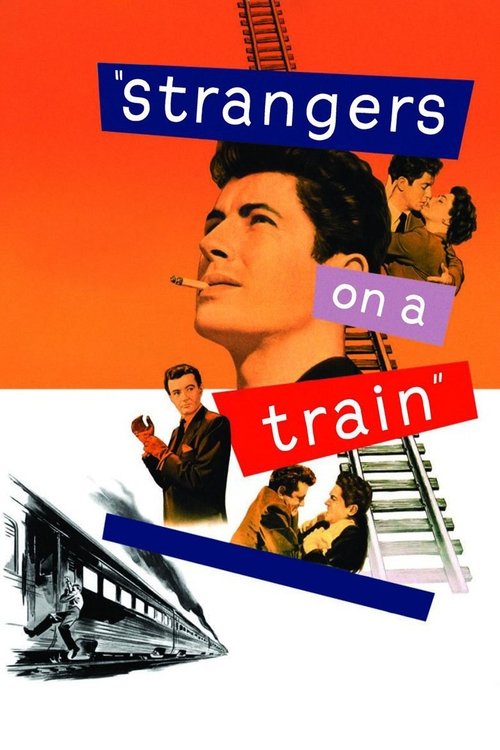
"Heaven," from Haynes' original script, was inspired by the coded Hollywood soap operas of '50s director Douglas Sirk, but the less complicated plot of "Carol" comes from "The Price of Salt," a 1952 novel of same-sex romance originally published under an alias by suspense specialist Patricia Highsmith, famed writer of such cinema-ready classics as "Strangers on a Train" and "The Talented Mr. Ripley."
It helps that the film is based on a novel actually published in the same time period, The Price of Salt by Patricia Highsmith (who’s best known for suspense novels like Strangers on a Train and The Talented Mr. Ripley).
Conceived in a fevered state (“it flowed from my pen as from nowhere”) and jointly inspired by Highsmith’s passion for an elegant blonde woman she once served in a Manhattan department store around Christmas 1948 and the custody battles of a former partner, The Price of Salt was originally published under the pseudonym Claire Morgan for fear that it would adversely affect the Strangers on a Train writer’s reputation.
Carol is based on a novel by Patricia Highsmith, best known for suspense stories like Strangers on a Train and The Talented Mister Ripley , so the film does head into a bit of pulp toward the end.
In 1949, Patricia Highsmith , waiting to hear back from a publisher about a manuscript ("Strangers On a Train", maybe you've heard of it) wrote a novel about a relationship between a shy shopgirl and a much older housewife.
Advertisement
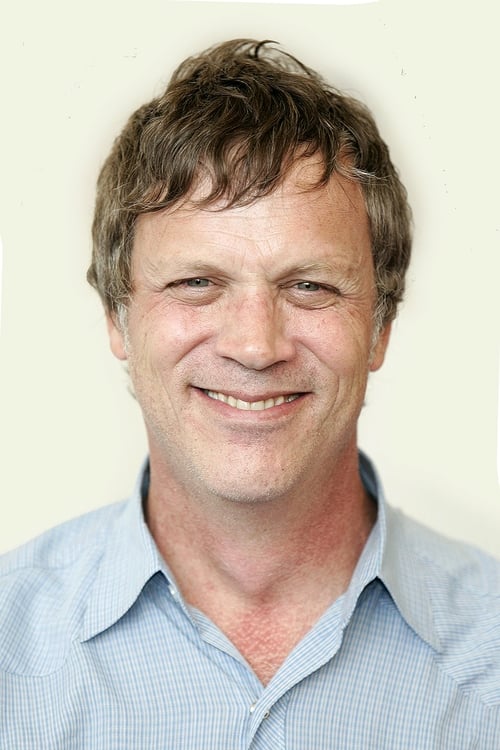
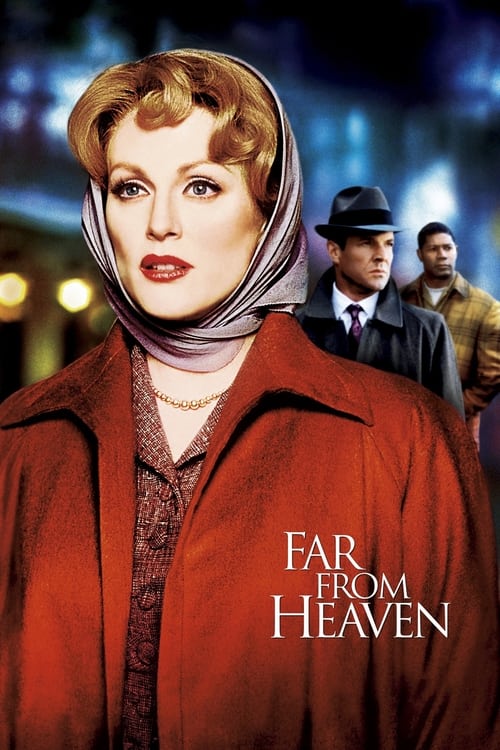
But other of his works, including the Julianne Moore-starring "Far From Heaven" and the James M. Cain "Mildred Pierce" adaptation for HBO, have a visual look that the technicians of Hollywood's Golden Age might envy.
“Carol” is the latest film from director Todd Haynes (“Far From Heaven”), and arguably his best.
They would be being themselves in the 1950s, an era director Todd Haynes (“Far From Heaven”) excels at capturing.
Director Todd Haynes went deeper and farther with 2002’s acclaimed “Far From Heaven,” another melodrama inspired by prolific '50s director Douglas Sirk.
If that's true, then Carol, the romantic drama from director Todd Haynes (Far From Heaven), goes one step further by photographing the photo of the photo, and thereby creating a hazy, distant depiction of forbidden love.
An obvious companion piece to Haynes’ “Far From Heaven” and “Mildred Pierce,” and no less painstaking in its intricate re-creation of a mid-20th-century American milieu, the Weinstein Co. drama (set for a Dec. 18 release) should have little trouble translating critical plaudits, especially for Cate Blanchett ’s incandescent lead performance, into significant year-end attention.
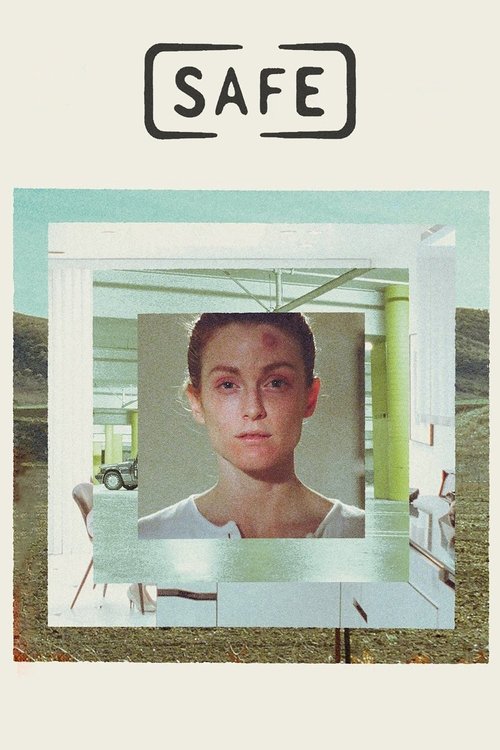
But it is director Todd Haynes, oozing the confidence that defined 2002’s Far From Heaven , who is the real magician here, combining the subversive clout of his 1991 Jean Genet-inspired Poison with the flawlessly empathetic character study of 1995’s Safe and the swooning period detail of 1998’s Velvet Goldmine .
Since his early days with “Superstar: The Karen Carpenter Story” and “Safe,” Haynes has developed sophisticated narratives out of existing cultural reference points.
Director Haynes is a noted name in the so-called New Queer cinema - though his varied filmography, which includes the Douglas Sirk homage Far From Heaven, the underrated Safe and the poetic Dylan collage I'm Not There, ranges widely outside that territory.
It has been exciting to watch Haynes mature as a filmmaker, starting with his super 8 film "Superstar: The Karen Carpenter Story" and progressing through films like "Poison," "Safe," and "Far From Heaven."
In other words, it's thematically exactly what you suppose the story about two women falling in love during the Eisenhower administration would be, doubly so when it comes from the director of Far from Heaven, and if there's one thing that tempers my immediate gut response to the film (which was, for the record "This is his second-best film after Safe ), it's that Carol is alarmingly straightforward for a Todd Haynes film.
To me, Haynes is one of our great directors, and with his best films, Safe (1995), Far from Heaven (2002), and I'm Not There (2007), he managed both touchingly emotional explorations of human behavior as well as structural commentaries of the same.
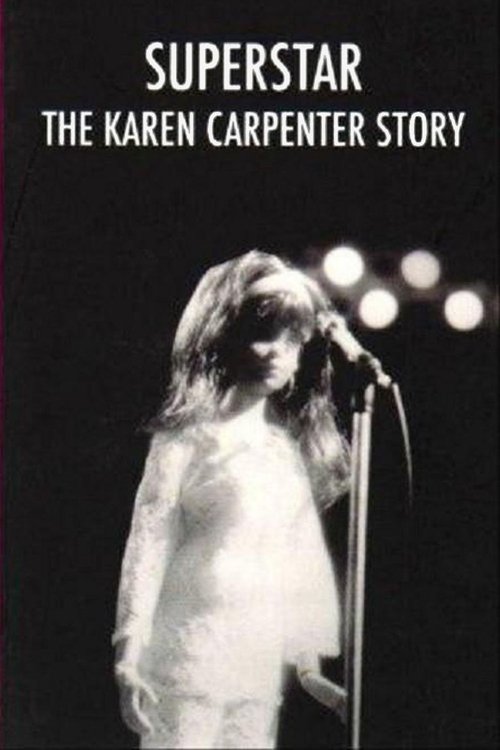
Since his early days with “Superstar: The Karen Carpenter Story” and “Safe,” Haynes has developed sophisticated narratives out of existing cultural reference points.
It has been exciting to watch Haynes mature as a filmmaker, starting with his super 8 film "Superstar: The Karen Carpenter Story" and progressing through films like "Poison," "Safe," and "Far From Heaven."
In many respects, Carol is the culmination of Haynes’s career, one that dates back to the still-suppressed late-1980s examination of anorexia, Superstar: The Karen Carpenter Story , and now comes full circle with this very different tale of a woman out of time.
Haynes’ own ur-text, or “skeleton key” film, as identified by critic Dennis Lim, is his debut: 1987’s thesis film Superstar: the Karen Carpenter Story, which recast Carpenter’s tragic life story using Barbie dolls; the kind of signifiers of idealised femininity that played a role in her own downfall.
Ambos intereses se reunieron en su cortometraje Superstar: The Karen Carpenter Story (1987).
Several of Haynes' films, such as "Superstar: The Karen Carpenter Story" (made largely with Barbie dolls) and "I'm Not There" (where six actors played Bob Dylan), confound with their nontraditional narrative techniques.
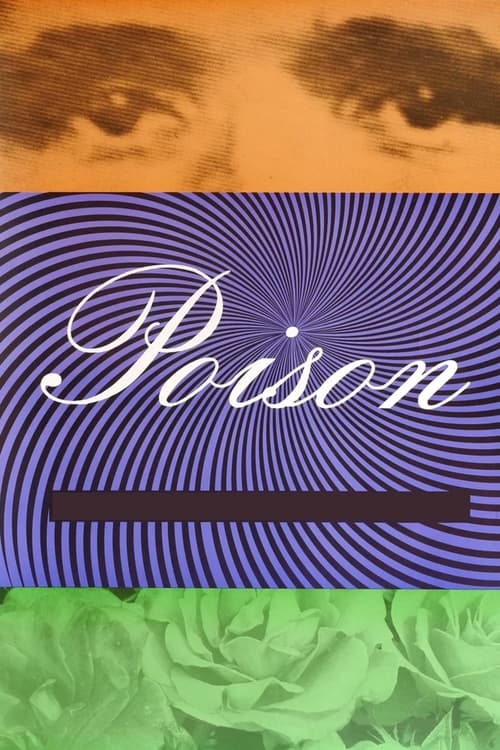
But it is director Todd Haynes, oozing the confidence that defined 2002’s Far From Heaven , who is the real magician here, combining the subversive clout of his 1991 Jean Genet-inspired Poison with the flawlessly empathetic character study of 1995’s Safe and the swooning period detail of 1998’s Velvet Goldmine .
It has been exciting to watch Haynes mature as a filmmaker, starting with his super 8 film "Superstar: The Karen Carpenter Story" and progressing through films like "Poison," "Safe," and "Far From Heaven."
Right from Todd Haynes’ highly original 1991 feature, Poison , it was apparent that this was a natural director with a great feel for cinematic language.
And it is Haynes—without the extravagant shape-shifting masquerades of Velvet Goldmine and Poison —coming out as well.
With wider community acceptance of queer issues, Haynes knows audiences are less interested in the radical queer films of his past – such excellent works as Poison (1992) or Velvet Goldmine (1998) – rather, just like what legendary provocateur and fabulously queer Pink Flamingos director John Waters stated in ArtForum , “Maybe the only way to be transgressive these days is to be shockingly tasteful.”
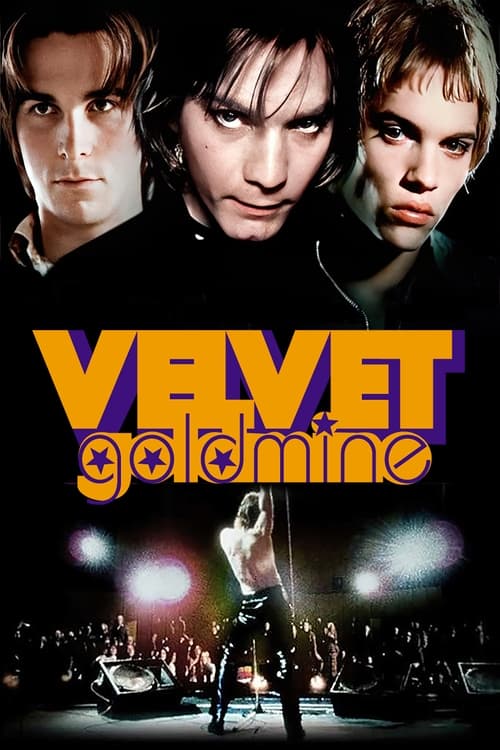
But it is director Todd Haynes, oozing the confidence that defined 2002’s Far From Heaven , who is the real magician here, combining the subversive clout of his 1991 Jean Genet-inspired Poison with the flawlessly empathetic character study of 1995’s Safe and the swooning period detail of 1998’s Velvet Goldmine .
Music has played a significant role in many of Todd Haynes’ films – from Velvet Goldmine to I’m Not There - and while it’s not exactly central to the plot of his newest movie, Burwell’s arrangements notably add to the emotionality of every scene.
And it is Haynes—without the extravagant shape-shifting masquerades of Velvet Goldmine and Poison —coming out as well.
He explored camp in Velvet Goldmine (1998) and melodrama in Safe (1995) and Far From Heaven (2002), then surprised everyone by casting Blanchett (among others) as Bob Dylan in I'm Not There (2007).
With a filmography that includes “Far From Heaven” and “Velvet Goldmine,” Haynes has long been fascinated with how, in prior eras, the love that dare not speak its name introduced itself.
Haynes doesn’t exactly crank them out; he hasn’t made more than a handful of films since ( Velvet Goldmine , Safe , Far From Heaven , I’m Not There ), but all of them have been well worth watching.
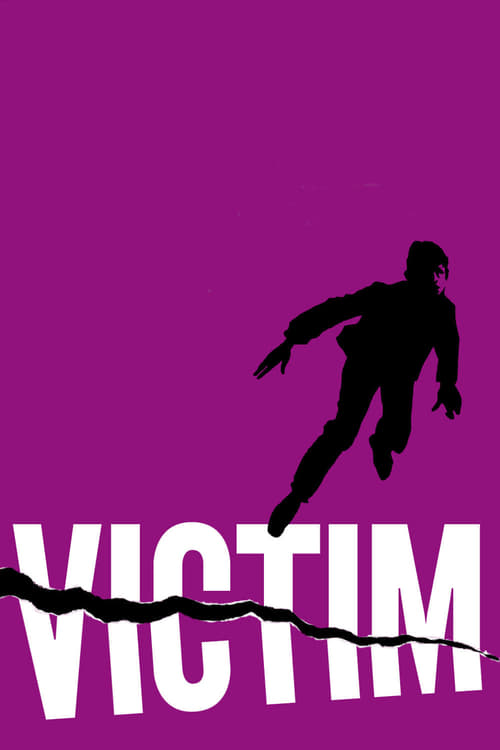
The words “homosexual” and “lesbian” are never once uttered, presumably a reference to the fact that the word “homosexual” was never used in a film until 1961’s Victim , which was subsequently banned in the UK and US because of it.
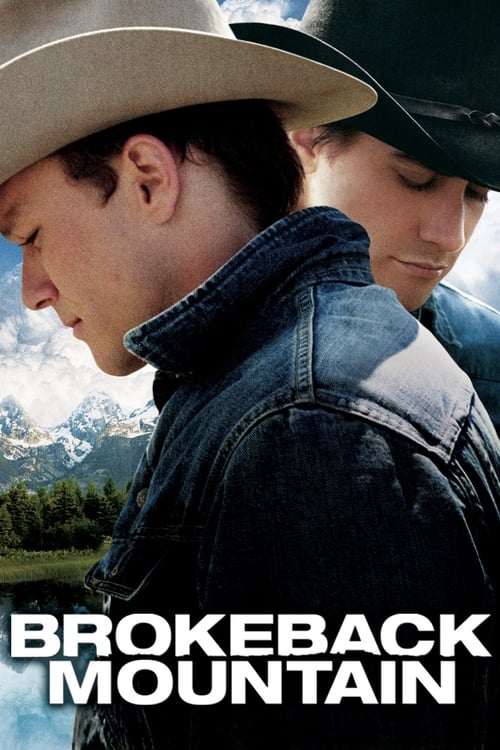
The austerity of Carol reminds you of Brokeback Mountain , that other great gay romance set in a hostile time.
As a rare prestige picture centered around a homosexual relationship set during a much less tolerant era, “Carol” stands to generate perhaps an even warmer audience embrace than “Brokeback Mountain” did 10 years earlier, hopefully absent much of the snickering embarrassment that soured the otherwise widespread acclaim for Ang Lee’s classic.
The austerity of Carol reminds you of Brokeback Mountain , that other great gay romance set in a hostile time.
In fact, while I appreciate the brashness of Rushmore , there is only one Wes Anderson movie I truly love, and I know I’m not alone: My informal investigations over the past few years have identified Fantastic Mr. Fox as the Wes Anderson Movie for People Who Hate Wes Anderson Movies.
In a flurry of recent interviews, Wes Anderson - the corduroyed auteur behind Rushmore, The Royal Tenenbaums, and other films about dreamers and depressives who move to a decidedly retro beat - has said his experience on Fantastic Mr. Fox changed his whole approach to moviemaking.
" Moonrise Kingdom ," the new movie from Wes Anderson (" Rushmore ," " The Darjeeling Limited ," " Fantastic Mr. Fox ") offers paradise sought, paradise gained and paradise lost, all in very little over 90 minutes.
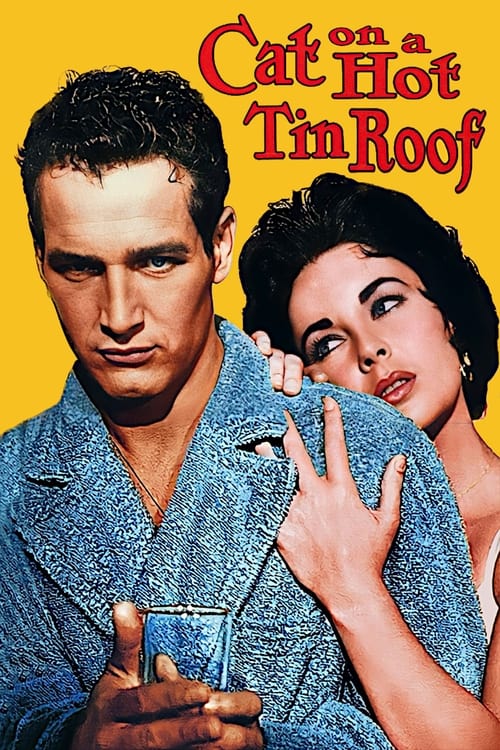
For the majority of the first half, when sexuality is cloaked under euphemisms and could be interpreted as nothing more than a close friendship, it resembles the 1958 film adaptation of Cat on a Hot Tin Roof , a stage play with overtly homosexual themes about sexual repression.
Advertisement
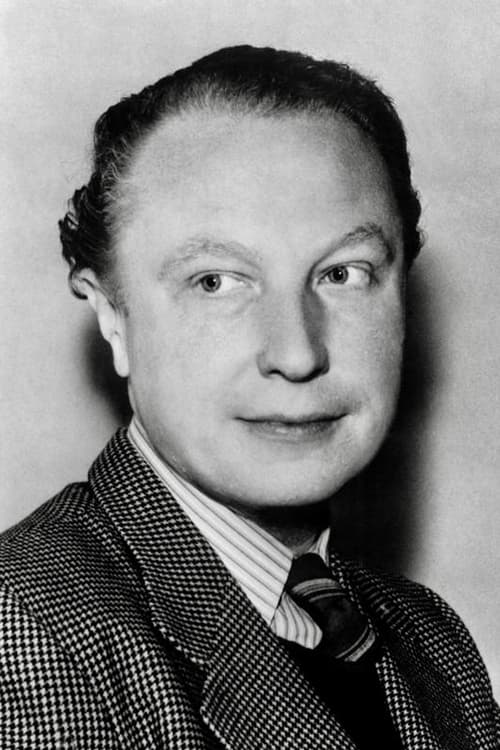

Modeling these features in ways both aesthetic and thematic after key works from filmmaker Douglas Sirk (most notably 1955's "All That Heaven Allows"), Haynes is so adept at capturing this period and milieu it is as if he has transported his cast back in time.
His modernist take on All That Heaven Allows, Far From Heaven, exemplified his desire to recreate that aesthetic in the present film climate.
Además de imitar el estilo visual de Douglas Sirk (espacios opulentos, vestuarios suntuosos y una paleta de colores saturados) como en All That Heaven Allows (1955), Written on the Wind (1956) o Imitation of Life (1959), Haynes pretendía recurrir a gesticulaciones y ademanes de mayor estilización para expresar la desilusión y desesperanza de sus personajes sumidos en un mundo que visualmente luce brillante y perfecto.
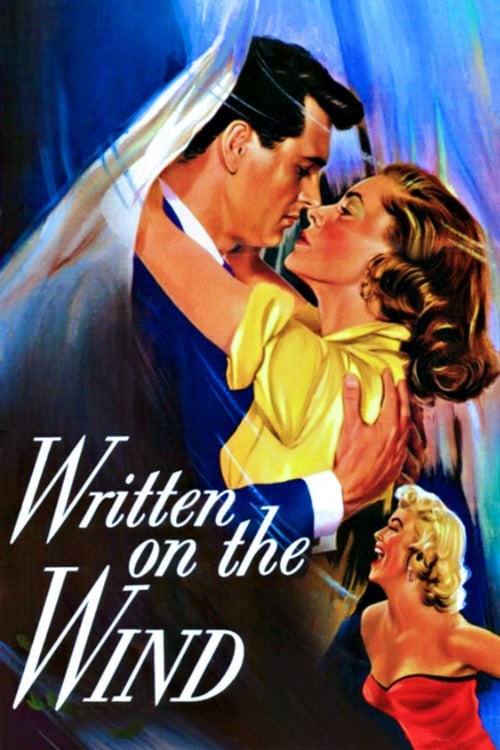
Además de imitar el estilo visual de Douglas Sirk (espacios opulentos, vestuarios suntuosos y una paleta de colores saturados) como en All That Heaven Allows (1955), Written on the Wind (1956) o Imitation of Life (1959), Haynes pretendía recurrir a gesticulaciones y ademanes de mayor estilización para expresar la desilusión y desesperanza de sus personajes sumidos en un mundo que visualmente luce brillante y perfecto.
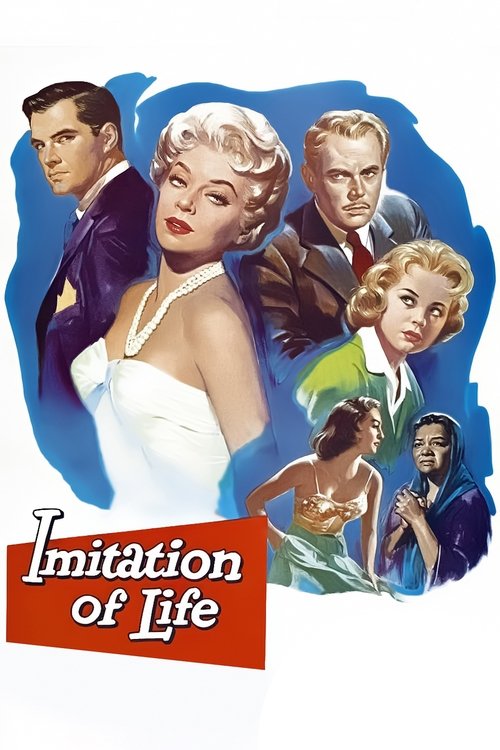
Además de imitar el estilo visual de Douglas Sirk (espacios opulentos, vestuarios suntuosos y una paleta de colores saturados) como en All That Heaven Allows (1955), Written on the Wind (1956) o Imitation of Life (1959), Haynes pretendía recurrir a gesticulaciones y ademanes de mayor estilización para expresar la desilusión y desesperanza de sus personajes sumidos en un mundo que visualmente luce brillante y perfecto.