
Todd Haynes
98 connections found


View:
Connections, in both directions
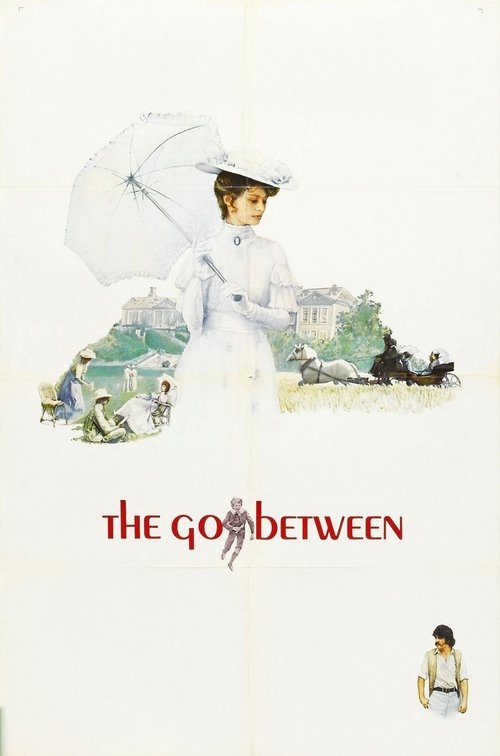


It is during this overture with the monarch resting on select plants that the dramatic theme music from Marcelo Zarvos (who basically repurposed Michel Legrand's theme for 1971's The Go-Between) plays into the concept of melodrama, and how our society feeds off it—especially when it's prepackaged in such a way as this.
The feeling of suspense is goosed by the prickling score, which Haynes borrows from another movie altogether – Michel Legrand’s theme from Joseph Losey’s 1971 film, The Go-Between. The two films hinge on furtive affairs, but more significantly, both films are about a person too unformed to understand how they are being manipulated. In May December that person is Joe, Gracie’s husband, played as an adult by Charles Melton (a former CW heartthrob, he was Reggie on Riverdale).
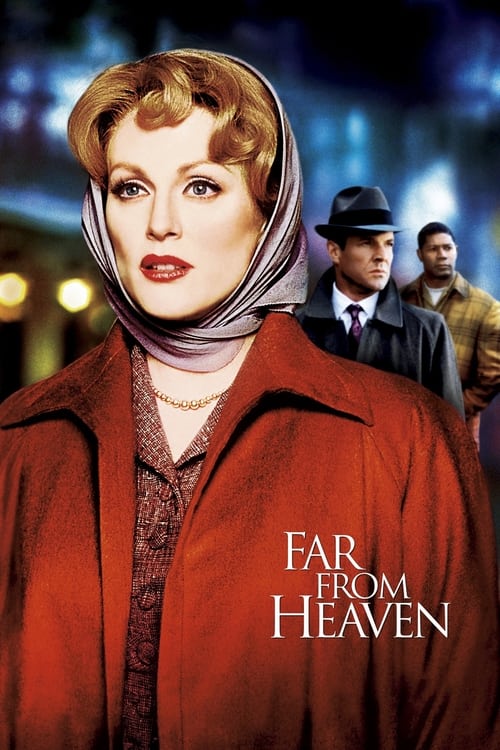
By adapting Michel Legrand's music for Joseph Losey's “The Go-Between,” Marcelo Zarvos' score emphasizes the roots of the film in the classical melodramas to which the writer-director paid homage in his remarkable “Far From Heaven” back in 2002.
Instead of writing a totally original score, Haynes––in a brilliant artistic recycling on par with R.M.N.'s re-use of In the Mood for Love‘s theme at Cannes last year––asked composer Marcelo Zavros to adapt one of his favorite scores: Michel Legrand's compositions for 1971's The Go-Between.
Close-up images of Monarch butterflies and their surrounding manicured flower gardens are scored by the theme from Joseph Losey’s 1971 film The Go-Between. The archly dramatic music lends a discomfiting feeling to the scenes of domesticity (a cookout for friends and family in Savannah, Georgia) that soon follow. Such a jarring juxtaposition, best encapsulated by said music leading into a character complaining about not having enough hot dogs, sets up a film that wants to suture the lurid and the mundane, creating in the process a masterful meditation on performance and predation.
Haynes—aided by a discordant score from Marcelo Zarvos, who adapted Michel Legrand's work from the 1971 film The Go-Between—trains the camera on the details that show the ripple effects of Gracie's abuse.
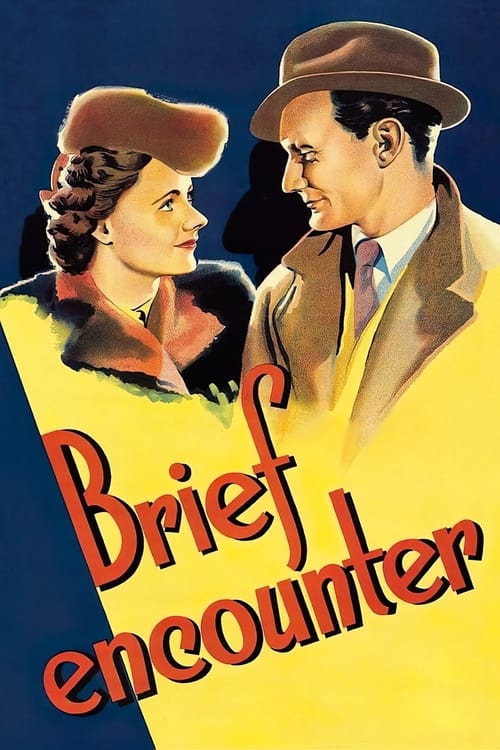
Yes, we might recognize that the hand touching the shoulder echoes David Lean’s Brief Encounter and that the transcendent final scene is inspired by the blocking and camera moves (although not the averted eyes) of the Ernie’s Restaurant sequence in Vertigo .
Haynes even steals from the best, borrowing from Brief Encounter, the homage a symbol (in a work that’s full of them) of aiming higher than high.
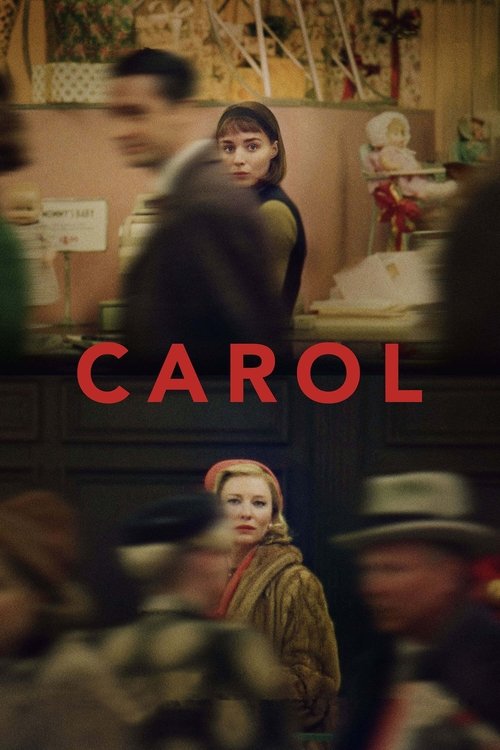
In scripting Todd Haynes’s Carol, an adaptation of Patricia Highsmith’s 1952 lesbian romance novel The Price of Salt, screenwriter Phyllis Nagy borrows a structural device from Noel Coward’s script for David Lean’s Brief Encounter (1945).
As a homage to David Lean’s 1945 classic Brief Encounter, the film is bookended by a scene in a restaurant where Carol and Therese are interrupted at an inopportune time.
Haynes was inspired by David Lean’s Brief Encounter, a 1945 romantic classic about an emotional affair that similarly begins and ends with the same scene, its meaning deepening the second time.
(Despite its period setting, “Carol” is not overloaded with film-school references, but there were moments when I could feel the undertow of “Roman Holiday” and David Lean’s “Brief Encounter” and Martin Scorsese’s underappreciated “The Age of Innocence.”)
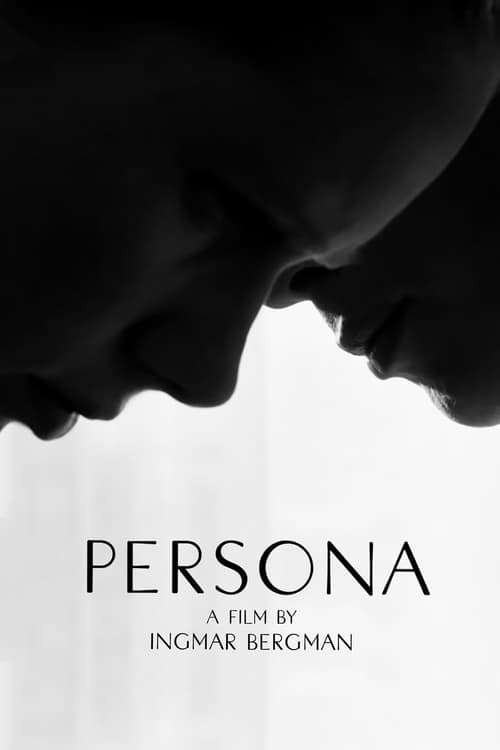
Persona (1966)
Directed by Ingmar Bergman
influenced May December (2023)
Visuals Characters Plot Themes
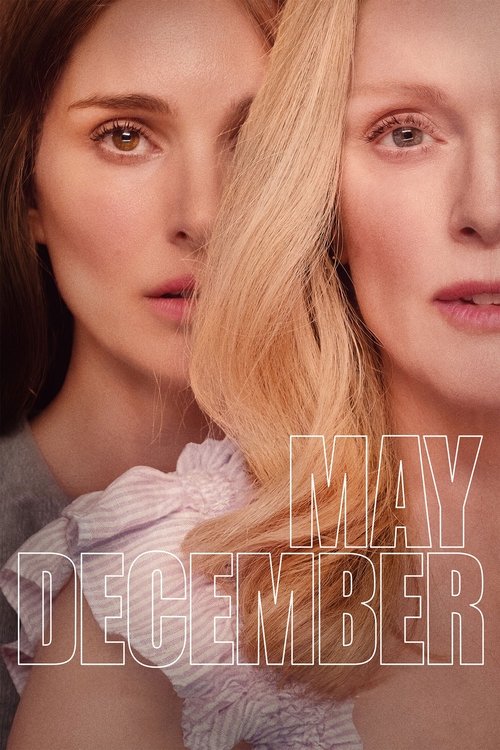
Elsewhere his references skew higher-brow: When he positions Moore and Portman side-by-side in closeup, he evokes the dreamy surrealism of Ingmar Bergman's Persona and David Lynch's Mulholland Drive, as if to suggest that Gracie's and Elizabeth's identities are blurring together.
With Carol and Far from Heaven, the director nodded to the mid-century melodramas of Douglas Sirk, but May December somehow owes more to both the Lifetime variety of the genre and Ingmar Bergman works like Persona. With that dichotomy, May December possesses an eely quality; it slides between comedy and drama, from entertaining to unnerving.
But both leads do transfixing work with characters who constantly reveal different sides of themselves, which is fitting given that one of Haynes’ acknowledged inspirations was Bergman’s Persona.
Much of the pleasure of the film lies in its clash of styles. At certain moments, it is trashy and voyeuristic. At others, for example when Elizabeth and Gracie are alone together, it becomes closer to Bergman’s Persona, with its famous shot in which the faces of the actor played by Liv Ullmann and her nurse Bibi Andersson seem to merge.
May December is Haynes's entry in the “women swapping identities” subgenre (alongside Ingmar Bergman's Persona, Robert Altman's 3 Women, David Lynch's Mulholland Drive, and so on), but it's a fully original one, with its own perspective on the ever-shifting power dynamics at its core.
Reuniting for a fifth time with Julianne Moore, their latest collaboration is heavy on Bergman’s Persona (1966) motifs as well in this hothouse of blurred lines set in one strangely steamy Savannah summer in 2015.
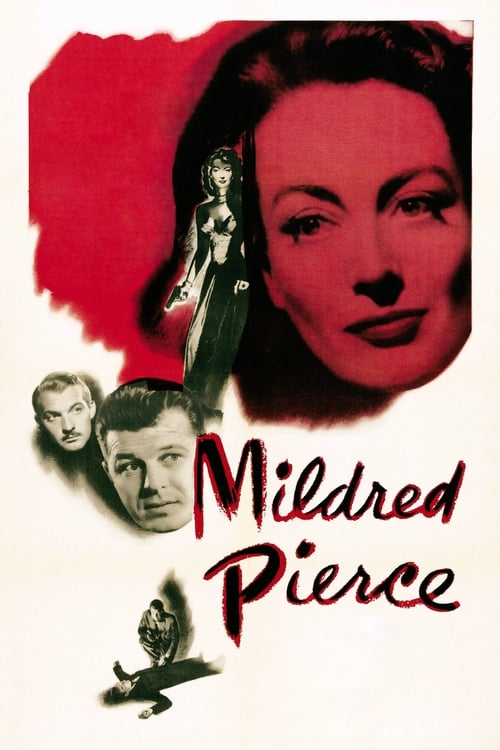
Far From Heaven , the TV series Mildred Pierce and now the glorious Carol rekindle the spirit of an age when “women’s pictures” were commonplace in Hollywood, telling female-centred, taboo-breaking stories, featuring exceptional actresses such as Barbara Stanwyck, Joan Crawford and Bette Davis, whose characters face obstacles – prejudice around race, class, gender – that are no less prevalent today.
But after Far From Heaven and his adaptation of Mildred Pierce for HBO, his experiment in period moviemaking feels less a tribute to directors like Douglas Sirk and more like the cinematic necrophilia of his short Karen Carpenter film.
His first foray into this style, Far From Heaven, was half homage to women’s picture king Douglas Sirk, half postmodern chiding of the genre’s limitations, but after readapting Mildred Pierce into a compulsively watchable miniseries on HBO, Haynes is ready to play it straight.
In 2011’s HBO miniseries Mildred Pierce, he supersized the 1945 Joan Crawford original’s tragic feminism and made his update feel urgent and new.
But other of his works, including the Julianne Moore-starring "Far From Heaven" and the James M. Cain "Mildred Pierce" adaptation for HBO, have a visual look that the technicians of Hollywood's Golden Age might envy.
Starring Cate Blanchett and Rooney Mara in top form as a pair of women drawn together in spite of the intrusive men around them, “Carol” undeniably marks Haynes’ most contained work, though it also shows the influence of the director’s several period dramas preceding it — including his “Mildred Pierce” miniseries for HBO and, most significantly, his 2002 refashioning of a Douglas Sirk melodrama, “Far From Heaven.”
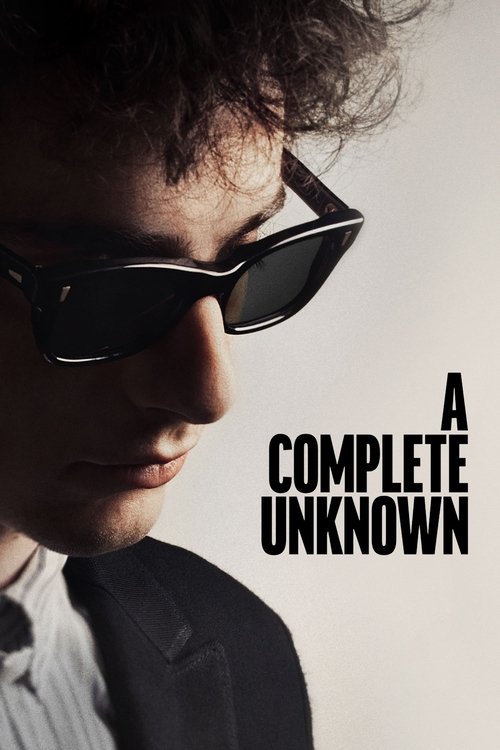
A Complete Unknown (2024)
Directed by James Mangold
influenced by I'm Not There (2007)
Visuals Themes
Todd Haynes’s metaphoric retelling of the “Like a Rolling Stones” singer’s life.
…the only other dramatic approach has come from Todd Haynes’ I’m Not There (2007), with six actors including Christian Bale, Cate Blanchett and Heath Ledger all portraying different aspects of his public persona…
…and I’m Not There, a mind-bending experimental film by Todd Haynes that shatters every single trope of the genre…
Director Todd Haynes explored Dylan’s impenetrable persona more effectively in 2007’s I’m Not There by having multiple actors portray Dylan in stylistically diverse vignettes to ultimately capture the sprawl of the man’s cultural footprint.
It’s only real downside, though, is the fact that Todd Haynes’ I’m Not There is already the quintessential Bob Dylan biopic. Because at least that film fully embraces what makes Dylan, Dylan.
…not for him the sort of multifaceted portrait that Todd Haynes attempted—none too successfully—by having Dylan played by no fewer than six actors in his experimental, episodic “I’m Not There” (2207).
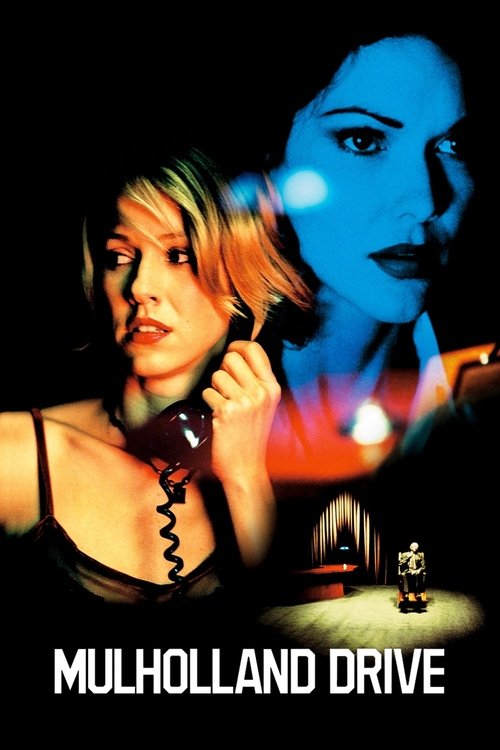
Elsewhere his references skew higher-brow: When he positions Moore and Portman side-by-side in closeup, he evokes the dreamy surrealism of Ingmar Bergman's Persona and David Lynch's Mulholland Drive, as if to suggest that Gracie's and Elizabeth's identities are blurring together.
May December is Haynes's entry in the “women swapping identities” subgenre (alongside Ingmar Bergman's Persona, Robert Altman's 3 Women, David Lynch's Mulholland Drive, and so on), but it's a fully original one, with its own perspective on the ever-shifting power dynamics at its core.
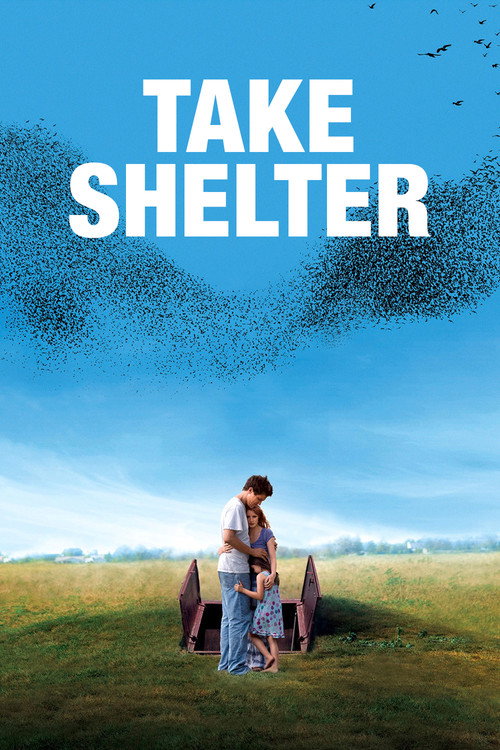
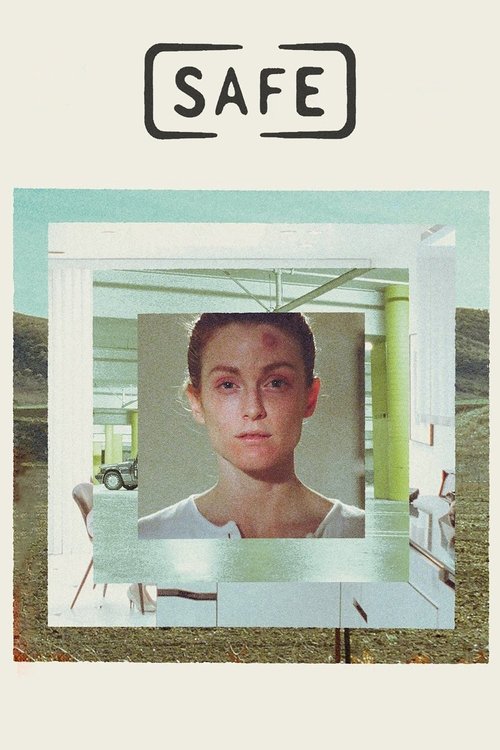
Like Carol White , the central, unglued character of Todd Haynes s Safe (1995) who is allergic to the 20th century, blue-collar worker Curtis is haunted by one of the looming terrors of the 21st: financial ruin.
The drama of Take Shelter resembles Todd Haynes' Safe in its real-world fear and paranoia, but it's warmer, more poignant and more suspenseful than that 1995 psychodrama.
This film bothers me in the same way the Todd Haynes film "Safe" bothers me, or the way Lodge Kerrigan's work bothers me.
The obvious comparison to Take Shelter is Todd Haynes’s Safe, in which a woman (Julianne Moore) is slowly dying from modern life.

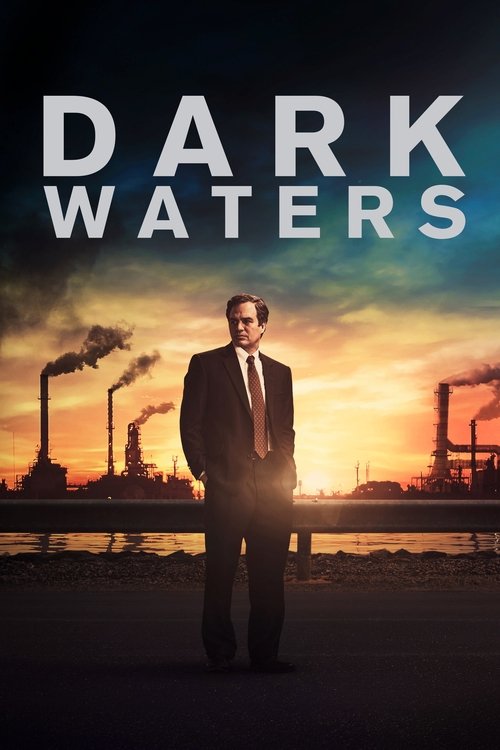
Tapping into everything from “All the President’s Men” and “The Insider” (with a touch of “Spotlight” and “Erin Brockovich” for good measure), “Dark Waters” follows Bilot through the evolution of his interests in the case against DuPont, a company that his own firm represents.
The spirit of social activist dramas such as Norma Rae, Matewan, Silkwood and The Insider is alive and well in Dark Waters, a compelling account of a drawn-out legal case in which a tenacious whistleblowing lawyer spent years pursuing DuPont for secretly poisoning customers through the use of toxic chemicals and products, including Teflon.
Modern-day corporate thrillers as great as 1999’s The Insider and 2007’s Michael Clayton don’t come along too often.
"Dark Waters," starring Mark Ruffalo as an attorney trying to punish the DuPont chemical corporation for dumping toxic waste in West Virginia, is a lone-crusader-against-the-corrupt-system film, in the tradition of " The Insider ," " A Civil Action ," and " The Verdict ."
It was launched in the late ’60s and ’70s, with films like “Z” and “All the President’s Men” and “Norma Rae,” and it continued through the ’80s, with films like “Silkwood,” and the ’90s, with dramas like “The Insider.”
Instead of giving into the obvious rage of the situation, Haynes gives his story exactly two moments of righteous indignation – including one speech from Bilott’s boss, slickly played by Tim Robbins, that recalls the best and most ferocious moment of Michael Mann’s The Insider – but otherwise lets the facts, and Bilott’s tenaciousness in discovering them, speak for themselves.
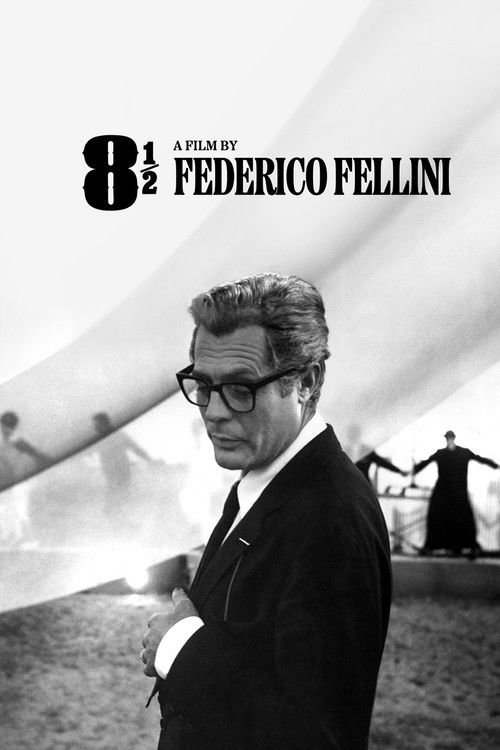
Shot and played in the manner of Federico Fellini's 8½, the section is highlighted by a playful sense of satire and the eerie revelation that, although we're never convinced Blanchett is playing a man (which wasn't the point anyway -- the point was to create an unexpected jolt of energy), the actress somehow looks much closer to Dylan than her fellow actors.
Haynes seems equally energized by his leading lady's work—using Fellini's 8½ as a visual reference point, he turns the mid-’60s into a phantasmagorical circus with Jude/Bob as its ringleader.
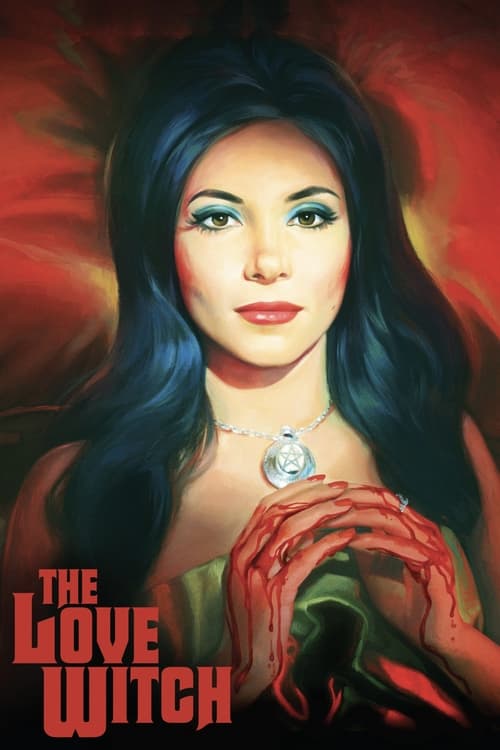
The Love Witch (2016)
Directed by Anna Biller
influenced by Far from Heaven (2002), Velvet Goldmine (1998)
Visuals
Think of Todd Haynes’ Far From Heaven (2002), a film with the aesthetic sense, feel and mores of the 1950s, but with an added layer of modern sensibilities.
You wouldn’t be wrong, but what Biller is trying to create is a cinematic treatise very much akin to what Todd Haynes did with his Douglas Sirk inspired melodrama “Far From Heaven.”
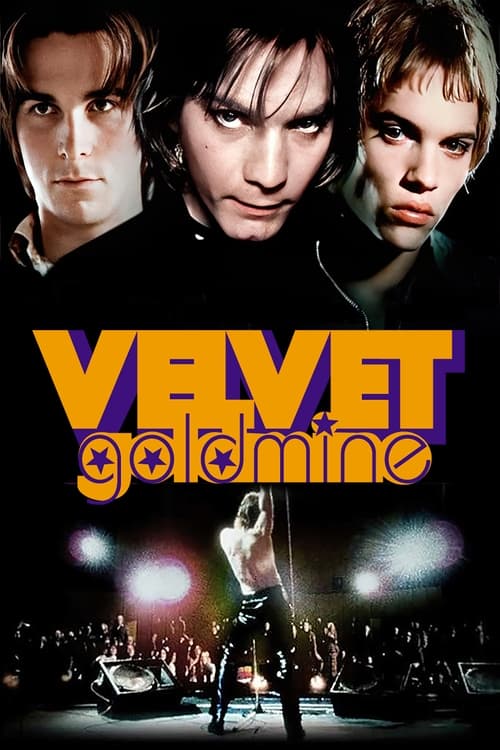
Writer/director/editor/composer/costume designer/art director Anna Biller (whose previous movie Viva has become a minor cult classic) saturates her films with a fiendish attention to vividly retro mise-en-scène that’s reminiscent of Queer Cinema directors like Todd Haynes ( Velvet Goldmine ) or James Bidgood ( Pink Narcissus ).
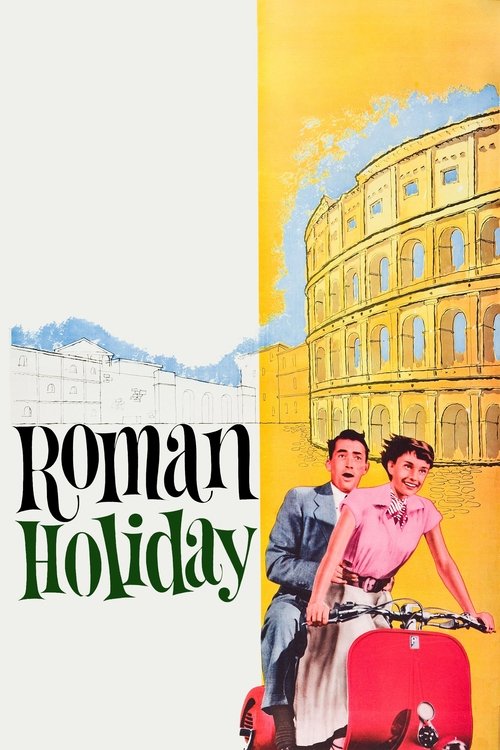
(Despite its period setting, “Carol” is not overloaded with film-school references, but there were moments when I could feel the undertow of “Roman Holiday” and David Lean’s “Brief Encounter” and Martin Scorsese’s underappreciated “The Age of Innocence.”)
And rather than Carol and Theresa’s relationship existing as a beautiful thing belonging to a particular time in one’s life – the message that singularly made Audrey Hepburn and Gregory Peck’s liaison in Roman Holiday (1953) so rich and memorable – Haynes is reluctant to close the book on it.
Mara looks like she just accepted an Oscar for Roman Holiday.
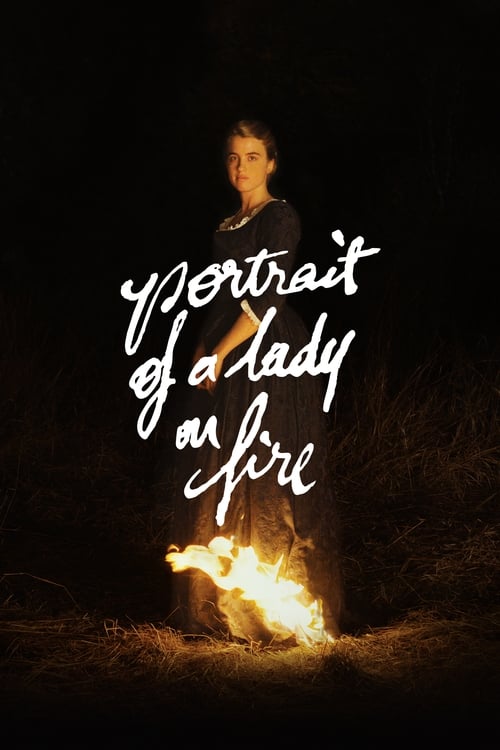
Portrait of a Lady on Fire (2019)
Directed by Céline Sciamma
influenced by Carol (2015)
Themes Visuals
Indeed, Sciamma has crafted one of the best filmic love stories of the 21st century; it joins romantic masterpieces like In the Mood for Love , Before Sunset , Bright Star , and Carol in its capacity to give us a picture of authentic erotic love without ever devolving into the lewd or obscene.
Aunque no cuenta con las virtudes formales y plásticas de relatos similares, como La edad de la inocencia (Scorsese, 1993) o Carol (Haynes, 2015), Sciamma demuestra en su final, estructurado alrededor de tres despedidas y un encuentro/revelación, que ha adquirido una aguda fineza como narradora, con la que logra construir con seguridad el camino para llegar a un estado de conmoción genuino, de un tiempo de concepción tan breve como el de una chispa de fuego en la cola de un vestido.
Before I saw Portrait of a Lady on Fire, I was thinking I'd maybe start this review by point out how the 2010s weirdly became the decade of the lesbian romantic drama, and how the three best love stories of the decade to this point, 2014's The Duke of Burgundy , 2015's Carol , and 2016's The Handmaiden , were all about relationships between women but directed by men, and isn't that an odd something that we could probably make something out of.
Quite reminiscent of the critical discourse that surrounded Todd Haynes’ Carol in 2015, Céline Sciamma’s Portrait of a Lady on Fire has evoked passionate reactions from the majority of film critics who have seen it, while its naysayers have largely sung the same tune: that it’s too cold, too slow, too inert, too uninvolving.
She plays propaganda games like lesser filmmakers, such as Todd Haynes, whose lesbian melodrama Carol made homosexuality tendentious.
You might think at first of Todd Haynes’s Carol , all read-between-the-lines looks.
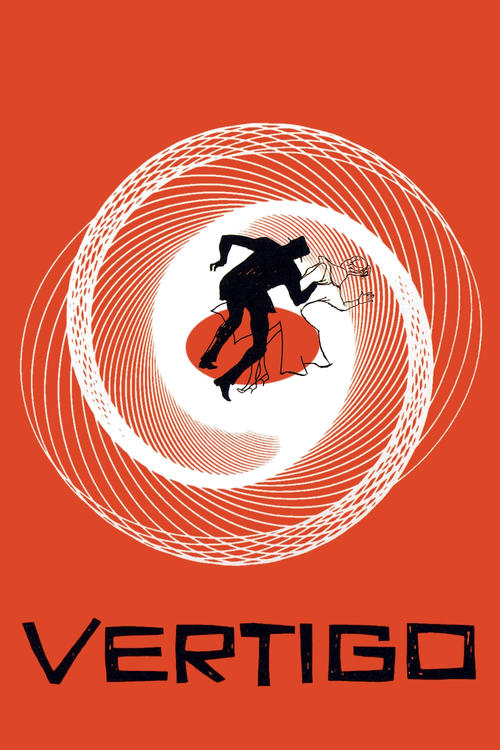
Yes, we might recognize that the hand touching the shoulder echoes David Lean’s Brief Encounter and that the transcendent final scene is inspired by the blocking and camera moves (although not the averted eyes) of the Ernie’s Restaurant sequence in Vertigo .
It’s the film’s skill in portraying the two women’s emotional arcs with such precision that makes its final moment so radiant, achieving an effect not unlike the one Hitchcock managed in the first vision Scottie has of Madeleine in “Vertigo.”
Haynes utiliza la puesta en escena para guiar emocionalmente al espectador sin que este se dé cuenta (esos planos de la magnífica Rooney Mara, como Blanchett, en el extremo izquierdo del encuadre, para mostrarlo a la deriva), y como ya hicieran Hitchcock y Powell en los cincuenta (el restaurante de Vértigo, en la memoria), aplican los dominantes colores rojo y verde en un mismo plano como elemento dramático además de estético: los jerseys de las protagonistas en la cafetería.

The words “homosexual” and “lesbian” are never once uttered, presumably a reference to the fact that the word “homosexual” was never used in a film until 1961’s Victim , which was subsequently banned in the UK and US because of it.

Booksmart (2019)
Directed by Olivia Wilde
influenced by Superstar: The Karen Carpenter Story (1987)
Visuals
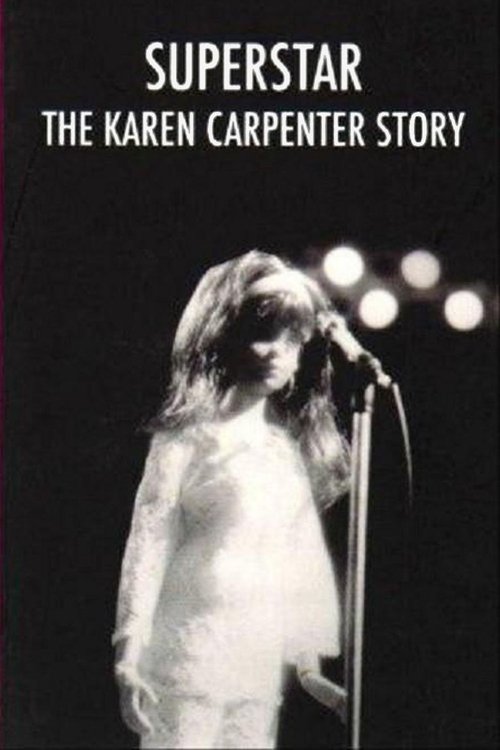
That dead end leads them to a buttoned-up performance party by the class’ two theater queens, where an accidental drug trip unfolds as an impressive stop-motion animated sequence that may as well be an homage to Todd Haynes’ “Superstar: The Karen Carpenter Story.”
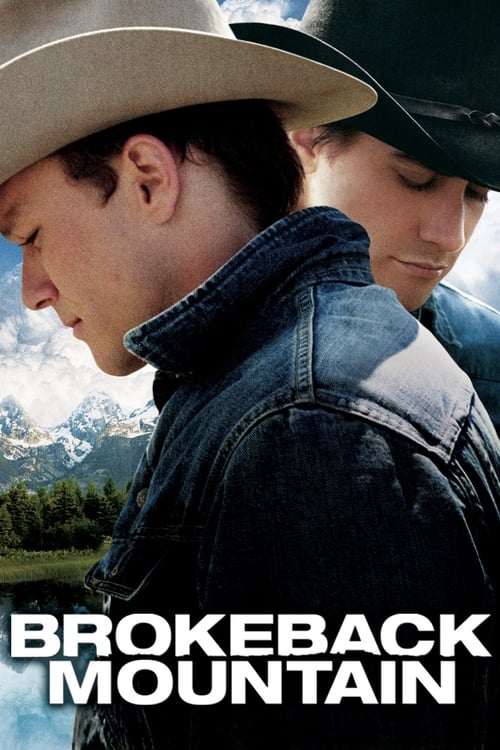
Brokeback Mountain (2005)
Directed by Ang Lee
influenced Carol (2015), Far from Heaven (2002)
Themes
The austerity of Carol reminds you of Brokeback Mountain , that other great gay romance set in a hostile time.
As a rare prestige picture centered around a homosexual relationship set during a much less tolerant era, “Carol” stands to generate perhaps an even warmer audience embrace than “Brokeback Mountain” did 10 years earlier, hopefully absent much of the snickering embarrassment that soured the otherwise widespread acclaim for Ang Lee’s classic.
In that sense, Carol offers a female equivalent to Ang Lee’s Brokeback Mountain .
Unlike Brokeback Mountain , which started early with the controversial same-sex love scene to get it out of the way and concentrate on the aftermath and emotional complication of their sudden but denied relationship, Carol builds toward it, trying to make a gratuitous scene feel as artful as it can.
(A Brokeback Mountain comparison wouldn’t be entirely inapt).
“Carol” sometimes feels overly steamy, as if physical desire were the main bond between this confident older woman and her less certain lover (a dynamic that has appeared in other gay movies like “High Art” and “Brokeback Mountain”).
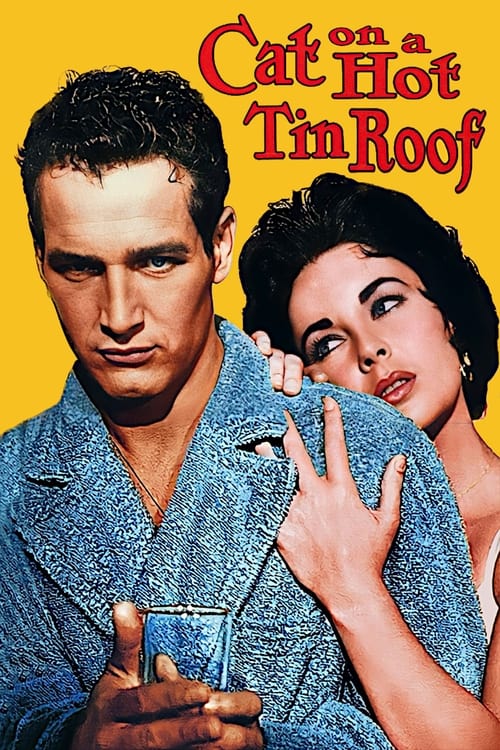
For the majority of the first half, when sexuality is cloaked under euphemisms and could be interpreted as nothing more than a close friendship, it resembles the 1958 film adaptation of Cat on a Hot Tin Roof , a stage play with overtly homosexual themes about sexual repression.
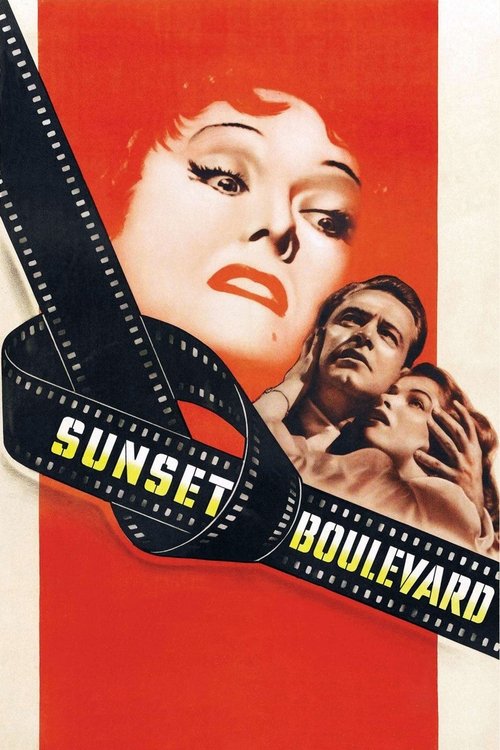
A projection-booth glimpse of “Sunset Blvd.” and a proliferation of Santa hats set the scene as Christmas 1950.
On the television is a scene from Sunset Boulevard (1950) with William Holden in a tux.
“I’m charting the correlation between what characters say and what they mean,” says a film buff while watching Sunset Boulevard in Todd Haynes’ Carol .
Dannie works at the New York Times and has seen Sunset Boulevard six times, appropriately noting that he keeps watching it to see all the things that they mean but aren’t saying, and hear all that the things that they’re saying but not doing.
While watching Sunset Blvd., one character remarks, “Right now I’m charting the correlation between what the characters say and how they really feel,” and you could make your own flow charts for Carol.
At one point in the film, a character watching Sunset Boulevard takes notes during the film, telling Therese that “he’s charting the correlation between what the characters say and what they’re really feeling”, before begin rebutted with “My kid brother here, the Movie Jerk”.

All That Heaven Allows (1955)
Directed by Douglas Sirk
influenced Carol (2015), May December (2023)
Visuals Plot
Modeling these features in ways both aesthetic and thematic after key works from filmmaker Douglas Sirk (most notably 1955's "All That Heaven Allows"), Haynes is so adept at capturing this period and milieu it is as if he has transported his cast back in time.
His modernist take on All That Heaven Allows, Far From Heaven, exemplified his desire to recreate that aesthetic in the present film climate.
Además de imitar el estilo visual de Douglas Sirk (espacios opulentos, vestuarios suntuosos y una paleta de colores saturados) como en All That Heaven Allows (1955), Written on the Wind (1956) o Imitation of Life (1959), Haynes pretendía recurrir a gesticulaciones y ademanes de mayor estilización para expresar la desilusión y desesperanza de sus personajes sumidos en un mundo que visualmente luce brillante y perfecto.
Take 2002’s Far From Heaven, for example. In many ways, the film, which centers on a 1950s suburban housewife whose secret affair threatens the sanguine domestic lifestyle she is expected to uphold, is a straight-up remake of Douglas Sirk’s 1955 melodrama All That Heaven Allows, complete with all the soap and glitziness that defined Hays Code-era Hollywood.
It's interesting how this film deals with many of the same themes as American Beauty, but with an even more steady hand and perhaps even more earth-shaking insight.
The film is very much in the vein of the now-classic dysfunctional family drama, juggling the outlines and some specific themes from "The Ice Storm" and "American Beauty" like an older relative that is being rediscovered.