
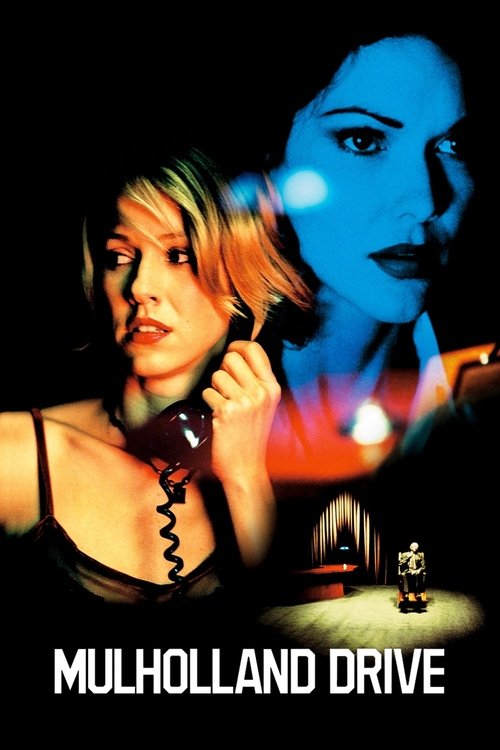
Mulholland Drive (2001)
Directed by David Lynch
Blonde Betty Elms has only just arrived in Hollywood to become a movie star when she meets an enigmatic brunette with amnesia. Meanwhile, as the two set off to solve the second woman's identity, filmmaker Adam Kesher runs into ominous trouble while casting his latest project.
28 connections found
View:
28 films that influenced Mulholland Drive
What critics say influenced Mulholland Drive
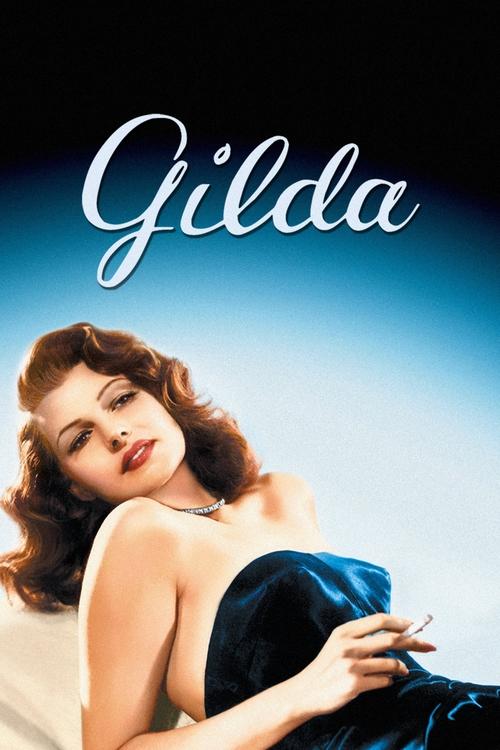


The plot is a Rubik's Cube of classic Lynchian archetypes culled from the director's entire oeuvre: There's a pair of Hollywood dames at the heart of the story, Betty (Watts), a new arrival to the L.A. basin, who is intent on making her mark in the film world; and the amnesiac Rita (Harring), who takes her name from a Gilda poster because she can't recall her real one.
A poster of Gilda is reflected from a bathroom mirror as the amnesiac adopts more than Hayworth's name.
There are two characters named Betty and Rita who the movie follows through mysterious plot loops, but by the end of the film we aren't even sure they're different characters, and Rita (an amnesiac who lifted the name from a "Gilda" poster) wonders if she's really Diane Selwyn, a name from a waitress' name tag.
The brunette, who quickly adopts the temporary name "Rita" (after Rita Hayworth on a Gilda poster), has lost her memory and seems to be in big trouble.
The latter stumbles down the hillside into Betty's lair, espies a Gilda poster (thus christening herself Ritaas in Rita Hayworth), and the two womenthe ever-optimistic Canadian and the sullenly scared damsel in distressform a fatalistic bond as they begin a feature length investigation attempting to fill in Rita's blank past.
The woman, who eventually calls herself Rita after seeing a poster on the wall for the great romantic film noir Gilda (1946), begs Betty to help her.
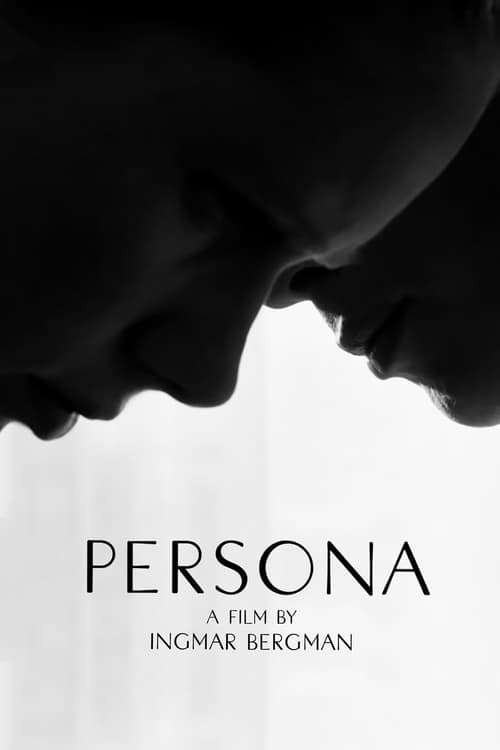
I was reminded repeatedly of Ingmar Bergman's Persona , which also examines at close range the relationship between two women, one of them an actress, and which is also awash in reflexive elements that turn its status as cinema back on itself.
Club Silencio leads directly into the latter; the former is shortly preceded by a moment in which Rita's panic causes the film image to double and overlap itself, a rupture of reality as intense as any in the 35 years separating Mulholland Dr. from Ingmar Bergman's Persona .
Rita loses hope, sports a blond wig and Mulholland Drive's women suddenly become one (Persona anyone?).
David Lynch's Mulholland Drive contends that the answer to the eternal struggle between what is real and what is fantasy comes in the form of a Keatsian confusion--it's the difference between Adam's dream and Eve rendered flesh, blurred in the mind of the creator and his audience.A film is a dream of the director made tangible, a conceit familiar from the fourth wall-breaking in Ingmar Bergman's Persona (banishing any mystery there might have been regarding the visual references to that film in Lynch's piece), and a movie's characters therefore become projections of its maker's sublimated longing (clarifying too the auteur's use of wardrobe and colour schemes from Hitchcock's meditation on objectification, Vertigo, as well as those of his first collaboration with inamorata Tippi Hedren, The Birds).
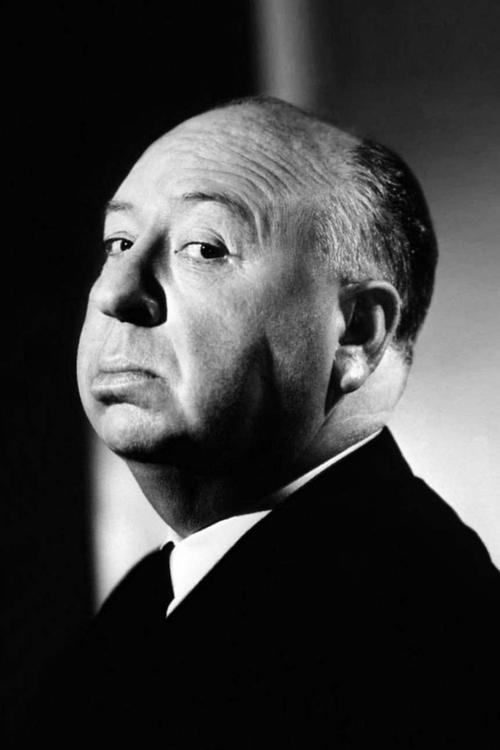
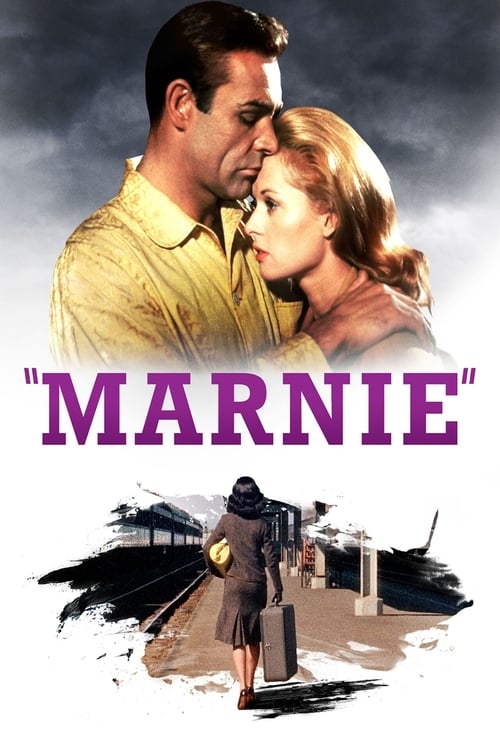
Mr. Lynch's women also hark back to the perfectly coiffed blond heroines of Alfred Hitchcock's ''Vertigo'' and ''Marnie,'' while the music of Angelo Badalamenti, his favorite composer, is a Mannerist echo of Hitchcock's musical main man, Bernard Herrmann.
But its greatest descendant is David Lynch 's Mulholland Drive , another film about two women erotically attached, a house with a secret, and transformation.
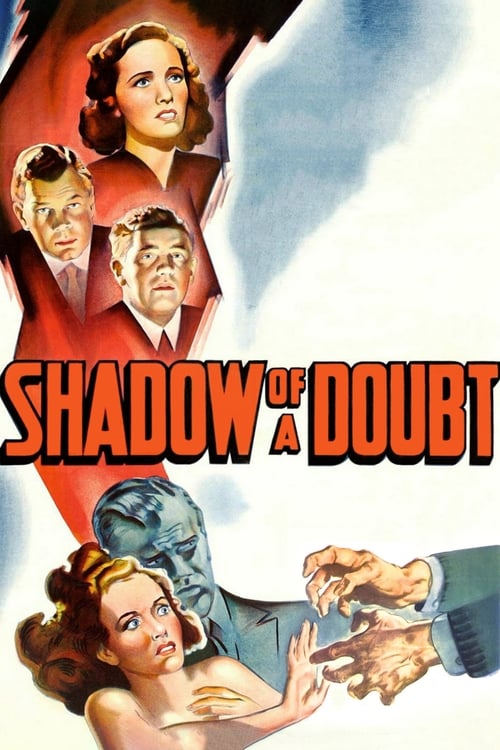
As Betty and Rita begin to unravel the puzzle of what happened the night of Rita's accident, we're introduced to images of a dreamer behind a dumpster, an opening jitterbug that recalls (and subverts) the widow's waltz that opens Hitchcock's Shadow of a Doubt (another film about doubling and personality changes), a rotting corpse of a woman in a filthy apartment, and a little blue box, whose key seems to be the vital element in unravelling the tale.
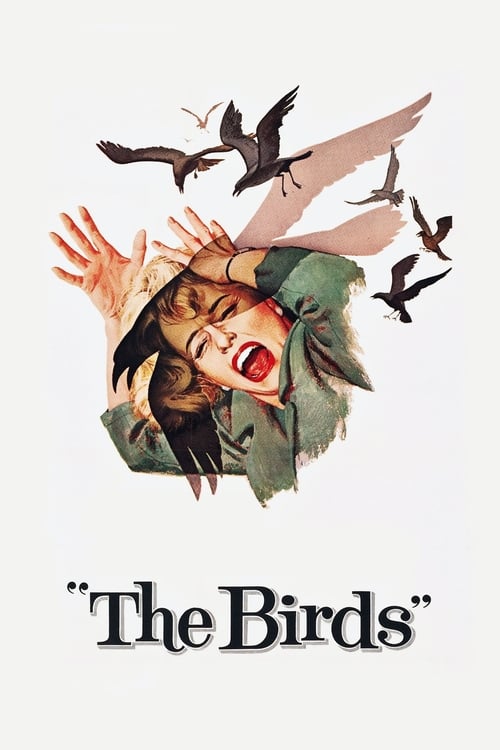
David Lynch's Mulholland Drive contends that the answer to the eternal struggle between what is real and what is fantasy comes in the form of a Keatsian confusion--it's the difference between Adam's dream and Eve rendered flesh, blurred in the mind of the creator and his audience.A film is a dream of the director made tangible, a conceit familiar from the fourth wall-breaking in Ingmar Bergman's Persona (banishing any mystery there might have been regarding the visual references to that film in Lynch's piece), and a movie's characters therefore become projections of its maker's sublimated longing (clarifying too the auteur's use of wardrobe and colour schemes from Hitchcock's meditation on objectification, Vertigo, as well as those of his first collaboration with inamorata Tippi Hedren, The Birds).
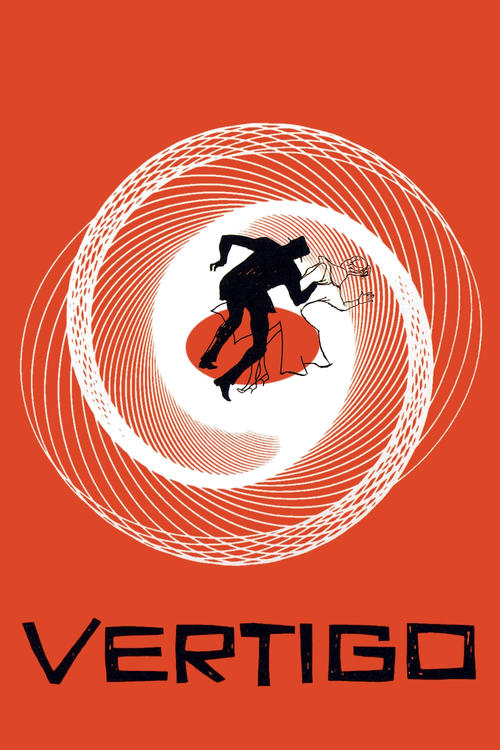
As noir, the movie is silly, with absurdist plot leaps and personality transfers that feel like a dead-zoned spoof of "Vertigo."
David Lynch's Mulholland Drive contends that the answer to the eternal struggle between what is real and what is fantasy comes in the form of a Keatsian confusion--it's the difference between Adam's dream and Eve rendered flesh, blurred in the mind of the creator and his audience.A film is a dream of the director made tangible, a conceit familiar from the fourth wall-breaking in Ingmar Bergman's Persona (banishing any mystery there might have been regarding the visual references to that film in Lynch's piece), and a movie's characters therefore become projections of its maker's sublimated longing (clarifying too the auteur's use of wardrobe and colour schemes from Hitchcock's meditation on objectification, Vertigo, as well as those of his first collaboration with inamorata Tippi Hedren, The Birds).
Mr. Lynch's women also hark back to the perfectly coiffed blond heroines of Alfred Hitchcock's ''Vertigo'' and ''Marnie,'' while the music of Angelo Badalamenti, his favorite composer, is a Mannerist echo of Hitchcock's musical main man, Bernard Herrmann.
Traces of it can be seen in everything from “Basic Instinct” to David Lynch’s “Mulholland Drive,” and countless other thrillers.

It reminded me of my favorite director, Howard Hawks, who remade his masterpiece Rio Bravo (1959) two times -- just because he could and because he knew he could do it well.
Advertisement
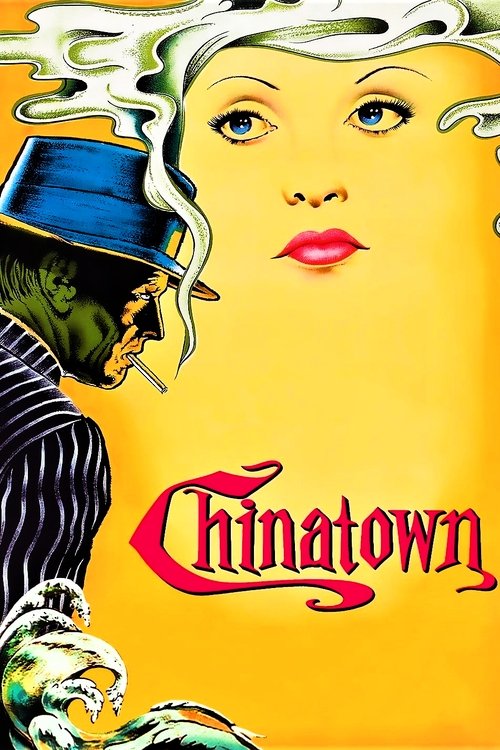
Consider, for example, a spooky midnight rendezvous up a lonely and deserted Beachwood Drive corral with the "Cowboy" (Lafayette Montgomery), a strange and scary denizen of darkness whose threatening potentials might have been inspired by Kobayashi in "The Usual Suspects" or, even, Roman Polanski's Man with Knife in "Chinatown".
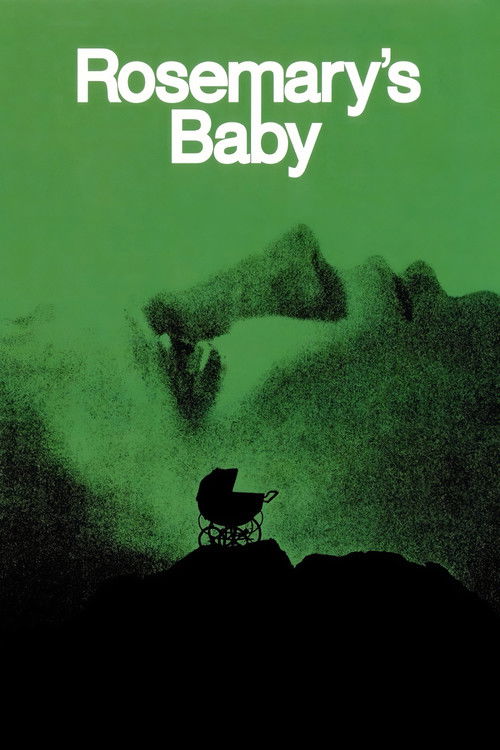
Come to think of it, he bears a strong resemblance to the slithy creature haunting Mulholland Drive.
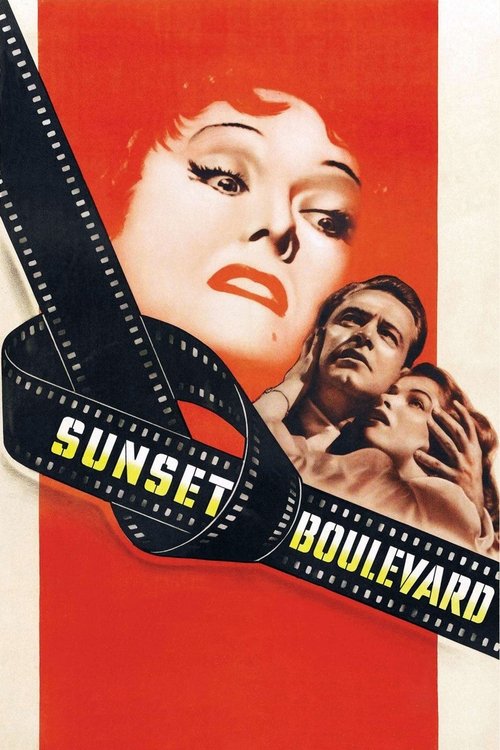
>From its opening credit sequence featuring 1950s American Bandstand-style dancers to its first shots of a limousine snaking through the darkness of the titular road (which also calls to mind the opening sequence of Billy Wilder?s 1950 classic Sunset Boulevard), Mulholland Dr. is staking out its territory as a dreamscape.
But not all dreams make sense, and this is a colorful fever dream of a film, filled with Tinseltown iconography: the "Sunset Boulevard" street scene; the Hollywood letters in the hills; the snappy good-girl presence of Miller, a star from Hollywood's faded Golden Age.
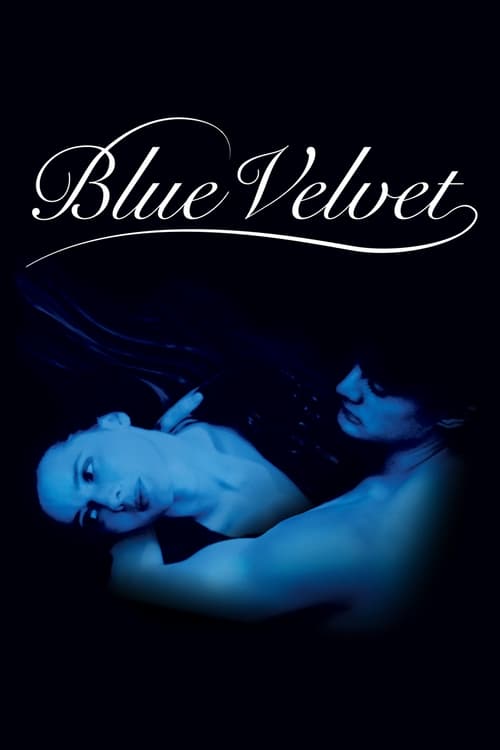
"Mulholland Drive" isn't on the same level with "Blue Velvet," Lynch's greatest film and the one that still defines his career.
Accordingly, for every "The Straight Story," there's a "Lost Highway," "Blue Velvet" and even a TV series like "Twin Peaks" thrown in for good measure.
Mulholland Drive is a return to Lynch’s Blue Velvet roots: a dark story of a shady Hollywood underworld.
Time will tell if this one has the staying power of Lynch's most irreplacable work, but Mulholland Dr. is a compelling summation of the director's career to date and his best feature since Blue Velvet.
We know Lynch; we've seen Blue Velvet ; we get that he likes travestying '50s tropes by exaggerating them and filling them full of rot and perversity.
You may leave the theater without the first clue as to what the director of "Eraserhead" and "Blue Velvet" is up to, but in a way that doesn't matter.
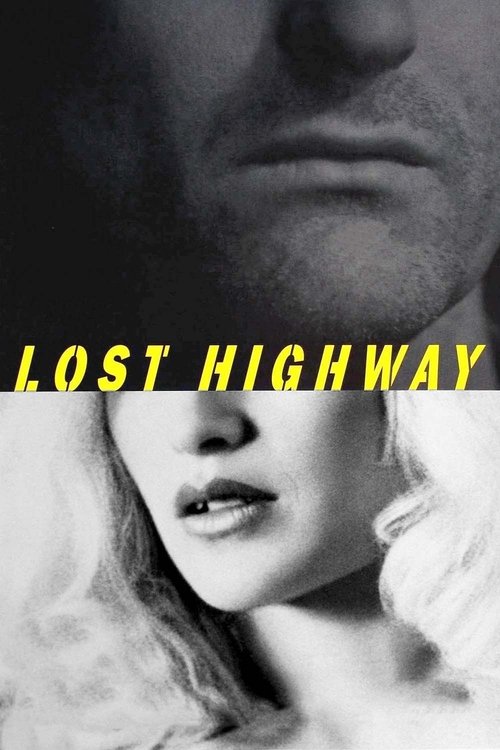
Borrowing themes of identity and memory that he explored in "Twin Peaks" and "Lost Highway," Lynch fashions "Mulholland Drive" as a two-tier narrative featuring the same actors, but in different roles and seemingly separate universes.
Accordingly, for every "The Straight Story," there's a "Lost Highway," "Blue Velvet" and even a TV series like "Twin Peaks" thrown in for good measure.
He was, after all, the creator of "Eraserhead" (1977), "Dune" (1984), "Lost Highway" (1997) and other mind adventures.
In the spirit of Blue Velvet, Wild at Heart, and Lost Highway, writer and director David Lynch sets before our eyes his weird and always evocative interpretations of modern life, an existence rife with role-playing, power, desire, violence, and mystery.
The Twin Peaks pilot, one of Lynch's finest works, shares similar moods with Mulholland Dr. Taken as a whole, however, the new film may be more akin to Lost Highway , a notorious Möbius strip of a movie that drove me nuts in its insularity.
Guess I forgot this is a film directed by the man behind such bizarre efforts as Twin Peaks, Blue Velvet, and Lost Highway.
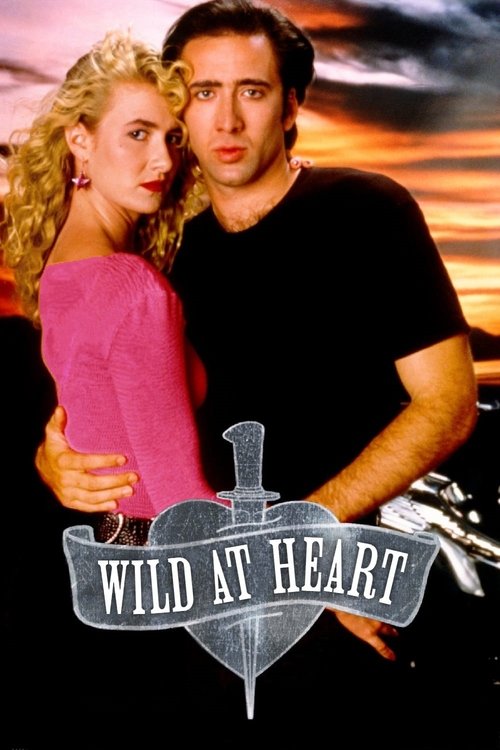
There are other reminders of the director's body of work, such as Rita's emergence from the ruined limousine, which mirrors Sherilyn Fenn's cameo as an accident victim in Wild at Heart -- it's my world, he seems to say, and you're just written into it.
This is classic David Lynch, like in his “Blue Velvet” or “Wild at Heart”, taking corny archetypes like the amnesiac femme fatale and the wide-eyed innocent with Hollywood dreams, only to put them in dark, weird places, right?
But the unease has a stately quality this time, and a minimum of the default grotesquerie that marred the likes of Wild at Heart.
Something similar could be said about Lynch's next outing, Wild at Heart.
A beautiful woman staggers away from a car crash, just as Sherilyn Fenn did in "Wild at Heart"; as in "Blue Velvet," a sad Roy Orbison song is used in a bizarre manner; red velvet curtains, freaky dreams, eccentric police officers and spacey soothsayers pop up, leftovers from "Twin Peaks."
In a secondary narrative, an inexpressive, self-important young director (Justin Theroux) is compelled to endure a production meeting from hell wherein a shadowy cabal seizes control of his movie—but only so that the presence of a single, unknown actress can be dictated by an irony-resistant bogeyman called the Cowboy (Monty Montgomery, producer of Lynch's Wild at Heart, among other credits).
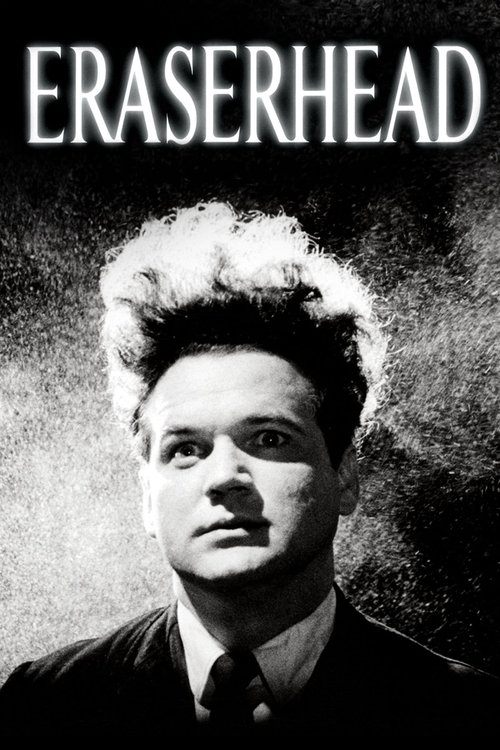
He was, after all, the creator of "Eraserhead" (1977), "Dune" (1984), "Lost Highway" (1997) and other mind adventures.
You may leave the theater without the first clue as to what the director of "Eraserhead" and "Blue Velvet" is up to, but in a way that doesn't matter.
Just as the movie reaches the point where we expect everything to come together, Lynch goes ballistic with the narrative, resulting in an unnerving watch that yields no easy answers but instead forces the viewer, in Memento mode, to mentally play the entire film backward and determine what's real, what's a dream (a Lynch obsession dating back to Eraserhead), and where this ultimately leads.
Sometimes, as in his first feature Eraserhead and the more recent Lost Highway, those lines are splintered into pieces.
If Eraserhead, Lynch's phantasmagoric first feature, grew out of his disgust for Philadelphia, where he lived as a poor and impressionable young art student, Mulholland Drive is his mature take on a city that's been his home for the past two decades and that seems to have affected him as profoundly.
The people who claim to "get" such Lynch films as "Eraserhead", "Blue Velvet" and "Lost Highway" don't really understand them at all, because there is purposely nothing concrete to understand.
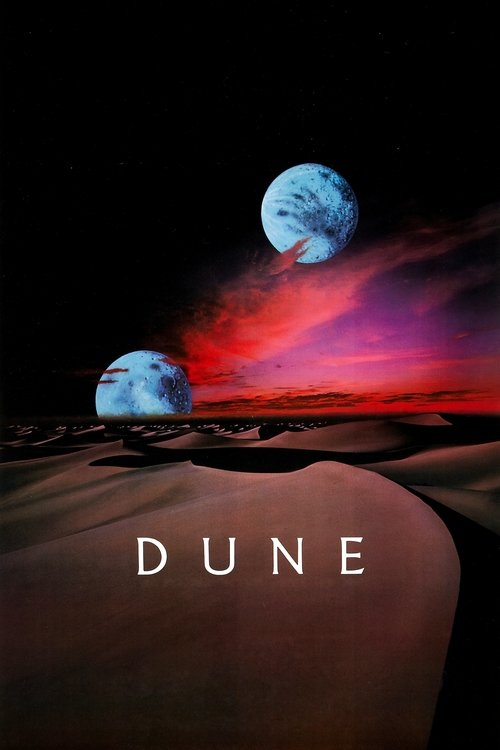
He was, after all, the creator of "Eraserhead" (1977), "Dune" (1984), "Lost Highway" (1997) and other mind adventures.
Despite the many strange turns in Lynch's career, the one thing that remains constant is his ability to "discover" young actors, such as Kyle MacLachlan, whom he cast in "Dune," "Blue Velvet" and "Twin Peaks."
Look at Eraserhead, The Elephant Man, Dune, Blue Velvet, Wild at Heart and The Straight Story.
Lynchisms are stylistic touches fabricated by the 55-year-old creator of "Eraserhead," "Dune," and "The Elephant Man" among other unconventional works that make the man's films incomprehensible to some, repulsive to others, and brilliant to still a third group.
He’s not as prolific as many great directors — and he has almost as many misfires (“Dune,” “Lost Highway,” “Inland Empire”) as he has classics (“Blue Velvet”).
Dune is mainly interesting as a curio in the career of the brilliant, bizarre director David Lynch ( The Elephant Man , Mulholland Drive ); fans may enjoy combing through the movie to find his unique touches, but his detractors will argue that it's just more "weird for weird's sake."
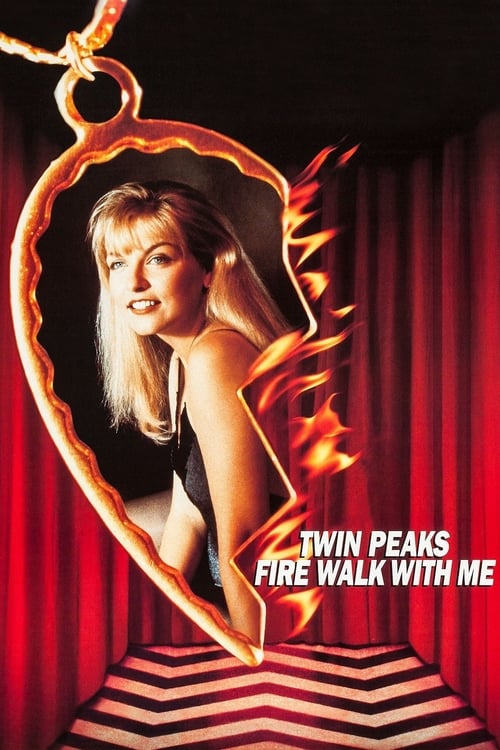
The tonal shift is as jarring in its way as the surreal psychodrama of Twin Peaks: Fire Walk With Me was in comparison to early episodes of Lynch's Twin Peaks.
Ever since he smashed in a TV to kick off Twin Peaks: Fire Walk with Me , Lynch's movies have all been some kind of commentary on the unreliability of classic cinematic forms - yes, even the sedate The Straight Story , which depicts all the moments that most movies cover in a dissolve or montage, and barely cares about its nominal dramatic stakes - it's just that Mulholland Dr. is the one where he actually did it in the context of movie stars and movie-making.
Lost Highway followed on the heels of Twin Peaks: Fire Walk With Me, with neither picture telling a linear or comprehensible story.
In other words, "Mulholland Drive" is everything that "Twin Peaks: Fire Walk With Me" was not ?
Probably the richest source of allusions is the much despised Twin Peaks: Fire Walk with Me, which actually begins to make sense in retrospect (the " blue rose case " described in mime by " my mother�s sister�s girl " at that film�s beginning seems to offer significant clues).
Mulholland Drive is brilliantly surreal in that it is surprisingly literal, an illustration of the process of disillusionment and character deconstruction that occurs in any process of constructing fictional stories and inhabiting manufactured personalities, using, as do Lynch's Blue Velvet and Twin Peaks: Fire Walk with Me, the literal stage to express a narrative transition between representational stages of consciousness.

Like "Memento," "Mulholland Drive" is an amnesiac noir in the tradition that goes back to "Spellbound" and "Somewhere in the Night" -- and though it's less structurally complex than Christopher Nolan's sleeper hit, it's ultimately more mysterious, as Lynch begins piling on sexual provocations and plot complications.
Advertisement
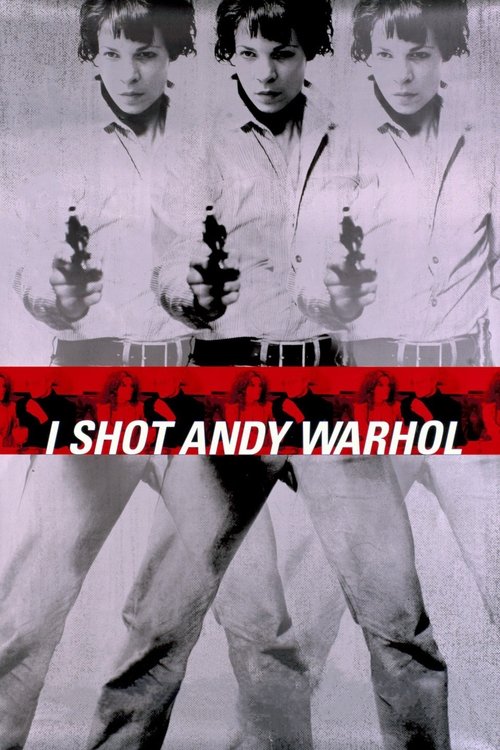
He will soon be working on a new Mary Harron film, his third after I Shot Andy Warhol and American Psycho, neither of which has scored highly with the gatekeepers of political or moral correctness.
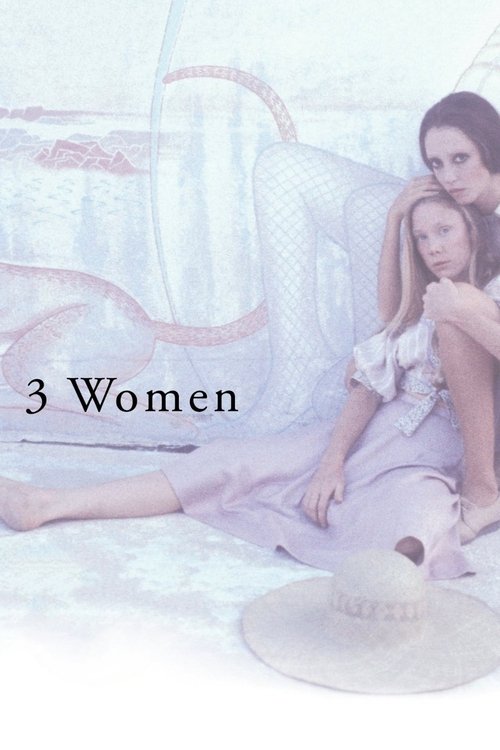
3 Women looks back to Ingmar Bergman’s Persona (1966) and anticipates David Lynch ’s Mulholland Drive (2001); all three movies revolve around a central female dyad, the dynamics of which are protean and radically altered by a destabilizing love.
The long-neglected middle child of art cinema’s triptych of psychodramas surrounding misplaced/mistaken/stolen female identities—between Ingmar Bergman’s refined and reserved Persona and David Lynch’s sexually uninhibited scene-stealer Mulholland Drive —is Robert Altman’s obtuse and brilliant 3 Women.