
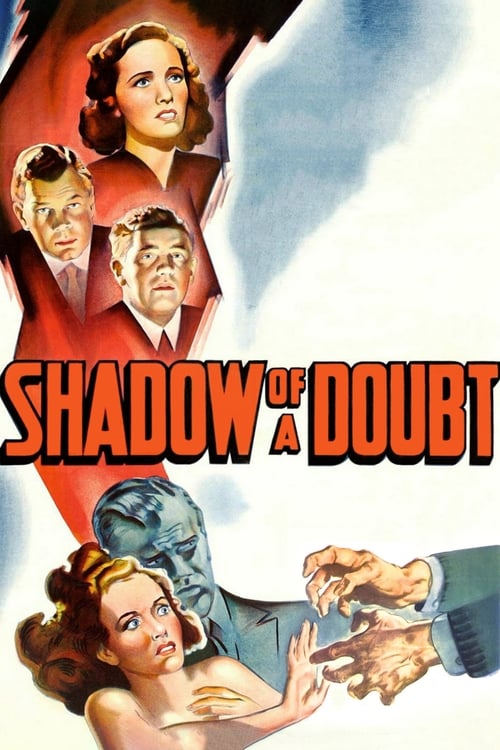
Shadow of a Doubt (1943)
Directed by Alfred Hitchcock
In sleepy Santa Rosa, restless young Charlie’s world brightens when her sophisticated Uncle Charlie arrives for a long visit. But as his behavior grows increasingly strange, she begins to suspect that her beloved uncle may be hiding a terrible secret—and that danger has quietly entered her home.
20 connections found
View:
20 connections, in both directions
What critics compared Shadow of a Doubt to
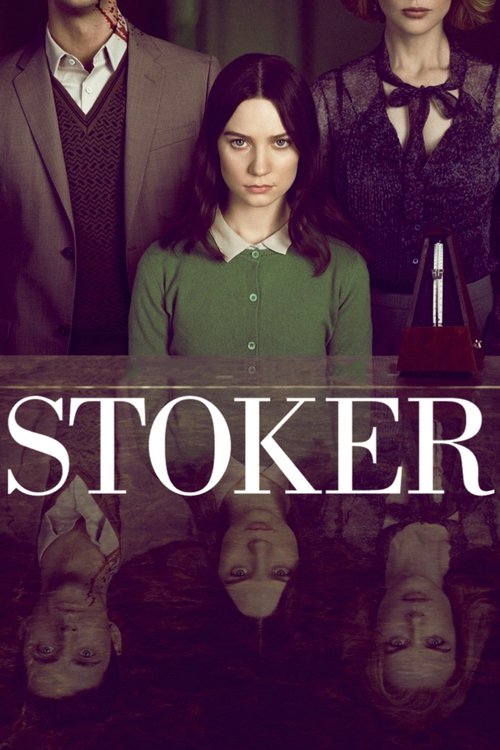


The bad vibes Uncle Charlie emits as his courtship of Evelyn inspires disgust (or is it jealousy?) in India can't help but remind you of Joseph Cotten's Uncle Charlie in Hitchcock's "Shadow of a Doubt."
There are nods to Hitchcock's Shadow of a Doubt and the beautiful but dysfunctional families of Douglas Sirk's lush melodramas, but Park's usual themes of sex, death and revenge are still very much in evidence and - happily - they have been only slightly toned down.
The screenplay by actor-turned-writer Wentworth Miller (Prison Break) definitely betrays his background in literary studies, as the story’s revelations about a frozen-in-time aristocratic family’s deep dark secrets and still pulsing vein of murderousness feels one part Emily Bronte, one part Tennessee Williams, and one part Bram Stoker (hence the title, we might imagine), although its twisted uncle-niece relationship and use of the name “Uncle Charlie” immediately evokes Alfred Hitchcock’s disturbing Shadow of a Doubt (1943), which turned the platitudes of small-town Americana on its head.
The American debut of kind-to-be-cruel South Korean filmmaker Park Chan-wook (“Old Boy,” “Lady Vengeance”), based on a script by the actor Wentworth Miller (“Prison Break”) with rewrites by Erin Cressida Wilson (“Secretary”) is a brisk, chilly variation on themes in Alfred Hitchcock’s “Shadow of a Doubt,” but it never finds a convincing shape of its own.
(Since the film has definite ties to Alfred Hitchcock’s 1943 film Shadow of a Doubt, it seems not unlike the name Charles is coincidental.)
He's there after a long absence for his brother's funeral and is always referred to as Uncle Charlie, an invitation to identify him with Joseph Cotten's charming psychopathic murderer in Hitchcock's Shadow of a Doubt .
In 2013, he made his English language debut with Stoker, a chilly, Gothic riff on Alfred Hitchcock’s Shadow of a Doubt.
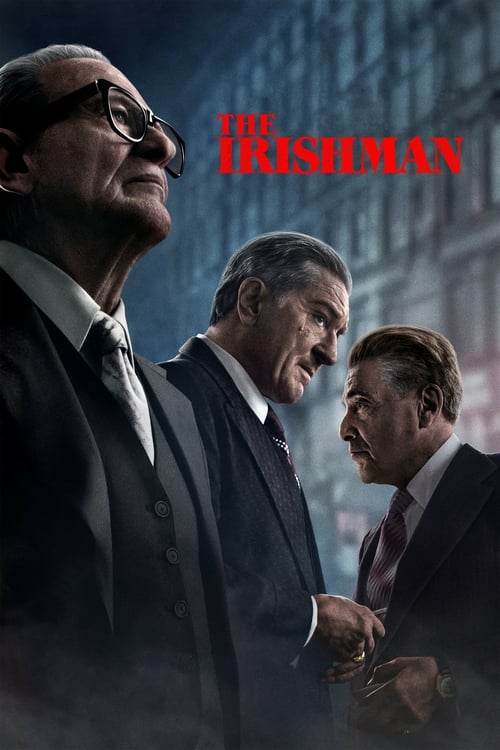
When Paquin is introduced, in a mostly dialogue-free role, the two rarely share the same frame, with a particular moment finding Paquin atop a staircase, in a scene reminiscent of Alfred Hitchcock’s Shadow of a Doubt, seemingly letting go of the idea of ever having a relationship with her father.

What Movies Will It Remind You Of?: Hitchcock is a clear reference point here, from the apartment-on-high views of Rear Window to the psychological angles of Shadow of a Doubt and Spellbound .
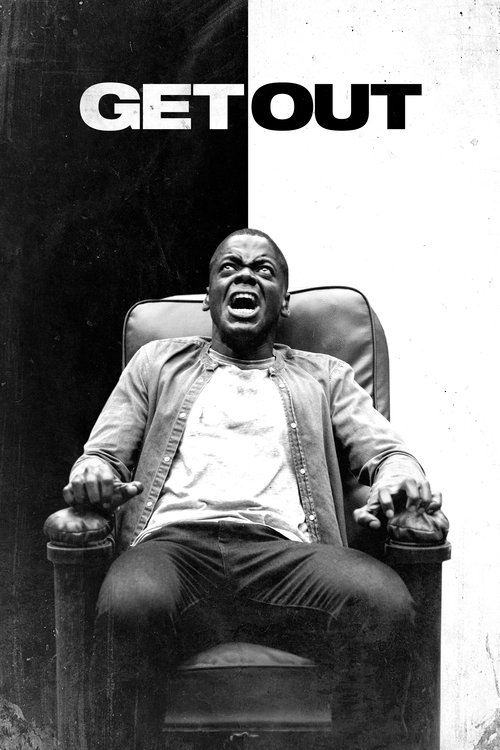
The gradual unraveling of evil feels akin to Hitchcock’s Shadow of a Doubt, especially considering the balance of tension and dark humor.
Advertisement
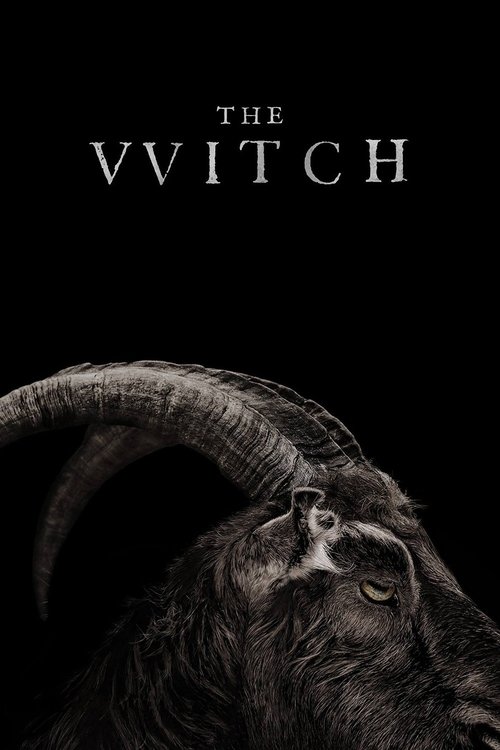
It parallels Park Chan-wook's Stoker, which shares a scene of illicit bliss and similarly decodes the incestuous loathing coiled in the belly of Hitchcock's Shadow of a Doubt.

We have the theme of the neighbour under suspicion that underlies Rear Window; and the family member who isn’t what he appears to reflect Joseph Cotton’s Uncle Charlie in Shadow of a Doubt.
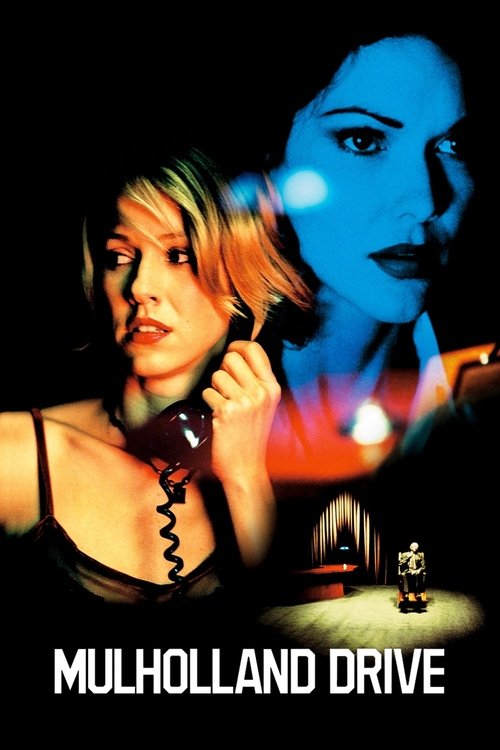
As Betty and Rita begin to unravel the puzzle of what happened the night of Rita's accident, we're introduced to images of a dreamer behind a dumpster, an opening jitterbug that recalls (and subverts) the widow's waltz that opens Hitchcock's Shadow of a Doubt (another film about doubling and personality changes), a rotting corpse of a woman in a filthy apartment, and a little blue box, whose key seems to be the vital element in unravelling the tale.
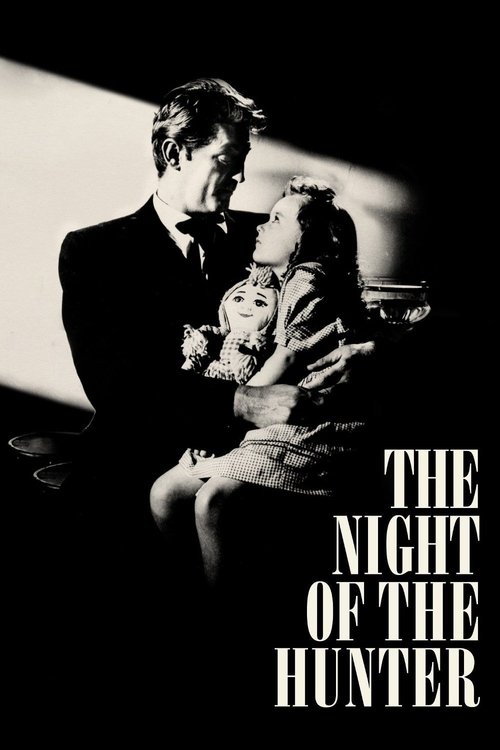
That the only person to divine the truth is an easily dismissed child creates a throat-tightening level of suspense, reminiscent of Alfred Hitchcock’s Shadow of a Doubt (1948).
Advertisement
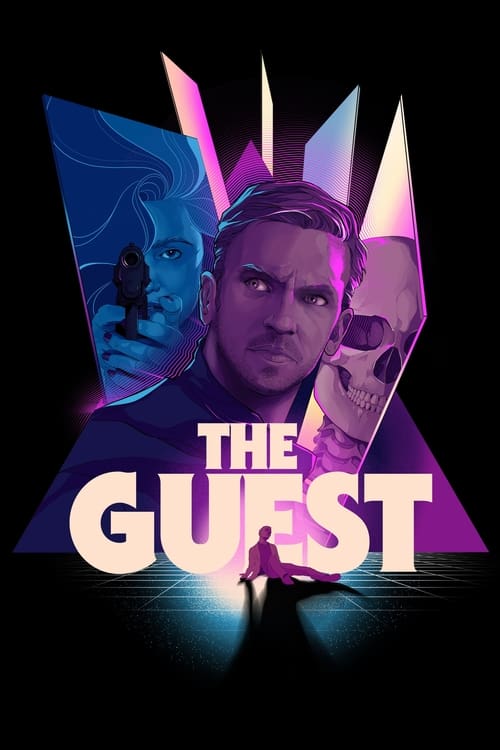
Think about a modern re-telling of Alfred Hitchcock’s “is he or isn’t he” stranger-in-town masterpiece Shadow of a Doubt with a dash of John Carpenter, and you’re on the right track.
David seems a version of Uncle Charlie in Hitchcock’s Shadow of a Doubt, Rebecca De Mornay’s nanny in The Hand That Rocks the Cradle, or Matthew Goode in Stoker.
In some respects, “The Guest” resembles Hitchcock’s “Shadow of a Doubt.”

For that matter, who but Allen would manage to make a film in Barcelona where the protagonists end up at a screening of Hitchcock’s Shadow of a Doubt (1943) at the local repertory cinema?