
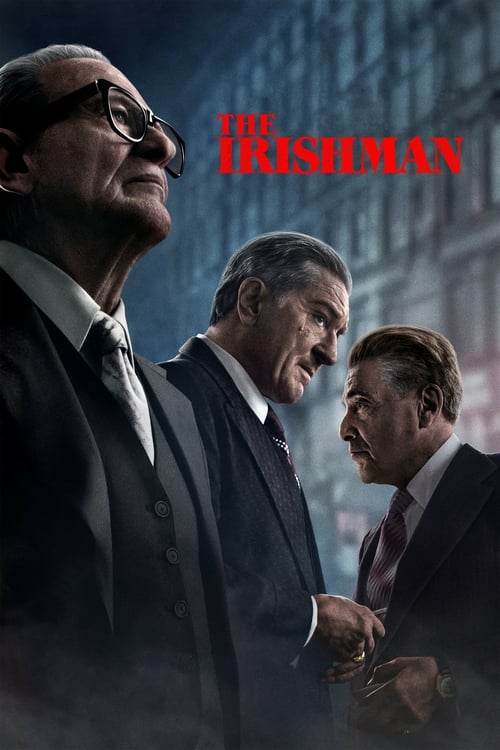
The Irishman (2019)
Directed by Martin Scorsese
Pennsylvania, 1956. Frank Sheeran, a war veteran of Irish origin who works as a truck driver, accidentally meets mobster Russell Bufalino. Once Frank becomes his trusted man, Bufalino sends him to Chicago with the task of helping Jimmy Hoffa, a powerful union leader related to organized crime, with whom Frank will maintain a close friendship for nearly twenty years.
73 connections found
View:
73 films that influenced The Irishman
What critics say influenced The Irishman
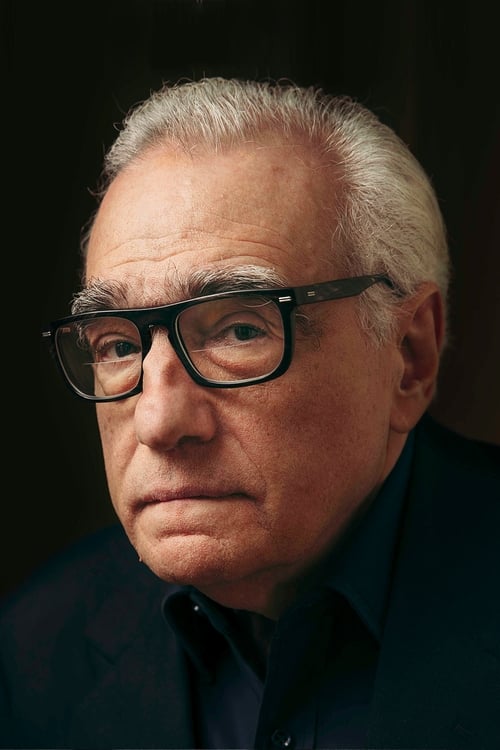
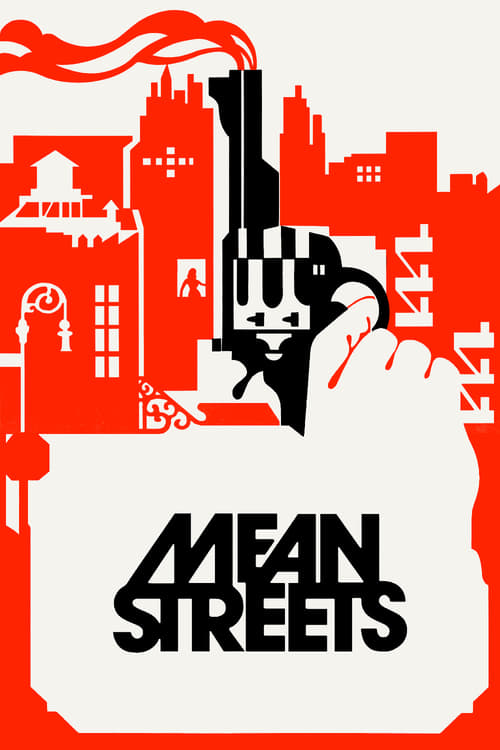


The makeup of this story — a truck driver turned hit man named Frank Sheeran tells of his friendships with Mafia kingpins and his role in the disappearance of Jimmy Hoffa — includes elements of the kinetic energy of “Mean Streets” and "Goodfellas" and the epic, going-to-hell tapestry of “Casino.”
De Niro had admired Scorsese’s 1967 debut, Who’s That Knocking At My Door, finding it to be an authentic representation of life in their neighbourhood, and when the director returned to that territory in 1973 with Mean Streets, he cast De Niro as the impish troublemaker Johnny Boy.
Returning to the working class perspective he favored in Mean Streets, the film offers a grittier take of life in the rackets than his more recent efforts, but all the themes are still there: loyalty, brotherhood, guilt, and the how much harder it is to rationalize our actions as we get older.
From Mean Streets to Goodfellas to Casino, no filmmaker has become as associated with the gangster movie genre as we know it today.
In his latest, The Irishman, Scorsese takes all the best elements from his filmography — including Mean Streets, Goodfellas, Casino, The Departed and The Wolf of Wall Street — and tosses them into a three-and-a-half-hour character-driven epic.
In Mean Streets, released when Scorsese was 31, a brush with danger, a life-altering event with an ultimate outcome still unwritten.
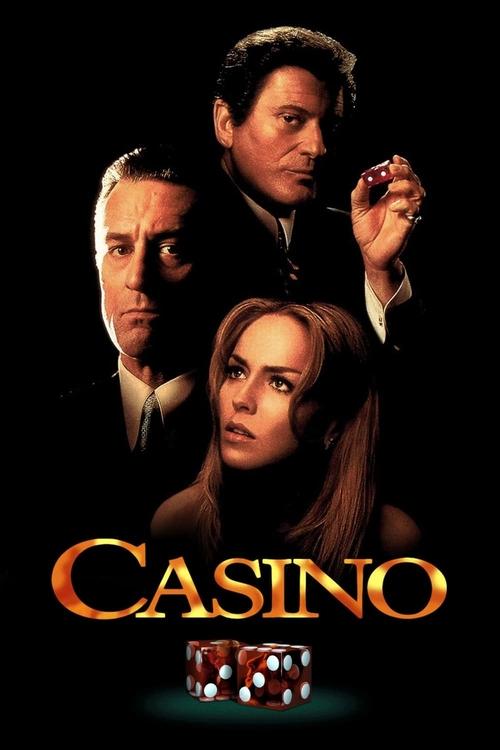
Director Martin Scorsese hasn’t collaborated with De Niro since Casino (1995), and for some reason, he’s never worked with Al Pacino before.
The mournful epic caps a mob-based quartet of films preceded by Mean Streets, GoodFellas and Casino.
Since Taxi Driver, director Martin Scorsese goes way back with actor Robert De Niro, but the director has also made a career of famed mafia movies from Goodfellas to Casino.
It’s Scorese’s “Unforgiven,” a Catholic’s atonement for all the gilded Oscar glory that was a byproduct of his decades of gangland epics, from “Goodfellas” and “Casino” to “The Departed.”
Scorsese loves a good requiem, whether it be for the Wise Guy high life in Goodfellas, the days of mob-controlled Vegas in Casino, or for the salad days of organized labor in The Irishman.
Voici un nouveau chef-d’œuvre de Martin Scorsese, un autre captivant film de gangsters épique dans la lignée de GoodFellas et Casino, sur fond d’histoire du XXe siècle (JFK, Castro, Nixon, etc.), mais aussi un bouleversant film sur le vieillissement et la mort, avec possiblement la meilleure performance en carrière de Robert De Niro, aux côtés d’Al Pacino et Joe Pesci, eux aussi extraordinaires.
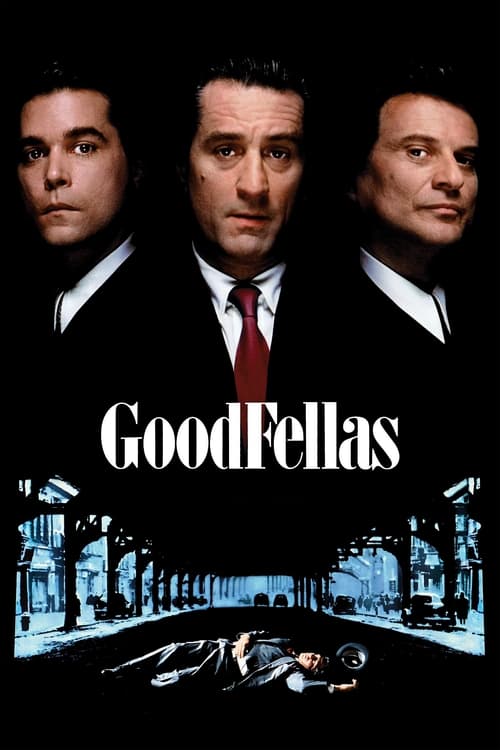
Forget the famous, triumphant Copacabana tracking shot in Scorsese’s GoodFellas — this is the cold, bleak truth of a cold, bleak life.
Since Taxi Driver, director Martin Scorsese goes way back with actor Robert De Niro, but the director has also made a career of famed mafia movies from Goodfellas to Casino.
The story follows Frank Sheeran (Robert De Niro), and Scorsese revisits the narration used in several of his films, but this isn’t Goodfellas.
The creative force behind films like “Taxi Driver,” “Raging Bull,” “Goodfellas” – films that are indelible parts of the cinematic pantheon.
It’s Scorese’s “Unforgiven,” a Catholic’s atonement for all the gilded Oscar glory that was a byproduct of his decades of gangland epics, from “Goodfellas” and “Casino” to “The Departed.”
Scorsese loves a good requiem, whether it be for the Wise Guy high life in Goodfellas, the days of mob-controlled Vegas in Casino, or for the salad days of organized labor in The Irishman.

From character-based psychological thrillers ( Taxi Driver , Cape Fear ) to bombastic biopics of eccentric moguls ( The Aviator , The Wolf of Wall Street ) to Daniel-Day Lewis costume dramas ( Gangs of New York , The Age of Innocence ) to deeply meditative religious pieces ( Silence , The Last Temptation of Christ ), Scorsese is continually flexing his storytelling prowess.
Yet there are also nods to Taxi Driver , The Age of Innocence , and even Silence in the film’s determined focus of an end-of-life meditation on the inevitability of death.
So he tried a period drama with "The Age of Innocence;" a biopic with "The Aviator;" and an homage to cinema with "Hugo."
This film shares a hallmark of Scorsese’s gangster films like Goodfellas , Casino , and The Age of Innocence (which is totally a gangster film) in people who insistently talk around the subject that they’re addressing, partly because they’re afraid of government wiretaps and partly to shield themselves from their business’ grubby realities.
Of his more recent works, “The Wolf of Wall Street” (2013) registered a bravura take on a tired genre, and folks always tend to forget the quiet, immersive charm of “The Age of Innocence” (1993).
It’s as much a companion piece to the propulsive, addictive violence of Goodfellas and Casino as it is to the meditative lacerations of Silence, the punishing doubts of The Last Temptation of Christ and the spiritual suffering of The Age of Innocence.
His experiments have been hit and miss, from Leonardo DeCaprio’s The Aviator to Shutter Island and even The Last Temptation of Christ.
Harvey Keitel, now 80, was Scorsese’s De Niro before De Niro came along – they made four pictures together in quick succession, with Keitel playing Scorsese’s alter ego in Who’s That Knocking At My Door and Mean Streets – but then nothing until The Last Temptation of Christ in 1988 (Keitel was Judas) and now The Irishman, in which he is the boss of bosses, seated motionless at a restaurant table.
Drawn by ace screenwriter Steven Zaillian from Charles Brandt’s 2004 book I Heard You Paint Houses (a euphemism used throughout), it’s easily Scorsese’s most polarising movie since The Last Temptation Of Christ, and much has been made (at interminable length) regarding its lack of female characters, de-ageing CG tricks, 209 minute running time, and more.
From character-based psychological thrillers ( Taxi Driver , Cape Fear ) to bombastic biopics of eccentric moguls ( The Aviator , The Wolf of Wall Street ) to Daniel-Day Lewis costume dramas ( Gangs of New York , The Age of Innocence ) to deeply meditative religious pieces ( Silence , The Last Temptation of Christ ), Scorsese is continually flexing his storytelling prowess.
It’s arguably closer to Scorsese’s faith-based trilogy, “The Last Temptation of Christ,” “Kundun” and “Silence,” asking the big question: What does it all mean?
It actually has more in common with Scorsese's faith-based trilogy, The Last Temptation of Christ , Kundun, and Silence .
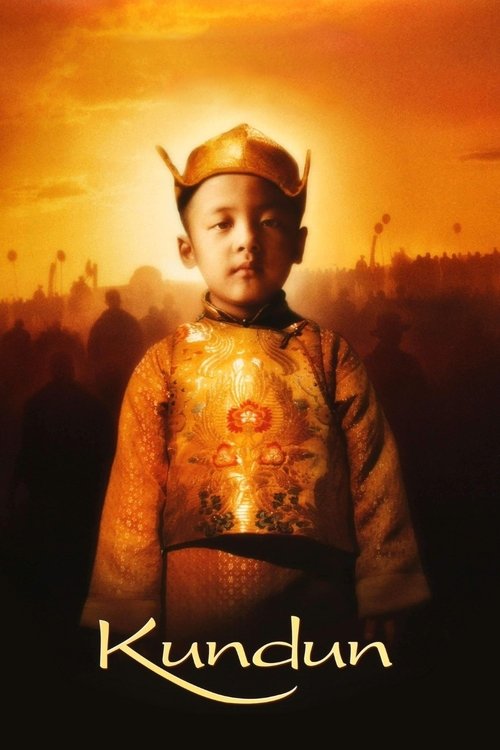
It’s arguably closer to Scorsese’s faith-based trilogy, “The Last Temptation of Christ,” “Kundun” and “Silence,” asking the big question: What does it all mean?
It actually has more in common with Scorsese's faith-based trilogy, The Last Temptation of Christ , Kundun , and Silence .
And although he’s known for his New York crime movies, his work spans a variety of genres (The Last Waltz, Kundun The Last Temptation of Christ).
You’re allowed to like both Ant-Man and The Aviator, or Ironman but not Silence, or neither Kundun nor Captain Marvel.
With the appearance of a Catholic priest trying to save the dying Sheeran's soul, Scorsese's religious connection re-emerges, as in Kundun, Silence, and of course The Last Temptation of Christ.
This was as true of “Kundun,” “The Last Temptation of Christ” and “Silence”—to name three examples of Scorsese-ian magnificence and spiritual humility—as it was of “The Departed” and “The Wolf of Wall Street.”
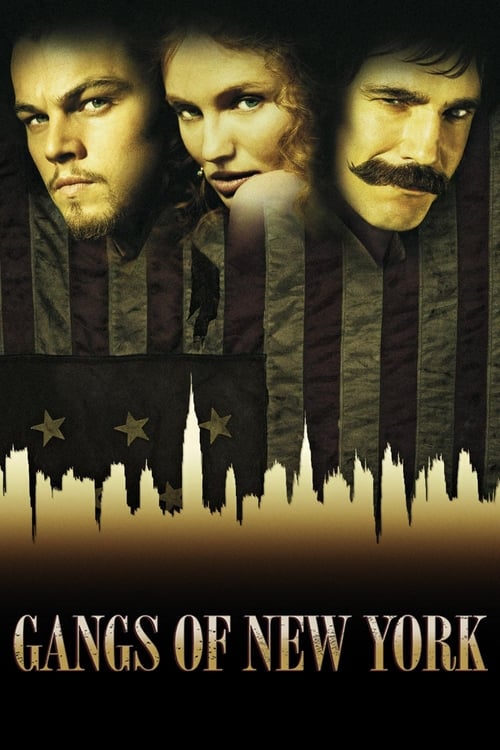
Scorsese has hinted at the limitations of violent men before, showing adversaries scrambling pitifully in the dirt at the end of Gangs of New York , but this is his first film to make that impoverishment its defining theme.
From character-based psychological thrillers ( Taxi Driver , Cape Fear ) to bombastic biopics of eccentric moguls ( The Aviator , The Wolf of Wall Street ) to Daniel-Day Lewis costume dramas ( Gangs of New York , The Age of Innocence ) to deeply meditative religious pieces ( Silence , The Last Temptation of Christ ), Scorsese is continually flexing his storytelling prowess.
The Irishman ( in theaters now and on Netflix November 27 ) is the culmination of Martin Scorsese’s career as the foremost auteur of American gangster movies (Goodfellas, Casino, Gangs of New York, The Departed).
Based on the 2004 bestseller “I Heard You Paint Houses” by Charles Brandt adapted by Steven Zaillian (“Gangs of New York”), the film is narrated by De Niro’s Frank Sheeran from a wheelchair in a nursing home and framed by a 1975 road trip taken by Philadelphia mob boss Russell Bufalino aka McGee (Pesci), his wife Carrie (Kathrine Narducci) and friend and killer-for-hire Frank Sheeran aka the Irishman, a family man and combat-seasoned World War II veteran.
Scorsese and screenwriter Steven Zaillian (Moneyball, Gangs of New York, Schindler’s List), adapting the book I Hear You Paint Houses by Charles Brandt, trace Sheeran’s involvement in the corruption of American life that eventually spills into the public arena.
If his other mob movies—Goodfellas, as well as Mean Streets, Casino, Gangs of New York, and The Departed—danced on the line between guilt and glory, crime and punishment, rock and roll, The Irishman lays down on that line in a gesture of supplication.
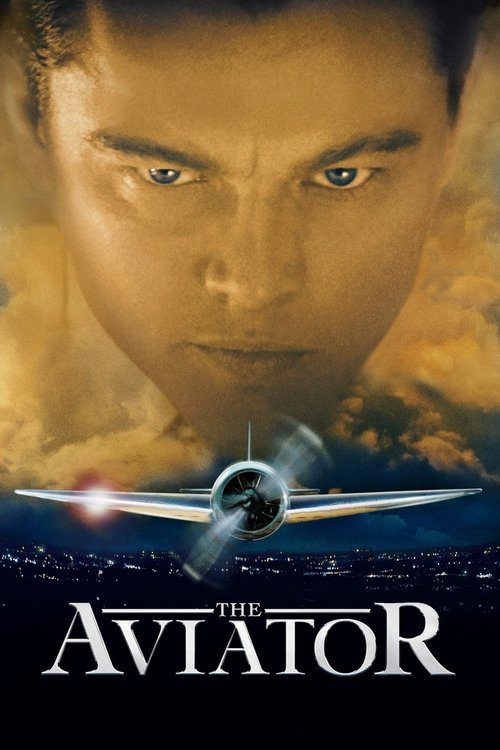
His experiments have been hit and miss, from Leonardo DeCaprio’s The Aviator to Shutter Island and even The Last Temptation of Christ.
From character-based psychological thrillers ( Taxi Driver , Cape Fear ) to bombastic biopics of eccentric moguls ( The Aviator , The Wolf of Wall Street ) to Daniel-Day Lewis costume dramas ( Gangs of New York , The Age of Innocence ) to deeply meditative religious pieces ( Silence , The Last Temptation of Christ ), Scorsese is continually flexing his storytelling prowess.
So he tried a period drama with "The Age of Innocence;" a biopic with "The Aviator;" and an homage to cinema with "Hugo."
By making a film involving Hoffa, Scorsese revisits some of the same territory as he did in portraying Howard Hughes in The Aviator , considering a man who was once one of the most famous figures in the world but who is obscure just a few generations later.
But compared to his other mob dramas, The Irishman is a much larger project on the scale of era-spanning, historically weighty films like The Aviator .
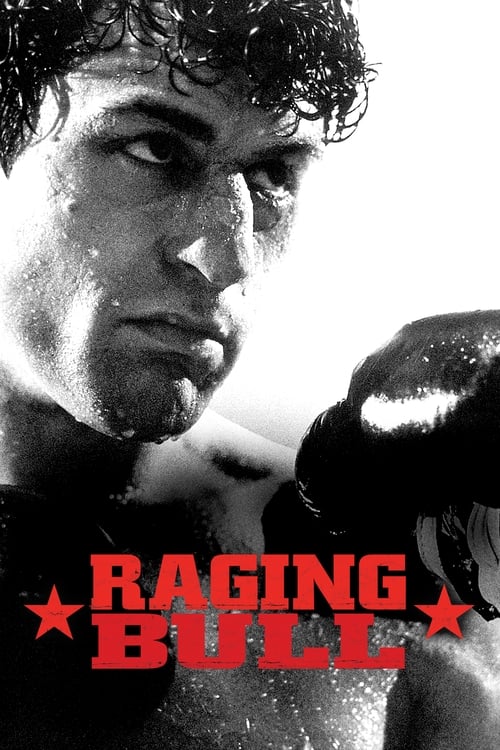
The creative force behind films like “Taxi Driver,” “Raging Bull,” “Goodfellas” – films that are indelible parts of the cinematic pantheon.
Simply putting De Niro and Pesci back together is a nostalgia play of its own, of course, a continuation of their journey from Raging Bull, Goodfellas, and Casino to now.
The crime of overcooking steak in Raging Bull even leads to violence, but then so do most things in that film.
Martin Scorsese shot Raging Bull in black-and-white to protest what he understood to be a crisis in unstable color film stock.
Kudos to editor Thelma Schoonmaker (who has been collaborating with Scorsese since 1980 with Raging Bull) for keeping the film light on its feet for as long as she does but even she cannot make the long-winded picture fleet-footed throughout.
And De Niro with Joe Pesci make up the winning team that powered “Raging Bull,” “GoodFellas” and “Casino.”

It’s Scorese’s “Unforgiven,” a Catholic’s atonement for all the gilded Oscar glory that was a byproduct of his decades of gangland epics, from “Goodfellas” and “Casino” to “The Departed.”
Grim endings are often the case in Scorsese’s films, especially his 1990s and 2000s gangster dramas — “Goodfellas,” “Casino,” “The Departed.”
Whereas Goodfellas, Casino, and The Departed were all told with a kinetic, even restless, sense of bravura, The Irishman takes its time as the camera stays stationary a great deal.
The Irishman ( in theaters now and on Netflix November 27 ) is the culmination of Martin Scorsese’s career as the foremost auteur of American gangster movies (Goodfellas, Casino, Gangs of New York, The Departed).
In his latest, The Irishman, Scorsese takes all the best elements from his filmography — including Mean Streets, Goodfellas, Casino, The Departed and The Wolf of Wall Street — and tosses them into a three-and-a-half-hour character-driven epic.
If his other mob movies—Goodfellas, as well as Mean Streets, Casino, Gangs of New York, and The Departed—danced on the line between guilt and glory, crime and punishment, rock and roll, The Irishman lays down on that line in a gesture of supplication.
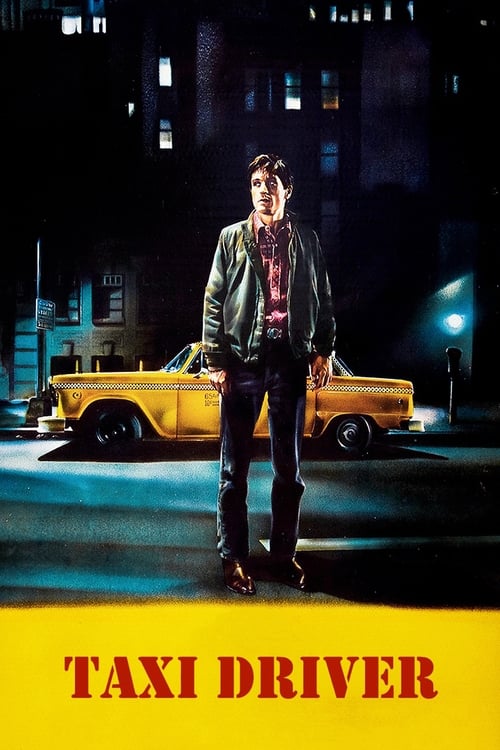
Since Taxi Driver, director Martin Scorsese goes way back with actor Robert De Niro, but the director has also made a career of famed mafia movies from Goodfellas to Casino.
The creative force behind films like “Taxi Driver,” “Raging Bull,” “Goodfellas” – films that are indelible parts of the cinematic pantheon.
From character-based psychological thrillers ( Taxi Driver , Cape Fear ) to bombastic biopics of eccentric moguls ( The Aviator , The Wolf of Wall Street ) to Daniel-Day Lewis costume dramas ( Gangs of New York , The Age of Innocence ) to deeply meditative religious pieces ( Silence , The Last Temptation of Christ ), Scorsese is continually flexing his storytelling prowess.
Here’s Robert De Niro alongside Harvey Keitel, recalling “Mean Streets” and “Taxi Driver.”
He’s not the glaring, entertaining psychopath of Taxi Driver or Mean Street, but the psychopath who is so good at killing because, at base, he doesn’t feel anything.
Fortunately, The Irishman is another reminder that Scorsese remains one of the finest American directors; it's truly impressive that at 77 years old, he's still as passionate and enthusiastic about his work as he was when he made Taxi Driver and Raging Bull, continuing to find ways to captivate an audience.
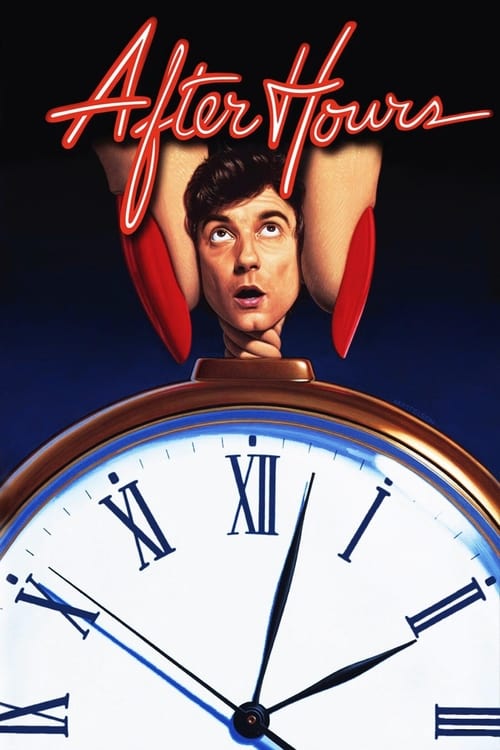
I’ve always been wildly partial to “After Hours” (1985) due to its free-form friskiness and splatters of female empowerment – it’s both dark and liberating – and I haven’t even mentioned “The King of Comedy” (1982); the Tom Cruise movie that won Paul Newman an Oscar; or that Boston movie that won best picture.
Steven Spielberg’s war films and thrillers have been overshadowed by his fantasies and sci-fi films; Francis Ford Coppola has been unfairly painted as a director with a mere eight years of quality output; and Martin Scorsese’s reputation as a director of mob and crime films belies his Catholic spiritualism (The Last Temptation of Christ, Kundun, Silence), his comedic side (After Hours, The King of Comedy, The Wolf of Wall Street) and his historical interests (The Aviator, Gangs of New York, Hugo).
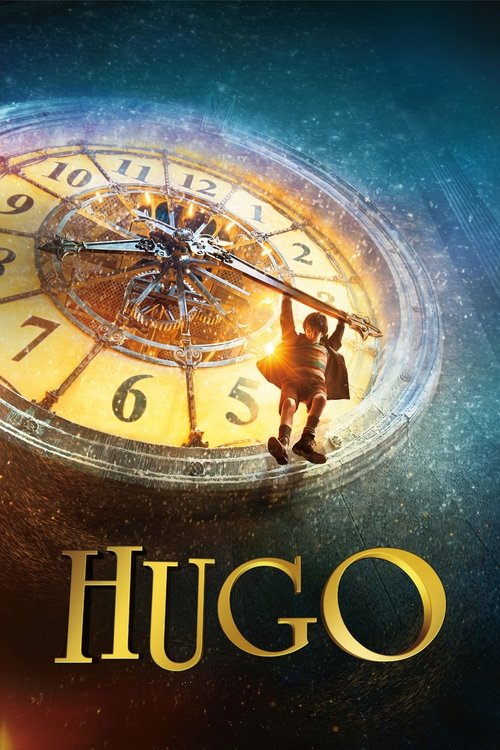
So he tried a period drama with "The Age of Innocence;" a biopic with "The Aviator;" and an homage to cinema with "Hugo."
Thanks to the success he gained from The Departed , The Wolf of Wall Street and Hugo , he’s gained more power than at any point in his career.
He would take advantage of all of those element and while his films would rarely hit the box-office peaks of contemporaries like Steven Spielberg, George Lucas and Francis Ford Coppola, his body of work would soon earn him the title of America’s Greatest Filmmaker, which he has worn with pride for decades, even as audiences and critics have sometimes and inexplicably overlooked a number of films (including “Casino,” “Bringing Out the Dead,” “Shutter Island,” “Hugo” and “The Wolf of Wall Street”) that would be regarded as peak moments in the careers of most filmmakers.
He is always managing to find his voice amongst these rapid changes – most notably demonstrating his ability to adapt these monumental transitions through his excellent 2011 film Hugo .
Steven Spielberg’s war films and thrillers have been overshadowed by his fantasies and sci-fi films; Francis Ford Coppola has been unfairly painted as a director with a mere eight years of quality output; and Martin Scorsese’s reputation as a director of mob and crime films belies his Catholic spiritualism (The Last Temptation of Christ, Kundun, Silence), his comedic side (After Hours, The King of Comedy, The Wolf of Wall Street) and his historical interests (The Aviator, Gangs of New York, Hugo).
Making Hugo in 3D was not just a way to make something more commercially viable, it was a stylistic choice that applied to the film’s narrative (resulting in one of the best movies ever to rely on the 3D format).
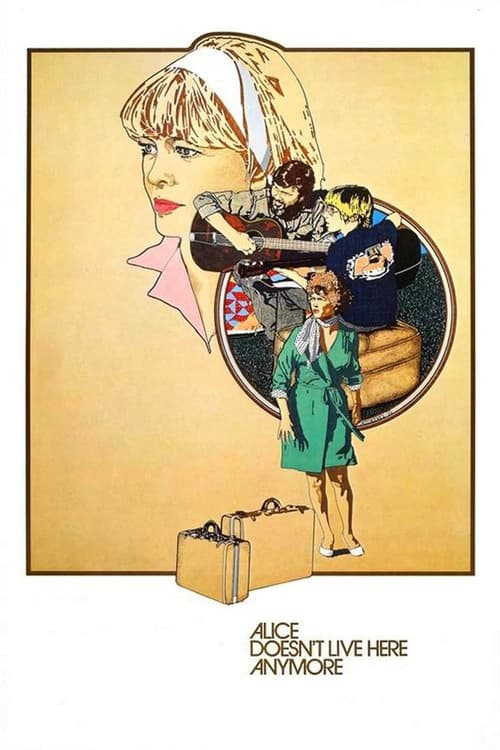
Then I went back and read the interview I did many years ago with Marty in his apartment in Los Angeles at the top of La Cienega Boulevard, after the release of Alice Doesn't Live Here Anymore (1974).
The two actresses, both terrific in their limited duties, seem to punctuate the point that women have played relatively minor roles in Scorsese movies (“Alice Doesn’t Live Here Anymore” being one glorious exception).
It’s almost as if she’s being introduced in order to be erased, and we are reminded of the grave lack of women at the heart of Scorsese’s work, and of how rarely—with the blazing exceptions of Ellen Burstyn, in “Alice Doesn’t Live Here Anymore” (1974), and Sharon Stone, in “Casino”—they are granted the freedom to occupy center stage.
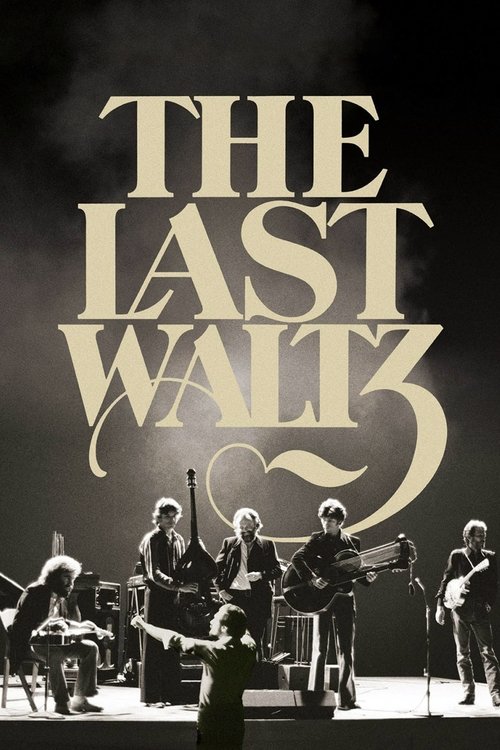
And although he’s known for his New York crime movies, his work spans a variety of genres (The Last Waltz, Kundun The Last Temptation of Christ).
Ao longo de sua carreira, Martin Scorsese dirigiu comédias de humor sombrio ( O Rei da Comédia , Depois de Horas ), dramas românticos ( A Época da Inocência ), meditações teológicas ( A Última Tentação de Cristo , Silêncio ), suspenses que beiram o terror ( Cabo do Medo , Ilha do Medo ), estudos de personagem ( Vivendo no Limite , Taxi Driver , Alice Não Mora Mais Aqui ), documentários sobre Cinema ( Minha Viagem à Italia ), sobre cineastas ( Carta para Elia ), sobre músicos (George Harrison, Bob Dylan), sobre escritores ( Public Speaking ) e registros de shows ou do histórico de bandas célebres ( The Last Waltz , Shine a Light ).
Others drop in and pay their respects, Bobby Cannavale, Jesse Plemons, Ray Romano, Sebastian Maniscalco, Anna Paquin and rapper Action Bronson among them, while Robbie Robertson, a Scorsese collaborator going back to "The Last Waltz," turns in a brooding, jazz-inflected score.
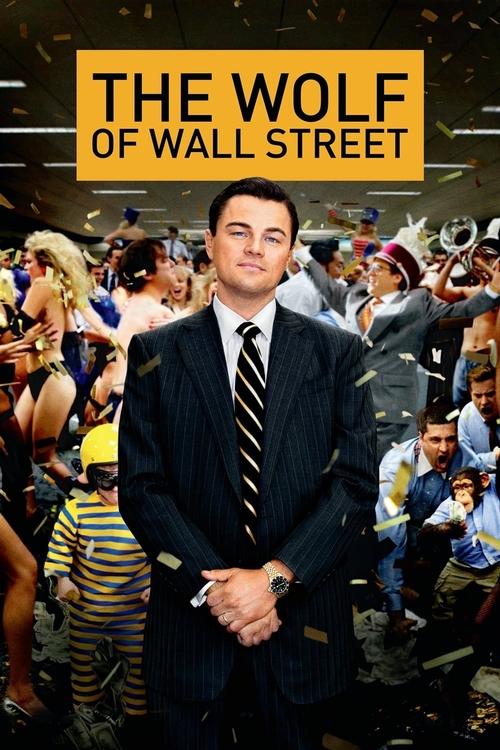
To his credit, Scorsese abolishes most of its related trepidations, only seeping interest in its epilogue, much like he did in 2013’s The Wolf of Wall Street.
Bob Shaw’s ("The Wolf of Wall Street") production design also stars, his work period perfection.
He would take advantage of all of those element and while his films would rarely hit the box-office peaks of contemporaries like Steven Spielberg, George Lucas and Francis Ford Coppola, his body of work would soon earn him the title of America’s Greatest Filmmaker, which he has worn with pride for decades, even as audiences and critics have sometimes and inexplicably overlooked a number of films (including “Casino,” “Bringing Out the Dead,” “Shutter Island,” “Hugo” and “The Wolf of Wall Street”) that would be regarded as peak moments in the careers of most filmmakers.
From character-based psychological thrillers ( Taxi Driver , Cape Fear ) to bombastic biopics of eccentric moguls ( The Aviator , The Wolf of Wall Street ) to Daniel-Day Lewis costume dramas ( Gangs of New York , The Age of Innocence ) to deeply meditative religious pieces ( Silence , The Last Temptation of Christ ), Scorsese is continually flexing his storytelling prowess.
[READ MORE: Our review of Martin Scorsese’s ‘The Wolf of Wall Street‘, which we called the best film of 2013]…
In his latest, The Irishman, Scorsese takes all the best elements from his filmography — including Mean Streets, Goodfellas, Casino, The Departed and The Wolf of Wall Street — and tosses them into a three-and-a-half-hour character-driven epic.
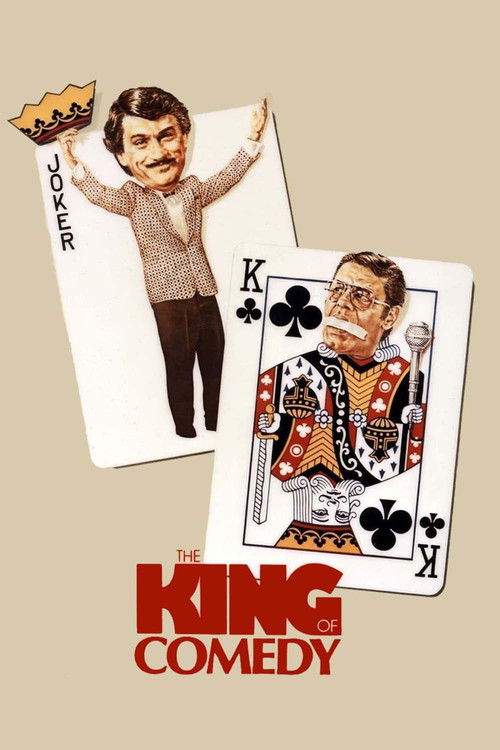
I’ve always been wildly partial to “After Hours” (1985) due to its free-form friskiness and splatters of female empowerment – it’s both dark and liberating – and I haven’t even mentioned “The King of Comedy” (1982); the Tom Cruise movie that won Paul Newman an Oscar; or that Boston movie that won best picture.
A thumbnail history of the United States as interpreted by Martin Scorsese: rugged individualism (Raging Bull; Goodfellas); racism, religious intolerance, and cupidity in the 19th Century (Gangs of New York); the illusionary leadership of the moneyed class (The Age of Innocence); inner workings of the world of hustlers (Casino; The Wolf of Wall Street); the loner who resorts to violence (Taxi Driver; The King of Comedy; Cape Fear); the conflict between ethics and morality (Mean Streets); and, contents under pressure (The Departed).
The nine films, “Mean Streets” (1973), “Taxi Driver” (1976), “New York, New York” (1977), “Raging Bull” (1980), “The King of Comedy” (1982), “Goodfellas” (1990), “Cape Fear” (1991), “Casino” (1995), and “The Audition” (2015), a short promotional film.
En Mean Streets , De Niro aparece como un escuincle que no mide la irresponsabilidad de sus violencias; en Taxi Driver , como un veterano arruinado por un deber moral torcido; en Raging Bull , como un boxeador de enorme poder físico y pequeña ridiculez celosa; en The King of Comedy , como un hombre arruinado por el deseo de trascender en un mundo bombardeado por el espectáculo; en Goodfellas como el mafioso traicionado entre el deber y la amistad; en Cape Fear como pura violencia sexual liberada de toda atadura por la fútil excusa de la venganza justa; en Casino como el hombre que, cegado por el orgullo, no ve el mundo quemarse a su alrededor… Así, la relación entre la reflexión sobre la masculinidad de Scorsese y la figura de Robert de Niro (que luego será reemplazada sin el mimo éxito por Leonardo DiCaprio) es esencial.
Scorsese and De Niro have of course amassed an even more expansive catalogue of notable work that includes “Mean Streets,” “The King of Comedy,” “Taxi Driver” and “Raging Bull.”
Steven Spielberg’s war films and thrillers have been overshadowed by his fantasies and sci-fi films; Francis Ford Coppola has been unfairly painted as a director with a mere eight years of quality output; and Martin Scorsese’s reputation as a director of mob and crime films belies his Catholic spiritualism (The Last Temptation of Christ, Kundun, Silence), his comedic side (After Hours, The King of Comedy, The Wolf of Wall Street) and his historical interests (The Aviator, Gangs of New York, Hugo).
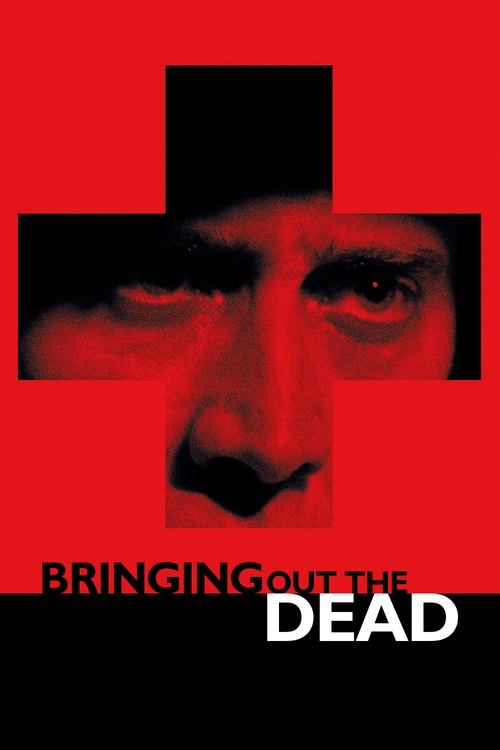
He would take advantage of all of those element and while his films would rarely hit the box-office peaks of contemporaries like Steven Spielberg, George Lucas and Francis Ford Coppola, his body of work would soon earn him the title of America’s Greatest Filmmaker, which he has worn with pride for decades, even as audiences and critics have sometimes and inexplicably overlooked a number of films (including “Casino,” “Bringing Out the Dead,” “Shutter Island,” “Hugo” and “The Wolf of Wall Street”) that would be regarded as peak moments in the careers of most filmmakers.
The film's cinematography is as gripping as any Scorsese effort, though we spend more time in suburban neighborhoods, country clubs, and pristine offices than the gritty streets we've seen in Taxi Driver or Bringing Out the Dead .
Sure, “Bringing Out the Dead” (1999) struggled to find its feet and made you wonder for a moment if the man weren’t losing his touch; but of course back near the top there’s his seminal crime drama, “Mean Streets” (1973), which started it all.
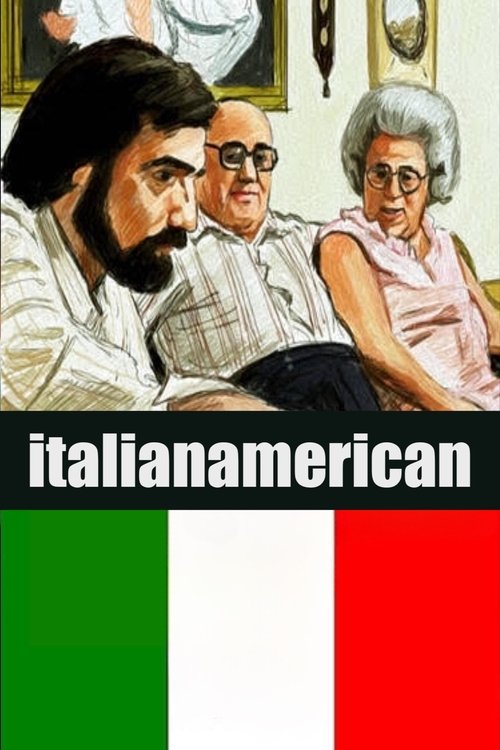
The ritual of food has always been important to Scorsese, who included his mother’s recipe for spaghetti with meatballs in the 1974 documentary Italianamerican and depicted lovingly the slicing of garlic with razorblades in Goodfellas .
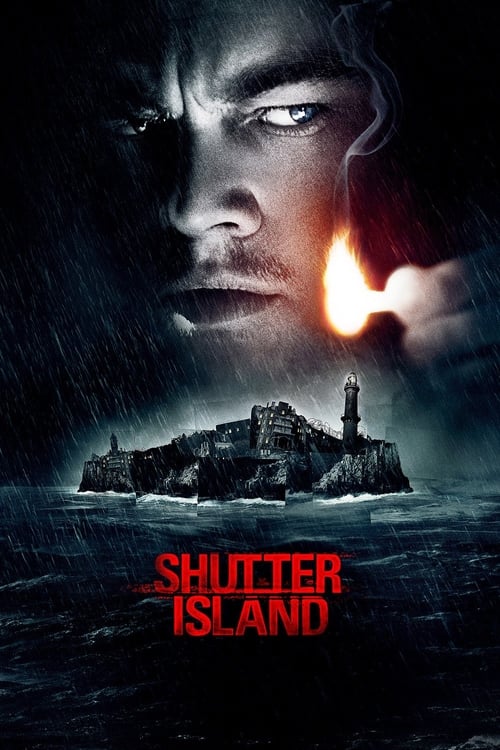
His experiments have been hit and miss, from Leonardo DeCaprio’s The Aviator to Shutter Island and even The Last Temptation of Christ.
He would take advantage of all of those element and while his films would rarely hit the box-office peaks of contemporaries like Steven Spielberg, George Lucas and Francis Ford Coppola, his body of work would soon earn him the title of America’s Greatest Filmmaker, which he has worn with pride for decades, even as audiences and critics have sometimes and inexplicably overlooked a number of films (including “Casino,” “Bringing Out the Dead,” “Shutter Island,” “Hugo” and “The Wolf of Wall Street”) that would be regarded as peak moments in the careers of most filmmakers.
The plot tracks Frank’s life of crime from the late 1940s (with one brief, disturbing flashback to World War II—a less operatic echo of a similar scene in Scorsese’s terrific, underrated Shutter Island ) to the turn of a new century.
With the idea of the moral and mental break of a war veteran, as in Shutter Island .
The film, Scorsese’s best since Shutter Island, won’t be for everyone, certainly not those short on patience.
Even most of Scorsese’s recent non-gangster films, such as The Wolf of Wall Street (2013) and Shutter Island (2010), have been conveyed with hectic, rat-a-tat vigor.
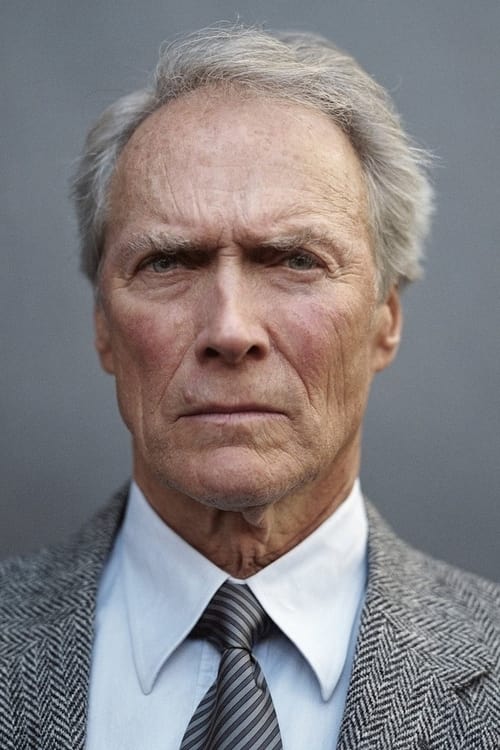
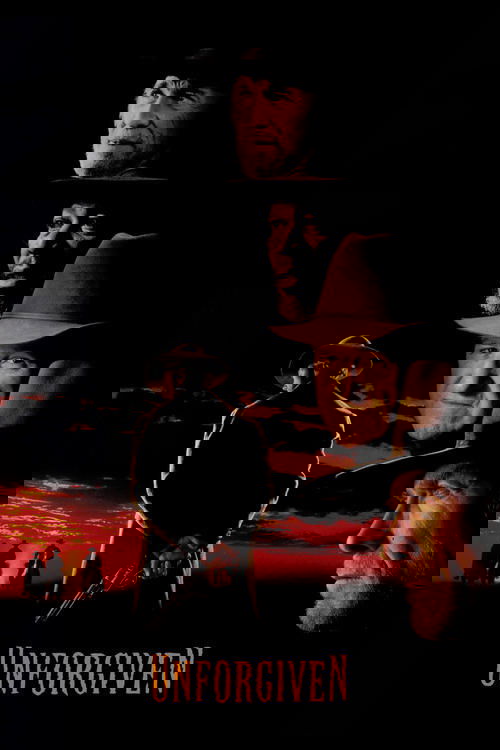
It’s Scorese’s “Unforgiven,” a Catholic’s atonement for all the gilded Oscar glory that was a byproduct of his decades of gangland epics, from “Goodfellas” and “Casino” to “The Departed.”
Think Clint Eastwood's "Unforgiven" with a change in setting, rewritten by an altar boy who has seen things.
Like Clint Eastwood’s Unforgiven in 1992, Martin Scorsese’s Irishman revises and demystifies the myths that made—and still entertain—America.
Coming as late in their careers as it is, there’s a temptation to say this is their final statement on the genre, a commentary that helps put their respective careers in context, much like Clint Eastwood’s “Unforgiven.”
Scorsese’s three-and-a-half-hour magnum opus — which reunites him with longtime collaborators Robert De Niro and Joe Pesci for the first time since 1995’s “Casino” — is a gangster movie to end all gangster movies, akin to Clint Eastwood’s “Unforgiven” and John Ford’s “The Man Who Shot Liberty Valance” in that it finds a filmmaker reflecting on the genre he helped define, issuing what feels like his final word on the subject.
Clint Eastwood bid adieu to westerns with “Unforgiven,” a movie deconstructing what violence does to the soul.
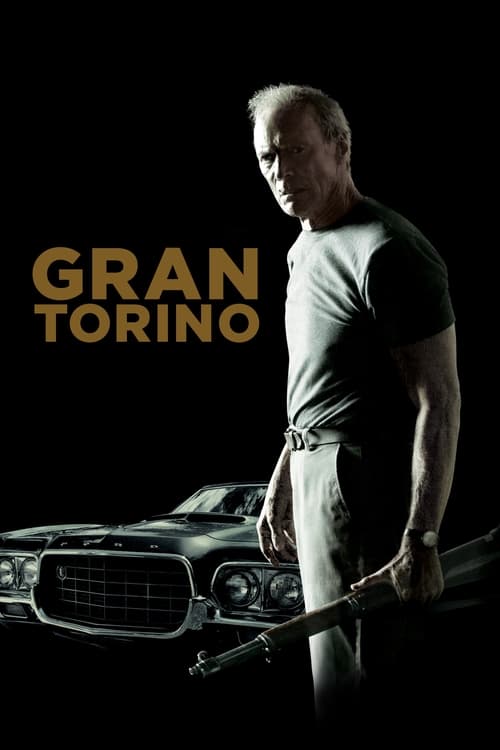
The multiple shootings and stabbings in “The Irishman” are subtly shot by Prieto in grainy, unshowy lenses reminiscent of Tom Stern’s photography in Clint Eastwood’s own mournful adieu "Gran Torino.”
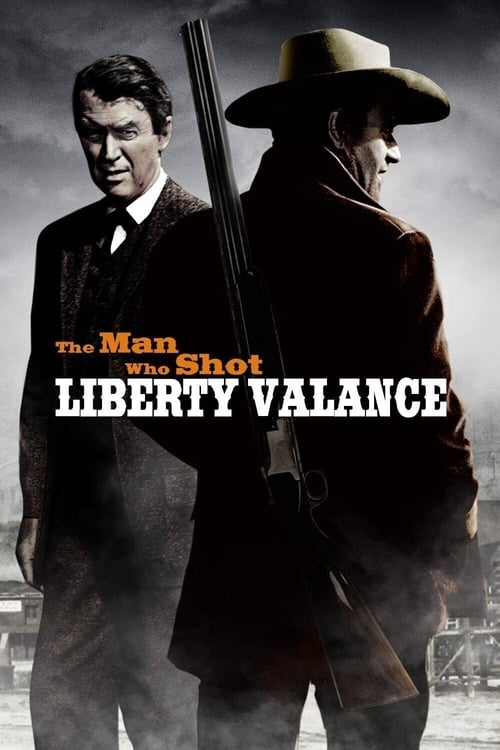
Scorsese’s three-and-a-half-hour magnum opus — which reunites him with longtime collaborators Robert De Niro and Joe Pesci for the first time since 1995’s “Casino” — is a gangster movie to end all gangster movies, akin to Clint Eastwood’s “Unforgiven” and John Ford’s “The Man Who Shot Liberty Valance” in that it finds a filmmaker reflecting on the genre he helped define, issuing what feels like his final word on the subject.
Bostonian film critic Sean Burns is the first I’ve seen that compared “The Irishman” to “The Man Who Shot Liberty Valance” in his review that espoused that Scorsese’s “The Irishman is the movie to end all gangster movies.”
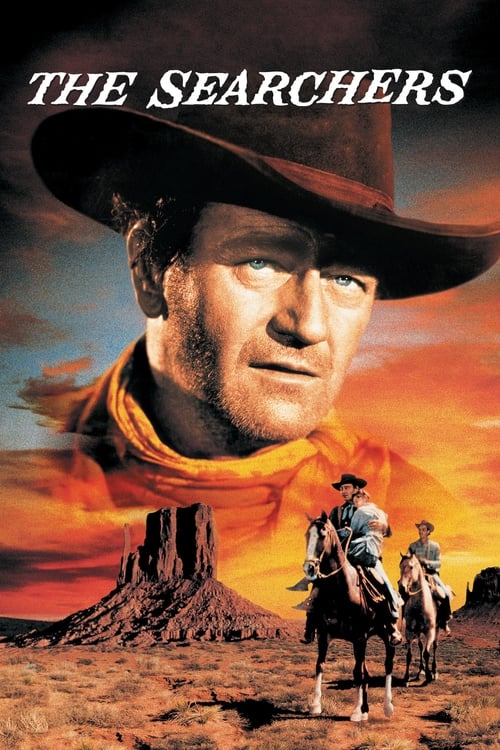
Another John Ford film echoed in my mind for much of “The Irishman”, and that’s “The Searchers.”
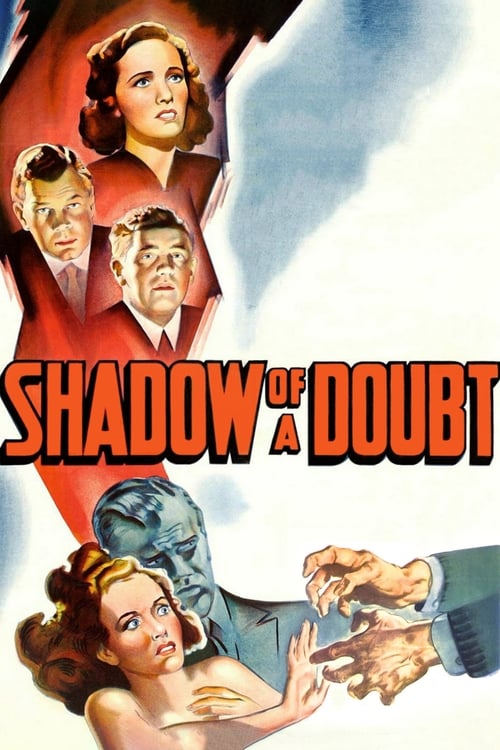
When Paquin is introduced, in a mostly dialogue-free role, the two rarely share the same frame, with a particular moment finding Paquin atop a staircase, in a scene reminiscent of Alfred Hitchcock’s Shadow of a Doubt, seemingly letting go of the idea of ever having a relationship with her father.
Advertisement

I couldn’t help thinking of Elaine May’s Mikey and Nicky as at least an inspiration, if not a tighter expression of these ideas.
A sadder and bedraggled “Mikey and Nicky”—why so existential?—Martin…
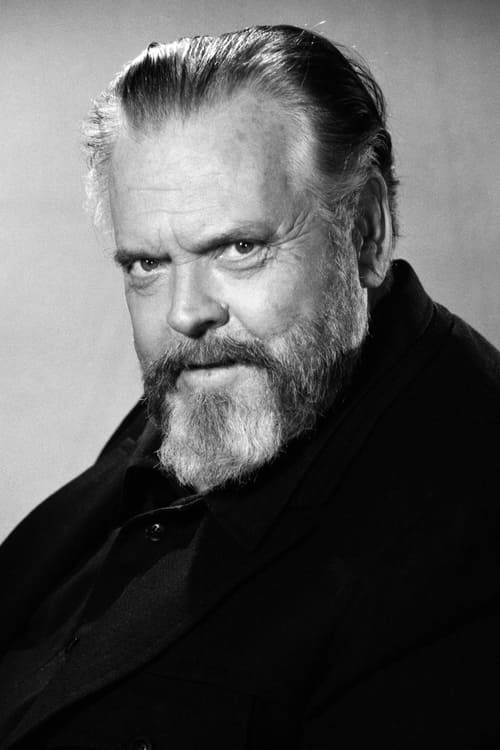
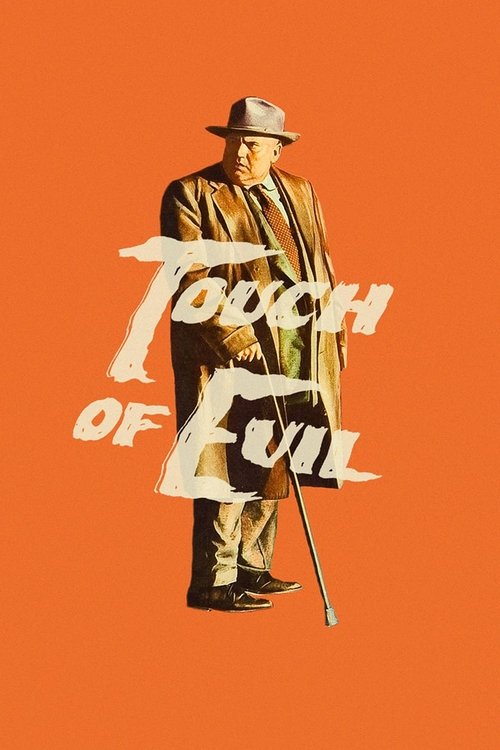
But much like Quentin Tarantino’s Once Upon a Time … in Hollywood, The Irishman deals with themes Orson Welles tapped in his 1958 masterpiece Touch of Evil: that in order to get at some profound truth — about the meaning of life or the passage of time — sometimes an artist has to tell a few lies.
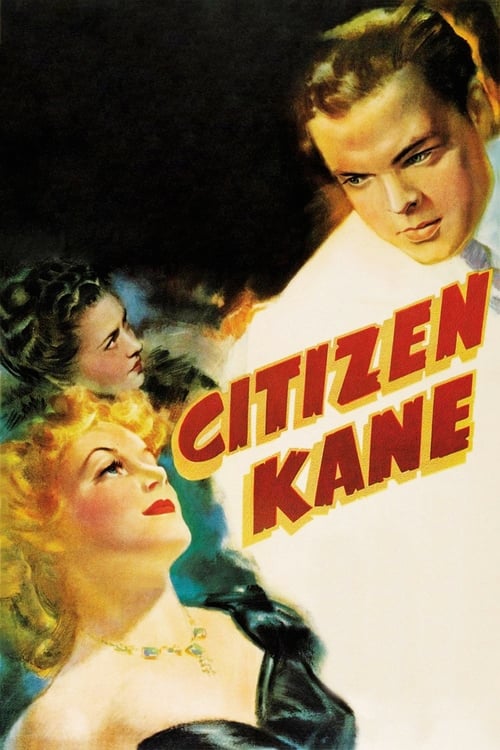
The movies have always found it easier to age a young man (think Orson Welles in Citizen Kane or Heath Ledger in Brokeback Mountain), but it struggles to work the other way.
The Irishman feels like Martin Scorsese‘s Citizen Kane .
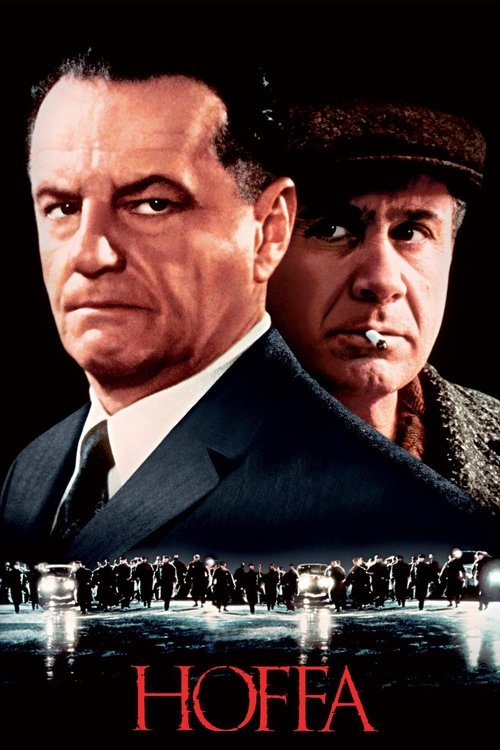
Pacino doesn’t achieve the same kind of physical verisimilitude Jack Nicholson had in 1992’s “Hoffa,” but he creates a memorable portrayal of a charismatic, short-fused, two-fisted union leader whose refusal to quit or back down fueled his rise to power — and led to his downfall.
That Boston film, “The Departed” (2006), played with the persona of Whitey, with Jack Nicholson (who played Hoffa in Danny DeVito’s 1992 take, “Hoffa”) painting him as, well, Jack Nicholson (i.e., not very Boston or Bulger-esque).
It’s instructive to compare Pacino’s Hoffa with Jack Nicholson’s, in the underrated “Hoffa” (1992).
Danny DeVito’s Hoffa had Jack Nicholson playing the Teamster boss as something of a brutal thug, but Pacino manages to make Hoffa a surprisingly charming guy, almost grandfatherly.
Além disso, Pacino torna Hoffa uma figura calorosa e que desperta o afeto do espectador, o que adiciona um elemento dramático importante à narrativa (algo que faltava, por exemplo, à versão de Jack Nicholson no mediano Hoffa ).
He’s more subtle than Jack Nicholson’s incendiary version in Danny DeVito’s underrated 1992 “Hoffa.”
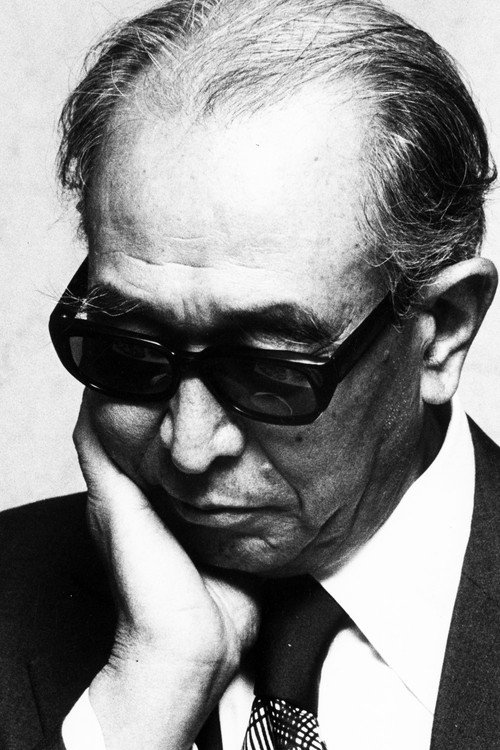

This scene echoes similarly pitiful scenes in Akira Kurosawa’s Drunken Angel and Rashomon: brawls between wannabe roughs afraid of brawling, but forced into it by their own bravado.

This scene echoes similarly pitiful scenes in Akira Kurosawa’s Drunken Angel and Rashomon: brawls between wannabe roughs afraid of brawling, but forced into it by their own bravado.
Advertisement
True, one occasionally might feel that the film could have benefited from some additional trimming by editor Thelma Schoonmaker, but to reverse Pauline Kael’s famous observation after seeing the original “Heaven’s Gate”—that she could think of much to cut but nothing to keep—in this case one might talk in the abstract of shortening the film, but it’s difficult to think of specific parts you’d remove.
After seeing Marty Scorsese's The Irishman, I thought it might be Scorsese's Heaven's Gate (1981).
Scorsese’s and Zaillian’s work must be measured by the storytelling form and length of The Leopard (1963), and of the ’60s roadshow epics like Spartacus (1960) and Lawrence of Arabia (1962), but with the intimacy and political acumen of Stroheim, especially what we know of Greed (1924), and most profoundly of all, the overwhelming sadness of the movie’s greatest influence, Barry Lyndon (1975).
“The Irishman” lavishes the leisurely tempo and generous duration of epics like Luchino Visconti’s “The Leopard.”