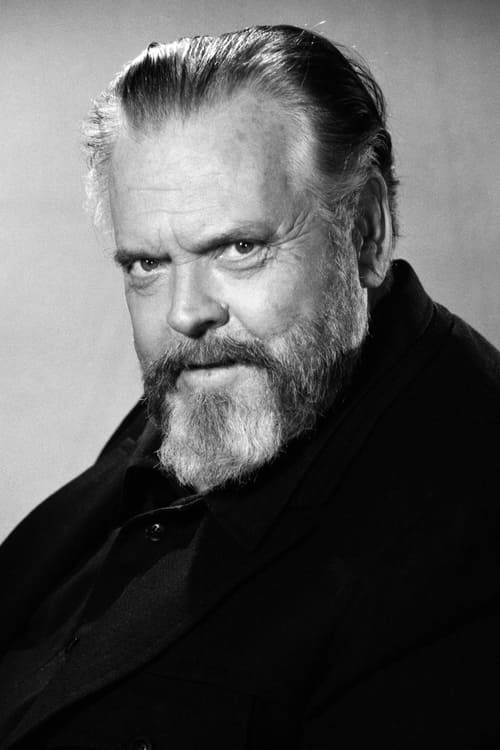
Orson Welles
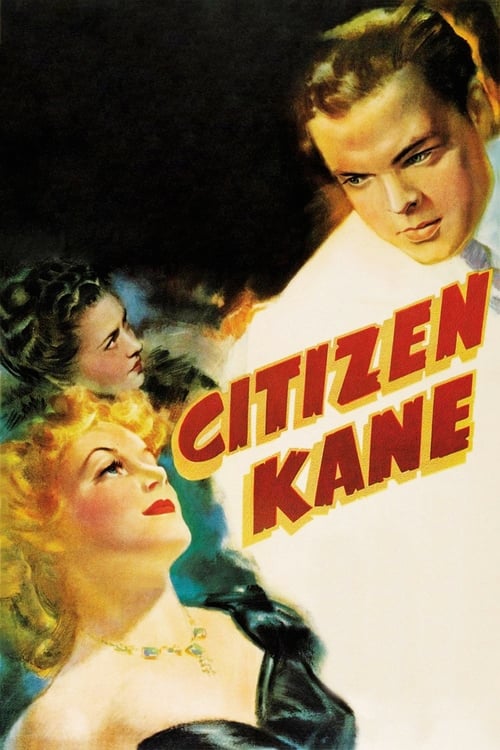
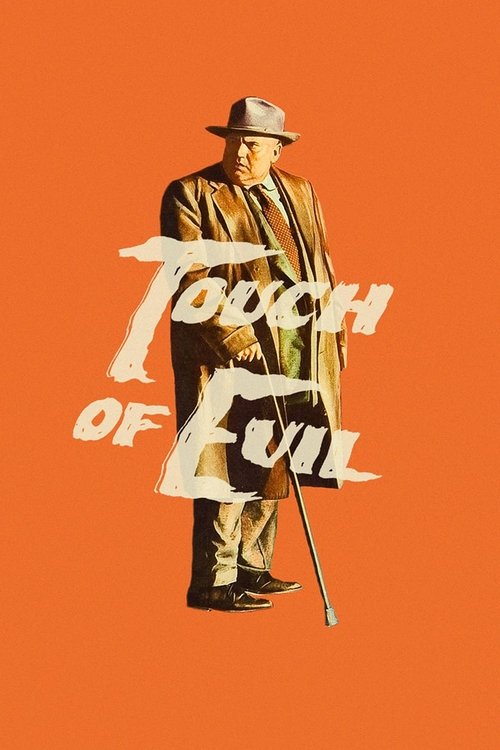
Connections, in both directions
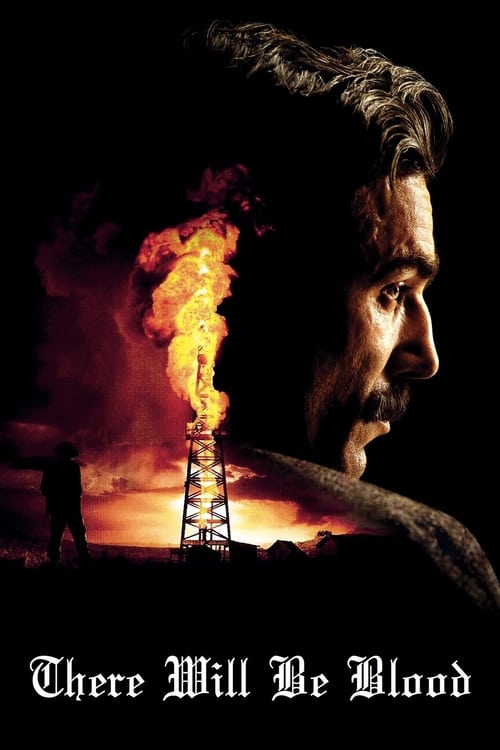
There Will Be Blood (2007)
Directed by Paul Thomas Anderson
influenced by Citizen Kane (1941)


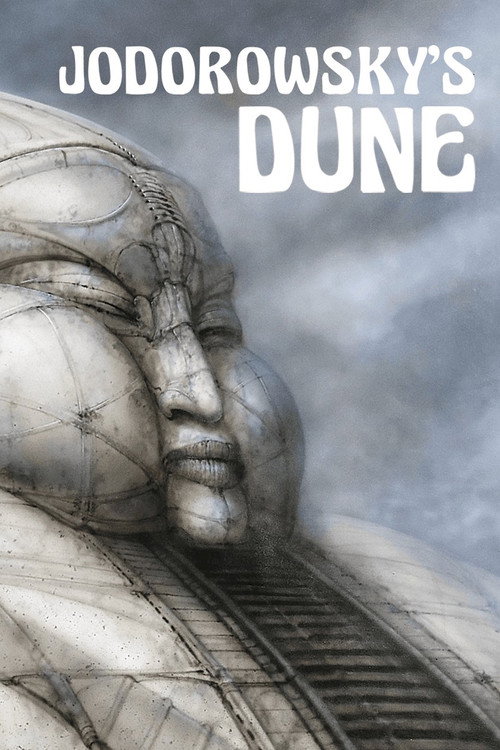
Jodorowsky's Dune (2013)
Directed by Frank Pavich
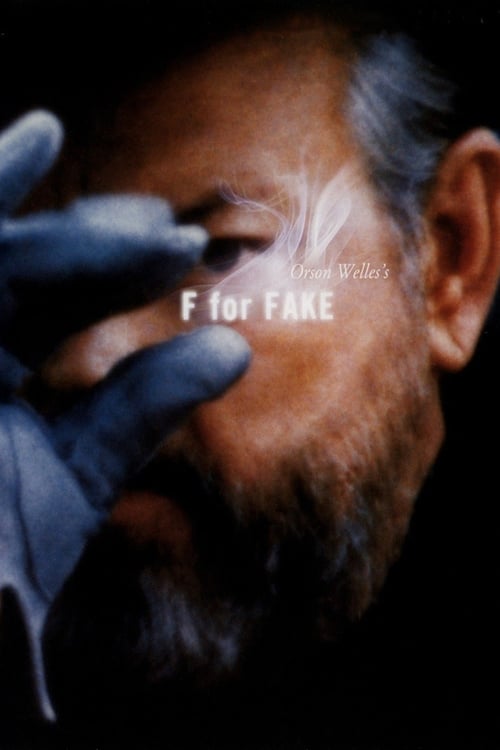
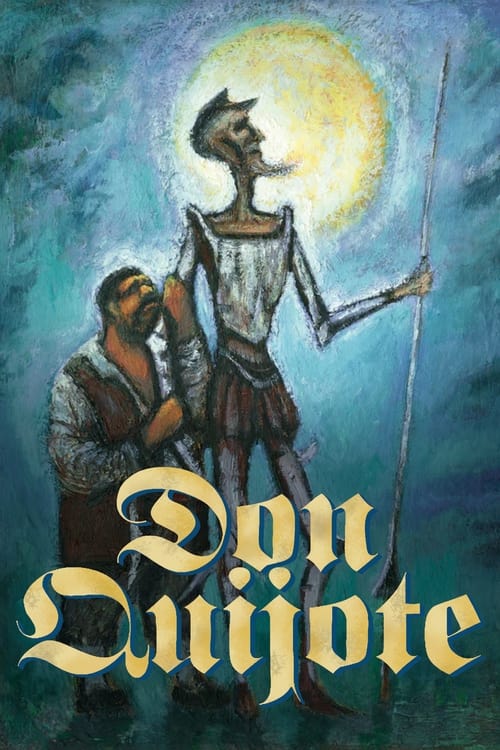
influenced by Touch of Evil (1958), Don Quixote (1992), Citizen Kane (1941), F for Fake (1973)
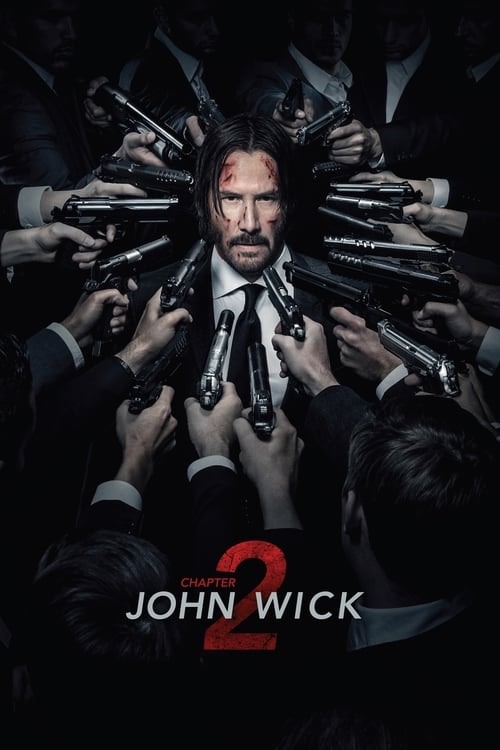
John Wick: Chapter 2 (2017)
Directed by Chad Stahelski
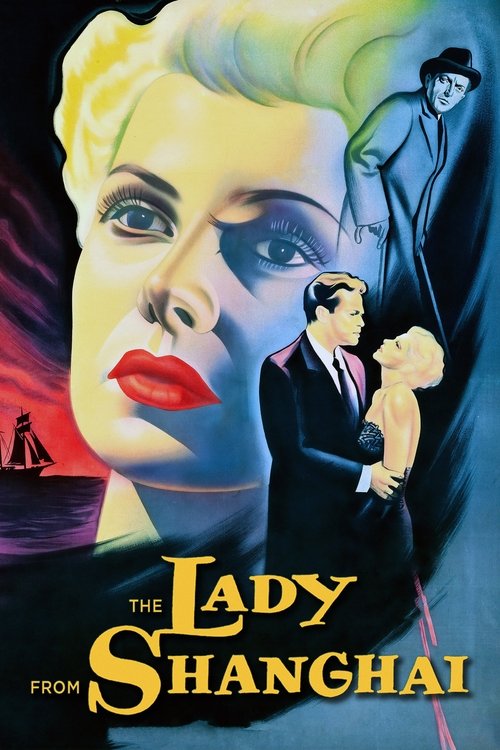
influenced by The Lady from Shanghai (1947)
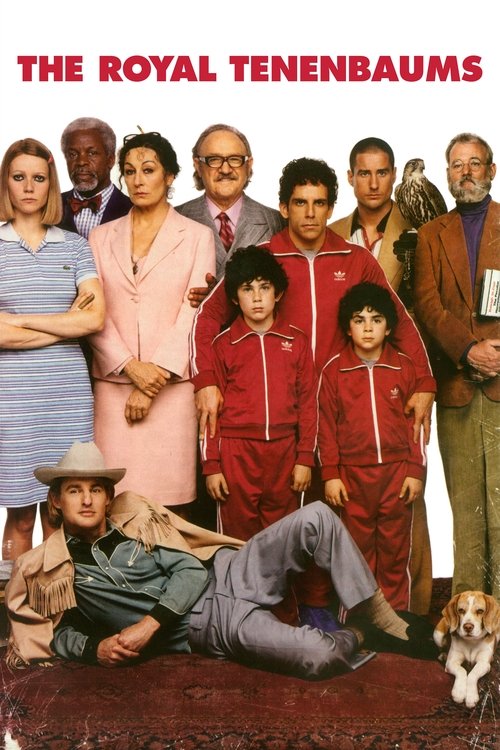
The Royal Tenenbaums (2001)
Directed by Wes Anderson
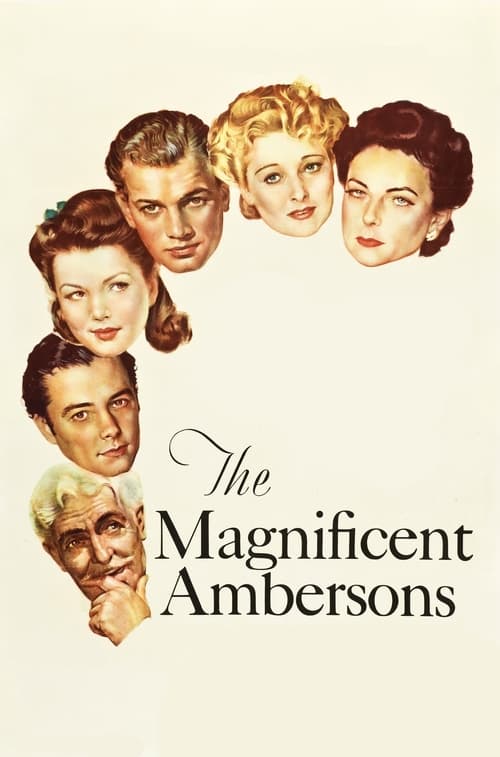
influenced by The Magnificent Ambersons (1942)
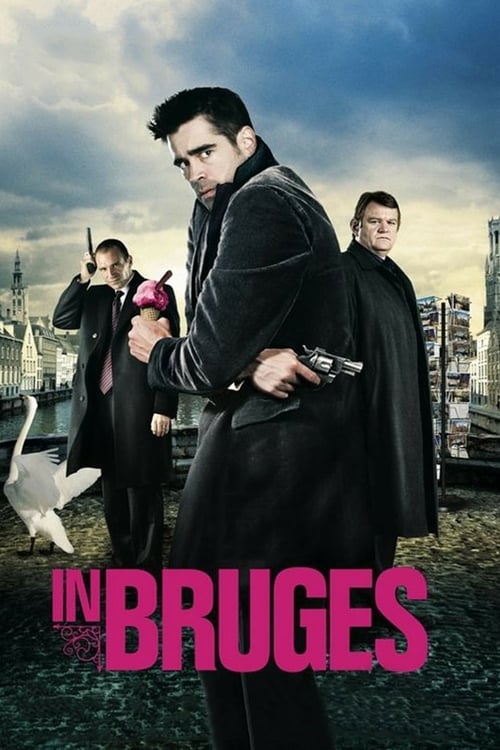
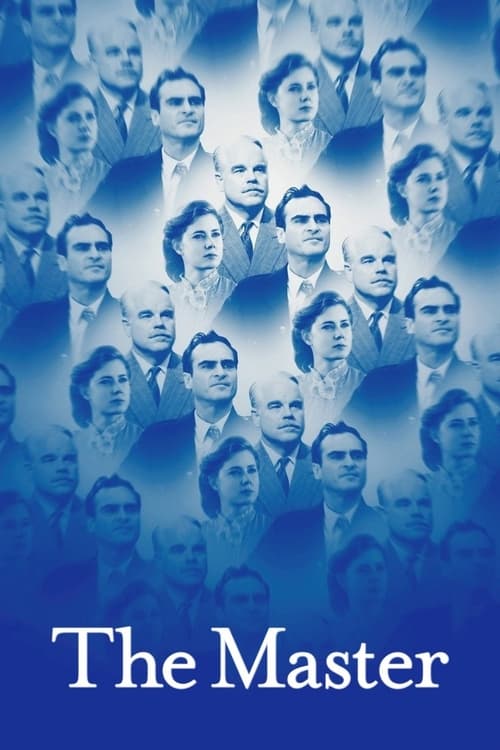
The Master (2012)
Directed by Paul Thomas Anderson
influenced by Citizen Kane (1941)
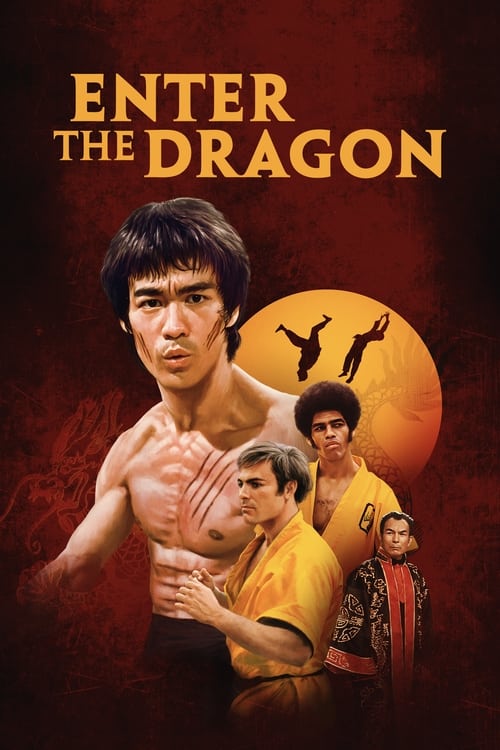
Enter the Dragon (1973)
Directed by Robert Clouse
influenced by The Lady from Shanghai (1947)
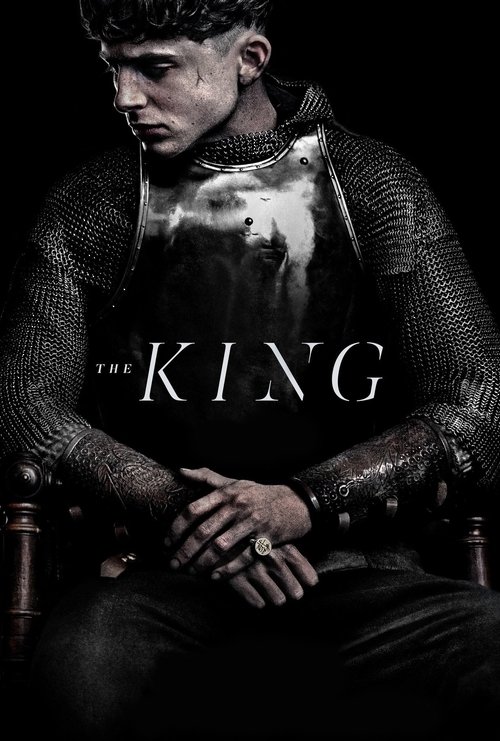
The King (2019)
Directed by David Michôd
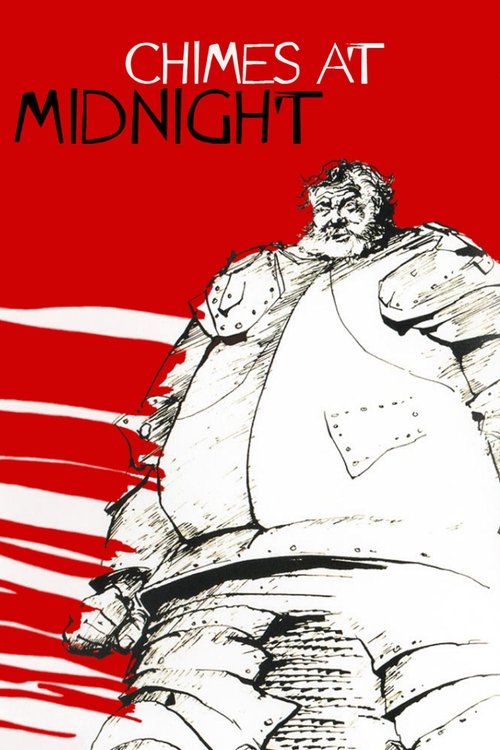
influenced by Chimes at Midnight (1965)
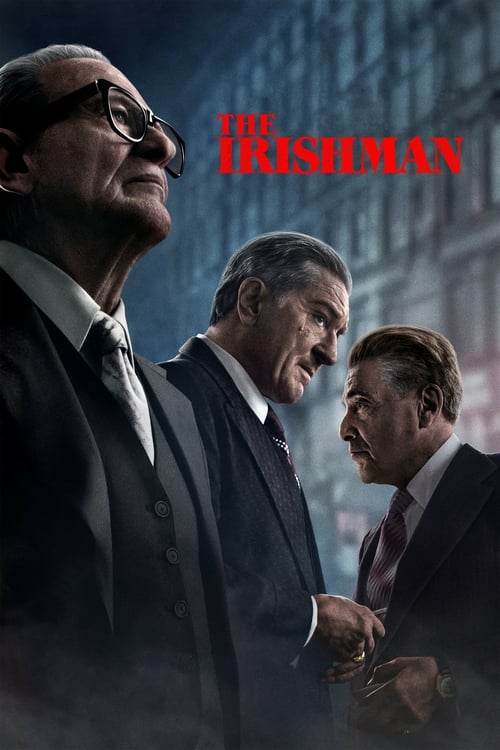
The Irishman (2019)
Directed by Martin Scorsese
influenced by Touch of Evil (1958), Citizen Kane (1941)
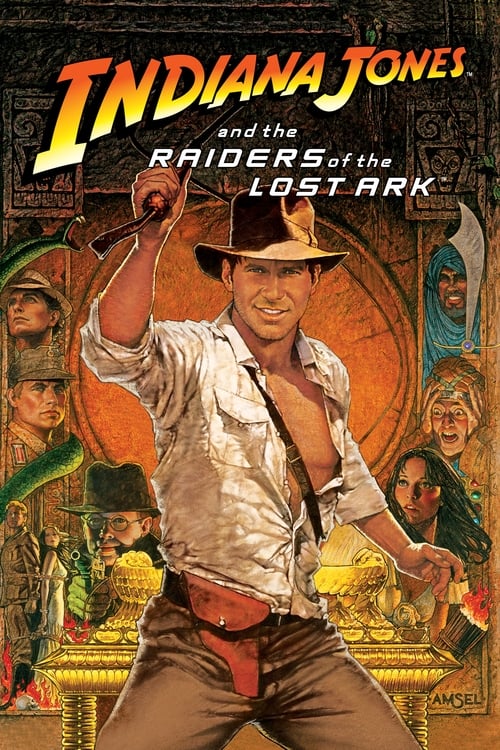
Raiders of the Lost Ark (1981)
Directed by Steven Spielberg
influenced by Citizen Kane (1941)


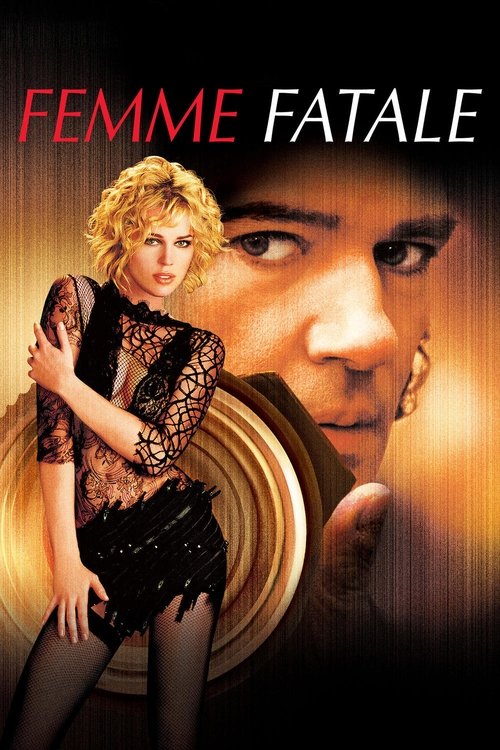
Femme Fatale (2002)
Directed by Brian De Palma
influenced by The Lady from Shanghai (1947)