
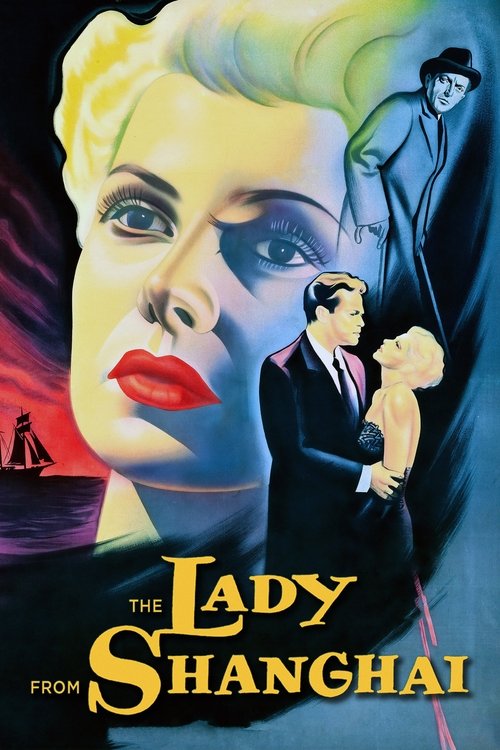
The Lady from Shanghai (1947)
Directed by Orson Welles
A romantic drifter gets caught between a corrupt tycoon and his voluptuous wife.
13 connections found
View:
13 connections, in both directions
What critics compared The Lady from Shanghai to

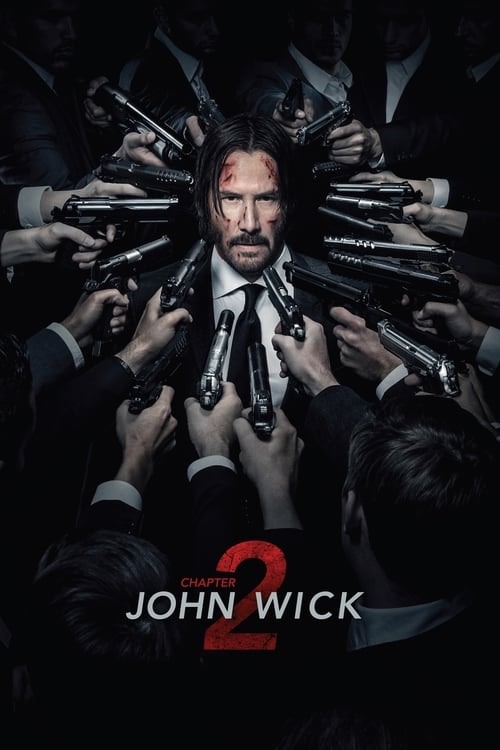


John Wick: Chapter 2 also has a very good humor about itself, with details such as the hotel’s sommelier really being a gun dealer, showing the inner workings of the international phone and banking network that gets set in play as soon as a contract is taken out on a life, words and phrases suddenly flashed on the screen, and a wild sequence set at an art exhibition that becomes an obvious tribute to Orson Welles’ hall of mirrors in The Lady From Shanghai.
He and screenwriter Derek Kolstad, who were behind the first film, crib from sources as diverse as Orson Welles' The Lady From Shanghai and video games, but they consistently find entertainingly unlikely ways for their title character to survive or vanquish his foes.
Their final battle amid a museum installation of mirrors plays like a gonzo and grisly twist of the classic climax of the 1941 noir, “The Lady From Shanghai.”
Wick has to run a gauntlet of them—including Cassian—before tracking down Santino to an art gallery where, amid hundreds of mirrors, windows and multi-colored strobe lights (which, despite all the flamboyance, still can’t hold a candle to the closing sequence from “The Lady from Shanghai”), he must annihilate yet another small army of opponents with guns and martial-arts moves, including D’Antonio’s chief enforcer, a mute named Ares (Ruby Rose), who is presented as something special but proves, in the final analysis, to be both inept and totally incapable of matching John blow for blow.
Or that a long set piece in an art museum is based on the mirror-maze shoot-out in Orson Welles’s “The Lady From Shanghai”?
The movie’s brilliant climax, set in a labyrinthine hall of mirrors in blatant tribute to Orson Welles’ “The Lady From Shanghai,” proves the extent to which the filmmakers know their stuff.
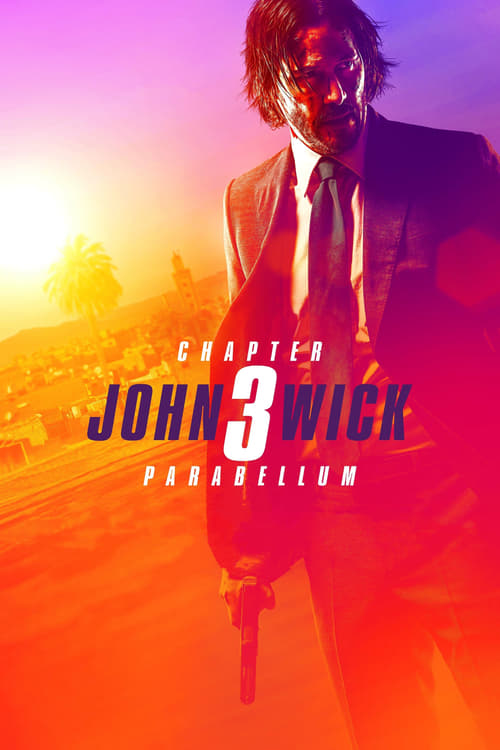
If the setting of Chapter 2 's climax, a hall-of-mirrors museum installation, was a kind of Instagram thirst-trap version of The Lady From Shanghai , this film offers the series' take on Jacques Tati's Playtime , a cold glass world where transparent barriers cause playful misunderstandings — when they're not keeping one guy from killing another.
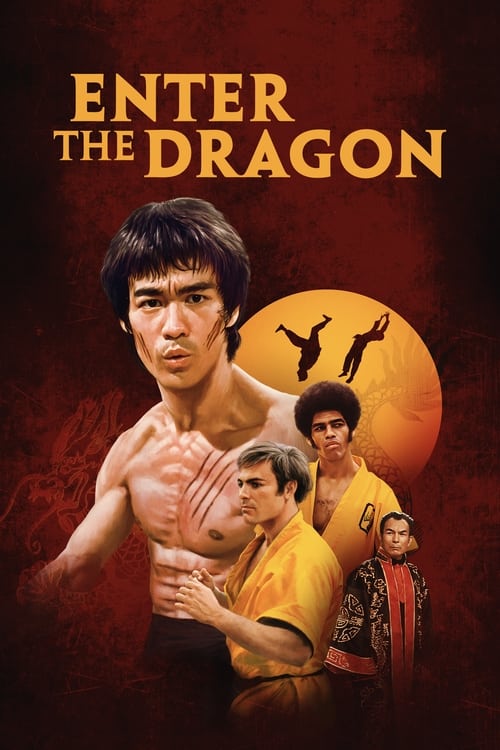
You can find more reflections of the Bond series in the music of Lalo Schifrin and in the villain's artificial, Dr. No-like hand and his Blofeld white cat; and you'll see literal reflections of Orson Welles's "The Lady from Shanghai" in the climactic mirror scene.
And that it borrows heavily from a half-dozen other round-eye action films, especially "The Lady from Shanghai" with its replicating mirror sequence, the borrowings coming damn close to plagiarism.
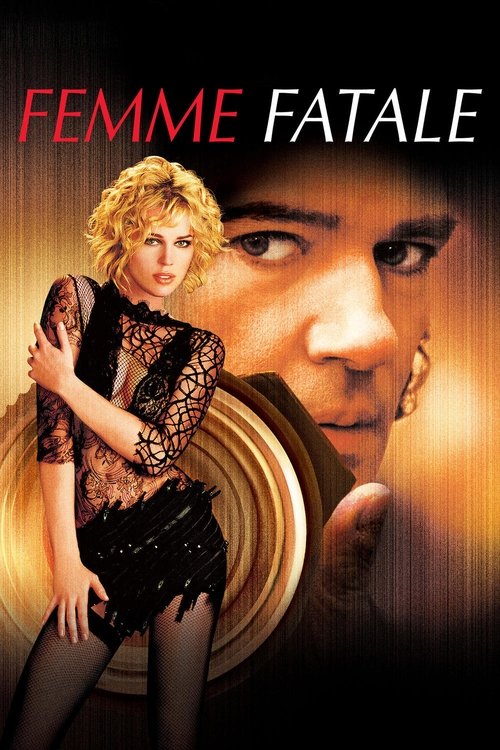
By asking Romijn-Stamos to project the smoldering, evil persona of a woman like Barbara Stanwycks character in Double Indemnity or Rita Hayworths mysterious seductress in The Lady from Shanghai, De Palma expects the impossible.
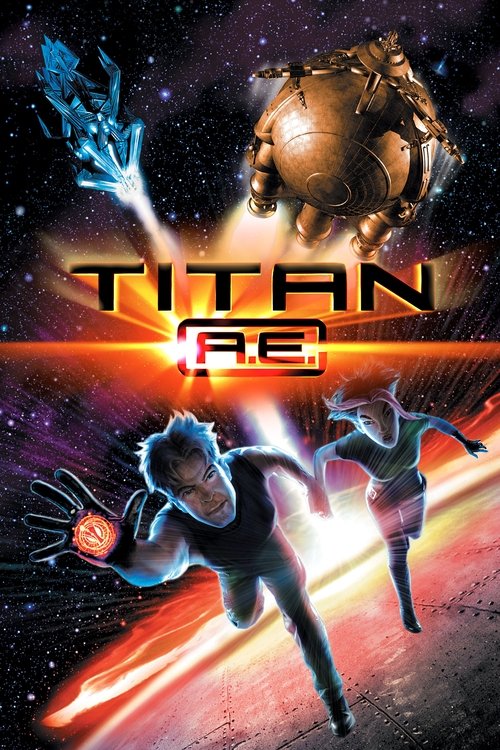
(One is an homage to Orson Welles' The Lady from Shanghai , using a field of giant ice floes like a house of mirrors.)
Advertisement
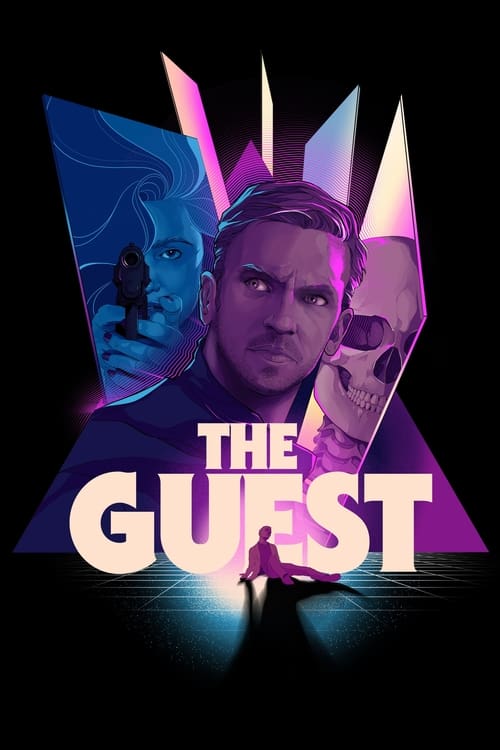
(The points of reference range from The Lady From Shanghai to Halloween to Gus Van Sant's Elephant.)
Elements of “The Manchurian Candidate” and “The Lady From Shanghai” come into play as a violent pursuit ensues.
Too many to explain, anyway, since at the climax the un-David must stalk through a haunted-house maze that conjures up memories of both the John Carpenter Halloween and Orson Welles’ The Lady from Shanghai.
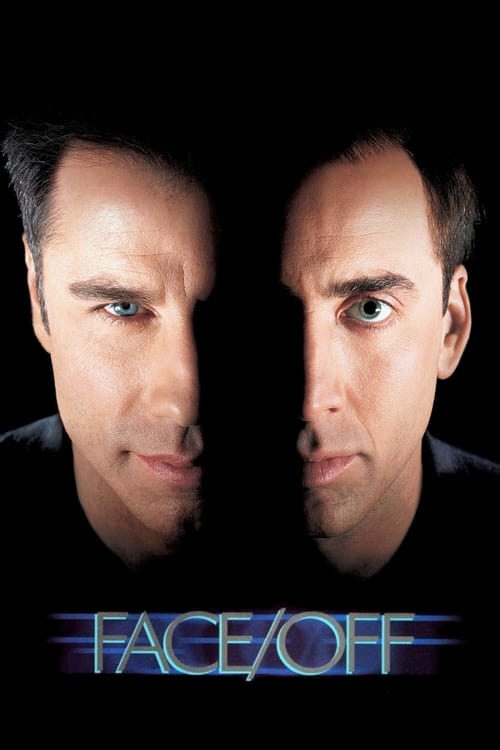
It causes one to note that Woo and company nod at - or rip off - Orson Welles' "The Lady from Shanghai" when Archer, wearing Troy's face, and Troy, in Archer's face, try to gun each other down in a room full of mirrors.

But the writers – none of whom worked on the leaner, meaner “LEGO Movie” – never fail to deliver an occasional belly laugh, like when Batman stumbles into a Justice League party uninvited; or when he is lost and under fire in a hall of mirrors – just like Orson Welles in “The Lady from Shanghai.”
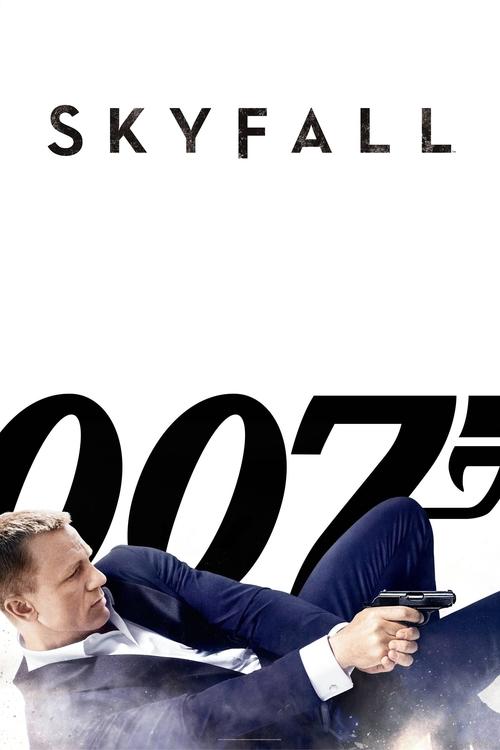
The director pulls off a superb middle hour, beginning with a glass-skyscraper Shanghai assassination whose use of mirroring suggests prep viewing included…well, The Lady from Shanghai .
Advertisement
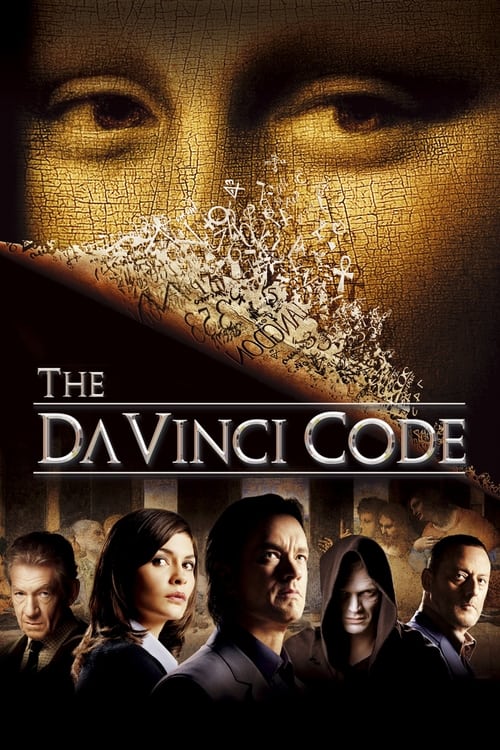
Only Ian McKellen strikes the right note of joviality as a religious scholar with a twinkle in his eye, lurching around on two canes like Everett Sloane in Orson Welles' The Lady from Shanghai (1948).

Would it be sacrilege to say it reminded me a lot of the house of mirrors in Orson Welles’s “The Lady from Shanghai”?